You’re standing at a Tokyo street food stall with no English menu, or trying to explain a medical issue in a rural Mexican clinic—language barriers transform exciting adventures into stressful guessing games. The truth is, you don’t need fluency to travel confidently. Most successful travelers rely on a strategic vocabulary toolkit of just 50-100 essential words that solves 90% of travel situations. These practical travel language tips will help you communicate effectively anywhere, even when your phone dies or internet disappears.
Mastering these key phrases builds instant rapport with locals, opens doors to authentic experiences, and transforms intimidating situations into manageable interactions. Whether you’re ordering street food in Bangkok or navigating a Parisian pharmacy with rusty French, this guide delivers actionable strategies that work in real-world travel scenarios.
Build Your 50-Word Survival Vocabulary
Master These 4 Critical Phrase Categories
Focus your limited pre-trip study time on these high-impact categories that solve most travel situations:
Navigation Essentials
– Learn directional words: left, right, straight, behind, in front of
– Master transportation terms: bus, train, taxi, airport, station
– Practice location phrases: near, far, here, there, where is
Emergency & Health Must-Knows
– Memorize: help, police, doctor, hospital
– Learn: allergic to [ingredient], I need medicine, water
– Practice body parts: head, stomach, arm, leg for symptom description
Food & Dining Vocabulary
– Master: how much, expensive, cheap, menu, bill
– Learn dietary phrases: vegetarian, no [ingredient], water, bread
– Practice ordering phrases: I would like this, please
Social Courtesy Foundation
– Essential phrases: please, thank you, excuse me, good morning
– Learn: I’m sorry, do you speak English?, where is bathroom?
Smart Memorization Techniques That Stick
Phonetic Flash Cards Strategy
Write each word twice: once in local script, once in English phonetics (e.g., Spanish “agua = AH-gwah”). Record yourself saying them during your commute—this auditory reinforcement boosts retention by 40% compared to silent study.
Daily 5-Word Drills
Master five new words daily for three weeks pre-departure. Use each in three different sentences. By day 21, you’ll confidently handle over 100 travel scenarios. Focus on practical application: “Where is the bathroom?” “How much for taxi?” “I need doctor.”
Navigate Transportation Systems Like a Local
Taxi Communication That Prevents Rip-Offs
Destination Cards Strategy
Write your hotel name phonetically and in local script on index cards. For Spanish destinations: “Llévame al Hotel = YEH-vah-meh al oh-TEL.” Show this card to taxi drivers—no need for perfect pronunciation.
Fare Negotiation Scripts
Memorize: “How much to [destination]?” and “That’s too expensive.” Practice numbers clearly. Carry a calculator app to display acceptable prices visually when verbal negotiation fails.
Public Transport Language Hacks
Station Vocabulary Essentials
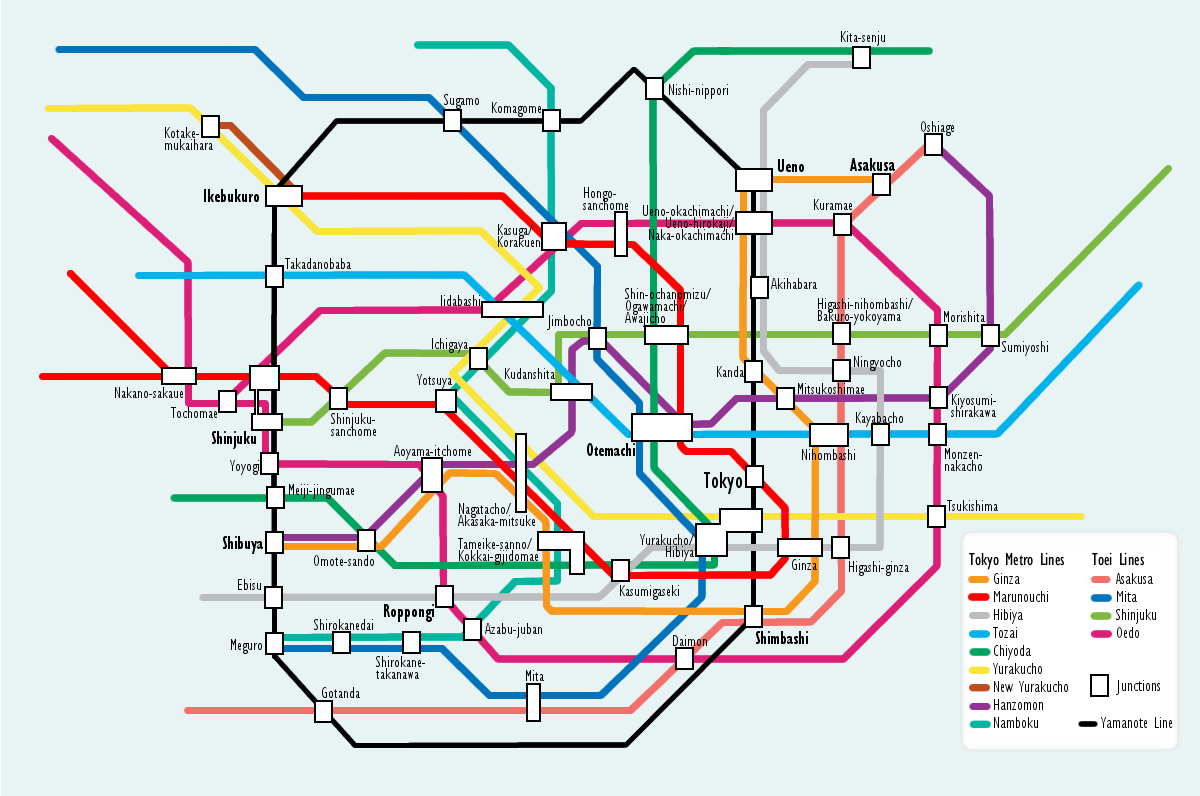
Learn “Where is the train to [city]?” and “Does this go to [destination]?” Master cardinal directions (north, south, east, west). Most transport signs include English, but asking correctly prevents wrong routes and wasted time.
Ticket Purchase Phrases That Work
“One ticket to [destination], please” handles 90% of purchases. When pronunciation fails, point to destination on map. Always confirm: “This train?” while showing your ticket—this simple verification prevents costly mistakes.
Decode Menus and Order Confidently
Food Vocabulary That Prevents Allergy Disasters
Allergen Communication Protocol
Create allergy cards in local language: “No peanuts—severe allergy.” Laminate three copies. Show to servers before ordering. Learn “I cannot eat [ingredient]” in local tongue—this phrase prevents dangerous situations.
Menu Navigation Tactics
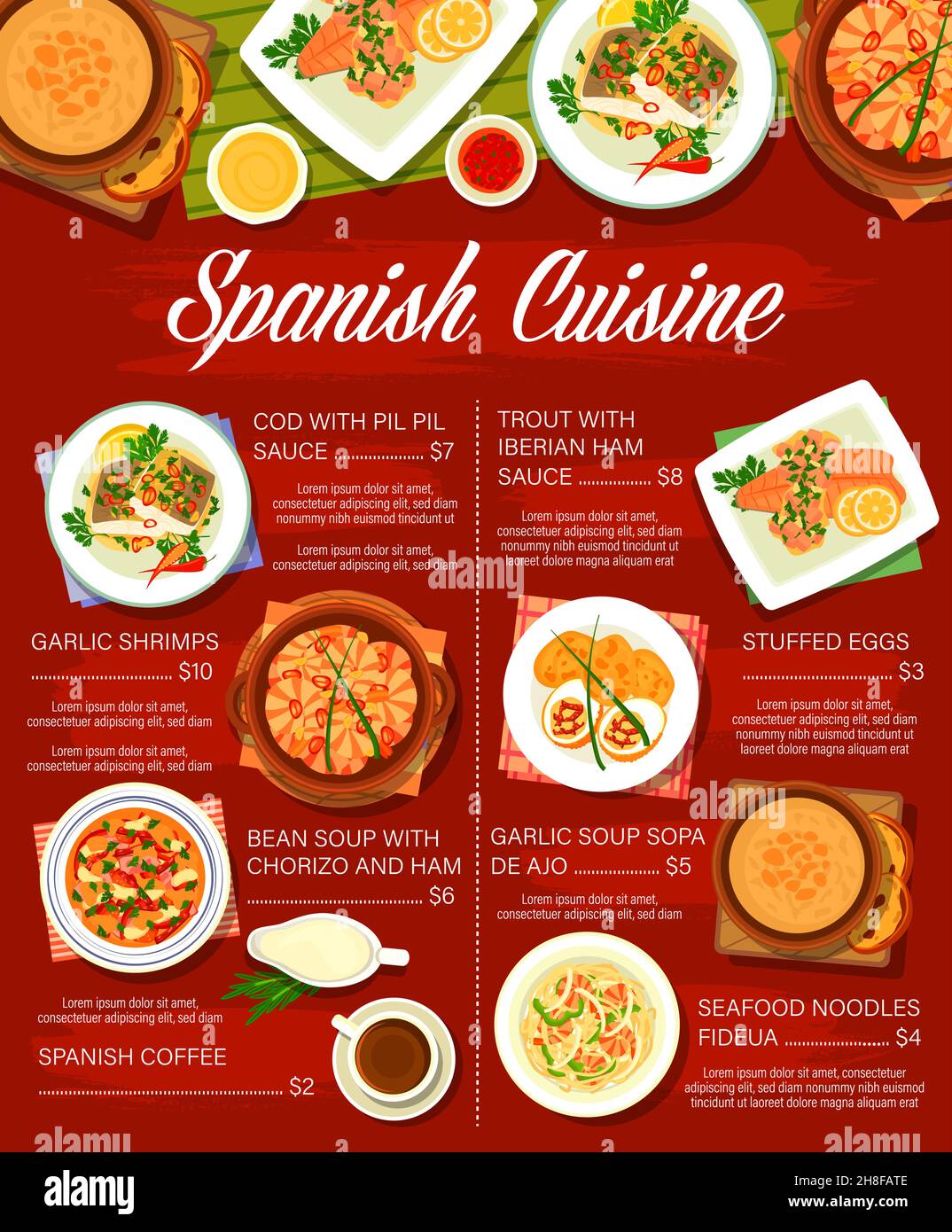
Study restaurant photos beforehand. Learn basic categories: meat = carne, fish = pescado, vegetables = verduras. When stuck, point to neighboring table’s dish asking “What is this?”—locals appreciate the effort even with imperfect pronunciation.
Restaurant Interaction Scripts That Work
Ordering Without Fumbling
Memorize three key phrases: “I would like this” (pointing), “No [ingredient], please,” and “The bill, please.” These handle most dining situations confidently. Practice ordering breakfast in local language even if staff speaks English—your effort earns goodwill.
Dietary Restriction Phrases
Create go-to lines: “I don’t eat meat,” “Gluten-free, please,” “Not spicy.” Write phonetically on card for easy reference. When in doubt, point to menu items while saying “No [ingredient]”—visual reinforcement aids understanding.
Handle Medical Emergencies Calmly
Critical Health Phrases That Save Time
Symptom Description Toolkit
Learn body parts: head, stomach, arm, leg. Master pain levels: “It hurts here,” “Very painful,” “I need medicine.” Practice pointing while speaking—this combination works when vocabulary fails.
Medication Vocabulary Essentials
Memorize: “I take [medication name],” “I need [pharmacy item],” “Prescription from my doctor.” Carry prescription bottles with generic names written clearly—pharmacists can match ingredients without perfect translation.
Emergency Contact Strategy
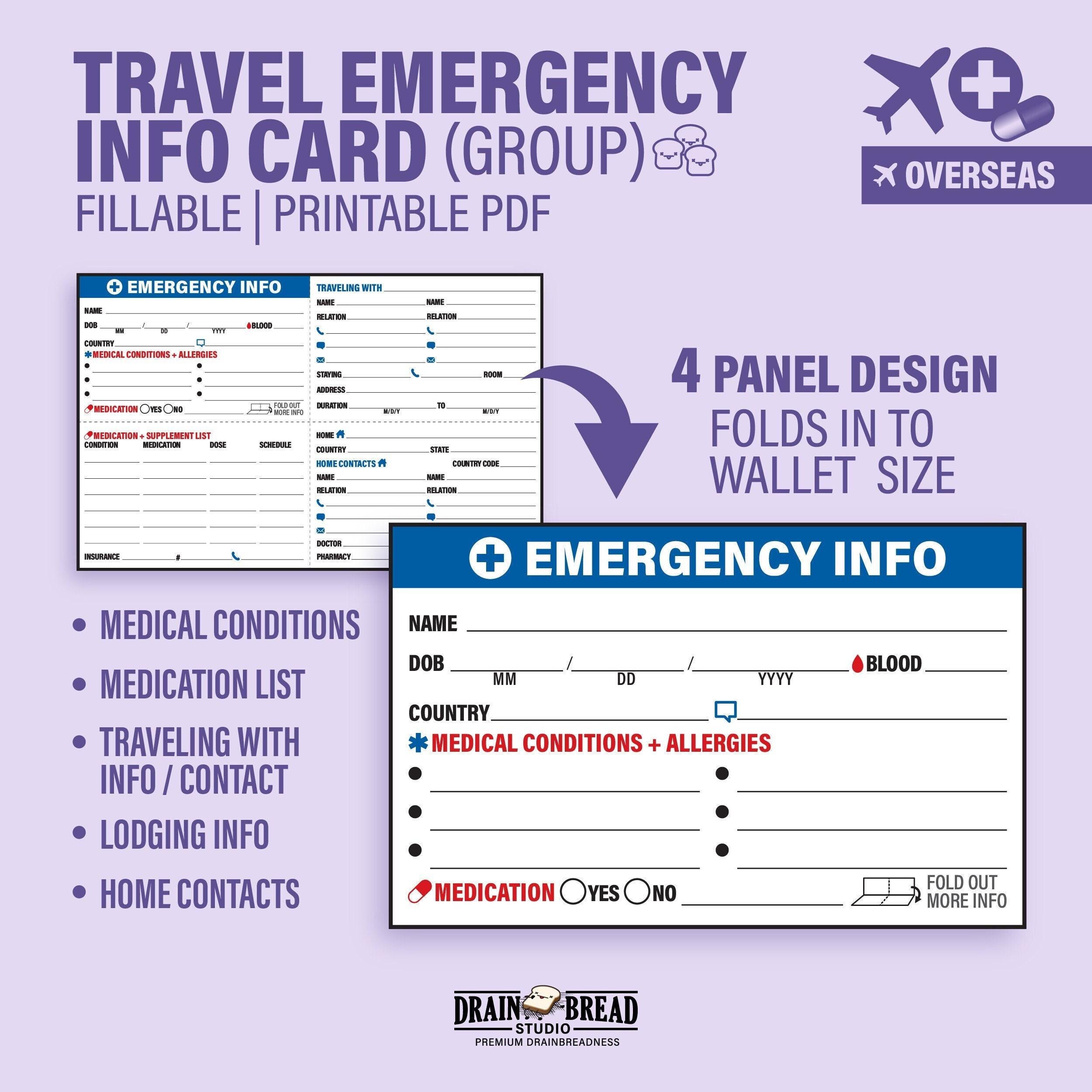
Medical Information Cards
Create wallet card with blood type, allergies, chronic conditions, emergency contact, insurance info—all translated. Laminate for durability. This single card provides critical information when you’re too stressed to communicate clearly.
Hospital Location Phrases
“Where is the hospital?” and “I need a doctor” top your emergency list. Learn “Call an ambulance” and “I have travel insurance”—these phrases expedite care when every minute counts.
Technology Backup Strategies That Actually Work
Essential App Downloads That Save You
Offline Language Arsenal
Before departure: Google Translate offline packs, Google Maps offline areas, currency converter, phrasebook PDFs. Test all offline features at home—don’t discover limitations when stranded.
Emergency Communication Cards
Create phone wallpaper with: “I need help,” address in local language, emergency contact, blood type. Screenshot works without internet—first responders can access critical information instantly.
When Technology Fails Completely
Visual Communication Tools
Keep pen and paper handy. Drawing works universally—sketch a chicken for “pollo” or bed for “hotel.” Carry small photo album of dietary needs or destinations—visuals bridge language gaps better than words.
Body Language Mastery
Practice universal gestures: shoulder shrug for “I don’t know,” pointing to wrist for time, holding imaginary cup for coffee. These transcend language barriers when words fail completely.
Connect Beyond Words Using Cultural Intelligence
Non-Verbal Communication That Builds Trust
Gesture Awareness Training
Research before arrival: thumbs-up means “up yours” in Iran, OK sign is vulgar in Brazil. Stick to open palms and gentle nods until you learn local norms—misunderstood gestures can derail positive interactions.
Personal Space Navigation
Mediterranean cultures stand closer, Nordic cultures prefer distance. Mirror local distances. When unsure, take half-step back and observe comfort levels—this subtle adjustment shows cultural awareness.
Conversation Starters That Open Doors
Universal Compliments
“Your city is beautiful” and “This food is delicious” work everywhere. Learn “How do you say [word]?”—locals love teaching their language, and this simple question builds instant rapport.
Cultural Interest Phrases
“Tell me about local traditions” and “What do you recommend?” open doors to authentic experiences. Show genuine curiosity through body language—this transforms transactional interactions into meaningful connections.
Your 50-word language toolkit transforms foreign countries from intimidating to inviting. Start with five words daily, practice pronunciation weekly, and test scenarios before departure. Remember—locals appreciate your effort far more than your accuracy. A sincere “thank you” in their language opens more doors than perfect grammar ever will. These practical travel language tips build confidence, prevent misunderstandings, and create richer travel experiences with minimal preparation. Ready to book that dream trip? Your new communication skills await.