

Your heart pounds as you watch your cat tremble in the carrier, wondering if this trip will end in disaster. You’re not alone—78% of cat owners consider their pet’s anxiety the biggest barrier to travel. But what if you could transform that fearful feline into a calm travel companion? How to travel with a cat successfully isn’t about luck; it’s about preparation. This guide reveals field-tested strategies from professional pet transporters and veterinary behaviorists, showing you exactly how to choose the right carrier, navigate airline policies, and create a stress-free journey whether you’re driving cross-country or flying internationally. Let’s turn travel anxiety into adventure readiness for both of you.
Select the Perfect Cat Carrier for Safe Travel

Measure Your Cat for Proper Carrier Fit
Your cat needs room to stand, turn, and sit comfortably during travel. Measure from nose to tail base, then add 4-6 inches for length. Height should allow natural standing without crouching, while width must accommodate comfortable turning. A carrier that’s too small causes stress; one too large risks injury during sudden stops. Test fit by placing your cat inside—there should be 2-3 inches of space around their body when sitting normally. Remember, airline-approved carriers have strict dimensional requirements that often differ from pet store suggestions.
Choose Between Hard-Sided and Soft-Sided Carriers
Hard-sided carriers provide superior protection during air travel and for nervous cats who might scratch through fabric. Their rigid structure prevents collapse if luggage shifts around them. Soft-sided carriers offer better ventilation and fold flat for storage, making them ideal for car trips with confident travelers. Look for models with dual entry points (top and front) to reduce stress during loading. For flights, hard carriers typically meet airline requirements more reliably, while soft carriers work better for road trips where weight and storage matter more.
Verify Airline Carrier Requirements Before Booking
Most airlines restrict cabin pet carriers to 19″ long × 10″ high × 12″ wide, but measurements vary by carrier—Delta measures from the carrier’s exterior while United uses interior dimensions. Confirm specific requirements directly with your airline, as policies change frequently. Essential features include three-sided mesh ventilation, secure double-zipper closures with safety clips, and a waterproof bottom. Avoid carriers with wheels for flights—they often get caught in cabin storage spaces. Pro tip: Test your carrier at home by placing it in your car’s footwell to ensure it fits under the seat before your travel day.
Prepare Your Cat for Travel with Pre-Trip Veterinary Care
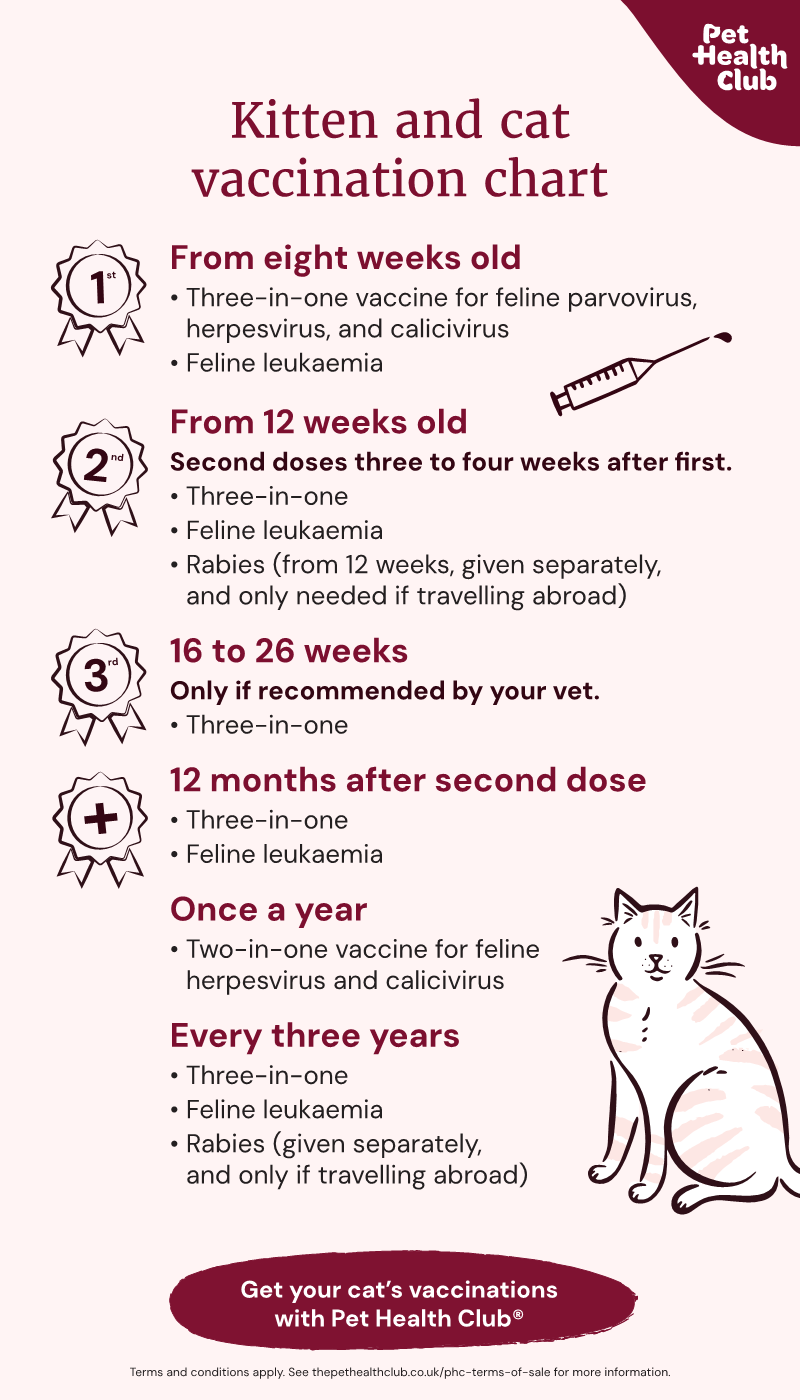
Schedule Essential Pre-Travel Health Checkups
Book your vet appointment 7-10 days before departure to allow time for any necessary treatments or documentation. Your veterinarian will verify your cat’s fitness for travel and provide a health certificate valid for 10 days—required by most airlines and international destinations. Bring your travel itinerary so your vet can address destination-specific risks like altitude changes or extreme temperatures. This visit is also the time to discuss your cat’s anxiety level and develop a customized calming plan that avoids dangerous sedation.
Update Critical Vaccinations and Documentation
Rabies vaccination is mandatory for all travel, while FVRCP (feline distemper) protects against common respiratory illnesses exacerbated by travel stress. International destinations often require additional vaccines administered 30 days prior—check embassy websites for current requirements. Microchipping provides permanent identification; ensure your contact information is current in the registry database. Create a travel health folder with vaccination records, medication details, and emergency vet contacts at your destination. Keep digital copies on your phone and physical copies in your travel kit.
Understand the Truth About Sedation for Travel
Most airlines prohibit sedated pets due to breathing risks at altitude, and veterinarians increasingly avoid traditional sedatives that can impair thermoregulation. Instead, ask about gabapentin—a mild anxiety reducer that won’t cause dangerous drowsiness. Natural alternatives like Feliway spray (apply to carrier bedding 15 minutes before travel) or calming collars provide pheromone support without medication. Never administer anything new on travel day—test calming aids during short practice trips first. Your vet can help determine if your cat’s anxiety warrants prescription support versus behavioral preparation.
Pack a Complete Cat Travel Emergency Kit
Organize Food and Water for Any Situation
Bring 3-4 extra days of your cat’s regular food to prevent digestive upset from sudden diet changes during travel delays. Pack collapsible silicone bowls that won’t tip over in the car. For road trips, freeze water in a bowl overnight—it melts slowly during travel, preventing spills while keeping water cool. During flights, carry empty water bottles through security to fill afterward. Never rely on hotel food; sudden diet changes cause gastrointestinal issues that complicate travel stress.
Create Portable Litter Solutions
Foldable travel litter boxes fit in your suitcase but expand to full size when needed. Bring a small bag of your cat’s regular litter—the familiar scent reduces stress. Include disposable litter trays for hotel rooms, poop bags for outdoor breaks, and enzymatic cleaner for accidents. Place the litter box immediately upon arrival at your destination before letting your cat explore. Position it away from food and water stations in a quiet corner—cats avoid using litter boxes near eating areas.
Include Comfort Items That Reduce Stress
Your cat needs familiar scents to feel secure in new environments. Pack a small blanket your cat sleeps on regularly, plus an unwashed t-shirt with your scent. Rotate two favorite toys to maintain interest during long trips. Include high-value treats for positive reinforcement during stressful moments like security screening. Most importantly, bring a recent photo of your cat for identification purposes—shelters often use photos to match lost pets with owners.
Execute Smooth Car Travel with Proven Techniques

Secure Your Cat’s Carrier Properly in the Vehicle
Place the carrier on the back seat floor—not the seat itself—to minimize movement during turns. Thread your seatbelt through the carrier’s designated safety points to prevent sliding. Cover three sides with a lightweight blanket to reduce visual stimulation while maintaining airflow through the top. Never place carriers in the front seat due to airbag risks. For long trips, position the carrier facing backward (opposite direction of travel) to reduce motion sickness—this aligns with how cats naturally face in moving vehicles.
Maintain Safe Temperature During Road Trips
Cats overheat quickly in vehicles—never leave your cat alone in a parked car, even with windows cracked. Maintain interior temperatures between 65-70°F using recirculated air. Use sunshades on windows during stops, and consider a battery-powered fan clipped to the carrier for rest breaks. Check your cat every 30 minutes by placing your hand near their ears—they should feel cool, not warm. If your cat pants excessively or feels hot to the touch, pull over immediately in a shaded area and offer water.
Follow the Right Rest Stop Protocol
Plan bathroom breaks every 2-3 hours during long drives. At rest stops, keep your cat secured in the carrier while you check the area for safety. Never open the carrier door inside the vehicle—cats bolt when startled. Instead, take the entire carrier to a quiet area away from traffic, then open it partially while holding the top securely. Offer water using a collapsible bowl, but don’t force drinking. Most cats won’t eliminate during travel—this is normal and reduces your cleanup burden.
Navigate Air Travel with Your Cat Successfully
Book Pet-Friendly Flights Strategically
Choose morning flights when possible—they typically experience fewer delays and cooler temperatures. Book direct flights to minimize connections that increase stress and lost-pet risks. Contact the airline directly to confirm pet policies, as websites often contain outdated information. Most airlines limit cabin pets to 2-4 per flight, so reserve early. Ask about temperature restrictions—many airlines won’t transport pets when ground temperatures exceed 85°F or drop below 45°F. Confirm whether your specific aircraft model has climate-controlled cargo holds if traveling in the hold.
Prepare for TSA Security Screening with a Cat
You’ll carry your cat through security—never send the carrier through X-ray machines. Remove your cat’s harness and leash before screening to prevent entanglement. Have treats ready to distract your cat during the process. Request a private screening area if your cat is extremely anxious—TSA agents accommodate this regularly. Keep your cat’s health certificate and ID tags visible but secure. Pro tip: Practice security-like scenarios at home by walking through doorways with your cat in the carrier to build positive associations.
Make the Critical Cabin vs. Cargo Decision
Cabin travel works for cats under 20 pounds (including carrier weight) and offers climate control plus your reassuring presence. Cargo hold becomes necessary for larger cats but carries significant risks—never choose cargo for brachycephalic breeds, seniors, or cats with medical conditions. If cargo is unavoidable, select flights with pet-friendly airlines that provide climate-controlled holds and priority loading/unloading. Book direct flights only, and travel on the same plane as your cat to minimize time in unfamiliar environments.
Set Up Stress-Free Hotel Accommodations Immediately
Verify Hotel Policies Beyond Website Claims
Call hotels directly to confirm pet policies—many websites list generic information that doesn’t reflect actual restrictions. Ask specifically about weight limits, breed restrictions, and whether they provide litter boxes or pet beds. Confirm if fees are daily or flat-rate (some charge per night, others a single fee regardless of stay length). Request ground-floor rooms near exits for easier bathroom breaks. Always get pet policy details in writing via email before arrival to avoid disputes at check-in.
Create a Safe Room Within Minutes of Arrival
Upon check-in, immediately designate one room as your cat’s sanctuary before unpacking anything else. Set up the litter box first in a quiet corner, then place food and water stations away from the door. Unpack familiar items like your cat’s blanket and toys to create comforting scent markers. Keep your cat in the carrier until the room is fully prepared, then let them explore at their own pace. Close closet and bathroom doors to prevent hiding in inaccessible spaces—cats often bolt when overwhelmed by new environments.
Handle Travel Emergencies with Confidence
Implement Lost Cat Recovery Protocols Immediately
If your cat escapes, stay calm and sit quietly—running triggers their chase instinct. Place familiar items like their blanket and food bowl near the escape point. Contact local shelters and veterinary clinics immediately with your recent photo. Use social media platforms like Nextdoor to alert neighbors. Never call your cat’s name repeatedly—this can cause them to run further. Instead, make soft kissing sounds that trigger positive associations. Most lost cats are found within a 3-house radius if you search methodically at dawn and dusk.
Manage Medical Emergencies During Travel
Create a travel health folder containing vaccination records, medication dosages, and emergency vet contacts at your destination. Pack a basic first-aid kit with gauze, antiseptic wipes, and styptic powder for nail trims. Recognize signs of travel distress: excessive drooling, panting, or vocalization indicate immediate stress requiring intervention. For vomiting or diarrhea, offer small amounts of water but withhold food for 12 hours. Always carry your cat’s regular medications plus a few extra days’ supply in case of travel delays.
Traveling with your cat transforms from stressful chore to shared adventure when you implement these precise strategies. The difference between a traumatic experience and smooth journey lies in preparation—measuring your carrier correctly, verifying airline policies directly, and packing the right emergency kit. Start with short practice trips to build your cat’s confidence, focusing on positive associations with the carrier. Remember that your calm demeanor directly influences your cat’s stress level—breathe deeply and move slowly during travel preparations. With these techniques, you’ll create travel memories worth sharing, not stories of disaster. Your next adventure with your feline companion awaits, ready for both of you to explore the world together—one calm journey at a time.