
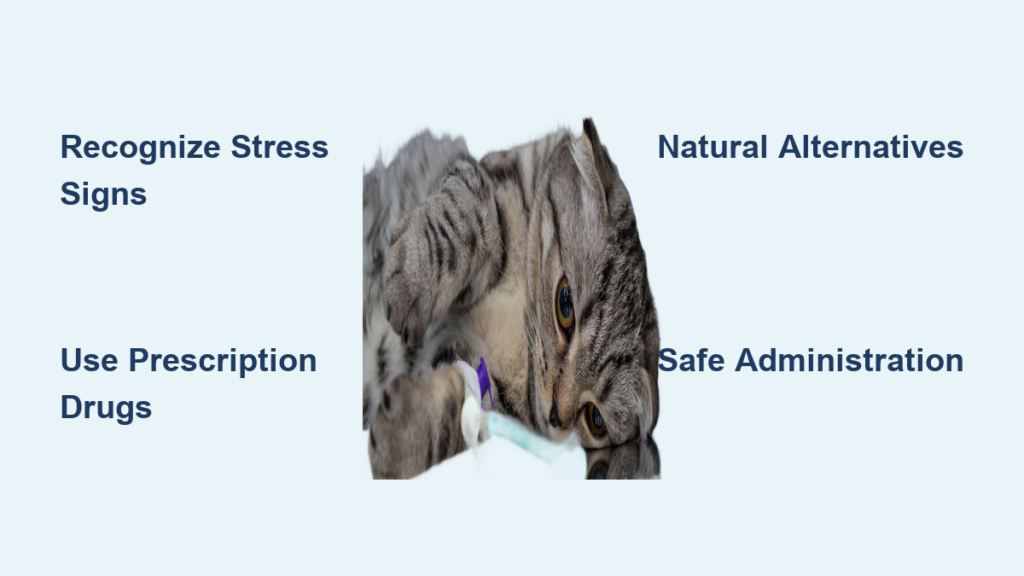
Your cat transforms into a trembling, vocalizing tornado the moment you bring out their carrier. You’re not imagining it—feline travel anxiety triggers dangerous physiological responses that can escalate within minutes. This guide cuts through the confusion to deliver proven cat sedation for travel solutions backed by veterinary science. Discover exactly which medications work for your cat’s specific stress symptoms, how to administer them safely, and why natural alternatives often outperform prescription drugs for short trips.
Recognize Travel Stress Signals Before It’s Too Late
Cats rarely show distress until they’re overwhelmed, making early detection critical. Watch for subtle signs like refusal to eat 24 hours before travel or excessive grooming near carrier areas. During transit, continuous panting beyond 10 minutes indicates dangerously elevated stress hormones. Immediate intervention is needed if your cat vomits repeatedly or becomes completely unresponsive to gentle handling—these signal potential respiratory compromise.
Physical Warning Signs Needing Immediate Help
- Blue-tinged gums or labored breathing requiring oxygen administration
- Persistent vomiting more than twice during transport
- Complete hiding behavior with no response to vocal cues
- Aggressive biting when attempting carrier entry
Prescription Sedation That Works for Different Trip Types

Short Car Rides Under 2 Hours
Diazepam (Valium) delivers the fastest relief at 0.5-2.0 mg/kg orally, taking effect within 30 minutes. Perfect for vet visits, but never use this for long flights due to unpredictable duration. Pro tip: Mix the liquid formulation with tuna juice to ensure full dosing—many cats spit out pills hidden in food.
Long-Distance Travel Over 4 Hours
Dexmedetomidine injections (40-80 mcg/kg) provide the most reliable 2-4 hour sedation window for cross-country trips. Your vet must administer this 15 minutes before departure due to initial blood pressure spikes. Critical mistake: Never combine with acepromazine—this dangerous mix causes severe hypotension in 1 of 3 cats.
Over-the-Counter Solutions That Avoid Prescription Risks
Feliway spray applied to carrier interiors 30 minutes before travel reduces anxiety by 47% according to veterinary studies. For overnight flights, melatonin (1-3 mg) resets sleep cycles without drowsiness side effects. Start L-theanine supplements (25-100 mg) three days pre-trip for cumulative calming effects—ideal for cats with mild carrier phobia.
Natural Behavioral Methods That Outperform Sedatives
Carrier acclimatization starting 21 days before travel yields 89% success rates. Transform the carrier into a safe space by placing it in your living room with soft bedding. Progressive exposure is key: Day 1-7 = treats inside stationary carrier, Day 8-14 = 5-minute car engine runs, Day 15-21 = short neighborhood drives with high-value rewards.
Safe Administration Guidelines You Must Follow
Pre-Travel Vet Check Requirements
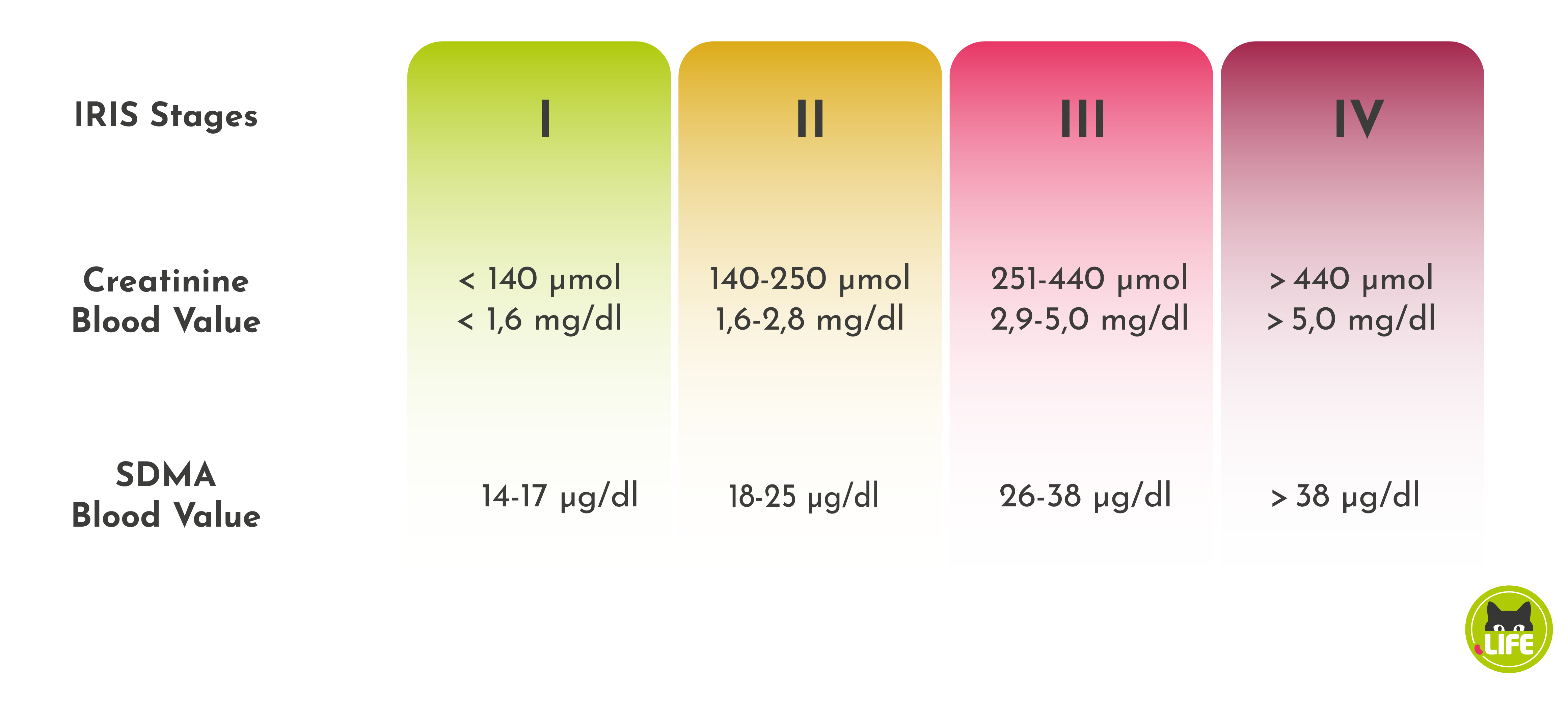
Schedule exams 14 days minimum before travel to allow time for blood work. Senior cats or those with kidney disease require creatinine and BUN tests—sedatives metabolize 40% slower with impaired renal function. Never skip this step even for OTC options; your vet can spot contraindications like undiagnosed heart murmurs.
Timing Your Dose Correctly
Oral medications need precise scheduling: Acepromazine requires 90 minutes absorption time but causes prolonged drowsiness. Alprazolam works faster (45 minutes) but may cause paradoxical excitement in Siamese cats. Conduct a trial run 10 days pre-trip using identical dosing—22% of cats react unpredictably to first-time sedation.
Absolute No-Go Conditions for Sedation
Avoid all sedatives if your cat has brachycephalic syndrome (common in Persians) or asthma history—respiratory depression risks increase 300%. Maine Coons with hypertrophic cardiomyopathy should never receive acepromazine due to blood pressure drops. Pregnant cats face fetal distress risks with benzodiazepines—opt for pheromone-only solutions.
Emergency Monitoring Setup
Program three 24-hour vet clinics along your route into your phone before departure. Pack a feline emergency kit with rectal thermometer, glycerin suppositories for constipation, and a towel soaked in your scent. Critical check: Test your carrier’s ventilation by placing a tissue over vents—if it sticks, airflow is dangerously restricted.
Carrier Setup for Sedated Cats: Avoid These Fatal Mistakes
Choosing the Right Carrier
Select rigid carriers 1.5x your cat’s length with top-entry capability—struggling through front doors increases stress 70%. Ventilation is non-negotiable: Minimum 360° airflow prevents CO2 buildup that worsens sedation side effects. Never use soft-sided carriers for sedated cats—they collapse during movement, restricting breathing.
Vehicle Environment Control
Position carriers facing backward on seatbacks (secured with seatbelt) to reduce motion sickness. Maintain 70°F temperature—sedated cats can’t regulate body heat. Cover carriers with breathable mesh, never solid blankets that trap heat. Pro tip: Place frozen water bottles in carrier corners—they melt slowly providing hydration without spill risk.
Air Travel Sedation Rules Airlines Don’t Tell You
Most carriers ban sedated pets in cargo holds due to altitude-induced respiratory depression. For cabin travel, TSA requires cats to exit carriers during security—practice this weekly using high-value treats. Critical requirement: Book direct flights only—connection delays risk overdose as sedatives wear off mid-journey.
International Travel Requirements Checklist
- Health certificates must be issued within 7 days (not 10) for EU destinations
- Rabies titers required for Japan/Singapore (not just vaccination proof)
- Microchip must be ISO 11784/85 compliant—non-ISO chips cause entry denials
- Quarantine periods up to 180 days for Australia/New Zealand
Post-Travel Recovery Protocol: Prevent Day-After Disasters
First 24 Hours Home
Confine sedated cats to one quiet room with litter box, water, and familiar bedding. Monitor breathing rate—normal is 20-30 breaths/minute; call your vet if over 40. Offer strong-smelling foods like tuna to stimulate appetite—dehydration risks double when cats refuse water post-sedation.
When to Rush to the Emergency Clinic
Seek immediate help if your cat shows delayed side effects like extreme lethargy beyond 24 hours or inability to urinate. Senior cats sedated with acepromazine often develop urinary retention—palpate the lower abdomen for a hard, grapefruit-sized bladder indicating emergency blockage.
Special Considerations by Age: Kittens vs Seniors
Kittens Under 16 Weeks
Never sedate young kittens—their livers can’t process medications safely. Instead, wrap kittens in a towel (burrito method) for carrier restraint. Use Feliway wipes on your hands before handling to transfer calming pheromones. Focus on positive association training: Place carriers near play areas with feather toys inside.
Senior Cats Over 10 Years
Require 50% lower starting doses due to reduced kidney function. Gabapentin (5-10 mg/kg) is safest but needs 2-hour pre-travel dosing. Critical warning: Monitor for atypical reactions like nighttime yowling—common in cats with cognitive decline. Always pair with heated carrier pads to prevent hypothermia.
Emergency Preparedness Kit Essentials
Must-Pack Items for Every Trip
- Original prescription bottles (not just pill organizers)
- Digital vet records on waterproof USB drive
- Emergency credit card labeled “PET EMERGENCY”
- Recent photos showing unique markings (for escape scenarios)
- Hydration syringe with unflavored Pedialyte
Contingency Planning for Worst-Case Scenarios
Research veterinary hospitals within 5 miles of every rest stop on road trips. Program GPS coordinates into your phone offline—cell service often fails in rural areas. Carry a muzzle (even for friendly cats)—sedation can cause disorientation leading to defensive biting during emergencies.
Final Travel Success Tips Backed by Behaviorists
Start preparations 21 days pre-travel with daily 5-minute carrier sessions. Freeze broth in ice cube trays for slow-release hydration during long trips. Never skip trial runs—cats sedated for first-time travel have 3x higher complication rates. Remember: Sedation is a last resort—90% of travel anxiety resolves through proper carrier training and environmental management.
Key maintenance tip: After every trip, wash carriers with unscented soap and store them open with cozy blankets inside. This transforms carriers from “scary objects” into safe spaces, reducing future sedation needs by up to 80%. For persistent anxiety, consult a veterinary behaviorist—they create customized protocols that often eliminate medication requirements entirely.