
Picture this: you’re settling into your Amtrak seat, ready for a scenic train ride, but instead of staring at the passing landscape, you’re worrying about your restless dog crammed in an undersized carrier. This stressful scenario plays out daily for unprepared pet owners who didn’t fully understand Amtrak’s strict pet policies. The reality is Amtrak allows small dogs on only select routes with a hard seven-hour time limit—conditions many travelers overlook until it’s too late.
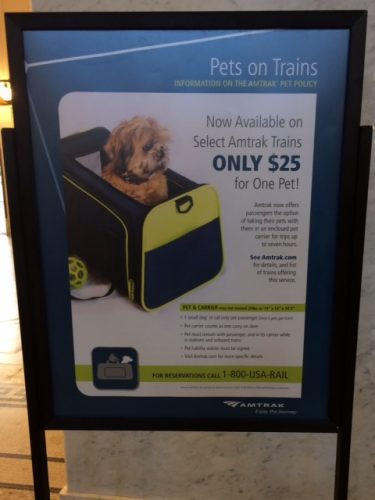
Before you book that ticket, know that Amtrak travel with dog companionship isn’t as simple as showing up with a carrier. The railroad’s pet program operates under specific geographic and time constraints that dramatically impact your travel planning. Most critically, your entire journey must conclude within seven hours, and pets are currently only confirmed on routes stopping in North Carolina.
This guide cuts through the confusion with actionable steps to ensure your Amtrak travel with dog goes smoothly. You’ll discover exactly which routes permit pets, how to prepare your dog for confined-space travel, and the critical mistakes that get pets turned away at the station. Whether you’re planning a quick trip to Raleigh or connecting through multiple stations, these insights will transform your stressful journey into a pleasant shared adventure.
Confirm Your Route Accepts Dogs Before Booking
Don’t assume your intended Amtrak route allows pets—this is the most common mistake travelers make. As of the latest documentation (August 2022), Amtrak explicitly permits small dogs only on trains stopping in North Carolina. This regional limitation means popular routes like the California Zephyr or Empire Builder likely don’t accommodate pets despite what third-party websites might suggest.
Verify Current Pet Routes Directly with Amtrak
Call Amtrak’s customer service at 1-800-USA-RAIL at least two weeks before booking to confirm:
– Whether your specific route accepts pets
– Any recent policy changes since the 2022 documentation
– Available pet reservation slots for your travel dates
Critical warning: Amtrak’s pet program operates on a first-come, first-served basis with limited spots per train. During peak travel seasons, pet reservations can fill weeks in advance, leaving unprepared travelers scrambling for alternatives.
Understand the Seven-Hour Journey Limitation
Your entire trip—from departure station to final destination—must conclude within seven consecutive hours. This restriction eliminates most cross-country routes and requires careful itinerary planning:
- Direct trips only (no connections that exceed seven hours)
- Shorter regional routes like the Carolinian (New York to Charlotte)
- Daytime journeys only (no overnight segments)
Many travelers mistakenly believe they can break longer trips into seven-hour segments, but Amtrak requires your dog to remain with you throughout the entire journey without transfers. If your destination requires more than seven hours of total travel time, consider alternative transportation options.
Select the Right Carrier and Train Your Dog

Your dog’s carrier isn’t just a container—it’s their entire world for up to seven hours. Amtrak requires carriers that fit completely under the seat in front of you, similar to airline regulations. While exact dimensions aren’t specified in current documentation, most travelers report success with soft-sided carriers measuring approximately 18″ x 11″ x 11″.
Train Your Dog for Carrier Confinement
Start acclimating your dog to their carrier at least three weeks before travel:
– Feed meals inside the carrier with the door open
– Practice short car rides with the carrier secured
– Gradually increase confined time to match your planned journey length
– Place familiar-smelling blankets or toys inside for comfort
Pro tip: Record the sound of train noises (easily found on YouTube) and play them at increasing volumes while your dog is in the carrier. This desensitizes them to the unique sounds of train travel, reducing anxiety during the actual journey.
Avoid These Common Carrier Mistakes
Pet travelers frequently make these critical errors:
– Choosing carriers that barely fit under seats (opt for slightly smaller)
– Using hard-sided carriers that create uncomfortable echoes
– Forgetting removable, washable liners for accidents
– Selecting carriers without secure top handles for easy boarding
Master the Amtrak Pet Booking Process
Booking Amtrak travel with dog requires a completely different process than standard ticketing. You cannot reserve pet space online—this must be done by phone with a live agent who can confirm availability and collect the mandatory pet fee.
Essential Steps for Successful Pet Reservation
- Call 1-800-USA-RAIL at least 14 days before travel (earlier for holiday periods)
- Explicitly state you need a pet reservation—agents won’t automatically offer this
- Confirm the exact pet fee (varies by route, typically $26-$35)
- Request seat assignment away from high-traffic areas like restrooms
- Get the agent’s name and reservation details in writing via email
Critical note: Amtrak’s pet policy requires dogs to remain in carriers for the entire journey. If your dog isn’t comfortable in confined spaces for seven hours, consider alternative transportation. Nervous or vocal dogs often create disruptions that lead to removal from the train.
Required Documentation Checklist
Bring these items on travel day:
– Up-to-date rabies vaccination certificate
– Recent health certificate from your veterinarian
– Photo of you with your dog (for identification)
– Current ID tags with your cell phone number
While Amtrak doesn’t specify exact documentation requirements beyond general health, bordering states may have additional pet entry regulations. Contact your destination state’s department of agriculture for specific requirements.
Execute Flawless Day-of-Travel Protocol

Arrive at the station 45-60 minutes early—significantly earlier than standard passengers. Pet travelers undergo additional screening and verification that can delay boarding if you arrive late.
Station Arrival Essentials
Bring these critical items in an easily accessible bag:
– Collapsible water bowl
– Absorbent puppy pads (line the carrier as backup)
– Small waste bags for station stops
– Treats for positive reinforcement during stressful moments
– Leash and harness (required when outside the carrier)
Pro tip: Walk your dog thoroughly before entering the station. A tired dog is a calm dog, and you won’t have opportunities for exercise during the seven-hour journey.
Boarding Process with Pets
Follow this sequence for stress-free boarding:
1. Check in at the ticket counter first to verify your pet reservation
2. Proceed through security with your empty carrier (agents may inspect it)
3. Keep your dog leashed until the last possible moment before boarding
4. Board early to settle your dog before other passengers create noise and movement
5. Position the carrier under the seat with maximum legroom space
Choose seats in the middle of the car rather than at the ends—these locations typically experience less foot traffic and fewer disruptions from conductors making announcements.
Prevent Common Amtrak Pet Travel Disasters
Even seasoned travelers make critical mistakes that jeopardize their Amtrak travel with dog experience. The most frequent issue? Assuming the seven-hour limit includes only moving time, when it actually encompasses your entire journey from station departure to final arrival.
Critical Errors That Get Pets Denied Boarding
- Showing up without a confirmed pet reservation
- Using carriers that don’t fit completely under seats
- Bringing dogs that exceed “small” size parameters
- Forgetting required health documentation
- Attempting to travel on non-pet-friendly routes
Urgent warning: Never sedate your dog for Amtrak travel without explicit veterinary approval. Sedation can cause dangerous reactions in the train’s changing cabin pressure and temperature conditions.
Smart Packing Strategies
Dogs need surprisingly few supplies for seven-hour journeys:
– Small water container (freeze water the night before)
– One favorite comfort item (blanket or small toy)
– Waste bags (for station stops only)
– Treats for positive reinforcement
Leave bulky items at home—overpacking creates stress during security screening and limits your mobility on the train. Remember, you can’t access overhead bins frequently with a dog in your lap or carrier at your feet.
Plan Your Next Amtrak Travel with Dog Journey
After your first successful trip, document what worked and what didn’t. Note your dog’s stress signals, carrier comfort level, and station amenities that made the journey easier. This information becomes invaluable for future planning and helps other pet travelers through online communities.
Seasonal Travel Considerations
Adjust your approach based on weather conditions:
– Summer: Book early morning departures to avoid heat
– Winter: Add a light sweater for dogs in air-conditioned cars
– Rainy days: Pack absorbent towels for wet paws at station stops
– Holiday travel: Book pet reservations 60+ days in advance
If Amtrak’s seven-hour limit constrains your travel plans, consider breaking your journey into segments with overnight pet-friendly lodging between train legs. Research regional rail services that might offer more flexible pet policies for connecting routes.
Final Note: Amtrak travel with dog requires meticulous preparation but delivers a uniquely stress-free alternative to air or car travel when done correctly. Always verify current policies directly with Amtrak within 48 hours of departure—policies change frequently and the 2022 documentation may already be outdated. With proper planning, your seven-hour journey can become a pleasant adventure rather than a stressful ordeal. Remember, Amtrak’s pet program exists to enhance your travel experience, not complicate it—follow these guidelines, and you’ll join the growing number of travelers who make scenic rail journeys with their four-legged companions a regular pleasure.