

You’re booking flights for your dream Italy trip when your friend begs for help with their Bali vacation. Suddenly, it hits you: your knack for finding hidden-gem hotels and seamless itineraries could be more than a hobby—it could be your livelihood. Starting a travel business unlocks the chance to craft life-changing experiences while building a profitable enterprise. But with 80% of new agencies failing within two years due to poor planning, skipping critical steps like niche selection or supplier negotiations spells disaster. This guide delivers the exact roadmap to transform your wanderlust into a thriving venture, covering legal must-haves, supplier strategies, and profit-boosting systems you won’t find in generic tutorials.
Choose Your Profitable Travel Business Model
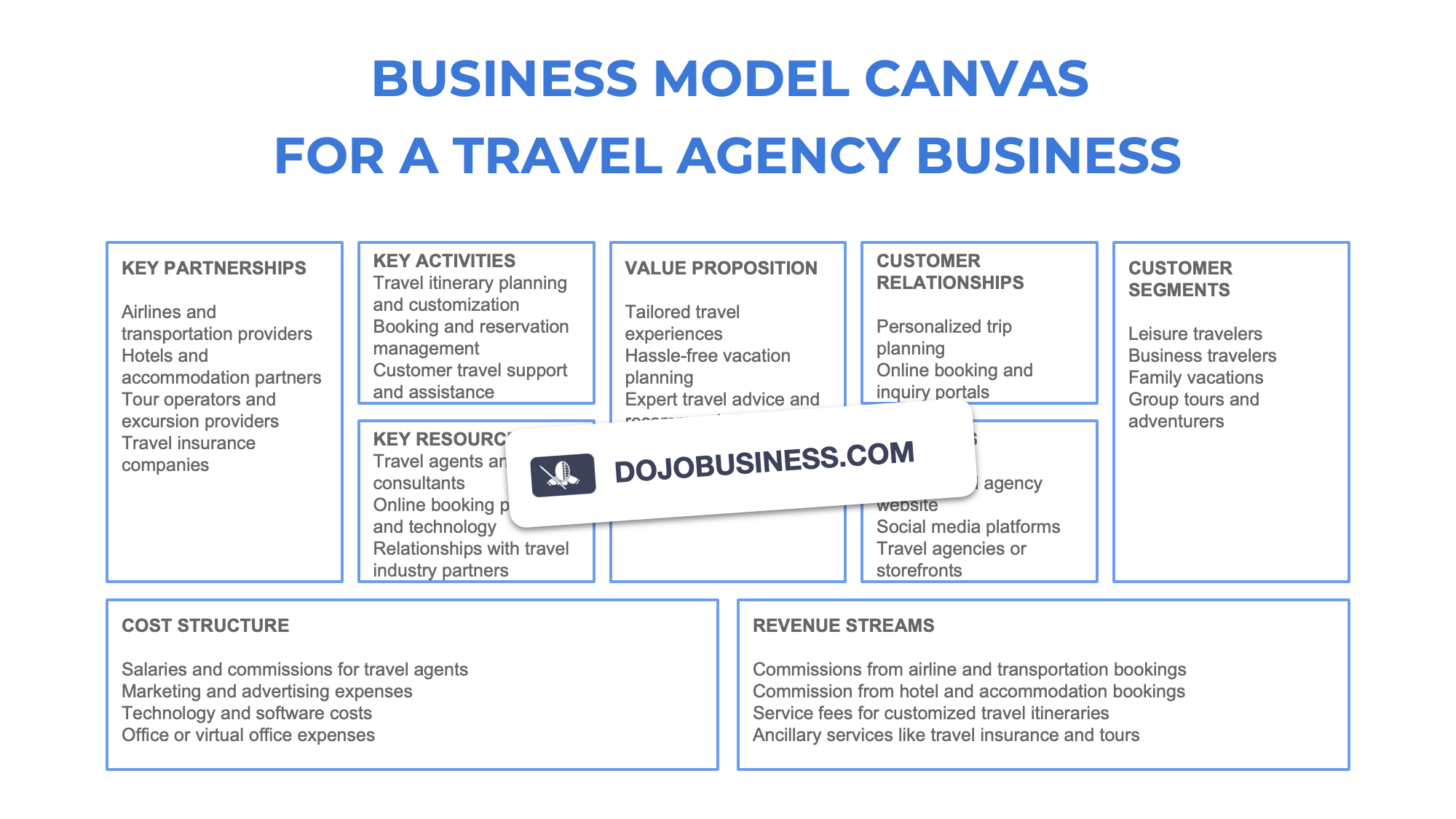
Fix Your Agency Structure Before Investing
Skip the “just start booking” trap that sinks beginners. Traditional agencies earn 10-15% commissions from hotels but require IATA accreditation ($1,000-$2,500 annually) to access airline inventory. For faster entry, join a host agency—they handle licensing and take 20-30% of your commissions while providing supplier access. If you dream of digital freedom, online travel platforms need $15,000-$100,000 for development but process 24/7 bookings. Tour operators designing complete packages (like luxury safaris) command 20-40% margins but require direct supplier contracts and minimum booking commitments. Critical mistake: Trying all models at once—specialize in one niche (e.g., “Costa Rica family adventures”) to avoid spreading thin.
Why Tour Operators Outearn Traditional Agencies
Tour operators profit by purchasing services wholesale then marking up 15-40% based on complexity. Focus on high-demand niches like culinary tours or accessible travel to justify premium pricing. Group bookings of 10-20 travelers create economies of scale—negotiate bulk rates with hotels while maintaining personal service. Unlike commission-dependent agencies, operators control pricing and inventory, avoiding volatile airline/hotel rate changes. Pro tip: Start with small groups (5-8 travelers) to minimize risk while building supplier trust.
Secure Legal Protection Immediately

Get Licensing Right or Risk Shutdown
Don’t confuse business registration with travel-specific permits. Register as an LLC ($50-$500 state fees) for personal asset protection, then immediately secure seller of travel registration in California, Florida, Hawaii, Iowa, or Washington—failing this triggers $1,000+ daily fines. These states require $10,000-$50,000 surety bonds. IATA accreditation takes 3-6 months with financial reviews; skip it initially by partnering with host agencies or using CLIA for cruise-focused models. Urgent action: Apply for permits before accepting client payments—operating without them voids insurance coverage.
Non-Negotiable Insurance Coverage
Professional liability (E&O) insurance at $1,500-$5,000/year protects against booking errors that could cost thousands. General liability covers office accidents, but online agencies must add cyber liability for data breaches. Tour operators need emergency evacuation insurance—clients stranded abroad create massive liabilities. Red flag: Bundling all coverage into one policy; always verify separate limits for trip interruptions, supplier defaults, and cyber incidents.
Calculate Real Startup Costs
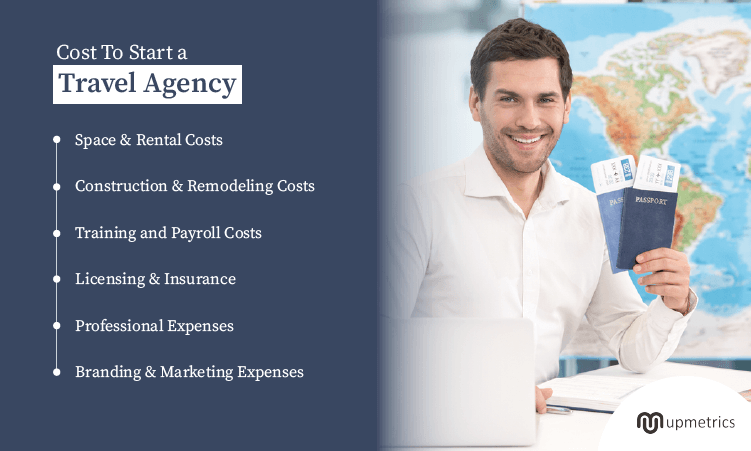
Avoid Underfunding With This Budget Template
Home-based agencies need $2,000-$10,000 for licenses, basic tech, and marketing—not the “$500 startup” myths floating online. Physical offices require $15,000-$50,000 for leases and furniture. Allocate 30% of your budget to technology: CRM systems ($50-$200/month), booking software ($100-$500/month), and a mobile-optimized website ($2,000-$15,000). Critical insight: Maintain 6 months of operating cash ($3,000-$5,000 monthly) since commissions arrive 30-90 days post-travel. January-March bookings fund 60% of annual revenue—underestimate this and you’ll face January cash crunches.
Slash Tech Costs With Smart Hacks
Use white-label booking platforms ($200-$2,000/month) instead of custom development to save $13,000+. Negotiate payment processing fees below 2.9% + $0.30 by committing to $10,000+ monthly volume. Time-saver: Start with free tools like Canva for marketing and Google Workspace for communications—upgrade only when revenue justifies it.
Build Supplier Networks That Boost Margins
Land Airline Deals Without IATA Accreditation
Partner with consolidators like Travelsky for net fares 10-30% below published rates—no IATA needed. Target regional carriers (e.g., JetBlue for Caribbean routes) offering 12-15% commissions versus majors’ 5-10%. Pro move: Book $25,000+ annually on one route to qualify for private fare agreements with higher commissions. Avoid spreading volume—focus on 3-5 airlines to build leverage.
Secure Hotel Partnerships That Pay You More
Join bed banks like Hotelbeds for 15-25% markups on 150,000+ properties. Then, directly contact boutique hotels ignored by chains—offer to drive off-peak bookings for 20-30% commissions (versus 15% through bed banks). Warning: Never accept “net rates” without written cancellation policies; hotels often change terms last-minute.
Dominate Digital Marketing From Day One
Create a Website That Converts Browsers to Bookings
Your site must load in under 3 seconds (60% of mobile users abandon slower sites) and feature real-time booking widgets. Use WordPress with travel-specific themes ($50-$200/year) and integrate Rezdy or TravelClick for inventory. Must-have: A “Trip Idea Generator” quiz capturing traveler preferences—this boosts email sign-ups by 45%.
Attract Clients With Niche SEO Tactics
Target phrases like “solo female travel Portugal 2024” instead of generic “travel agent.” Publish destination guides answering specific questions: “How to Avoid Crowds at Cinque Terre.” Featured snippet hack: Structure answers in 40-60 word blocks starting with “To [solve problem]…” (e.g., “To find affordable Amalfi Coast villas…”).
Master Sales Without Being Salesy
Convert Inquiries With Value-First Pricing
Never lead with price. Start consultations by diagnosing pain points: “Many clients struggle with hidden resort fees—let’s build an all-inclusive budget.” Mark up wholesale rates 15-40% based on complexity, then add $100-$500 service fees for multi-destination trips. Profit secret: Bundle flights + hotels + activities into “Experience Packages” with 25% higher margins than standalone bookings.
Lock In Repeat Business With Systems
Automate post-trip emails requesting reviews within 48 hours (fresh experiences = better ratings). Send “Travel Anniversary” emails 11 months later with early-bird discounts. Loyalty builder: Handwrite thank-you notes mentioning specific trip highlights—clients spend 37% more with personalized service.
Scale Without Sacrificing Service
Grow Your Team While Protecting Margins
Hire travel consultants only after hitting $8,000/month revenue. Offer 50-70% commission splits but require $5,000 monthly minimums. Scalability tip: Use video role-plays to train staff on handling cancellations—consistent service prevents 68% of client losses.
Expand Into New Markets Safely
Test new destinations through supplier partnerships before investing. Offer “Taste of Thailand” mini-tours (3-4 days) to gauge demand before full packages. Risk reducer: Partner with local ground operators who handle permits and guides—you focus on sales.
Starting a travel business demands precision, not passion alone. Specialize immediately in a high-margin niche like luxury safaris or accessible travel, secure seller of travel permits before accepting payments, and build supplier relationships that prioritize direct hotel partnerships over bed banks. Remember: 92% of successful agencies thrive by mastering one niche before expanding. Your first 90 days should focus on legal setup, a conversion-optimized website, and 3-5 solid supplier contracts—not chasing every booking. Track commissions weekly, maintain 6 months of cash reserves, and implement automated client follow-ups from day one. The journey from travel enthusiast to profitable business owner starts with these non-negotiable steps—execute them systematically, and you’ll transform wanderlust into a sustainable livelihood.