
Many companies are exploring innovative ways to boost workplace morale and retention, with travel-based incentives often mentioned as a potential solution. While the concept of using travel to increase employee engagement seems promising, it’s important to address a critical reality: there is a significant lack of verified information on this specific topic in current business literature.
According to comprehensive research across multiple business resources, no substantive data exists connecting structured travel programs to measurable improvements in employee engagement metrics. This information gap presents a challenge for HR professionals seeking evidence-based strategies for workforce motivation.
The absence of concrete data doesn’t mean travel incentives can’t work—it simply means organizations should approach this strategy with appropriate caution and realistic expectations. Companies considering travel-based engagement initiatives need to understand they’re venturing into an area with limited proven methodology and measurable outcomes.
Why the Information Gap Matters for HR Decision-Making
The Risk of Implementing Unverified Strategies
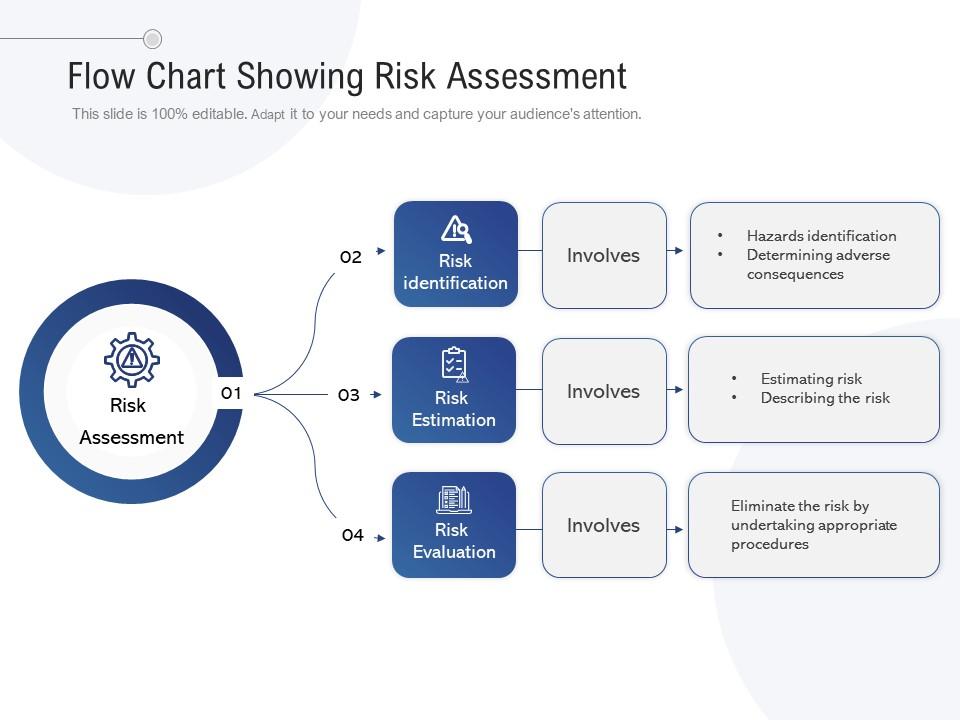
When companies implement engagement strategies without data to support them, they risk wasting valuable resources on initiatives that may not deliver promised results. Travel programs represent significant financial investments that could be better directed toward proven engagement methods if proper research isn’t conducted first.
Without baseline metrics and clear measurement frameworks, organizations cannot determine whether their travel initiatives actually improve engagement or if observed changes result from other factors. This measurement challenge makes it difficult to justify continued investment or expansion of travel-based programs.
Identifying What We Don’t Know
The current knowledge gap includes fundamental questions that organizations should consider before launching travel incentive programs:
- What specific travel experiences correlate with measurable engagement improvements?
- How do travel rewards compare in effectiveness to other engagement strategies?
- What budget allocation represents an appropriate investment for potential returns?
- Which employee demographics respond most positively to travel incentives?
These unanswered questions highlight why companies should proceed with caution when considering travel as an engagement tool.
Building a Responsible Approach to Travel-Based Engagement
Start with Internal Research
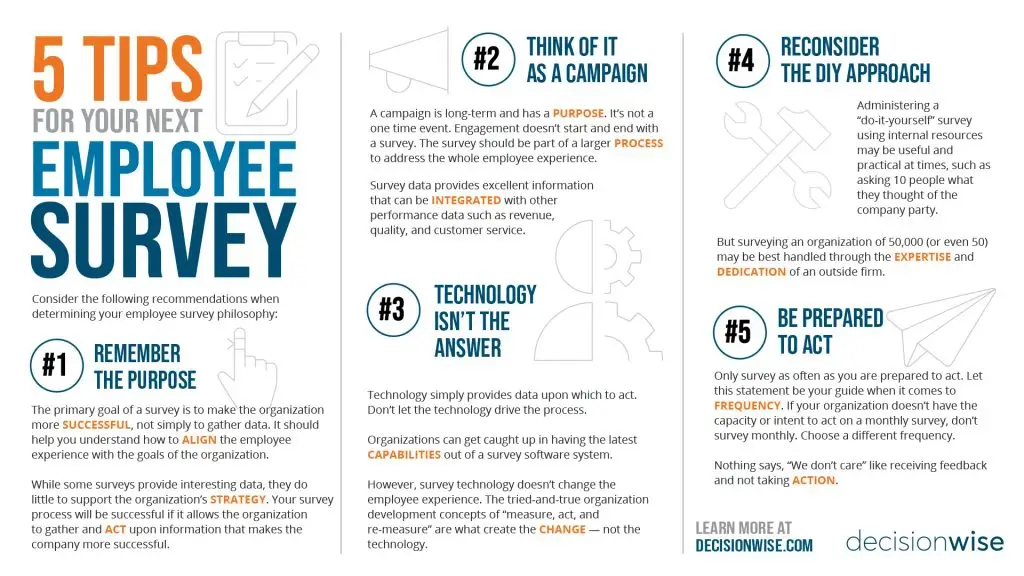
Before implementing any travel incentive program, conduct thorough internal research to understand your specific workforce’s preferences and needs. Create anonymous surveys asking employees:
- What types of recognition would genuinely motivate them
- Whether travel rewards would be valued compared to other incentives
- Any constraints (family situations, health considerations, or personal preferences) that might affect participation
This foundational research helps determine if travel incentives align with your actual workforce needs rather than assumptions.
Establish Clear Measurement Frameworks
If you decide to pilot a travel-based engagement initiative, implement robust measurement systems from the beginning:
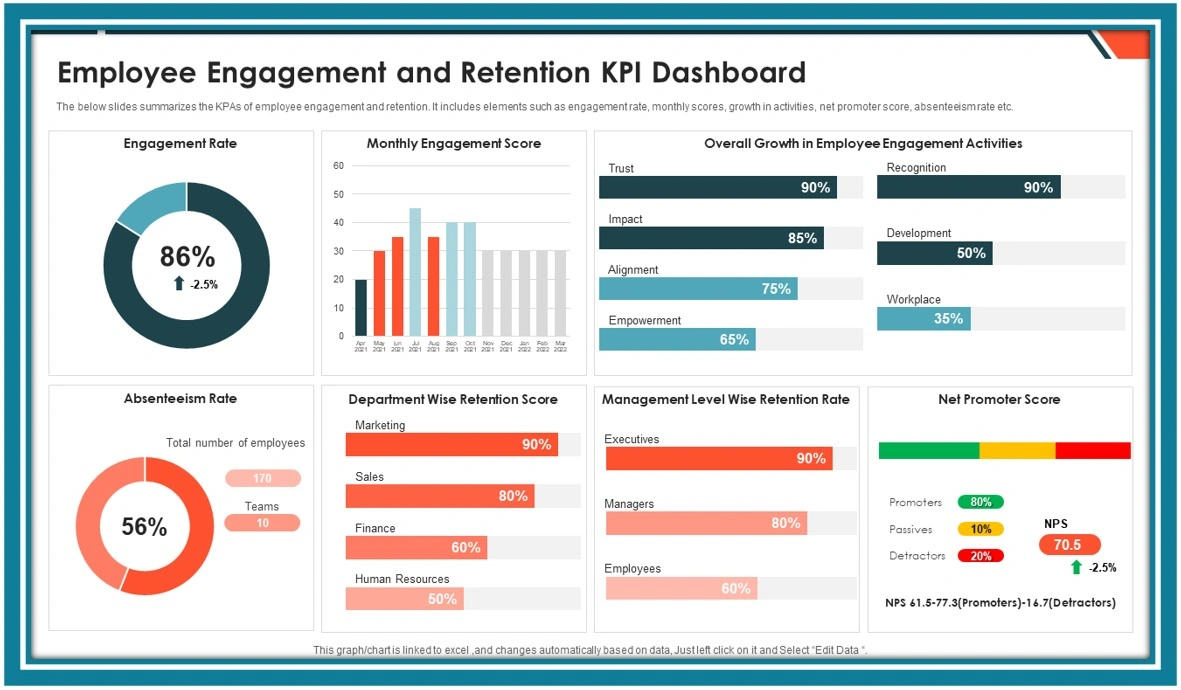
- Document current engagement metrics (retention rates, productivity indicators, satisfaction scores)
- Create specific, measurable goals for what success would look like
- Design pre- and post-program assessments to track potential changes
Without these measurement frameworks, you won’t be able to determine whether your program delivers value or merely represents an unmeasured expense.
Consider Alternative Engagement Strategies
While exploring whether travel incentives might work for your organization, continue implementing engagement strategies with established evidence bases:
- Regular recognition programs with immediate feedback
- Professional development opportunities tied to career growth
- Flexible work arrangements that support work-life integration
- Clear communication about company vision and individual impact
These approaches have documented positive effects on engagement across multiple studies and industries.
Creating a Pilot Program with Appropriate Expectations
Design a Measurable Test Initiative
If you proceed with a travel-based engagement pilot:
- Keep the initial scope small and focused on a specific team or department
- Define exactly what constitutes “success” for the program
- Establish a control group for comparison purposes
- Document all costs for future ROI analysis
This measured approach allows you to gather your own organization-specific data rather than relying on unverified claims about travel incentives.
Communicate Realistically About the Initiative
Be transparent with employees that this is an experimental program:
- Explain that you’re testing whether travel incentives improve engagement
- Clarify that participation doesn’t guarantee specific outcomes
- Emphasize that the program’s continuation depends on measurable results
This honest communication manages expectations and positions the initiative as part of your organization’s commitment to evidence-based HR practices.
Document Everything for Future Reference
Regardless of the pilot’s outcome, maintain detailed records:
- Participant feedback through structured surveys
- Any observed changes in engagement metrics
- Unexpected challenges or successes
- Cost breakdowns for each component
This documentation creates your organization’s proprietary knowledge base that can inform future decisions, regardless of what external research may or may not exist.
Moving Forward with Evidence-Based Engagement
Prioritize Proven Methods While Gathering Data
While exploring the potential of travel incentives, maintain your focus on engagement strategies with established effectiveness. Use any travel initiatives as supplements to—not replacements for—your core engagement practices.
Consider allocating only a small portion of your engagement budget to experimental travel programs while continuing to invest in approaches with demonstrated results.
Contribute to Closing the Knowledge Gap
If your organization implements a travel-based engagement initiative, consider sharing your findings (anonymized as appropriate) with the broader HR community. Documented case studies from real companies would help address the current information gap and provide valuable insights for other organizations.
Collaborative knowledge sharing represents one of the most effective ways to build the evidence base needed for informed decision-making in this area.
Focus on the Underlying Principle
Rather than fixating on travel as a specific tactic, remember that the core principle behind engagement incentives is making employees feel valued and recognized. Consider whether travel is truly the most effective way to communicate this message to your specific workforce, or if other recognition methods might deliver better results with more predictable outcomes.
Final Consideration: While the concept of using travel to increase employee engagement appears intuitively appealing, the absence of verified data means organizations should approach this strategy with appropriate caution. Rather than implementing travel programs based on anecdotal evidence or assumptions, companies should first gather internal data about employee preferences, establish clear measurement frameworks, and consider whether more proven engagement strategies might deliver better results. If pursuing travel incentives, start with a small, well-documented pilot program that allows you to gather your own organization-specific evidence before making larger investments. The most effective employee engagement strategies are those grounded in data about what actually works for your specific workforce—not what might work in theory.