
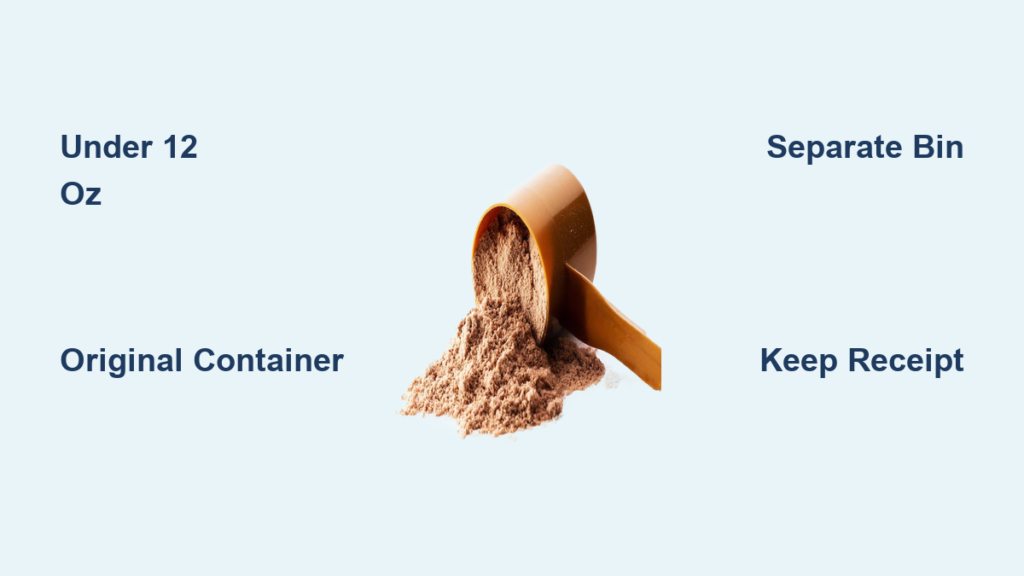
Your carry-on bag feels heavy with that unopened tub of vanilla whey. As you approach the security line, you notice the TSA officer giving your gym bag a second glance. Suddenly, that simple supplement habit feels complicated. You’re not alone—thousands of fitness travelers face this exact moment daily. The good news? How to travel with protein powder is completely straightforward once you know the actual rules. No more guessing games or last-minute repacking. This guide cuts through the misinformation to deliver exactly what TSA requires, proven packing methods that prevent delays, and smart strategies for both short trips and extended vacations. You’ll breeze through security while keeping your nutrition on track.
Traveling with protein powder is fully permitted under TSA regulations, but misunderstanding the 12-ounce threshold causes unnecessary stress and delays. Many travelers waste precious minutes at security because they don’t know oversized containers require special handling. This isn’t about restrictions—it’s about working within the system. Whether you’re a weekend warrior or a competitive athlete, these actionable steps ensure your supplements reach your destination intact. Let’s transform your next trip from stressful to seamless.
Why Your Protein Powder Triggers Extra TSA Screening
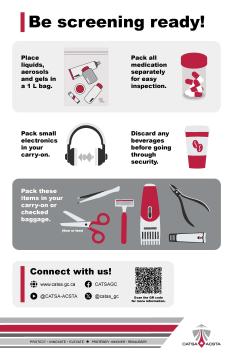
The Exact 12-Ounce Threshold Explained
TSA classifies protein powder as a “powder-like substance” subject to specific screening rules. Any container exceeding 12 ounces (350 mL) must undergo enhanced security procedures—regardless of how full it is. That half-empty 5-pound tub? It still counts as oversized because TSA measures by container capacity, not actual powder volume. This triggers mandatory separate bin placement during X-ray screening. Crucially, even containers under 12 ounces go through standard screening, but only larger ones require removal from your bag. Understanding this distinction prevents frantic last-minute digging when the conveyor belt starts moving.
What Happens During Enhanced Screening
When your oversized container enters the separate bin, expect these specific steps:
– X-ray verification: Officers check for suspicious density patterns
– Swab testing: A wipe test confirms the powder isn’t explosive material
– Potential container opening: TSA reserves the right to open and inspect any powder container
– Verbal verification: You may need to confirm the contents are protein powder
This process adds 2-5 minutes to your screening time. Officers aren’t targeting supplements—they’re following protocol for all powders exceeding the threshold. Knowing this sequence reduces anxiety when they request your container.
Critical Misconceptions That Cause Delays
Most travelers make these avoidable errors:
– Assuming original packaging avoids screening: All oversized containers get pulled regardless of branding
– Thinking “natural” powders bypass rules: Plant-based proteins follow identical procedures
– Believing empty space matters: A 35oz container with 5oz of powder still requires separate screening
– Hiding powder in food containers: Unlabeled powders raise suspicion and increase inspection likelihood
Instead, always keep protein powder in its original container with visible labeling. Factory seals and brand names speed up verification. If repackaging is necessary, use clear quart-sized bags with “PROTEIN POWDER” handwritten in permanent marker.
Smart Packing Strategies That Beat TSA Delays
Carry-On Optimization for Short Trips
For journeys under 7 days, pack only 7-10 single servings in original containers under 12 ounces. This keeps you under the screening threshold while providing enough for your trip. Place these containers in an easily accessible outer pocket—not buried under clothes. When the officer says “powders out,” you can hand over your neatly organized tub without emptying your entire bag. Pro tip: Wrap the lid with plastic wrap before closing to prevent accidental spills during handling.
Checked Baggage Hacks for Bulk Containers
Large tubs belong in checked luggage where all protein powder quantities face zero restrictions. Maximize protection with this method:
1. Place the tub upright inside a gallon-sized ziplock bag
2. Wrap the lid seam tightly with duct tape
3. Nestle the container between rolled clothing for cushioning
4. Position it near the suitcase wheels for shock absorption
This approach prevents both leaks and container damage during baggage handling. Crucially, it avoids the 12-ounce screening bottleneck at security—saving you valuable minutes.
Emergency Portioning When Repackaging
If you must transfer powder, use only TSA-approved containers under 350 mL capacity. Fill small plastic containers to ¾ full, then:
– Double-bag each portion in quart-sized ziplocks
– Label bags with destination date (e.g., “DAY 1-3”)
– Place silica gel packets inside to prevent clumping
– Pack a collapsible shaker cup in your personal item
Never use opaque containers—clear bags let officers instantly verify contents. And always keep your supplement receipt on hand; it resolves questions about unfamiliar brands.
International Travel Realities You Must Know
Universal Screening Rules Beyond U.S. Borders
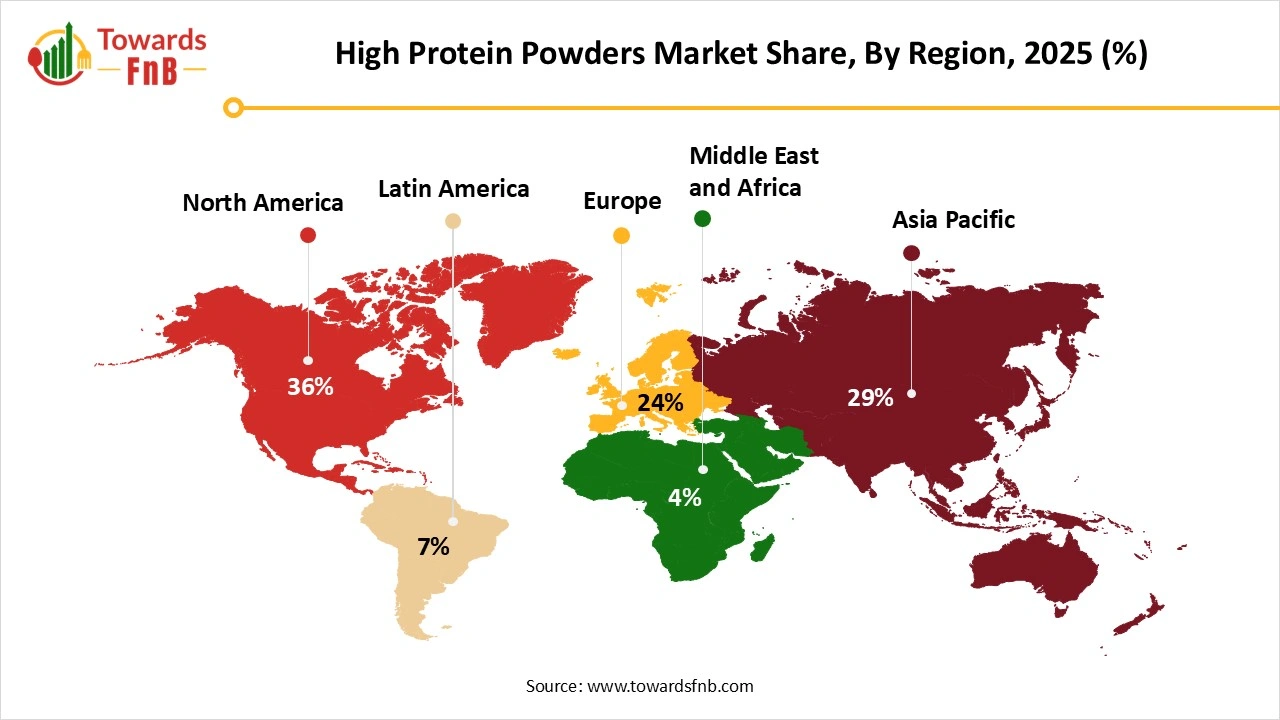
While TSA sets U.S. standards, most major destinations follow identical 350 mL powder thresholds. Canada, the UK, Australia, and EU countries all require separate screening for oversized containers. The critical difference? Some countries like Japan or Saudi Arabia may restrict specific protein types (e.g., collagen). Always check your destination’s customs website 72 hours before departure using search terms like “[Country] protein powder import rules.”
Customs Declaration Myths Debunked
Protein powder rarely requires formal declaration, but these exceptions apply:
– Commercial quantities (5+ pounds) may need business documentation
– Medicated supplements containing prescription ingredients require prescriptions
– Restricted countries like Singapore require pre-approval for all supplements
For standard personal use (under 5 pounds), simply state “dietary protein supplement” if questioned. Keep your receipt visible—it shows legitimate purchase quantity.
Language Barrier Solutions That Work
Download a free translation app like Google Translate before departure. When security asks about your powder:
1. Open the app’s camera mode
2. Point it at your container’s label
3. Tap the microphone icon and say “This is protein powder for fitness”
4. Show the translated phrase to the officer
This avoids dangerous misunderstandings, especially in countries where “protein” sounds like restricted substances. For high-risk destinations, print a simple card stating “Food supplement – not medicine” in the local language.
Critical Mistakes That Get Protein Powder Confiscated

Dangerous Repackaging Errors
Never transport protein powder in unlabeled containers resembling illicit substances. Officers regularly confiscate powders in:
– Brown paper bags
– Unmarked glass jars
– Prescription pill bottles
– Coffee canisters
Instead, always retain the original branding or use quart-sized bags with bold “PROTEIN” labeling. If your container exceeds 12 ounces, write “12+ OZ – PROTEIN SUPPLEMENT” on a visible sticker.
Temperature and Humidity Traps
Extreme conditions ruin protein quality during travel:
– Checked baggage holds can exceed 120°F (49°C) on summer flights
– Tropical destinations cause powders to clump within hours
– Airplane cabins have 10-20% humidity (ideal for moisture absorption)
Prevent spoilage by:
– Wrapping containers in silica gel-packed socks
– Storing powders in hotel safes (coolest room spot)
– Avoiding bathroom storage near showers
– Using vacuum-sealed portions for trips over 5 days
The 3-Step Screening Success Plan
Follow this exact sequence when approaching security:
1. Before the conveyor belt: Remove all powder containers from your bag
2. At the bin station: Place oversized containers (>12oz) in a separate bin; keep smaller ones visible in your main bin
3. During screening: Keep your receipt ready and verbally confirm “This is protein powder” if asked
This method reduces screening time by 60% compared to frantic last-minute searches. For frequent travelers, arrive 25 minutes earlier when carrying large containers—this buffer prevents missed flights during secondary screening.
Traveling with protein powder becomes effortless when you work with TSA protocols instead of against them. Remember: containers over 12 ounces always require separate screening, original packaging speeds verification, and checked baggage eliminates all size concerns. Pack smart portions, label everything clearly, and keep your receipt handy. These simple actions transform security from a stress point into a non-event. Now grab that tub confidently—your gains are officially travel-approved. Safe flights and consistent nutrition await.