
Nothing ruins a dream vacation faster than food poisoning—especially when it’s typhoid fever, a potentially life-threatening illness caused by Salmonella Typhi bacteria. If you’re planning travel to regions with poor sanitation, the typhoid vaccine for travel isn’t just recommended—it’s your frontline defense against spending your trip in a foreign hospital. With millions affected annually in endemic areas, understanding your vaccination options before departure could mean the difference between adventure and adversity.
Whether you’re backpacking through Southeast Asia’s street markets or volunteering in rural communities, contaminated food and water lurk around every corner. The good news? Modern typhoid vaccines provide substantial protection when timed correctly. This guide cuts through the confusion to deliver precisely what you need to know about getting properly vaccinated before your next international journey.
Why You Need the Typhoid Vaccine Before Southeast Asia Trips
Traveling to high-risk destinations without typhoid vaccination puts you in the crosshairs of a serious bacterial infection. Typhoid spreads through the fecal-oral route, meaning even cautious travelers can get infected through contaminated water used to wash fruits or vegetables. The consequences range from weeks of high fever and abdominal pain to life-threatening complications like intestinal perforation.
Critical Risk Factors for Travelers
Your typhoid risk skyrockets when visiting South Asia, particularly India, Pakistan, and Bangladesh, where incidence rates remain stubbornly high. Street food lovers face elevated danger, but even upscale restaurants can’t guarantee safety in endemic regions. Longer stays and rural exploration multiply your exposure risk, making vaccination non-negotiable regardless of your accommodation standards.
When Vaccination Becomes Mandatory
Saudi Arabia requires typhoid vaccination documentation for Hajj and Umrah pilgrims, with border officials checking certificates upon entry. During disease outbreaks, certain African nations may suddenly implement similar requirements. Waiting until the last minute could strand you at the airport—proof must often be documented on the International Certificate of Vaccination (yellow card) with specific timing requirements.
Injectable vs. Oral Typhoid Vaccine: Which Travelers Should Choose
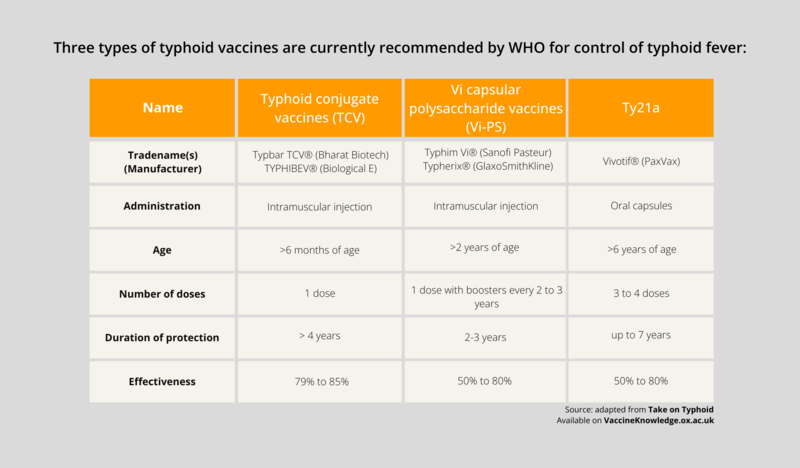
Selecting the right typhoid vaccine depends on your itinerary, health status, and personal preferences. Both options provide solid protection but differ significantly in administration and duration.
Vi CPS Injection: Best for Immunocompromised Travelers
The injectable typhoid vaccine (Vi CPS) delivers single-dose protection through an upper arm injection. Protection kicks in 2-3 weeks post-vaccination, making timing crucial for last-minute travelers. This option suits immunocompromised individuals since it contains no live bacteria, unlike the oral alternative. Children over age 2 qualify for this vaccine, with identical dosing to adults.
Pro Tip: Schedule your injection 4-6 weeks before departure to ensure full immunity by travel date. The shot provides reliable coverage for approximately 2 years—ideal for occasional travelers to endemic regions.
Ty21a Oral Vaccine: Longest Protection for Frequent Flyers
The oral typhoid vaccine requires swallowing four enteric-coated capsules taken every other day over one week. This live attenuated formula stimulates immunity through your digestive tract—the same pathway typhoid bacteria use to infect you. Protection lasts 5+ years for most healthy travelers, making it cost-effective for frequent visitors to high-risk destinations.
Critical Warning: Never take antibiotics within 72 hours of starting the oral vaccine series—they’ll destroy the live bacteria before immunity develops. Immunocompromised travelers and pregnant women should avoid this option entirely due to theoretical infection risks.
Typhoid Vaccine Timing: Avoid These Critical Mistakes
Improper vaccination timing leaves travelers dangerously unprotected during critical exposure periods. Many travelers mistakenly believe getting vaccinated the week of departure provides immediate immunity—a potentially fatal assumption.
Minimum Protection Window You Must Respect
Both vaccines require lead time: the injectable needs 2 weeks minimum before travel for antibodies to develop, while the oral version demands completion one week prior plus two additional weeks for full protection. Booking your appointment too late means traveling partially or completely unprotected during your highest-risk exposure period.
Last-Minute Traveler Solutions
If your trip is less than 14 days away, the injectable vaccine remains your best option—it offers some protection within days, though not optimal immunity. Contact travel clinics immediately; some offer emergency appointments for imminent departures. Never skip vaccination entirely hoping to “be careful with food”—even cautious travelers get infected through unexpected exposure routes.
Typhoid Vaccine Side Effects: What to Expect by Type
Understanding potential reactions prevents unnecessary panic and helps you distinguish normal side effects from dangerous symptoms requiring medical attention.
Injection Site Reactions: Normal vs. Concerning
Approximately 25% of travelers experience mild soreness at the injection site, typically resolving within 48 hours. Low-grade fever and muscle aches affect 5-10% of recipients—manageable with over-the-counter pain relief. Seek immediate medical care only if you develop difficulty breathing, facial swelling, or hives within minutes of vaccination (signs of severe allergic reaction).
Oral Vaccine Tolerance: Stomach Upset Management
The oral typhoid vaccine rarely causes significant side effects, but some travelers report mild nausea or stomach discomfort. Taking capsules with cool water (not warm or hot liquids) on an empty stomach improves tolerance. If vomiting occurs within 5 minutes of swallowing a capsule, take another dose; if vomiting happens later, skip that dose and continue the schedule.
Typhoid Vaccine Cost Breakdown: Save Without Sacrificing Safety
Vaccination costs vary dramatically depending on where you get vaccinated, creating opportunities for smart travelers to save significantly.
Clinic vs. Pharmacy Pricing Strategies
Travel clinics typically charge $75-150 for either vaccine type plus $50-100 consultation fees. County health departments often provide vaccines at substantially lower costs—call ahead to confirm availability. Some pharmacies offer competitive pricing ($50-100) but may lack expertise in travel medicine, potentially missing other necessary vaccines.
Insurance and Reimbursement Options
Most standard insurance plans exclude travel vaccines, but check if your policy includes preventive care benefits. Flexible spending accounts (FSA) and health savings accounts (HSA) almost always cover vaccination costs—submit receipts for reimbursement. University alumni associations sometimes provide discounted travel clinic access worth investigating.
Typhoid Vaccine Protection Duration: When to Schedule Boosters
Knowing how long your protection lasts prevents dangerous gaps in immunity during future trips.
Injectable Vaccine Expiration Timeline
The Vi CPS injection protects for approximately 2 years, with effectiveness gradually declining after 18 months. Plan revaccination if returning to high-risk areas beyond this window. Keep documentation of your original vaccination date—border officials may require proof during subsequent trips to countries with entry requirements.
Oral Vaccine Longevity for Frequent Travelers
The Ty21a oral vaccine provides 5+ years of protection for most healthy adults, making it ideal for digital nomads and frequent travelers. However, immunocompromised individuals and travelers over 65 may experience reduced duration—consult your provider about earlier booster schedules. Each booster follows the same administration protocol as the initial series.
Pediatric Typhoid Vaccination: Safe Options for Young Travelers

Protecting children requires different considerations than adult vaccination protocols.
Age-Appropriate Vaccine Selection
Children aged 2-6 qualify only for the injectable vaccine—oral capsules aren’t approved for this age group. The dosing remains identical to adults regardless of weight or size. Plan vaccination 3-4 weeks before travel to monitor for any reactions before departure.
Family Travel Clinic Preparation
Bring your child’s complete immunization record to the travel clinic appointment. Inform providers about recent illnesses—even mild colds may delay vaccination. Pack familiar snacks to calm nerves post-vaccination, and consider scheduling appointments earlier in the day when children are most cooperative.
Beyond Vaccination: Essential Typhoid Prevention Strategies
Vaccines provide crucial protection but aren’t 100% effective—combine them with behavioral safeguards for maximum defense.
Street Food Safety Hierarchy
Prioritize vendors with high customer turnover where food cooks continuously. Avoid raw salads and unpeeled fruits—you never know what water was used for washing. Choose beverages you open yourself, and never accept ice in drinks unless made from purified water. Remember the traveler’s mantra: “Boil it, cook it, peel it, or forget it.”
Water Purification Protocol for Remote Travel
Carry two complementary purification methods: a portable filter for particulates plus chemical treatment (chlorine dioxide tablets) to kill bacteria. Boil water vigorously for 1 minute (3 minutes above 6,500 feet elevation). When in doubt, opt for sealed bottled beverages and verify the seal is intact before opening.
Final Pre-Departure Checklist for Typhoid Protection
Complete these critical steps 4-6 weeks before travel to ensure comprehensive protection.
Documentation Verification
Confirm your vaccination certificate follows International Certificate of Vaccination (yellow card) standards. Verify entry requirements for all destinations—some countries require vaccination 10+ days before arrival. Carry original documents with your passport, not just digital copies.
Emergency Preparedness
Identify quality medical facilities at your destination before departure. Purchase travel insurance covering medical evacuation—typhoid complications may require specialized care unavailable locally. Pack a water purification system and antibiotic treatment prescribed by your travel clinic for emergency self-treatment if symptoms develop.
Key Takeaway: The typhoid vaccine for travel provides essential protection, but its effectiveness depends on proper timing, correct administration, and complementary food/water precautions. Start your vaccination process 4-6 weeks before departure, choose the right vaccine for your health profile, and maintain vigilant hygiene practices throughout your journey—your adventure deserves protection from preventable illness.