
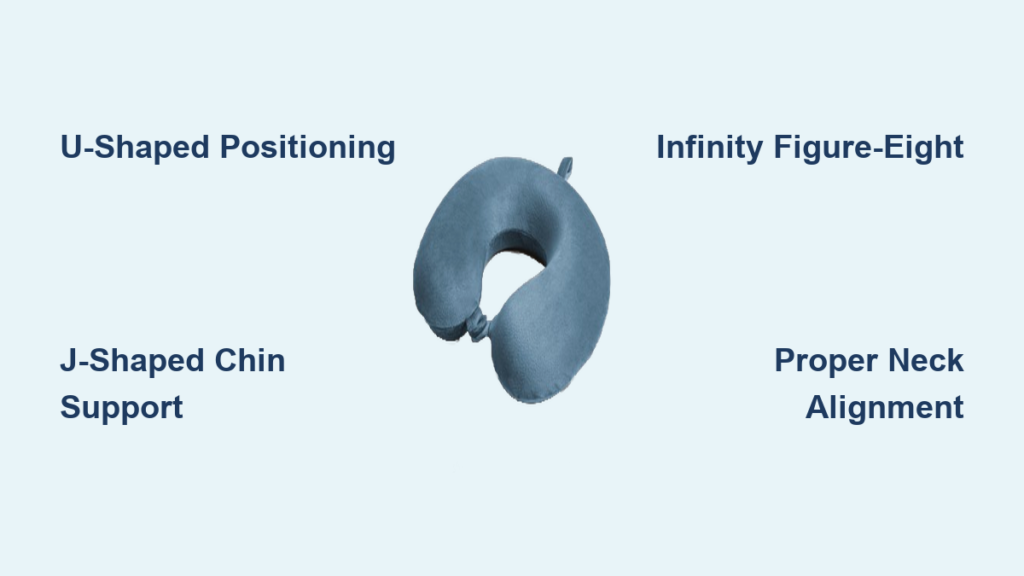
You’ve packed your suitcase, downloaded movies for the flight, and even brought snacks—but nothing prepares you for that awful neck crick when you wake up mid-flight with your head lolling to the side. The truth is, most travelers own a travel pillow but use it completely wrong, turning what should be a comfort essential into an awkward accessory that does more harm than good. Learning how to use a travel pillow properly could be the difference between arriving refreshed or spending your vacation nursing a stiff neck.
This guide reveals the exact positioning techniques, pillow types, and environment-specific adjustments that transform your travel pillow from a space-waster to your most valuable travel companion. Whether you’re on a cross-country bus ride or a 14-hour international flight, these evidence-based methods ensure you’ll actually get restful sleep during transit.
Choose Your Perfect Travel Pillow Type
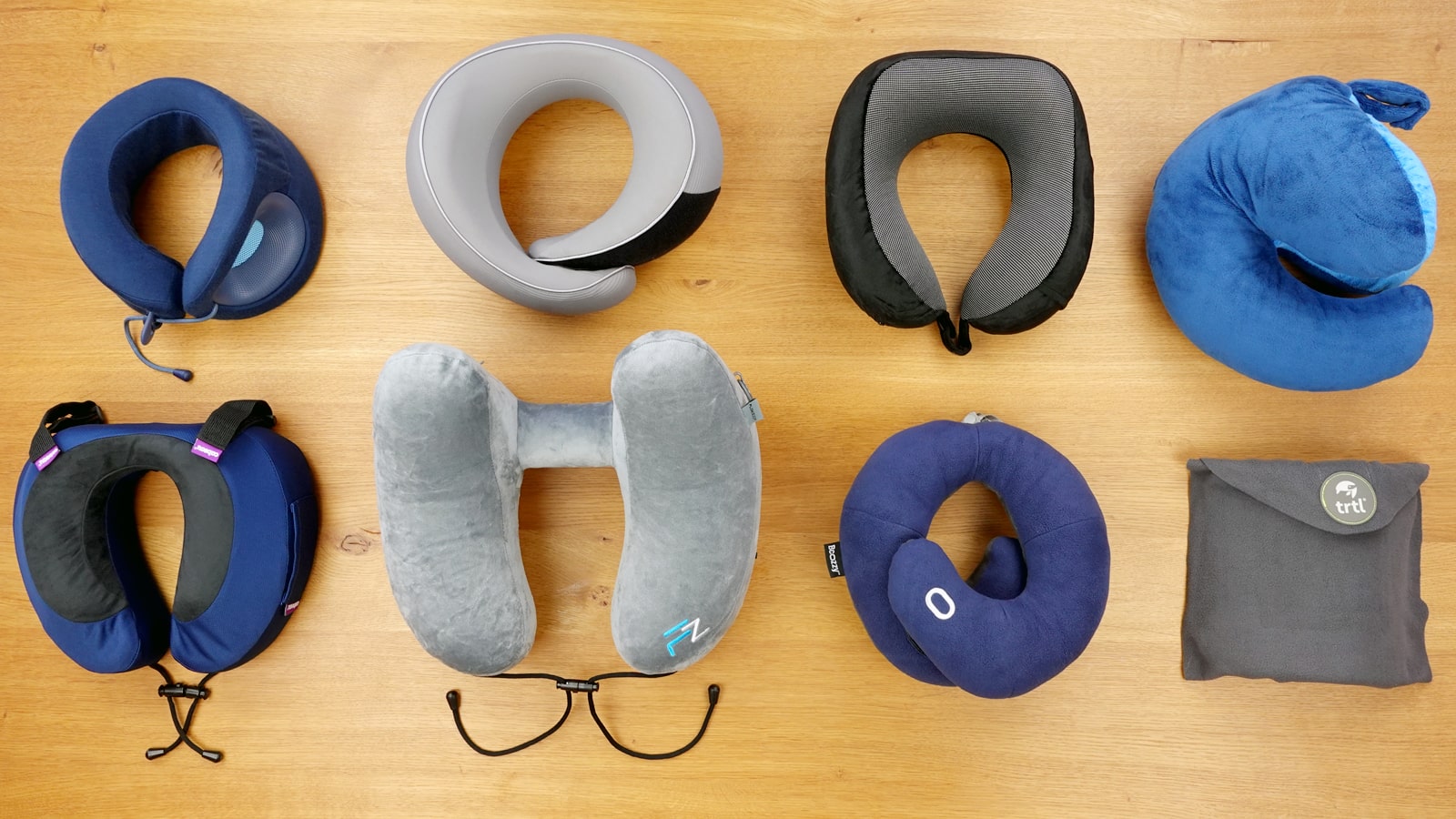
U-Shaped Neck Pillows: Classic Done Right
The standard U-shaped pillow remains popular for good reason—when positioned correctly, it prevents your head from dropping backward or sideways during sleep. Memory foam versions mold to your neck contours, while microbead options offer lightweight flexibility. Look for flat-back designs that prevent the dreaded head-push-forward effect that leaves you more uncomfortable than when you started.
Critical positioning tip: Your pillow should fill the space between your shoulder and jaw without forcing your chin toward your chest. If you find yourself looking down at your feet while wearing it, the pillow is too thick for your neck length.
Wrap-Around Infinity Designs: 360-Degree Support
Infinity pillows transform like magic—from neck support to lumbar cushion to window-leaning aid. These continuous loops adapt to virtually any sleeping position, making them ideal for travelers who shift frequently. The microfiber fill reduces heat buildup, crucial for those stuffy cabin environments where traditional memory foam might leave you sweating.
Pro tip: When leaning against a window, twist the infinity pillow into a figure-eight configuration—the double loop creates a stable cradle that prevents your head from bouncing during turbulence.
J-Shaped Chin Support: Stop Head Bobbing
J-shaped pillows feature an extended front section that cradles your chin, eliminating the embarrassing head-bob that wakes you (and your seatmate) every few minutes. The adjustable chin strap ensures gentle support without restricting breathing—perfect for deep sleepers on turbulent flights.
Warning: If you feel pressure on your windpipe or difficulty swallowing, loosen the strap immediately. Proper chin support should feel like a gentle guide, not a restraint.
Inflatable Options: Packability Champions
Inflatable pillows deflate to the size of a soda can, making them unbeatable for minimalist travelers. Adjust firmness by adding or releasing air, but test for slow leaks before your trip. The trade-off? PVC materials can feel clammy against skin, especially in humid conditions.
Smart hack: Partially inflate your pillow before boarding—this creates the perfect medium firmness that won’t compress too much under your head’s weight during the flight.
Prepare Your Pillow Before Departure
24-Hour Expansion Rule
Unpack memory foam pillows at least 24 hours before traveling. These materials need time to regain their full shape after compression. Test inflation mechanisms on inflatable models—there’s nothing worse than discovering a broken valve at 30,000 feet.
Common mistake: Skipping this step leads to inadequate support during your first few hours of travel when you’re most likely to fall asleep. Always let memory foam pillows fully expand before your journey.
Hygiene Setup Made Simple
Wash removable covers before first use, then pack a spare pillowcase for longer journeys. A light spritz of fabric refresher keeps things pleasant between washes. Pro tip: slip a few drops of lavender oil onto the cover for natural relaxation during stressful travel days.
Critical reminder: Never share your travel pillow with others—studies show these items can harbor bacteria for weeks. Use a personal pillow even if your travel companion forgets theirs.
Master Proper Positioning Techniques
U-Shaped Pillow Optimization
Place the pillow around your neck with the opening facing forward, ensuring the bottom curve rests on your shoulders—not floating above them. Your ears should align with the pillow’s mid-section for balanced support. Recline your seat slightly to let the seatback support the pillow’s base, creating a stable foundation.
Quick adjustment trick: Rotate the pillow 180 degrees (opening at the back) for chest support when leaning forward during meal service. This unexpected configuration prevents neck strain while eating.
Infinity Pillow Magic
Create a double-loop for standard 360-degree neck support, or twist into a figure-eight for simultaneous lumbar and cervical support. Single long loops work brilliantly for window-leaning positions—just wrap once around your neck and extend the remaining length against the window surface.
Troubleshooting: If your head still falls forward despite proper positioning, add a small rolled-up sweater against your chest to create a secondary support point.
J-Shaped Chin Support Setup
Position the longer arm under your chin, adjusting the strap until you feel gentle, consistent support. Test by deliberately bobbing your head—the pillow should catch you without feeling restrictive. This design particularly shines in bulkhead seats where recline is limited.
Time-saving tip: Practice this positioning at home while watching TV—you’ll perfect your adjustment technique before ever boarding a plane.
Adapt to Your Environment

Aircraft-Specific Positioning
Economy class demands compact positioning—avoid bulky designs that intrude on your neighbor’s space. Business class travelers can leverage enhanced recline angles for deeper support. Bulkhead seats lack seat-back pockets, so secure your pillow with carabiners or stuff it in your personal item.
Turbulence protocol: During rough air, position your pillow to prevent whiplash-like movements. The infinity design excels here—twist into a cervical collar configuration for maximum stability.
Car and Train Variations
Car headrests often interfere with U-shaped designs—opt for rectangular pillows wedged between your head and the window instead. Train vibrations require more stable positioning; memory foam provides better shock absorption than microbeads on bumpy tracks.
Pro insight: In vehicles without headrests (like some buses), position your travel pillow vertically against the window for optimal side support.
Solve Common Discomfort Issues

When Your Head Still Falls Forward
Switch to a J-shaped chin support design immediately. Alternatively, increase your seat’s recline angle and add a small rectangular pillow against your chest for additional support. Some travelers swear by wearing the pillow backwards—try both orientations to discover your preference.
Quick fix: Place your hands behind your head with elbows out—this creates temporary support while you adjust your pillow.
Overheating Solutions
Memory foam traps heat—choose mesh-sided designs or switch to microbead fills for better airflow. Apply cooling gel packs (the kind used for headaches) to pulse points on your neck. Silk or moisture-wicking covers prevent the dreaded sweaty neck syndrome.
Warning: Never use ice packs directly against skin—they can cause frostbite during extended sleep. Always wrap cold items in a thin cloth.
Persistent Neck Pain
Check your pillow thickness against your neck length—petite travelers often struggle with oversized pillows. Verify spinal alignment by having someone photograph you from the side while seated. The pillow should fill the gap between your shoulder and head without pushing your neck forward.
Expert note: If pain persists after proper positioning, consider a medical evaluation—what feels like pillow discomfort could indicate underlying cervical issues.
Maintenance for Longevity
Memory Foam Care Protocol
Spot clean only using mild detergent and air dry completely. Never submerge memory foam—it deteriorates rapidly when saturated. Rotate between two pillows on long trips to maintain loft. Store uncompressed when possible; constant squishing permanently flattens the fill.
Critical mistake: Putting memory foam pillows in the dryer—high heat damages the cellular structure, reducing support capabilities.
Inflatable Pillow Maintenance
Always deflate completely after use and wipe the interior with a dry cloth to prevent moisture buildup. Check valve integrity monthly—a slow leak discovered mid-flight is travel misery defined. Store with slight inflation to maintain material flexibility.
Pro tip: Carry a small piece of duct tape in your travel kit—it can temporarily patch minor punctures until you reach your destination.
Purchase Decision Framework
Size Your Pillow Correctly
Measure your neck circumference and typical seat width before purchasing. Petite travelers need slimmer profiles; broad-shouldered individuals require thicker fills. Consider your primary travel style—frequent flyers benefit from premium memory foam, while occasional travelers succeed with budget-friendly inflatables.
Smart strategy: Perform a living room test—sit in a straight-back chair and simulate your travel position for 20 minutes. The right pillow feels supportive immediately, not after you’ve “broken it in.”
Test Before You Travel
Reputable brands offer 30-day return policies—use them aggressively to find your perfect match. Evaluate multiple designs for different travel scenarios: one for short flights, another for overnight journeys.
Final warning: Never buy a travel pillow solely based on compactness—it’s a false economy if it doesn’t provide proper support. Your neck health is worth the extra inch in your carry-on.
Your Next Flight Starts Now
Master these techniques before your next journey. Practice positioning at home, test different configurations, and identify your personal comfort preferences. The difference between arriving refreshed versus wrecked often comes down to a properly used $30 travel pillow—one of travel’s best investments for comfort and health.
Remember: the best travel pillow is the one you’ll actually use correctly. Start with these fundamentals, then refine based on your unique needs and travel patterns. With these evidence-based methods, you’ll transform how to use a travel pillow from an afterthought into your most valuable travel companion.