
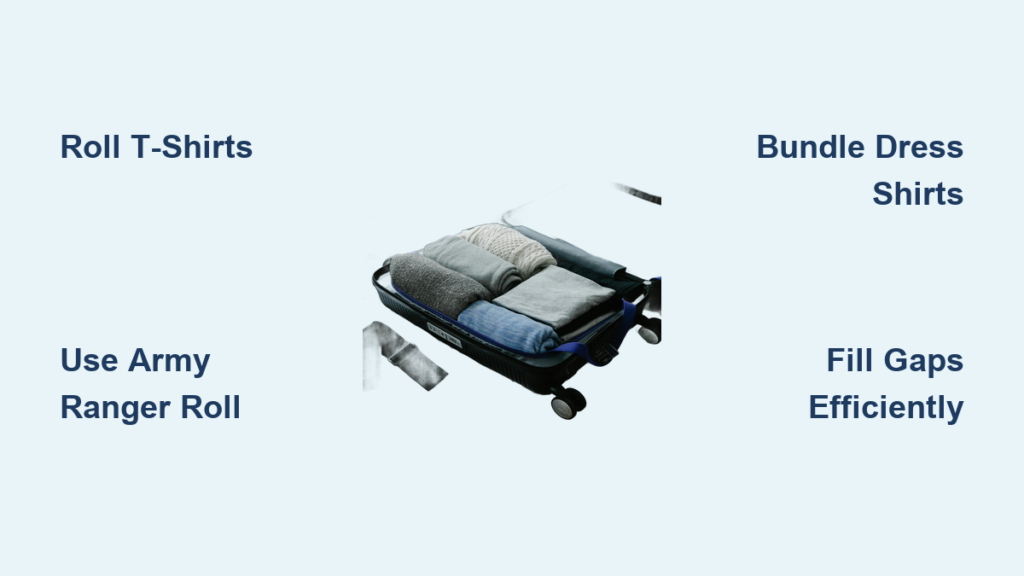
Packing for your next trip shouldn’t feel like solving a complex puzzle. Most travelers waste nearly a third of their luggage space with outdated folding methods, leaving them stressed and scrambling at the last minute. Rolling clothes transforms chaotic packing into organized efficiency—saving valuable space, reducing wrinkles, and making every item instantly visible. This guide reveals exactly how to roll clothes for travel like a seasoned traveler, whether you’re packing for a weekend getaway or month-long adventure. You’ll discover proven techniques that maximize your suitcase capacity while keeping your wardrobe ready to wear upon arrival.
Why Rolling Beats Folding Every Time
Rolling clothes creates compact cylinders that fit together like puzzle pieces in your luggage. Unlike folding, which creates rigid stacks prone to shifting, rolled garments mold to available space while maintaining their shape. The technique originated with military personnel who needed maximum efficiency in minimal packs—proof that this method works under the most demanding conditions.
Most travelers see immediate improvements: 20-30% more space in their luggage, 60% fewer wrinkles, and the ability to locate any item without unpacking everything. The key lies in matching rolling tension to fabric type and choosing the right technique for each garment. When you learn how to roll clothes for travel properly, you’ll never go back to traditional folding methods.
Essential Rolling Techniques That Actually Work
Basic Roll Method for Beginners
Start with a clean, flat surface and lay your garment face-down. Smooth away wrinkles with your hands, working systematically from center to edges. Fold sleeves or excess fabric inward to create a rectangular shape. Begin rolling from the top (collar for shirts, waistband for pants), maintaining steady pressure with both hands. The finished roll should feel firm but not stretched.
Pro tip: Roll on a bed or carpeted surface to prevent garments from sliding while you work. This simple technique takes less than 20 seconds per item and forms the foundation for more advanced rolling methods.
Army Ranger Roll for Maximum Compression
This military technique creates bulletproof rolls that never unravel. Begin by turning up the bottom 2-3 inches of your garment to form a cuff. Fold sides inward to create a neat rectangle, then roll tightly from the opposite end. The final step involves pulling the cuff over the entire roll—like a built-in elastic band that locks everything in place.
This method excels for t-shirts, underwear, and casual pants. The cuff technique adds an extra 15% compression while preventing the roll from loosening during transit. When you master how to roll clothes for travel using the Ranger method, you’ll maximize your packing efficiency.
Bundle Wrapping for Wrinkle-Free Dress Clothes
Dress shirts and blouses need special treatment to stay crisp. Lay the shirt face-down, buttoned completely. Extend sleeves horizontally across the back, forming an “X” pattern. Fold the shirt in half vertically, then roll from the bottom hem toward the collar. The key is keeping the roll loose enough to prevent creasing but tight enough to maintain shape.
For maximum protection, roll dress shirts around a core item like underwear or socks. This creates a protective buffer that prevents sharp creases during travel.
Garment-by-Garment Rolling Instructions

T-Shirts and Casual Tops
Lay the shirt face-down and smooth completely. Fold each sleeve back toward the center, creating a clean rectangle. Starting at the collar, roll downward using steady pressure. For longer shirts, fold the bottom third up before rolling to create a more compact cylinder.
Common mistake: Rolling too tightly stretches cotton fibers, creating permanent wrinkles. Aim for firm but gentle tension—this is crucial when you want to know how to roll clothes for travel without damaging your favorite items.
Jeans and Casual Pants
Close zippers and buttons, then fold pants vertically with one leg over the other. Flatten the crotch area by folding it inward—this creates a straight edge for cleaner rolling. Roll from the waistband down, using extra pressure for denim’s thickness. The finished roll should be uniform from top to bottom.
For dress pants, use the Ranger Roll technique to prevent creases along the front crease line. This specialized approach is essential when you need to look professional right after travel.
Underwear and Socks
Fold underwear in half horizontally, then roll from the waistband down. For socks, pair them by placing one inside the other, then roll from the toes up. These small rolls become perfect gap-fillers between larger items. Roll belts and place them along luggage edges to create structure while utilizing otherwise wasted space.
Advanced Space-Saving Strategies
Compression Rolling System
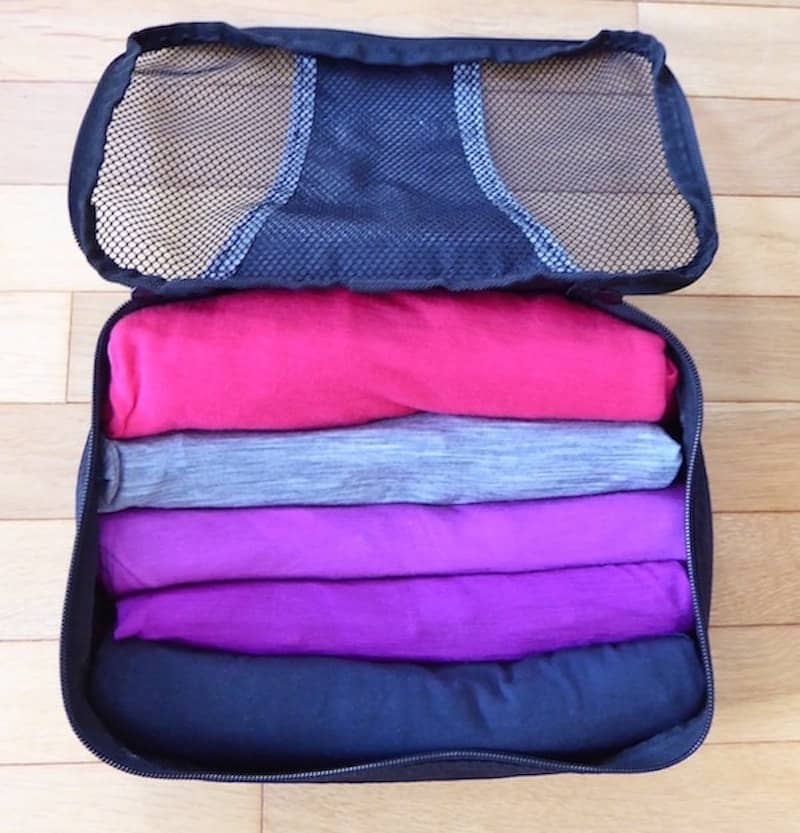
After mastering basic rolling, add rubber bands or hair ties for extra compression. Roll normally, then secure with a band around the center. This technique reduces volume by 20-30% but may increase wrinkling for delicate fabrics. Save this method for casual wear and synthetic fabrics that resist wrinkling.
Packing Cube Integration
Combine rolling with packing cubes for ultimate organization. Roll garments and stand them vertically in cubes, creating a filing system where you can see every item at once. This method maintains organization throughout extended trips and makes repacking effortless. When you learn how to roll clothes for travel with packing cubes, you’ll transform your packing experience.
Prevent Wrinkles Like a Pro
Pre-Roll Fabric Prep
Never roll wrinkled clothes—the wrinkles become permanent. Iron or steam garments before rolling, ensuring they’re completely dry. For delicate fabrics, place tissue paper between folds before rolling. A light spritz of wrinkle-release spray adds extra protection.
Fabric-Specific Tension Guidelines
- Cotton and linen: Roll firmly without stretching
- Synthetics: Tight rolling works well, minimal wrinkling
- Silk and wool: Loose rolling only, use tissue paper protection
- Denim: Extra pressure needed, but expect some creasing
Maximize Every Inch of Luggage Space
Gap-Filling Mastery
Transform dead space into storage gold by inserting rolled socks, underwear, and accessories between larger rolls. Roll belts and place them along luggage edges. Stuff shoes with rolled socks and small items—every cavity becomes usable space.
Weight Distribution Strategy
Place heavier rolls near luggage wheels for stability. Distribute weight evenly to prevent tipping. Remember: denim rolls weigh significantly more than cotton t-shirt rolls. Plan placement based on both space and weight considerations.
Specialized Travel Scenarios
Carry-On Optimization
Create uniform roll sizes that fit airline size restrictions precisely. Use the “3-2-1” formula for carry-ons: three t-shirts, two pants, one dress shirt creates versatile outfit options. Roll clothes directly into personal items like laptop bags for bonus storage. This approach is perfect when you need to know how to roll clothes for travel in limited space.
Backpack Packing Techniques
Adapt rolls for cylindrical backpack compartments by creating smaller, more flexible rolls. Use the “core method”: roll clothes around central items like shoes or toiletry bags. This creates structure while utilizing the backpack’s natural shape. Place frequently needed items in external pockets.
Troubleshooting Common Rolling Problems
Fixing Loose Rolls
If rolls consistently unravel, reassess your technique. Use the cuff method for natural tension—fold the bottom edge inside-out before rolling. For slippery fabrics, add rubber bands or compression straps. Always ensure garments are completely flat before starting.
Eliminating Excessive Wrinkles
Over-tight rolling creates permanent creases, while loose rolling allows shifting wrinkles. Find the sweet spot for each fabric type. For wrinkle-prone items, use the fold-and-roll method: fold once, then roll loosely to reduce sharp creases.
Essential Tools and Accessories
Must-Have Rolling Aids
- Rubber bands or hair ties for compression
- Packing cubes for organization
- Compression bags for 50% volume reduction
- Travel-size steamer for arrival refresh
- Tissue paper for delicate fabrics
DIY Rolling Solutions
Empty paper towel tubes work as rolling forms for dress shirts. Plastic shopping bags separate items and reduce friction. Shower caps protect rolls in humid climates. Create uniform roll sizes using a cutting board as a rolling guide.
Measure Your Packing Success
Quantifiable Benefits
Rolling saves 20-30% space compared to folding. Compression rolling increases savings to 40-50%. A standard carry-on accommodates 10-12 rolled t-shirts, 4-5 jeans, and 3-4 dress shirts—25-35% more capacity than folding methods.
Wrinkle Reduction Results
Proper rolling reduces wrinkles by 60% for casual wear. Delicate fabrics see 40% improvement, while sturdy fabrics like denim show 70% fewer wrinkles. The key factor is maintaining appropriate rolling tension for each fabric type.
Seasonal Adaptations for Rolling
Warm Weather Strategies
Lightweight fabrics roll into tiny cylinders—use tighter rolling for maximum space savings. Roll swimwear inside beach towels for coordinated packing. Linen requires looser rolling to prevent deep creasing, while cotton can handle firm compression.
Cold Weather Modifications
Bulky sweaters may not roll effectively—use them as outer layers or wear during transit instead. Roll thermal underwear and base layers tightly for space efficiency. Try the “Russian doll” method: roll smaller items inside larger rolled pieces.
Master these techniques once, and you’ll never pack the same way again. Start with basic rolling for your next trip, then gradually incorporate advanced methods as you gain confidence. Remember: the best rolling technique is the one you’ll actually use consistently. Practice with items you don’t mind wrinkling first, then move to your favorite pieces. Your perfectly organized, space-maximized luggage awaits.