
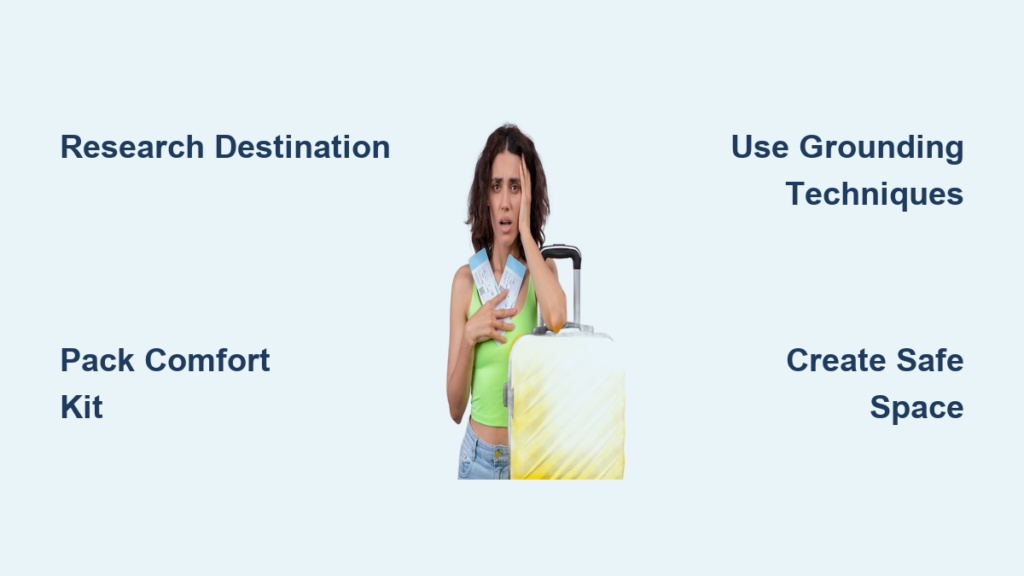
Your heart races as the departure date approaches. Packing feels overwhelming, every “what if” scenario plays on repeat, and you wonder if canceling the trip would be easier. You’re not alone—travel anxiety affects millions, from first-time travelers to seasoned globetrotters. The good news? You can transform travel from a source of dread into an adventure you actually enjoy.
This comprehensive guide delivers proven, actionable travel anxiety tips that address every phase of your journey. From pre-trip preparation to real-time coping techniques, you’ll discover practical solutions that fit your specific triggers and travel style. These strategies work because they target the root causes of travel anxiety rather than just treating symptoms.
Pre-Trip Planning Eliminates 80% of Anxiety
Research Your Destination Like a Pro
Knowledge destroys fear. Spend two hours researching your destination using official tourism sites, recent TripAdvisor reviews, and local news sources. Create a simple daily itinerary with backup activities for each day. Download offline maps that work without WiFi—Google Maps and Maps.me both offer this feature.
Map your routes from accommodation to key destinations. Identify the nearest pharmacy, hospital, and grocery store within 10 minutes of your hotel. Save these locations as starred places in your maps app. This preparation eliminates the panic of “what if I get sick” or “where will I buy water.” Pro tip: Watch YouTube videos of your destination’s transportation system to mentally rehearse navigating it.
Create Bulletproof Backup Systems
Anxiety thrives on uncertainty. Create digital and physical copies of your passport, visa, travel insurance, and prescriptions. Store copies in three places: cloud storage, email attachments, and a separate physical location from originals. This takes 30 minutes but prevents days of stress if documents disappear.
Prepare a laminated emergency contact card listing your embassy, emergency contacts, and hotel address in both English and the local language. Keep this in your wallet and take a photo as your phone lock screen. When anxiety spikes, you’ll have instant access to help. Critical mistake to avoid: Never check copies of important documents—keep them exclusively in your carry-on.
Smart Packing Reduces Transit Stress
Build Your Comfort Kit in 15 Minutes
Pack a small pouch with anxiety-fighting essentials. Include noise-canceling earbuds, a lavender essential oil roller, a family photo, and your favorite tea bags. Add a soft scarf that doubles as a blanket during flights. These familiar items create instant calm when surroundings feel foreign.
Download entertainment before leaving home. Create offline playlists, download Netflix shows, and save Kindle books. Nothing spikes anxiety like spotty WiFi when you need distraction. Pack a portable charger—dead devices amplify stress. Expert note: Include a small vial of peppermint oil—inhaling it reduces nausea and provides a familiar sensory anchor within 60 seconds.
Use Color-Coded Organization Systems
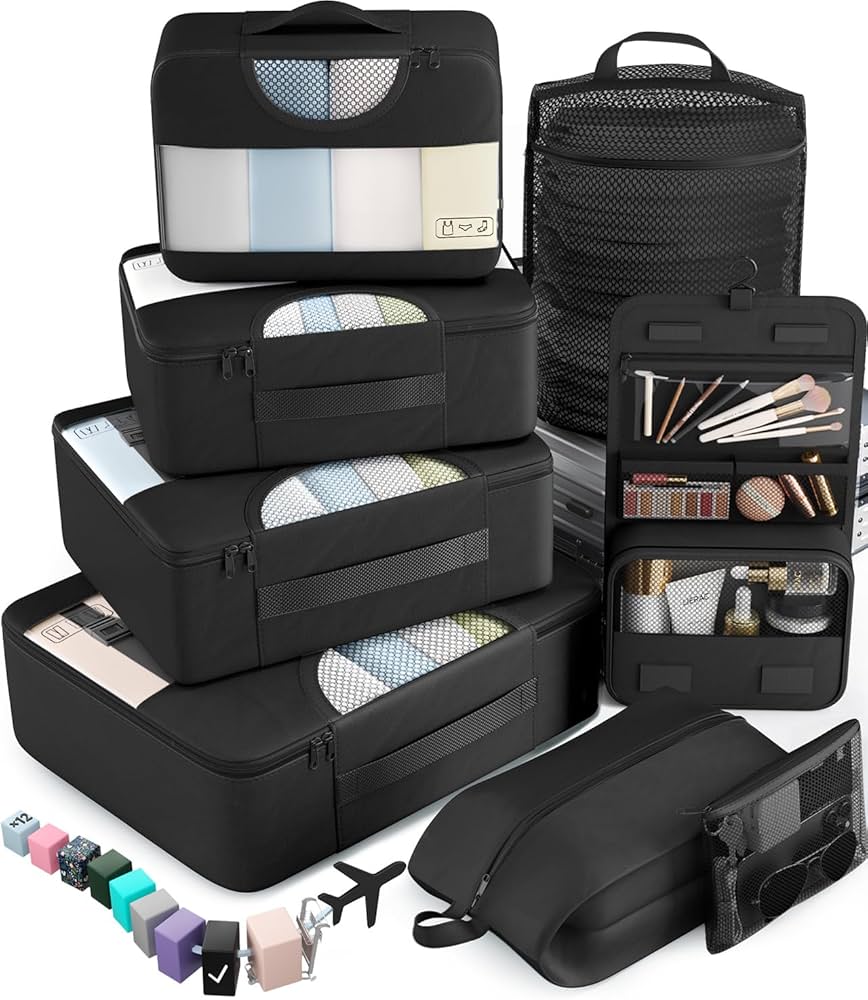
Packing cubes eliminate the “where is my…” panic. Use red cubes for medications and important documents, blue for clothes, green for electronics. Label each cube with contents using masking tape and a marker. This system lets you find items in 30 seconds without emptying your entire bag.
Position anxiety medications and comfort items in the top of your carry-on or personal item. Never check these essentials. Create a “grab and go” day bag with water bottle, snacks, phone charger, and photocopies of documents. This prevents frantic searching during connections. Visual cue: When unpacking at your destination, immediately place your comfort kit where you’ll see it first thing in the morning.
Transportation Anxiety Solutions
Air Travel Made Manageable
Check in online 24 hours before departure and select your seat strategically. Aisle seats provide bathroom access without disturbing others—crucial for anxiety-induced nausea. Window seats offer visual distraction during turbulence. Arrive 2-3 hours early to eliminate time pressure, a major anxiety trigger.
Practice the 4-7-8 breathing technique: inhale for 4, hold for 7, exhale for 8. Use this during takeoff, landing, and turbulence. Download the Calm app for guided meditations that work offline. Inform flight attendants you’re nervous—they’re trained to help and will check on you. Warning: Avoid caffeine and alcohol before flying, as they can intensify anxiety symptoms.
Ground Transportation Confidence
For trains and buses, reserve seats in advance when possible. Forward-facing seats reduce motion sickness. Download the station map before arrival—knowing where to find bathrooms and food eliminates arrival panic. Set phone reminders to text a friend at each major stop.
When driving in foreign countries, download offline maps in both GPS and printable formats. Research parking at your destination—many cities have apps that show real-time availability. Set your phone to share location with a trusted contact during longer drives. Pro tip: Identify rest stops every 90 minutes on long drives to maintain blood sugar stability and prevent anxiety spikes.
Real-Time Anxiety Interventions That Work

Emergency Coping Techniques
The 5-4-3-2-1 grounding technique stops panic attacks fast. Identify 5 things you see, 4 things you can touch, 3 things you hear, 2 things you smell, 1 thing you taste. This sensory focus pulls your brain from “what if” to “what is.”
Carry instant cold packs in your day bag. Applying cold to your wrists or neck activates the dive response, slowing your heart rate within 60 seconds. Keep a small vial of peppermint oil—inhaling the scent reduces nausea and provides a familiar sensory anchor. Expert note: Practice these techniques at home before traveling so they feel familiar when anxiety strikes.
Cognitive Restructuring on the Go
Write down your worst-case scenarios, then rate their actual probability from 1-10. Research shows 90% of travel fears never materialize. For each fear, write the realistic outcome. “What if I get lost?” becomes “I’ll use Google Maps or ask for directions—people are generally helpful.”
Create a “worry script” on your phone. When anxious thoughts spiral, read through your pre-written responses: “I’ve handled challenges before,” “Help is always available,” “This feeling is temporary.” These reality-based reminders combat catastrophic thinking. Critical mistake to avoid: Don’t try to eliminate all anxiety—aim to manage it to a functional level.
Accommodation Setup for Immediate Calm

Create Your Safe Space in 10 Minutes
Upon arrival, immediately unpack—even if staying one night. Unfamiliar rooms trigger anxiety; familiar items create comfort. Place family photos on the nightstand, arrange toiletries in the bathroom, hang up clothes. These simple acts signal “I’m home” to your anxious brain.
Identify emergency exits and test locks immediately. Note the nearest pharmacy and grocery store using your pre-downloaded offline map. Set up a charging station for all devices. Unpack your comfort kit and place medications on the nightstand for easy access. Visual cue: Turn on all lights in your accommodation to create a welcoming atmosphere that reduces disorientation.
Establish Familiar Routines
Maintain your home sleep schedule as much as possible. Bring your regular pillowcase—familiar scents reduce nighttime anxiety. Create a morning routine that mirrors home: same breakfast, same order of activities. These anchors prevent the disorientation that fuels anxiety.
Designate a “quiet zone” in your accommodation. This might be the balcony, a comfortable chair, or even the bathroom. When overwhelmed, retreat to this space for 10 minutes of deep breathing or meditation. Having a planned escape reduces the fear of being trapped. Pro tip: Set a phone alarm for your regular wake-up time to maintain circadian rhythm despite time zone changes.
Build Long-Term Travel Confidence
Progressive Exposure Training
Start with weekend trips to nearby cities before tackling international travel. Each successful trip builds your “anxiety immunity.” Document what worked in a travel journal—review these wins before future trips. Create a “travel confidence scale” rating anxiety levels from 1-10 for different situations, then gradually increase complexity.
Join local meetup groups for travelers with anxiety. Sharing experiences and strategies with others who understand your challenges provides both support and practical tips. Many groups organize day trips, providing low-stress practice for longer journeys. Expert note: Celebrate small victories—navigating a single subway line is worth acknowledging.
Post-Trip Integration
After each trip, spend 30 minutes documenting three specific successes. “I navigated the Tokyo subway alone,” “I ordered food in French,” “I handled a flight delay calmly.” These concrete achievements counter the brain’s tendency to remember only anxious moments.
Create a “travel wins” photo album on your phone. Include pictures of places you conquered despite anxiety—this serves as visual proof of your capability when pre-trip nerves strike. Share one positive experience weekly on social media to reinforce travel as a source of joy, not just stress. Critical mistake to avoid: Don’t skip the reflection phase—this is where long-term confidence develops.
Travel anxiety doesn’t disappear overnight, but each trip expands your comfort zone. Start with one strategy from this guide—perhaps researching your destination thoroughly or packing a comfort kit. Master that technique, then add another. Within months, you’ll transform from an anxious traveler into someone who sees each journey as an opportunity for growth rather than a source of dread.
Remember: the goal isn’t eliminating all anxiety, but developing confidence in your ability to handle whatever arises. You’ve already taken the first step by seeking solutions. Your next adventure awaits, and you’re more prepared than you realize.