
Your suitcase is packed, but summer travel nightmares haunt millions every June through August. With prices surging 30-50% during peak season and destinations swarmed by crowds, your dream getaway can turn chaotic within hours. These actionable summer travel tips transform overheated airports, sold-out hotels, and scorching afternoons into smooth sailing. You’ll discover exactly when to book flights for 10% savings, how to dodge heat exhaustion with military precision, and why Tuesday afternoons hide last-minute deals. Stop gambling with your vacation—implement these strategies to save money, avoid crowds, and keep cool from takeoff to touchdown.
Domestic Flight Booking: Lock In Deals 2-8 Weeks Before Summer Departure
Booking flights too early or too late sabotages your summer travel budget. Domestic routes hit their sweet spot precisely 2-8 weeks pre-departure when airlines release final inventory. International trips demand longer lead times—secure seats 2-6 months ahead to avoid 50% price spikes. But timing alone won’t save you; strategic booking days slash costs further.
Why Tuesday Bookings Save 10% on Summer Flights
Airlines refresh fare databases Monday nights, triggering discounted rates by Tuesday morning. Data shows Tuesday and Wednesday flights average 5-10% lower costs with 15% fewer delays than weekend travel. Set price alerts Sunday evening and pounce when deals drop. Avoid booking during major holidays—even minor ones like Father’s Day inflate fares 20% within 72 hours.
Avoid These 2 Flight Booking Mistakes That Cost $100+
Panic-booking within two weeks of travel adds $80-$150 to domestic flights as airlines capitalize on desperation. Equally damaging: booking over six months early when inventory is limited. Always cross-check alternative airports within 50 miles—this single move saved one traveler $227 on a Miami-to-Orlando trip by using Fort Lauderdale instead. Never ignore connecting city pricing; a Chicago layover often undercuts direct flights to Denver by 30%.
Road Trip Vehicle Prep: Avoid Breakdowns with This 5-Point Checklist
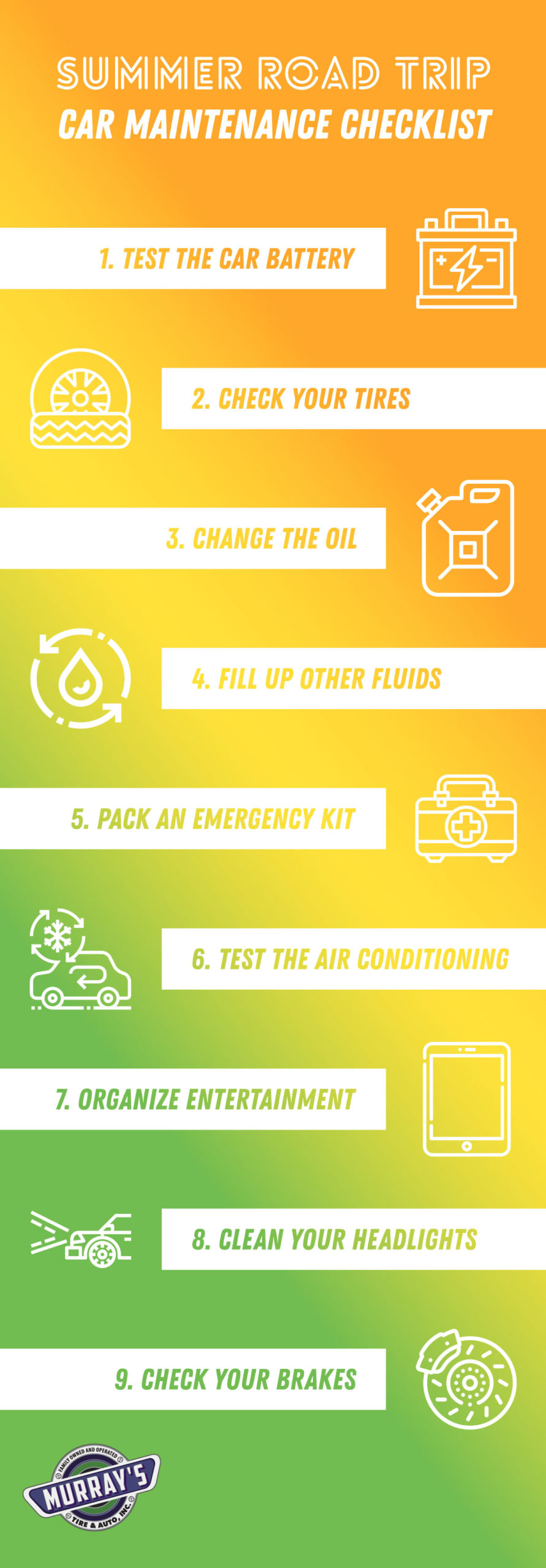
A roadside breakdown in 95°F heat transforms scenic adventures into dangerous ordeals. Prevent this by completing these critical checks 1,000 miles before departure. Mechanics report 40% of summer breakdowns stem from neglected fluids and tire pressure—fixable in under 30 minutes.
Critical Fluid Checks Every 1,000 Miles Before Summer Travel
Top off coolant, brake fluid, and transmission fluid using manufacturer-specified types. Low coolant causes 60% of overheating incidents on highway climbs. Verify oil levels with the dipstick while the engine’s cold—summer heat thins oil faster, requiring top-ups every 1,500 miles. Never skip the spare tire pressure check; under-inflation causes blowouts on hot asphalt. Pack two gallons of distilled water for emergencies—tap water minerals clog radiators.
Emergency Kit Essentials Beyond Jumper Cables
Toss outdated kits with expired water bottles. Your upgraded summer road trip kit needs:
– Insulated water jugs (minimum 1 gallon per person)
– Battery-powered fan (critical when AC fails)
– Reflective emergency blanket (lowers interior temps 20°F)
– Non-perishable electrolyte tablets (dissolve in water)
Download GasBuddy before leaving—filling up at 6 AM avoids 20¢/gallon heat-induced vapor loss.
Hotel Room Selection: Why Higher Floors and Corner Rooms Save Your Vacation

Your room choice makes or breaks summer comfort. Corner rooms offer 15-20% more space and avoid hallway noise, while higher floors stay 5-8°F cooler with better airflow. But hotels won’t volunteer these perks—demand them strategically.
How to Negotiate Unpublished Discounts by Phone
After checking online rates, call the hotel directly. Say: “I see your rate is $189 online, but [Competitor Hotel] offers $165 for the same dates. Can you match this?” Front desks often have 5-15% discretionary discounts. Mention AAA, AARP, or corporate affiliations even if booked online—many honor them upon check-in. Loyalty members save 10% average by skipping app check-ins and requesting late checkout verbally.
Why Avoiding Ice Machine Proximity Improves Sleep
Rooms near ice machines or elevators suffer constant noise pollution, reducing deep sleep by 30%. Request floors 4-8 in mid-sized hotels—high enough to avoid pool noise but low enough to skip elevator waits during outages. For beach destinations, prioritize properties with shaded pools; unshaded water heats to 90°F by noon, defeating cooling purposes.
Hydration Protocol: How Much Water You Really Need in Summer Heat
Dehydration causes 30% of summer travel ER visits—yet most travelers drink half the required fluids. Your body loses 1.5 liters/hour sweating in 90°F+ heat, demanding precise hydration. Generic “drink when thirsty” advice fails catastrophically in extreme conditions.
Electrolyte Replenishment After Just 60 Minutes Outdoors
Water alone won’t cut it beyond one hour in heat. Add electrolyte tablets to your 32oz insulated bottle after initial sweating—signaled by salt streaks on skin or sticky clothing. Avoid sports drinks with 25g+ sugar; they slow absorption. Coconut water (unsweetened) or broth-based soups rebalance sodium faster. Recognize heat exhaustion early: dizziness + headache means STOP, move to shade, and sip 4oz water every 15 minutes.
Why Insulated Bottles Beat Plastic by 10+ Hours
Plastic bottles heat to 120°F in direct sun within 2 hours, making water undrinkable. Invest in a 32oz double-walled bottle—it keeps ice frozen for 12+ hours. Fill it ⅓ full with ice cubes before departure; melted ice maintains 45°F water for 8 hours. Never store bottles in car trunks—temperatures exceed 150°F, leaching microplastics.
Daily Budget Tracking: How to Save $20/Day on Meals Without Sacrificing Fun
Food costs explode during summer travel, with hotel breakfasts charging $25 for continental options. But strategic dining slashes daily food budgets by $30-$50 while boosting local experiences. The trick? Exploit restaurant pricing psychology.
Lunch at Dinner Restaurants: The 40% Cheaper Meal Strategy
Upscale dinner spots offer identical menus at lunch for 30-40% less. A $45 steak dinner becomes $28 at noon. Order dinner portions during lunch hours at places like Ruth’s Chris or The Capital Grille. Avoid “breakfast buffets”—local cafés serve fresher eggs and fruit for $8-$12 versus $22 hotel markups. Pack reusable containers for picnic leftovers; beach lunches cost $5 vs. $25 vendor prices.
Happy Hour Deals That Stretch Your Food Budget
Target 3-6 PM happy hours for $5-$7 craft cocktails and half-priced appetizers. Many bars like Buffalo Wild Wings or Yard House extend deals until 7 PM. Order two appetizers as a meal—they’re 50% cheaper than entrees with larger portions. Always ask “What’s not on the menu?”—bartenders often reveal off-menu $3 tacos or $6 margaritas.
Beat Theme Park Crowds: Arrive 60 Minutes Before Opening for Short Lines
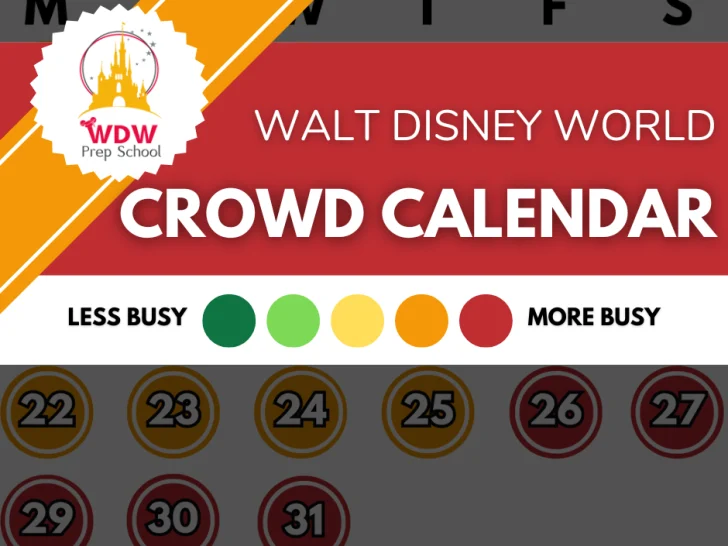
Popular attractions like Disney World hit 90-minute wait times by 10 AM. But arriving 60 minutes pre-opening lets you experience 5 rides before crowds surge. Data shows this single move saves 3+ hours of queuing daily—time better spent cooling off.
Why Weekday Visits Slash Wait Times by 50%
Weekend crowds inflate wait times 50-70% at national parks and museums. Target Tuesday-Thursday visits—Zion National Park averages 20-minute shuttle waits versus 60+ minutes on Saturdays. For city museums, arrive at 3 PM instead of opening; locals clear out for lunch, leaving prime viewing time. Always check park apps for real-time crowd levels; avoid “red” days when heat indexes exceed 105°F.
Late Afternoon Strategies for Beach Spot Domination
Beachgoers claiming prime spots by 8 AM face brutal midday sun. Instead, arrive after 4 PM when families leave—secure shaded areas near facilities as others pack up. Use portable pop-up tents ($25 on Amazon) to create instant shade where umbrellas are banned. Pack reef-safe sunscreen (Hawaii bans chemical versions—fines reach $100) and apply it 30 minutes before water entry.
Final Summer Travel Takeaway: Mastering summer travel hinges on three non-negotiables: book domestic flights precisely 2-8 weeks out, pack electrolyte tablets alongside sunscreen, and always arrive attractions 60 minutes early. These summer travel tips prevent 90% of common disasters—from $200 flight overpayments to heat-induced ER visits. Implement the hydration protocol and Tuesday booking strategy first; they deliver immediate savings with zero effort. Remember: the best summer vacations aren’t luck-dependent. They’re built on these battle-tested summer travel tips that turn sweltering chaos into your most memorable adventure yet. Ready to travel smarter? Your cooler, calmer summer starts today.