
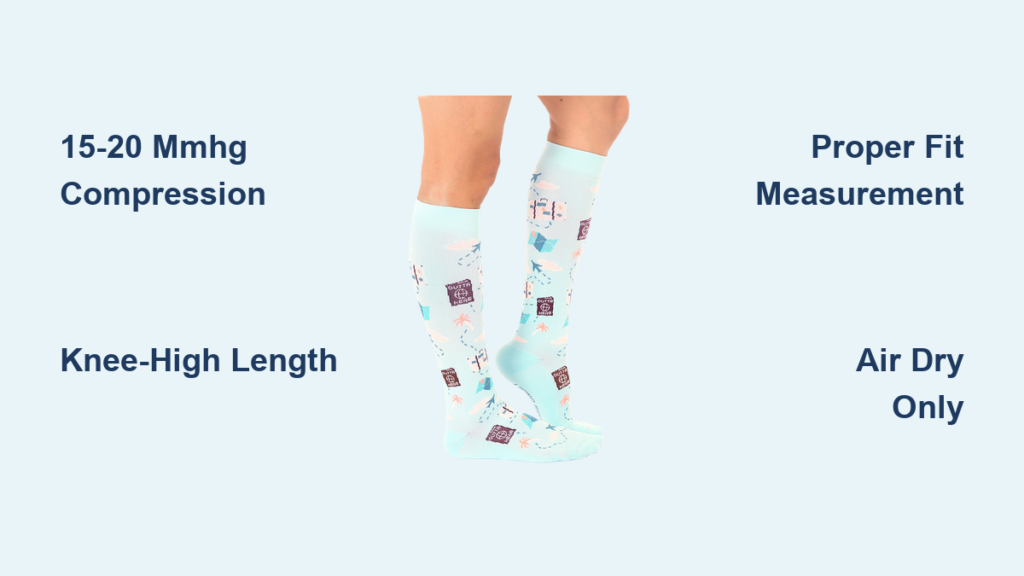
Your legs feel heavy, your ankles look puffy, and that uncomfortable tightness in your calves won’t go away after your last long flight. You’re not alone—millions of travelers experience these symptoms each year due to poor circulation during extended sitting. Travel circulation socks provide the scientifically backed solution to this common travel woe, using graduated compression technology to keep blood flowing properly while you’re stuck in that middle seat. These specialized socks have transformed from medical necessity to essential travel accessory, helping you arrive at your destination feeling refreshed rather than drained.
Unlike regular socks that simply cover your feet, travel circulation socks apply precise pressure that’s strongest at your ankles and gradually decreases as it moves up your leg. This strategic compression works with your body’s natural circulatory system to prevent blood from pooling in your lower extremities—a major cause of discomfort, swelling, and even serious conditions like deep vein thrombosis during long journeys. Whether you’re a business traveler hopping between time zones or planning your dream vacation, understanding how to select and use these socks properly makes all the difference in your travel experience.
This guide cuts through the marketing hype to give you exactly what you need to know about travel circulation socks—no fluff, just actionable information backed by circulatory science. You’ll learn how compression actually works, which mmHg level is right for your travel style, how to ensure perfect fit, and when to replace your socks for maximum effectiveness. By the end, you’ll have the knowledge to choose socks that keep your legs comfortable and healthy, no matter how many hours you spend sitting.
Why Your Legs Swell During Long Flights (and How Compression Socks Fix It)

When you sit motionless for hours on a plane, train, or in your car, your calf muscles stop performing their natural “pump” action that helps return blood to your heart. This inactivity allows blood to pool in your lower legs due to gravity, causing that familiar swelling, heaviness, and discomfort many travelers experience. The confined space of airplane cabins exacerbates this problem, as your legs remain bent and immobile for extended periods without the opportunity to stretch and activate circulation.
The Science Behind Graduated Compression
Travel circulation socks solve this problem through graduated compression technology, which applies measured pressure measured in millimeters of mercury (mmHg). The socks exert the strongest pressure at your ankles—typically 15-20 mmHg for travel purposes—and gradually decrease pressure as they move up your calf. This precise pressure gradient mimics your body’s natural circulatory system, actively helping push blood back toward your heart against gravity’s pull.
Key visual cue: When properly fitted, your travel circulation socks should feel noticeably tighter at the ankle than at the calf, but never uncomfortably tight anywhere. If the pressure feels uniform from ankle to calf, you likely have non-graduated compression that won’t deliver the circulatory benefits you need for travel.
Warning Signs You Need Compression Support
Certain symptoms during or after travel indicate your circulation needs support. Pay attention if you notice:
– Visible swelling in your ankles or calves that wasn’t present before travel
– Persistent tightness or heaviness in your legs lasting more than a few hours after landing
– Unusual warmth or redness in one leg (seek medical attention immediately)
– Tingling or numbness in your feet during extended sitting
Pro tip: If you’re over 40, pregnant, obese, or take hormonal medications, you’re at higher risk for travel-related circulatory issues and should strongly consider wearing travel circulation socks even on moderately long trips.
Medium vs. Firm Compression: Choosing the Right mmHg for Your Travel Needs
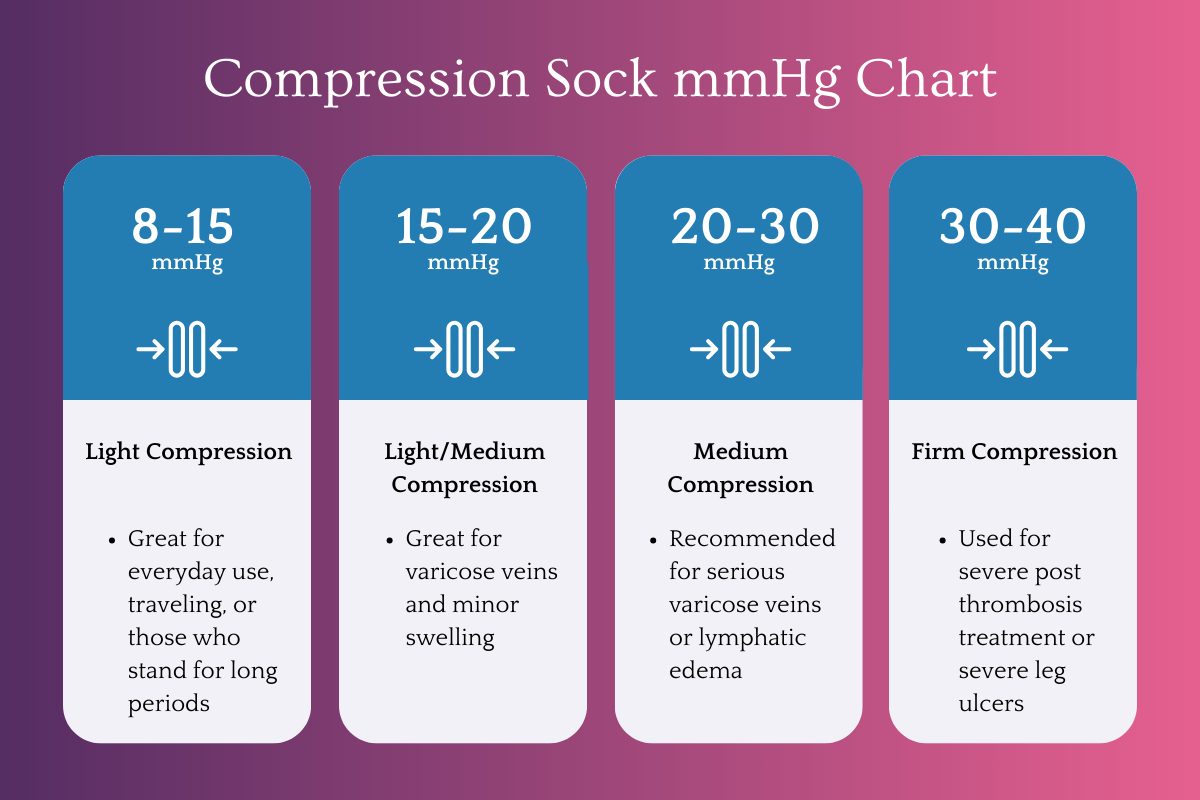
The compression level you choose directly impacts both comfort and effectiveness of your travel circulation socks. Understanding the difference between medium (15-20 mmHg) and firm (20-30 mmHg) compression helps you select the right option for your specific travel circumstances without compromising comfort.
Why 15-20 mmHg Is the Travel Gold Standard
For most healthy travelers, medium compression at 15-20 mmHg provides the optimal balance of circulatory support and all-day comfort. This compression level has been clinically proven to significantly reduce swelling and discomfort during flights longer than 4 hours—the exact threshold where circulatory problems typically begin. The gentle pressure feels supportive rather than restrictive, allowing you to wear these socks comfortably from boarding through baggage claim without adjustment.
Critical mistake to avoid: Don’t assume stronger compression is always better. Many travelers mistakenly choose firm compression socks (20-30 mmHg) thinking they’ll get “more benefit,” only to find them uncomfortably tight during long journeys. Unless you’ve been specifically advised by a healthcare provider to use firm compression, medium compression delivers superior travel comfort with equally effective circulatory support.
When Firm Compression Makes Sense for Travelers
Firm compression socks (20-30 mmHg) serve specific traveler needs that justify the tighter fit. These include travelers with a history of significant swelling during flights, those who’ve previously experienced superficial clotting issues, or athletes using compression socks for post-travel recovery. Some frequent travelers also prefer firm compression because they’ve developed tolerance to medium levels over time.
Important consideration: Individuals with diabetes, arterial disease, or peripheral neuropathy should consult their physician before using firm compression socks. The higher pressure can potentially restrict arterial blood flow in certain medical conditions, counteracting the very benefits you’re seeking.
Perfect Fit Checklist: Measuring for Travel Circulation Socks That Actually Work
Ill-fitting travel circulation socks are worse than no socks at all—they can actually restrict circulation rather than support it. Proper fit ensures consistent compression delivery throughout your journey without uncomfortable tight spots or annoying slippage.
Women’s Sizing Made Simple
Women’s travel circulation socks come in three standard size categories based on shoe size:
– Small: Fits US women’s shoe sizes 4-7.5
– Medium: Accommodates US women’s shoe sizes 8-10.5
– Large: Designed for US women’s shoe sizes 11-13
Pro measurement tip: For best results, measure your ankle circumference at its narrowest point first thing in the morning before any swelling occurs. If you fall between sizes, opt for the smaller size—compression socks should feel snug but never painful when properly fitted.
Why Knee-High Height Delivers Maximum Benefits
Knee-high travel circulation socks represent the optimal height for travel because they provide complete coverage of your lower leg where circulation problems originate. Unlike shorter crew socks that only cover your ankle, knee-highs maintain the critical graduated compression gradient from foot through calf to just below the knee—exactly where it’s needed to combat travel-related swelling.
Visual indicator: Quality knee-high travel socks feature a non-binding top band that stays securely in place without digging into your skin. If your socks consistently roll down during travel, they’re either the wrong size or poor quality—both compromise compression effectiveness.
Cotton vs. Merino Wool: Material Showdown for Maximum Travel Comfort

The material of your travel circulation socks significantly impacts comfort, temperature regulation, and overall travel experience. Understanding the strengths of each material helps you select socks that perform optimally in your specific travel conditions.
Cotton Blend Benefits for Everyday Travel
Cotton blend travel circulation socks combine natural comfort with technical performance. The soft cotton feel against your skin makes these socks ideal for travelers with sensitive skin or those who dislike the “technical” feel of pure synthetic materials. Despite containing natural fibers, quality cotton blends incorporate synthetic elements that maintain compression integrity and provide essential moisture-wicking properties.
Key advantage: Cotton blend socks offer the most versatile performance across varying cabin temperatures. They breathe well in warm conditions but still provide adequate warmth when airplane cabins get overly chilled—without the bulk of heavier materials.
Merino Wool’s Secret Weapon for Climate Control
Merino wool blend travel circulation socks excel where temperature fluctuations are expected. Unlike traditional wool, merino fibers are incredibly fine and soft against the skin, providing natural temperature regulation that keeps feet comfortable in both warm and cool environments. The fibers wick moisture away from your skin while simultaneously providing insulation, preventing that clammy feeling common with synthetic materials.
Traveler’s secret: Merino wool naturally resists odor buildup, making these socks particularly valuable for multi-day trips where you might need to wear the same pair consecutively. This antimicrobial property keeps your feet feeling fresher longer compared to cotton or synthetic alternatives.
How to Extend Your Socks’ Lifespan Through Proper Care
Travel circulation socks represent a meaningful investment in your travel comfort, and proper care ensures you get maximum value from each pair. Following these maintenance guidelines preserves compression effectiveness through dozens of flights.
Washing Protocol for Compression Longevity
Hand washing your travel circulation socks in cool water with mild detergent preserves elasticity far better than machine washing. If machine washing is necessary, use the gentle cycle in cold water with a mesh laundry bag. Never use bleach or fabric softeners—these degrade the elastic fibers that deliver compression.
Critical drying mistake: High-heat drying is the #1 cause of premature compression sock failure. Always air dry your socks away from direct sunlight—lay them flat or hang them to maintain their shape and compression properties. Heat from dryers permanently damages the elastic fibers, reducing effectiveness within just a few cycles.
Replacement Timeline You Can’t Ignore
Even with perfect care, travel circulation socks lose compression effectiveness after approximately 3-6 months of regular use. Signs your socks need replacing include:
– Visible thinning or holes in high-stress areas
– Top band that no longer stays securely in place
– Noticeable decrease in compression strength
– Socks that slip down constantly despite proper sizing
Smart strategy: Maintain a rotation of 3-4 pairs so each pair gets adequate rest between wears. This extends the effective lifespan of your entire sock collection while ensuring you always have fresh, fully functional compression socks ready for your next trip.
Smart Shopping Strategies for Frequent Flyers
Purchasing travel circulation socks wisely saves both money and travel discomfort in the long run. Understanding packaging options and timing your purchases strategically maximizes value.
Multi-Pack Savings That Add Up
Frequent travelers save significantly by purchasing multi-packs rather than individual pairs. A 6-pack typically offers 10-15% savings per pair compared to buying singles, which translates to meaningful savings over time. More importantly, having multiple identical pairs simplifies packing and ensures consistent compression performance across your collection.
Budget tip: Look for “build-your-own” pack options that let you mix colors or materials while still receiving bulk pricing. This flexibility lets you customize your travel sock wardrobe without sacrificing cost efficiency.
Color Selection for Practical Travel
While solid black and navy offer the most versatility, don’t overlook lighter colors like oyster blue or mint foam for summer travel—they reflect rather than absorb heat in warm climates. For business travelers, neutral tones like harbor grey and rose neutral mix provide professional appearance while delivering circulatory benefits.
Style hack: Choose socks with subtle patterns or tonal variations—they effectively hide minor scuffs and discoloration that inevitably occur with frequent travel use, keeping your sock collection looking fresh longer.
Travel circulation socks transform long journeys from endurance tests into comfortable experiences when selected and used properly. By choosing the right compression level (15-20 mmHg for most travelers), ensuring perfect fit through proper sizing, selecting appropriate materials for your travel conditions, and maintaining your socks through proper care, you’ll arrive at your destination feeling refreshed rather than drained. Remember that these aren’t just comfort accessories—they’re practical health tools that help prevent serious circulatory issues during extended travel. Invest in quality pairs, replace them when compression effectiveness diminishes, and make them as essential to your travel routine as your passport and boarding pass. Your legs will thank you when you step off the plane ready to explore rather than searching for a place to sit down.