
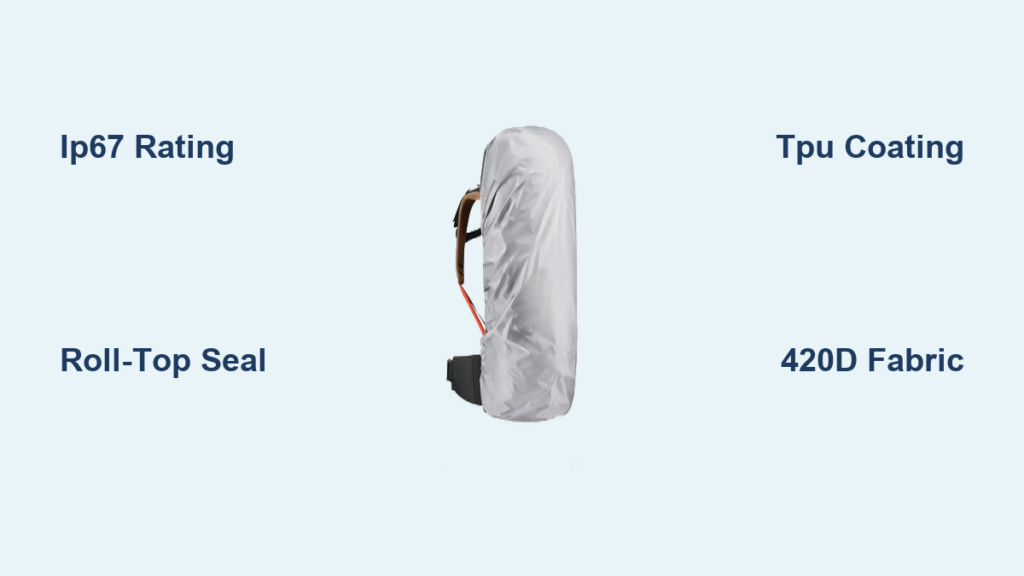
Rain-soaked electronics, ruined documents, and damp clothing can derail even the most meticulously planned trip. When your backpack fails against the elements, you’re left scrambling to protect essentials with plastic bags and crossed fingers—hardly the stress-free travel experience you envisioned. Finding the best waterproof backpack for travel means securing your gear against sudden downpours, accidental splashes, and even full submersion without compromising on comfort or functionality. This guide cuts through marketing hype to reveal exactly what makes a backpack truly waterproof, which features actually matter for different travel scenarios, and how to select the perfect model that won’t leave you stranded when weather turns.
How to Spot Real Waterproofing vs Marketing Hype
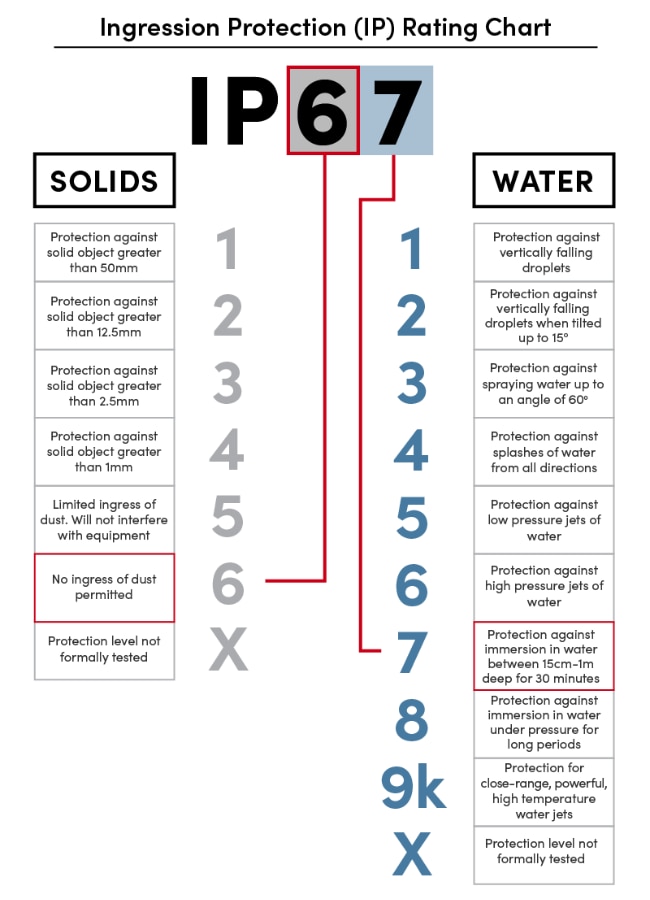
Water-resistant backpacks repel light moisture but fail during sustained rain or accidental drops in puddles. True waterproof models, however, maintain complete protection even when submerged—verified through Ingress Protection (IP) ratings. Look for IP67 certification (surviving 30 minutes underwater at 1 meter depth) or higher, not just vague “waterproof” claims. Hydrostatic head measurements above 10,000mm indicate reliable performance under pressure, while lower ratings like 1,500mm only handle light showers.
Seam construction separates serious waterproof backpacks from pretenders. Stitched seams create microscopic entry points even with waterproof fabric, which is why premium models use hot-air taped or ultrasonically welded seams that eliminate stitch holes entirely. When evaluating options, inspect product images for visible seam tape lines and verify manufacturing details—many budget “waterproof” bags skip this critical step.
Roll-Top vs. Waterproof Zipper: Which Works Better?
Roll-top closures remain the gold standard for guaranteed waterproofing. By folding the top multiple times and securing with clips, they create a continuous seal with no vulnerable entry points. This design also allows the bag to compress around contents, reducing strain on seams during travel. Outdoor enthusiasts and tropical travelers swear by roll-tops for monsoon seasons or river crossings where complete submersion protection is non-negotiable.
Premium waterproof zippers like YKK’s Aquaguard® have narrowed the gap significantly. These feature polyurethane-laminated tapes that seal against water intrusion while offering convenient access. When testing zipper models, run your finger along the track to confirm smooth operation and check that the zipper pull creates an audible “seal” sound when closed. Avoid models with exposed zipper teeth—quality waterproof zippers should be completely covered by fabric flaps.
Material Matters: Don’t Sacrifice Durability for Price

TPU Coating vs. PVC: The Longevity Showdown
Thermoplastic polyurethane (TPU) coatings bonded to nylon or polyester create flexible, abrasion-resistant waterproof barriers that outlast cheaper PVC alternatives. TPU maintains performance across temperature extremes—from freezing mountain trails to humid rainforests—without cracking or peeling. PVC coatings, common in budget models, become brittle over time and develop micro-fractures that compromise waterproofing.
Denier ratings directly impact durability. Lightweight 210D fabrics suit daypacks for fair-weather commuters but won’t survive jungle treks or rough handling. For serious travel, choose 500D-1000D materials that resist abrasion from airline baggage handlers, rocky trails, and crowded markets. The sweet spot for most travelers is 420D TPU-coated nylon—light enough for daily carry yet durable enough for expedition use.
Comfort Features That Make or Break Long Trips
Waterproof construction inherently limits breathability, making smart suspension systems essential. Look for these comfort-critical features:
- Ventilated back panels with 3D mesh and airflow channels to reduce heat buildup
- Adjustable torso length settings that accommodate different body types
- Hip belts with load-lifter straps that transfer 80% of weight to your hips
- Sternum stabilizers that prevent shoulder strap slippage during movement
Before purchasing, load the backpack with 15-20 pounds of weight to test comfort. Quality models distribute weight evenly without pressure points, while poor designs create hot spots on shoulders or hips within minutes.
Size Selection: Avoid the Overpacking Trap
Choosing the right capacity prevents the traveler’s nightmare of either struggling with an overstuffed bag or lugging empty space. Match your selection to actual needs:
- 15-25L: Ideal for carry-on travel and day trips—fits under airline seats and protects laptops up to 15 inches
- 25-35L: The versatile sweet spot for 3-5 day trips with room for clothing, gear, and electronics
- 35-50L: Best for extended adventures needing camping gear or photography equipment (verify airline size limits)
Pro tip: Test packing with your actual gear before buying. Rigid waterproof constructions resist compression, so a bag that looks spacious empty may feel cramped when loaded.
Price vs. Value: Where to Invest Wisely

$75-$150: The Smart Traveler’s Sweet Spot
This mid-range delivers the most value for most travelers. Expect TPU-coated fabrics, quality waterproof zippers, comfortable suspension systems, and thoughtful organization features. Brands like Osprey, Patagonia, and Nomatic dominate this category with options that balance protection, comfort, and durability for frequent travelers.
These models typically include:
– IP67+ waterproof certification
– 420D-500D abrasion-resistant fabric
– 2-5 year warranties
– Laptop compartments with impact protection
$150-$300: Premium Performance Worth Considering
For travelers who rely on their backpack as mission-critical gear, premium models justify higher prices through:
- Military-grade materials (1000D Cordura with TPU)
- Modular attachment systems for gear expansion
- Advanced suspension technology
- Lifetime warranties from brands like Sea to Summit and Earthpack
Photographers and expedition travelers often find the investment worthwhile for specialized features like removable camera cubes and submersion-proof electronics compartments.
Top Picks for Specific Travel Scenarios
Urban Business Travelers: Style Meets Protection
Choose sleek designs in professional colors (black, navy, charcoal) with:
– Quick-access passport/document pockets
– Laptop compartments fitting 17-inch devices
– Discreet rain covers that don’t scream “outdoor gear”
– Sub-35L capacity for overhead bin compliance
Look for models like the Nomatic Travel Bag 20L that maintain professional appearance while offering IPX6 waterproofing.
Adventure Travelers: Maximum Protection Priority
Prioritize these features for tropical treks or mountain expeditions:
– Roll-top closure with dual compression straps
– External attachment points for trekking poles
– Reinforced bottom panels
– Capacity 35L+
– IP68 submersion rating
The Sea to Summit eXomesh Dry Sack Backpack excels here with its ultra-durable construction and complete waterproofing.
Maintenance Secrets for Long-Term Performance
Extend your waterproof backpack’s life with these simple practices:
Clean properly: Use mild soap and lukewarm water—never harsh detergents that degrade coatings. Rinse thoroughly and air dry completely away from direct sunlight.
Restore water repellency: Factory-applied DWR treatments wear off after 6-12 months. Reapply spray-on treatments like Nikwax Tech Wash annually to maintain water-beading performance.
Zipper care: Clean tracks regularly with a soft brush and lubricate with silicone-based products (never wax or oil). Test zippers before trips to avoid mid-journey failures.
Avoiding Common Waterproof Backpack Pitfalls
Waterproof construction involves tradeoffs you should understand before buying:
- Breathability limitations: Expect warmer carrying in hot climates—dress accordingly
- Zipper vulnerability: Even quality waterproof zippers can fail with heavy use
- Capacity miscalculation: Rigid waterproof bags resist compression, so test-packing is essential
The best waterproof backpack for travel balances your specific needs against these realities. Prioritize actual conditions you’ll face—not hypothetical worst-case scenarios—when selecting features and price points.
Making Your Final Decision
Selecting the right waterproof backpack comes down to matching features to your travel reality. Urban commuters need professional aesthetics and laptop protection, while jungle trekkers require submersion-proof construction. Test backpacks with realistic loads, verify IP ratings rather than trusting marketing terms, and invest in quality where it matters most for your use case.
A properly chosen waterproof backpack becomes your most reliable travel companion—transforming stressful weather encounters into minor inconveniences rather than trip-ruining disasters. When you know exactly what to look for, finding the best waterproof backpack for travel means never worrying about your gear again, no matter what the skies bring.