
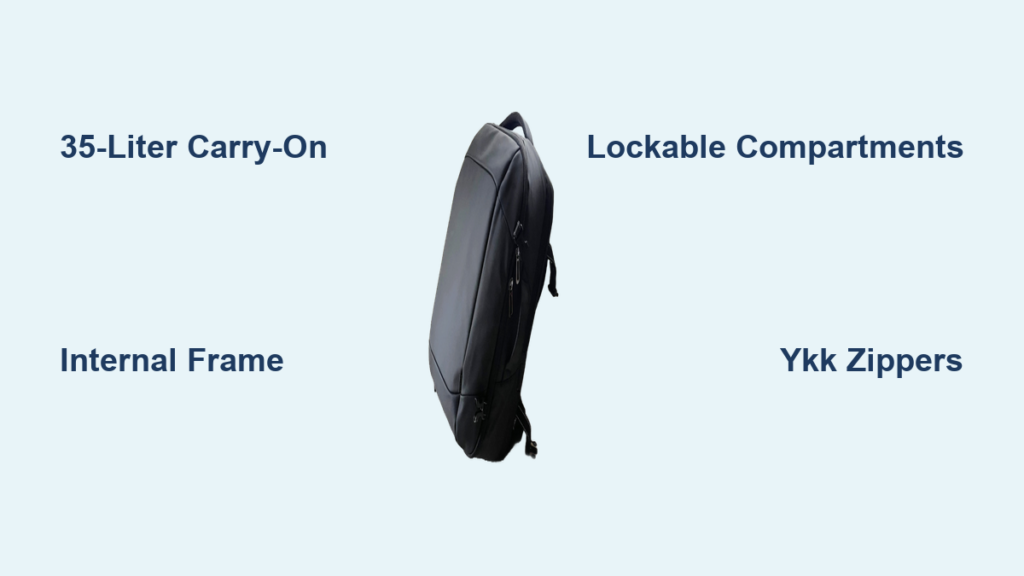
Finding the best backpack for solo travel transforms your journey from a logistical nightmare into a seamless adventure. When traveling alone, you carry complete responsibility for all your belongings across airports, hostels, and unfamiliar streets—your backpack becomes your mobile home, security system, and daily companion. Without travel partners to share the load or assist with gear issues, the right backpack makes the difference between exhausting struggles and spontaneous exploration. This guide eliminates guesswork by revealing exactly what features matter most for solo travelers, how to match capacity to your itinerary, and why comfort and security trump all other considerations when you’re navigating the world alone.
Why Your Solo Travel Backpack Needs Special Features
Solo travel creates unique equipment demands that group travelers never face. When you’re navigating foreign transit systems alone, walking miles between hostels with all your possessions, and managing emergencies without backup, your backpack shifts from convenience to critical survival tool.
Unlike group trips where companions can share gear responsibilities, solo travelers bear 100% of the physical and security burden. A poorly designed backpack causes cumulative fatigue that drains your energy for experiences, while inadequate security features put your valuables at constant risk. The psychological stress of managing unreliable gear compounds physical discomfort, potentially ruining the spontaneity that makes solo travel magical. Investing in purpose-built solo travel gear isn’t luxury—it’s essential risk management for responsible independent exploration.
Choose Your Exact Capacity Based on Trip Length

Backpack capacity directly determines your packing strategy, laundry frequency, and daily mobility. Selecting the right liter count prevents both under-packing frustration and over-packing exhaustion.
35-Liter Sweet Spot for Carry-On Only Travel
The 20-35 liter range serves solo travelers committed to avoiding checked baggage—a game-changer when navigating airports alone. These compact backpacks fit airline overhead bins, eliminating baggage claim waits and lost luggage disasters that can derail solo itineraries. You’ll comfortably carry 7 days of clothing using strategic layering, compression cubes, and minimalist packing techniques.
Pro tip: Test your packing list 3 weeks before departure. If you consistently use less than 70% capacity, downsize to reduce weight and improve mobility. Solo travelers who master ultralight packing gain freedom to spontaneously extend trips without gear limitations.
40-Liter Workhorse for Extended Adventures
The 35-50 liter capacity accommodates 2+ weeks of clothing, specialized activity gear, and climate variations—perfect for solo travelers visiting multiple regions. This size typically fits airline carry-on restrictions while providing space for hiking equipment, business attire, or cultural-specific clothing needs.
Warning: Verify airline policies before booking. Some carriers restrict bags over 35 liters, forcing solo travelers to check luggage that could get lost during critical transit points. Always measure your packed backpack against airline dimension requirements.
Expedition-Ready 50+ Liter Backpacks
Capacities exceeding 50 liters suit solo travelers on month-long expeditions, cold climate journeys, or those requiring specialized professional equipment. These backpacks handle diverse wardrobes, photography gear, or volunteer project supplies but require strategic organization to prevent becoming unwieldy.
Key consideration: Larger capacities tempt overpacking. Use a packing list template with weight limits per category. Solo travelers with 60L bags often end up carrying 30% more weight than necessary, causing unnecessary fatigue during daily commutes.
Critical Comfort Features for All-Day Wear
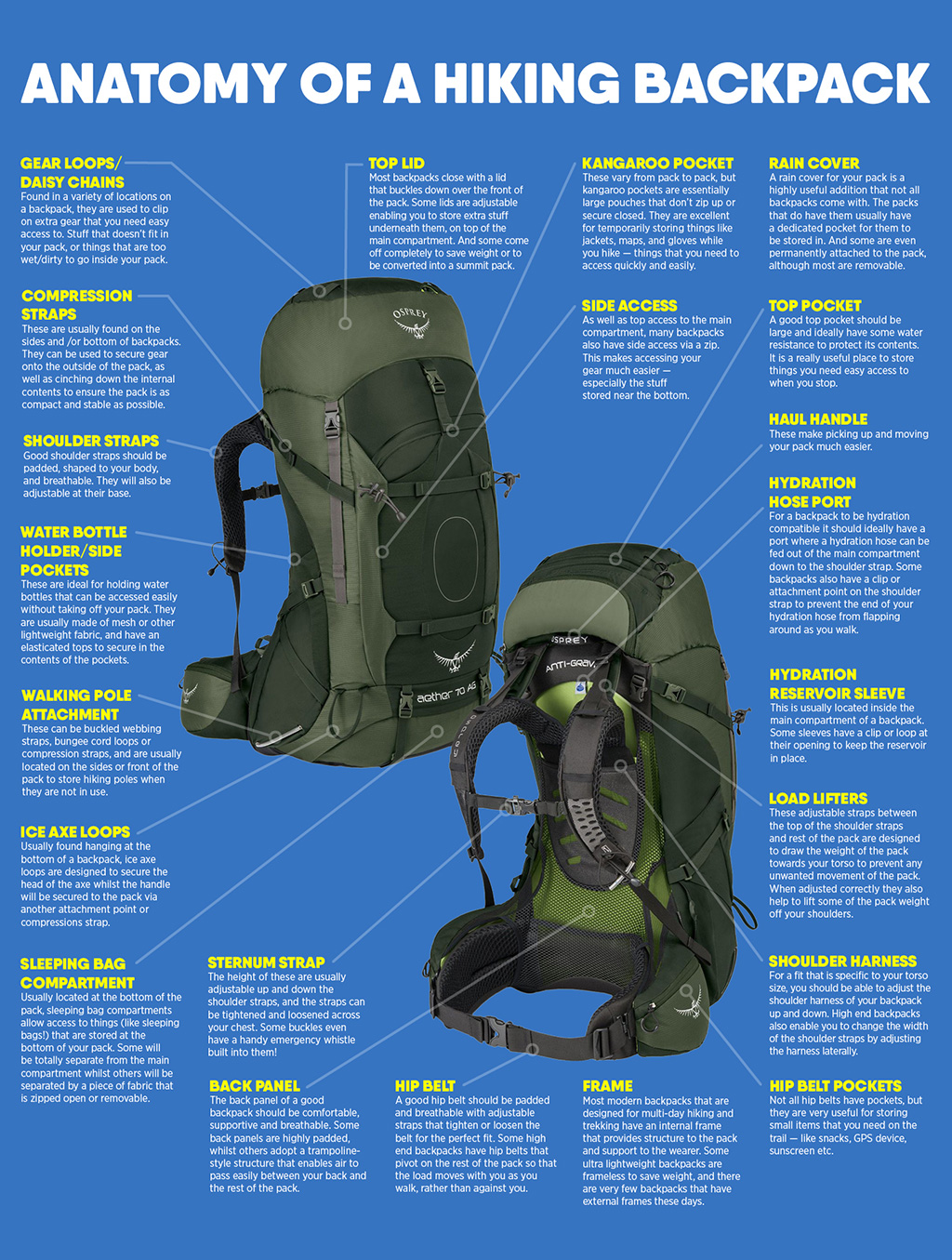
When you’re carrying everything yourself, comfort isn’t optional—it’s the difference between enjoying your destination and dreading each step.
Frame Systems That Prevent Back Pain
Internal frame backpacks provide superior weight distribution for solo travelers covering significant daily distances. The concealed aluminum stays stabilize loads during navigation while maintaining a streamlined profile that won’t snag in crowded spaces. Unlike external frames, internal designs keep weight close to your body—critical when maneuvering through narrow hostels or climbing multi-story hostel stairs alone.
Look for: Adjustable torso length systems that let you fine-tune fit across different clothing layers. Solo travelers with atypical proportions should prioritize brands offering multiple torso size options rather than “one size fits most” compromises.
Hip Belts That Transfer 80% of Weight
The hip belt determines whether your backpack feels like a burden or an extension of your body. Quality belts transfer 70-80% of weight from shoulders to hips using closed-cell foam padding that maintains shape over months of travel. Structural reinforcements prevent rolling or folding that creates painful pressure points during extended wear.
Test properly: Load the backpack with 15-20 pounds and wear it for 15 minutes. If you feel shoulder pressure or hip discomfort, the belt won’t perform during real-world solo travel. Properly fitted belts should sit snugly above your hip bones without restricting breathing.
Shoulder Straps That Prevent Chafing
Anatomically contoured shoulder straps follow your natural shoulder slope, preventing the painful digging that occurs with straight-cut designs. S-curve straps maintain position during movement, eliminating constant readjustment that interrupts travel flow. Load adjuster straps let you fine-tune weight distribution between shoulders and hips for optimal balance.
Solo traveler essential: Choose straps with breathable mesh backing that won’t trap sweat during tropical exploration. Moisture-wicking properties prevent the chafing that becomes unbearable during multi-hour transit days.
Non-Negotiable Security Features for Solo Travelers
When you’re alone in unfamiliar environments, backpack security features transform anxiety into confidence.
Lockable Compartments for Peace of Mind
Dedicated electronics compartments with lockable zippers let you secure laptops and cameras without locking your entire pack. Separate hidden pockets concealed within lining fabric protect passports and emergency cash from opportunistic thieves who target obvious storage areas.
Pro move: Use decoy wallets in front pockets while storing real valuables in concealed compartments. Solo travelers report significantly fewer theft attempts when thieves believe they’ve already found the “good stuff.”
Slash-Resistant Materials for High-Risk Areas
UHMWPE-reinforced fabrics resist knife attacks targeting bag bottoms and side panels—a common theft technique in crowded transit hubs. Quality anti-theft backpacks extend slash resistance to shoulder straps, preventing thieves from cutting you away from your belongings in seconds.
Critical check: Run your fingernail across fabric samples. If it catches easily, the material likely lacks sufficient cut resistance for high-risk destinations. True slash-resistant fabrics feel slightly rough but resist snagging.
RFID-Blocking Pockets That Prevent Digital Theft
Faraday cage-lined pockets block unauthorized scanning of credit cards and passports with embedded chips—a growing threat in tourist hotspots. Effective blocking requires complete enclosure; verify pockets have overlapping closures that prevent signal leakage at zipper openings.
Test before travel: Place your RFID-enabled cards in the pocket and attempt to scan them with a reader. If the scan succeeds, the blocking is inadequate for solo travel security needs.
Material Durability That Survives Real-World Abuse
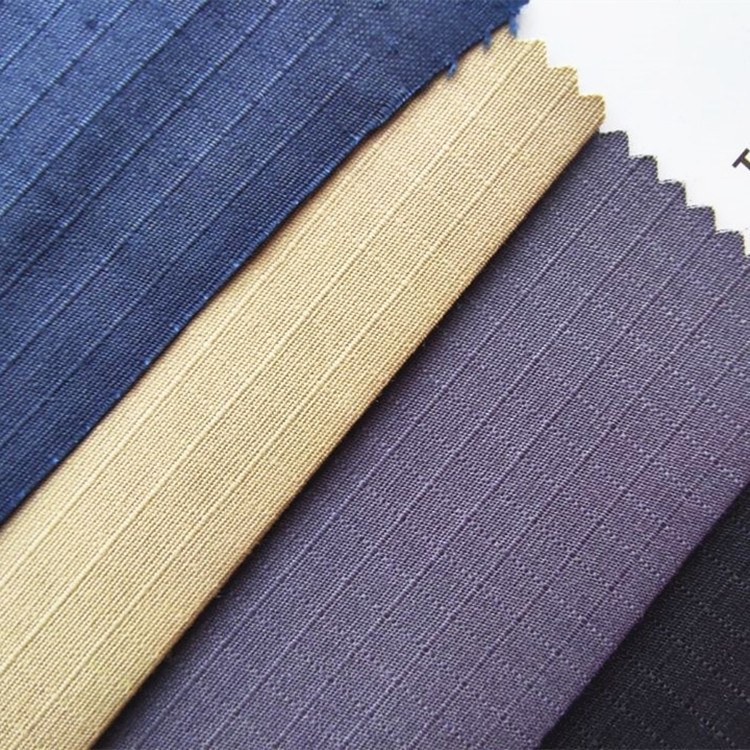
Solo travelers can’t afford gear failures far from replacement options—your backpack must withstand years of intensive use.
Ripstop Nylon That Resists Catastrophic Tears
500D-1000D ripstop nylon features crosshatch reinforcement threads that prevent small punctures from becoming large rips. Higher denier counts indicate thicker, more durable fibers essential for travelers navigating rough terrain or handling gear in tight spaces.
Red flag: Avoid backpacks with mismatched denier ratings (e.g., 1000D bottom but 200D sides). Consistent high-denier construction throughout ensures balanced durability where you need it most.
YKK Zippers That Won’t Fail Mid-Journey
YKK zippers represent the gold standard for reliability, with precise manufacturing tolerances that prevent jamming and separation. Budget alternatives frequently fail after minimal use—a disaster when your only bag won’t open during security checks or hostel check-ins.
Maintenance tip: Apply zipper wax annually to prevent grit accumulation that causes slider failure. Solo travelers should carry a spare pull tab and repair key for emergency field fixes.
Find Your Perfect Fit Using Body Measurements
Backpack comfort depends on precise anatomical matching—not clothing sizes or guesswork.
Measure Your Torso Length Correctly
Stand straight while someone locates your C7 vertebra (the prominent neck bone when tilting head forward) and the top of your hip bones. The vertical distance between these points determines proper backpack size—typically 14-22 inches for adults. “One size fits all” claims usually mean compromised fit for solo travelers with atypical proportions.
Solo traveler hack: Measure with your typical travel footwear. Height differences between sandals and boots can shift torso measurement enough to cause improper fit.
Verify Hip Belt Sizing Before Purchase
Wrap a tape measure around your hips at iliac crest level (where hip bones protrude). Quality backpacks offer hip belts spanning 10+ inches of circumference range. If your measurement falls near the extreme end of a belt’s range, seek models with multiple belt size options.
Warning: Hip belts should sit above hip bones without requiring excessive tightening. Solo travelers report chronic back pain from belts positioned too low—a common issue with unisex designs not optimized for female anatomy.
Maximize Value With Smart Budget Decisions
The best backpack for solo travel balances initial cost against years of reliable service—not just the lowest price tag.
Mid-Range ($120-250) Offers Optimal Value
This sweet spot delivers quality materials, comfortable suspension, and security features without premium pricing. Solo travelers gain durable construction that withstands intensive use while avoiding the budget tier’s compressed foam padding and unreliable zippers that fail mid-journey.
Cost-per-use math: A $200 backpack used weekly for 3 years costs less than $1.30 per use—significantly cheaper than replacing $80 budget bags annually. Factor in warranty coverage; lifetime repair policies add substantial long-term value.
Your Solo Travel Backpack Quick Selection Checklist
Answer these questions before purchasing:
– Will my typical trip length fit within 20-35L (1-2 weeks), 35-50L (2-4 weeks), or 50L+ (month+)?
– Does the suspension system transfer weight properly when loaded with 15+ pounds?
– Are lockable compartments and RFID blocking included for security?
– Does the YKK zipper quality match the price point?
– Will the backpack fit standard hostel lockers (typically 18″x12″)?
– Can I wear it comfortably for 3+ hours with realistic weight?
The best backpack for solo travel emerges from honest self-assessment of your journey patterns, not marketing hype. Prioritize features that solve your specific challenges, and you’ll gain a reliable companion for countless independent adventures. Remember: when traveling alone, your gear isn’t just equipment—it’s your safety net, peace of mind, and passport to spontaneous discovery. Choose wisely.