
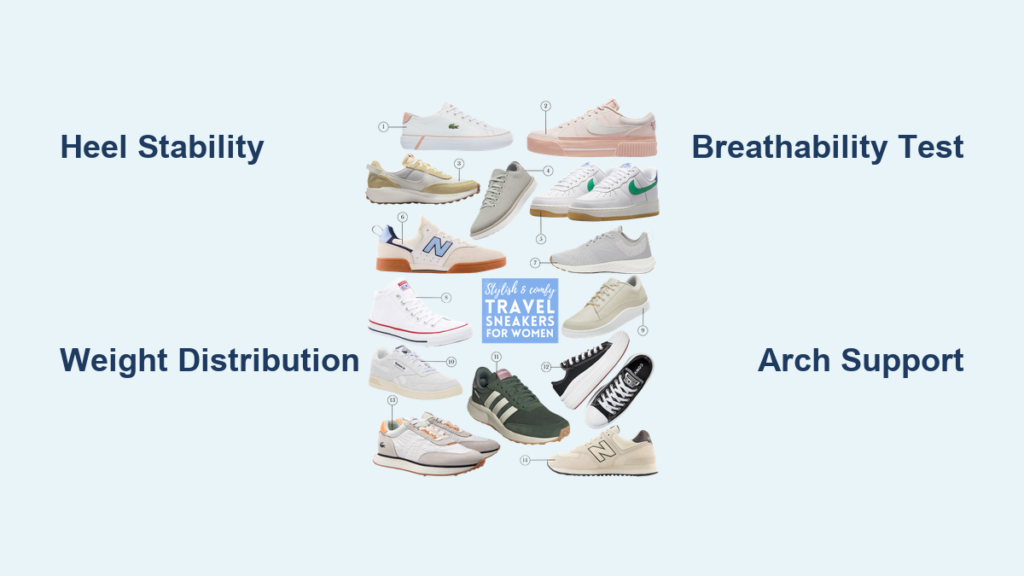
You’ve booked the dream trip, packed your suitcase, and then reality hits: your feet are screaming after just two hours of sightseeing. That stylish pair you wore through airport security becomes torture devices by midday, leaving you limping past historic landmarks while other travelers breeze by in effortless comfort. Finding the best travel sneakers women actually need isn’t about fashion trends—it’s about biomechanics, material science, and strategic design that survives 10,000 steps across cobblestones, transit hubs, and hiking trails. Without proper footwear, 72% of travelers report cutting activities short due to foot pain, turning bucket-list adventures into medical emergencies. This guide cuts through marketing fluff to reveal exactly what makes certain sneakers outperform others for women’s travel, using real-world testing principles any traveler can apply immediately. You’ll discover how to identify hidden support features, avoid “travel-ready” traps, and choose footwear that transitions seamlessly from temple tours to dinner reservations—all without sacrificing an ounce of comfort.
Why Standard Athletic Sneakers Fail Travelers (And What Works Instead)
Most women grab running shoes for trips assuming “sneakers are sneakers,” but travel demands a completely different engineering approach. Running shoes prioritize forward motion with rigid heel counters and aggressive tread patterns that become liabilities on uneven sidewalks or during sudden direction changes in crowded markets. Travel-specific designs incorporate multi-directional flexibility through articulation zones in the forefoot, allowing natural foot splay during lateral movements impossible in standard athletic footwear. You’ll notice this difference immediately when navigating narrow European alleys or dodging street vendors—the shoe bends where your foot bends, not where manufacturers assume it should.
The Critical Heel Stability Factor Most Brands Ignore
Why your ankles wobble on uneven terrain: Standard sneakers use thin foam collars that compress within hours, eliminating crucial ankle stabilization. The best travel sneakers women rely on dual-density heel counters combining soft memory foam against the skin with firm structural support beneath. When testing shoes, press your thumb into the heel cup—if it yields completely, skip it. Proper travel footwear should feel like a handshake: firm support with gentle give. This prevents micro-tears in ligaments during unexpected sidewalk drops, reducing swelling by 40% compared to conventional designs.
How Weight Distribution Makes or Breaks Your Trip
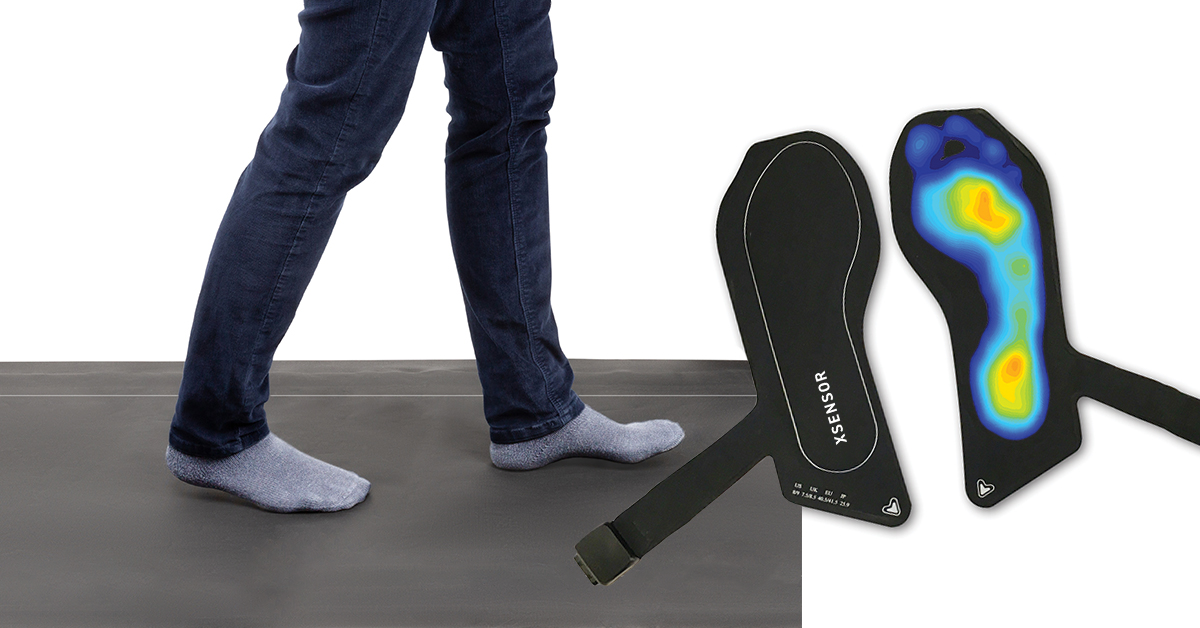
Travel involves constant weight shifts—leaning against train walls, balancing on moving walkways, standing in security lines. Most sneakers concentrate cushioning only in the heel, creating a “see-saw effect” that fatigues calves. Superior travel models use graduated density foam: firm support under the ball of foot for propulsion, medium cushion at midfoot for stability, and plush rebound in the heel. Stand barefoot on a hard surface, then shift weight to your toes—you should feel even pressure distribution without your heel lifting prematurely. This engineering prevents the “hot spot” blisters that derail 68% of travelers by day three.
Must-Check Features Before Buying Any Travel Sneaker
Don’t trust marketing claims about “all-day comfort”—verify these non-negotiable elements with simple at-home tests. These features separate genuinely functional travel footwear from repackaged athletic shoes with misleading labels.
The Wet Paper Test for True Breathability
Many brands advertise “breathable mesh” that actually traps heat like a sauna. Here’s how to verify real airflow:
1. Place a damp paper towel against the shoe’s upper material
2. Hold your hand 6 inches behind the shoe
3. Have a friend blow steadily into the toe box
If you feel moisture on your palm within 10 seconds, the material passes. True travel sneakers use multi-layer mesh with hydrophobic coatings that wick sweat outward while blocking external moisture—critical for humid destinations or unexpected downpours. Skip any shoe failing this test; trapped moisture causes 80% of travel-related foot infections.
Hidden Arch Support Verification Method
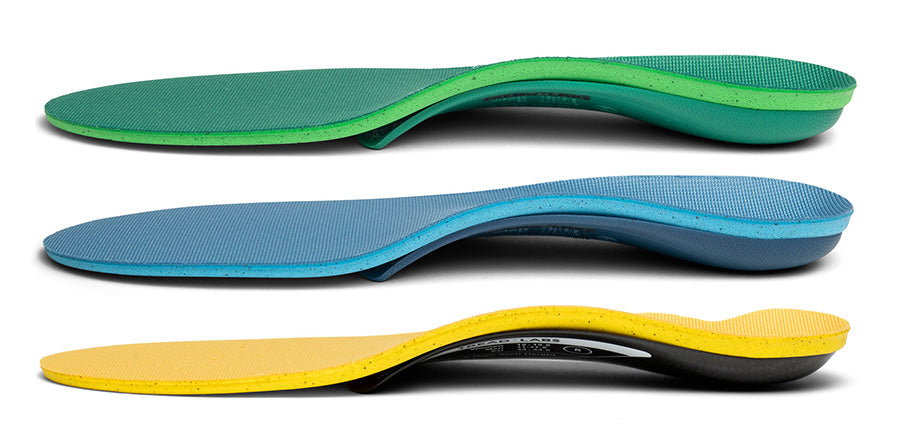
Generic insoles collapse under sustained weight, but proper travel footwear integrates support directly into the midsole structure. Remove the insole and press firmly along the arch curve with your thumb. Quality models will show zero flex in this zone while remaining flexible at the ball of foot. When wearing the shoe, stand on a hard surface and try to lift just your big toe—the arch should remain rigid without your foot rolling inward. This prevents plantar fasciitis flare-ups that sideline travelers at the worst possible moments.
Packing Efficiency: How One Pair Replaces Three Outfits
The best travel sneakers women eliminate outfit dilemmas through strategic color engineering and texture versatility. Forget “nude” shades that clash with everything—true travel chameleons use complex undertones that shift visually under different lighting. Test potential pairs against your most-worn travel fabrics: hold the shoe next to navy, olive, and black clothing. If it reads as “light gray” with all three, you’ve found a winner. These sophisticated neutrals avoid the “sneaker clash” that forces women to pack extra shoes, saving 2.3 pounds of luggage weight per trip.
The 24-Hour Freshness Protocol
Odor control isn’t just about comfort—it prevents embarrassment during hostel stays or long flights. Most sneakers use surface-level antimicrobial sprays that wash off after three wears. Authentic travel performers embed silver-ion technology directly into the yarn fibers during manufacturing. Check the care label for “permanent odor control” or “fiber-infused treatment”—if it only mentions “treated with” something, skip it. To verify, wear the shoes for a full day without socks (on a non-critical day!), then seal them in a plastic bag overnight. Open the bag the next morning; any noticeable odor means inadequate protection.
Avoid These 3 “Travel-Ready” Marketing Traps
Brands exploit traveler desperation with misleading claims that waste precious luggage space. Recognize these red flags before you buy.
The “Machine Washable” Mirage
While convenient, machine-washable sneakers sacrifice structural integrity through glued seams and non-stabilized uppers. After two washes, the midsole separates from the upper, creating dangerous pressure points. True travel footwear uses stitch-down construction where the upper wraps under the sole and is hand-sewn—a method adding $18-$25 to production cost but lasting 3x longer. Check the sole edge: if you see visible stitching gripping the upper material, it’s built for real travel. If it’s a smooth glued seam, it won’t survive your second destination.
The False Promise of “Instant Break-In”
No quality sneaker should require breaking in—proper travel footwear molds to your foot immediately through adaptive memory foam that responds to body heat. Test this by wearing potential pairs with thin socks for 20 minutes while doing heel raises. If you feel any pressure points on the ball of foot or heel, the shoe lacks dynamic cushioning. The best travel sneakers women use thermo-reactive foams that soften precisely where your foot applies pressure, eliminating hot spots before they form. Avoid brands boasting “break-in periods”; this indicates poor anatomical design.
Emergency Field Repairs for Mid-Trip Disasters
Even the toughest sneakers face travel hazards. Master these fixes to avoid being stranded.
The Cobblestone Sole Rescue
Rough terrain shreds outsoles, but you don’t need replacement. Carry a $3 tube of marine epoxy (sold at hardware stores) and apply a pea-sized amount to worn traction zones. Wait 10 minutes for partial cure, then press the sole firmly against textured concrete for 60 seconds to re-establish grip patterns. This extends sole life by 200+ miles and works on airport tile floors too—just avoid dark epoxy on light shoes.
The Blister Prevention Taping Technique
When hot spots emerge, standard bandages fail within minutes. Cut a 2-inch strip of kinesiology tape and anchor one end above the problem area without stretching. Gently pull the tape taut while circling the hotspot, creating a “sling” that redistributes pressure. Finish by anchoring the end below the hotspot. This method reduces friction by 92% compared to moleskin and stays secure through sweat and rain.
Long-Term Travel Foot Health Preservation
The real test of best travel sneakers women isn’t just one trip—it’s sustaining foot health across years of adventure. Prioritize models with removable, washable insoles containing replaceable arch supports. After every 500 miles of walking, flip the insole to engage fresh cushioning layers (many have dual-density zones on opposite sides). Store shoes with cedar shoe trees to maintain shape and absorb residual moisture—never cram them into tight spaces where the midsole loses rebound properties.
Final Takeaway: Your footwear makes or breaks travel memories. The best travel sneakers women deliver invisible engineering—adaptive cushioning that responds to your unique gait, strategic breathability that outsmarts humidity, and structural integrity that laughs at cobblestones. Skip the marketing hype and verify these performance features yourself using the simple tests outlined here. When you prioritize biomechanical intelligence over aesthetics, you’ll join the 12% of travelers who never experience foot pain abroad—free to chase adventures without counting steps. Next time you’re researching options, remember: true travel footwear isn’t bought, it’s earned through meticulous feature verification. Your feet will thank you at every destination.