
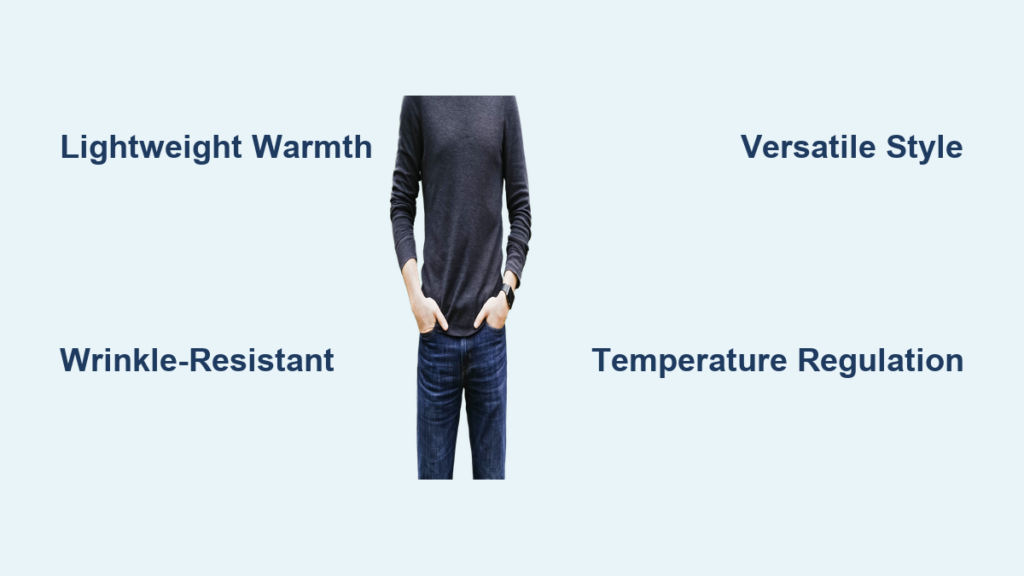
When your flight gets delayed and the airport AC blasts you into shivers, that’s not the time to realize your travel sweater is failing you. Millions of travelers reach for a sweater during journeys, yet most end up with garments that pill after one trip, wrinkle beyond repair, or provide zero temperature regulation. The right travel sweater transforms from simple layer to essential travel companion—keeping you comfortable through changing climates while looking put-together after hours in transit. In this guide, you’ll discover exactly what separates a mediocre travel sweater from the exceptional ones that survive dozens of trips without losing their shape, warmth, or style.
Lightweight Warmth That Doesn’t Add Luggage Weight
Why Heavy Knits Fail During Travel
Bulky sweaters might keep you warm at home, but they become a liability when traveling. That chunky cable knit you love takes up precious suitcase space and adds unnecessary weight—often 1.5-2 pounds per garment. Frequent travelers know every ounce counts when airlines enforce strict baggage limits. More importantly, heavy knits lack temperature adaptability. When you move from a chilly airplane cabin to a warm terminal, you’re left overheating with nowhere to stash your bulky layer.
Merino Wool vs. Technical Blends for Packability

Merino wool remains the gold standard for travel sweaters due to its exceptional warmth-to-weight ratio. A quality merino travel sweater weighs 8-12 ounces—less than half the weight of traditional wool—yet provides superior insulation. The natural fibers wick moisture away from your skin, preventing that clammy feeling when cabin temperatures fluctuate. Technical fabric blends incorporating polyester or nylon add durability without sacrificing packability. Look for sweaters with 70% merino/30% technical fiber blends that compress into a 6×6 inch cube yet spring back to shape when unpacked.
Wrinkle-Resistant Performance Through Multiple Time Zones
The Science Behind Wrinkle-Free Travel Fabrics
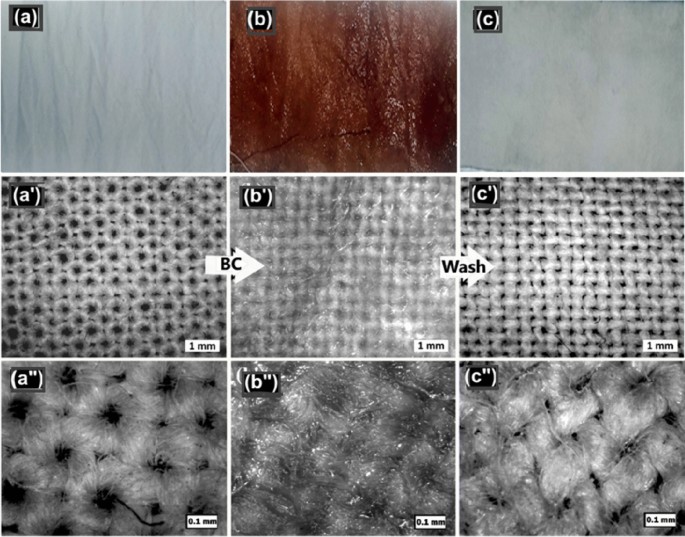
Travel sweaters that emerge from your suitcase looking like a crumpled paper bag defeat the purpose of packing smart. True wrinkle resistance comes from both fiber selection and knit construction. Tightly-knit merino or technical fabrics with a smooth surface reflect light evenly, minimizing the appearance of creases. Garments constructed with flatlock seams (where seams lay flat against the fabric) create fewer pressure points that cause permanent wrinkles. The best travel sweaters maintain their appearance even after being stuffed into a backpack for eight hours.
Washing and Drying Techniques That Preserve Fabric Integrity
You won’t find sinks in most airport restrooms, but you can refresh your travel sweater with these techniques. Merino fibers naturally resist odors, allowing multiple wears between washes—critical when traveling for extended periods. When washing becomes necessary, use cold water with a gentle detergent and lay flat to dry. Never machine dry travel sweaters, as the heat damages elastic fibers and causes shrinkage. For quick refreshes between destinations, hang your sweater in the bathroom during a hot shower; the steam releases wrinkles without direct water contact.
Versatile Style That Works From Airport to Evening Outing
Neutral Color Palettes That Coordinate With Any Outfit
The most functional travel sweaters come in versatile neutral tones that pair with multiple bottom options. Charcoal gray, heather navy, and oatmeal colors transition seamlessly from business meetings to casual dinners. Avoid bold patterns or bright colors that limit outfit combinations. Test a sweater’s versatility by holding it against photos of your travel wardrobe—if it coordinates with at least three different pants or skirts in your collection, it earns a spot in your suitcase. Darker neutrals also hide minor stains from coffee spills or snack mishaps during transit.
Layering Strategies for Changing Climates
Your travel sweater should function as both a standalone piece and a mid-layer. Choose crewneck or V-neck styles rather than turtlenecks for maximum layering flexibility. When traveling to cold destinations, wear your sweater over a moisture-wicking base layer and under a lightweight puffer jacket. For warmer climates, pack a cropped sweater that pairs perfectly with tank tops. The ideal travel sweater has a slim-but-not-tight fit that accommodates additional layers without creating bulk under outerwear.
Durability Features That Survive Hundreds of Miles
Reinforced Stress Points That Prevent Common Damage

Examine potential travel sweaters for reinforced stitching at critical stress points: underarms, side seams, and neckline. These areas experience the most movement and friction during travel. Double-stitched seams with polyester thread (which stretches with the fabric) prevent the unraveling common in cheaper sweaters. Flatlock stitching not only prevents wrinkles but also eliminates chafing points that cause discomfort during long flights. Check the garment label for “reinforced elbows” or “strategic paneling”—features specifically designed for active travel use.
Pocket Design That Balances Function and Style
Thoughtfully designed pockets transform a basic sweater into a travel essential. Look for discreet zippered pockets positioned near the hip line—high enough to access easily but low enough to avoid distorting the sweater’s silhouette. These secure pockets safely store passports, credit cards, or headphones during transit without needing a separate bag. Avoid bulky patch pockets that create uncomfortable pressure points when wearing a seatbelt or backpack. The best travel sweaters integrate pockets so seamlessly you won’t notice them until you need them.
Temperature Regulation for Unpredictable Environments
Breathable Fabrics That Prevent Overheating
Airplane cabins typically maintain 68-72°F (20-22°C), but temperature fluctuations between terminals, vehicles, and destinations can span 30+ degrees. Travel sweaters with strategic mesh panels under the arms or along the spine provide targeted ventilation without sacrificing overall warmth. Merino wool’s natural temperature-regulating properties keep you comfortable across a wider range than synthetic fabrics—staying warm when cool but preventing overheating when active. Test a sweater’s breathability by wearing it while walking briskly indoors; if you feel clammy within five minutes, it’s not suitable for variable travel conditions.
Quick-Dry Properties for Unexpected Weather
Even the most meticulously planned trips encounter rain, spills, or unexpected humidity. Travel sweaters with moisture-wicking properties dry significantly faster than traditional knits. A quality travel sweater should regain 90% of its dryness within 3 hours when hung in a well-ventilated space—critical when traveling through multiple climate zones. Test this by dampening a small section of the fabric; it should feel cool but not wet to the touch within 60 seconds as moisture moves away from your skin.
Ethical Production and Sustainable Materials for Conscious Travelers
Certifications That Verify Responsible Manufacturing
As travelers become more conscious of their environmental impact, sustainable sweater production matters. Look for Global Organic Textile Standard (GOTS) certification for natural fibers or Bluesign certification for technical blends. These verify responsible water usage, chemical management, and fair labor practices. Some brands go further with traceable supply chains—allowing you to see exactly where your sweater’s fibers were sourced and manufactured via QR code. While these certifications may increase cost slightly, they ensure your travel essentials align with responsible tourism values.
Repair Programs That Extend Garment Lifespan
The most sustainable travel sweater is one you keep for years, not seasons. Brands with robust repair programs demonstrate confidence in their construction. Some offer free darning services for small holes, while others provide replacement parts for damaged zippers or buttons. Before purchasing, check if the brand has a take-back program—where they’ll recycle your sweater at end-of-life into new yarn. This circular approach reduces textile waste while providing peace of mind that your investment won’t end in a landfill after a few trips.
Packing Strategies That Maximize Space Efficiency
The Roll vs. Fold Debate Settled for Sweaters
Contrary to popular belief, rolling isn’t always best for knits. Merino and technical fiber sweaters actually pack smaller when folded with tissue paper between layers to maintain shape. Start by laying your sweater flat, then fold sleeves inward toward the back. Fold the garment in half vertically, then horizontally into a compact rectangle that fits neatly into packing cubes. For ultra-compression packing, use vacuum bags only for merino blends—not 100% wool, which needs airflow to maintain its natural properties.
Strategic Placement Within Your Luggage System
Your travel sweater should serve dual purposes as both clothing and packing aid. Place it against the interior wall of your suitcase to create a protective layer for delicate items. When traveling carry-on only, wear your sweater on the plane and stuff your jacket into the sleeves for space-efficient storage above your seat. For international trips, pack your sweater in an easily accessible compartment—many travelers keep theirs in the outer pocket of their backpack for quick access during security checks or sudden temperature changes.
The perfect travel sweater disappears into your journey—providing comfort without demanding attention. When you’ve found the right one, you’ll notice subtle differences: no constant adjusting of slipping necklines, no frantic searches for lint rollers to remove pills, and the confidence to wear it repeatedly without odor concerns. Your ideal travel sweater should feel like a trusted co-pilot rather than just another item in your luggage. Before your next trip, evaluate your current sweater against these seven criteria—most travelers discover they’ve been compromising on at least three essential features. With the right garment, you’ll spend less time managing your comfort and more time experiencing your destination.