
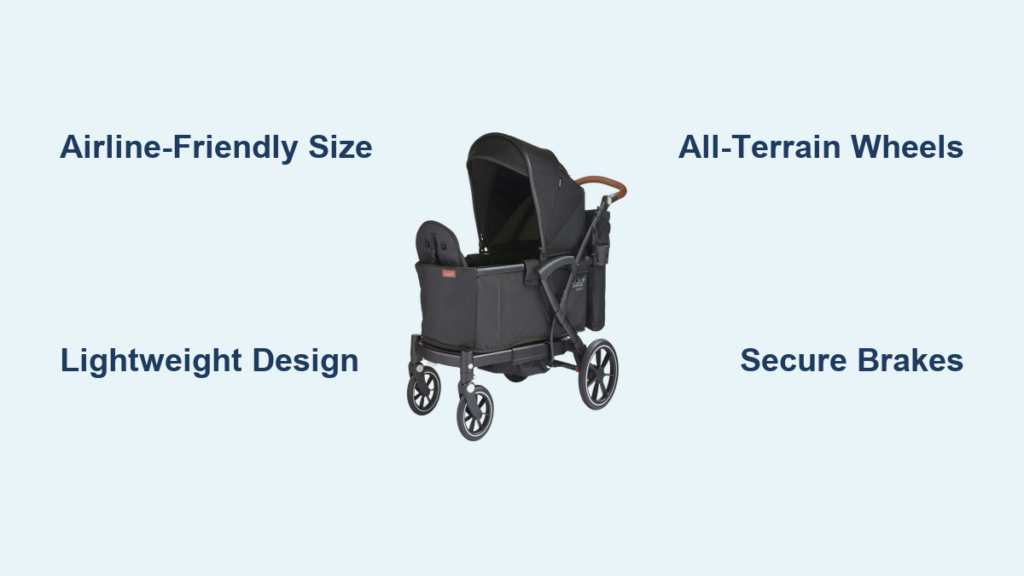
Navigating airports, theme parks, or city streets with children transforms simple trips into logistical nightmares without the right gear. A high-quality stroller wagon solves these challenges by combining generous storage with comfortable seating—perfect for tired little legs during long travel days. The best stroller wagon for travel balances portability with functionality, turning potential meltdowns into smooth journeys where everyone arrives relaxed and ready to enjoy the destination. Parents increasingly recognize that traditional strollers simply can’t match the storage capacity and versatility of modern wagons, especially when managing multiple children or extended trips.
This guide cuts through the marketing hype to help you identify the specific features that matter most for your travel style. Whether you’re planning international adventures, frequent theme park visits, or weekend getaways, understanding what makes certain wagons excel in travel scenarios will save you money, frustration, and back strain.
Why Stroller Wagons Outperform Traditional Strollers for Travel
Superior Storage That Eliminates Extra Bags
Traditional strollers force you to carry additional diaper bags, shopping purchases, or beach gear in separate totes that dangle from handles—a precarious setup in crowded airports or busy streets. The best travel stroller wagons feature expansive cargo areas (often 10-25 pounds capacity) that swallow everything from snacks and water bottles to souvenirs and extra clothing. This integrated storage means you’re not juggling multiple bags while managing children, creating a safer, less stressful travel experience. Look for wagons with zippered compartments to secure valuables during transit.
Comfort Features That Keep Kids Happy Longer
Children riding in stroller wagons enjoy bench-style seating with higher back support and room to stretch out—features rarely found in standard strollers. The lower center of gravity provides a smoother ride over uneven surfaces like cobblestone streets or theme park pathways, reducing complaints about bumpy rides. Many travel-focused wagons include extended canopies with UPF 50+ protection that shield multiple children from sun exposure during long outdoor adventures. Reclining options allow for unexpected naps without compromising storage space underneath.
Critical Travel-Specific Features to Prioritize

Airline-Ready Folded Dimensions and Weight
Air travel demands specific considerations that many stroller wagons fail to address. The best options for air travel fold flat to dimensions under 12 inches thick—small enough to fit in most overhead bins when wheels detach or tuck inward. Weighing between 22-28 pounds, these lightweight models won’t exhaust you when carrying them through terminals. Models with backpack straps or rollable folded configurations transform the wagon into luggage you can pull rather than carry, a game-changer when navigating multiple flights or connecting through large airports.
Terrain-Adaptable Wheel Systems
Your destination determines the ideal wheel configuration. For beach vacations, prioritize large pneumatic tires (8+ inches) that glide through sand without sinking. City travelers benefit from smaller, maneuverable wheels (6-8 inches) that navigate crowded sidewalks and store aisles with ease. Theme park explorers need all-terrain wheels that handle both smooth pavement and grassy areas between attractions. Consider whether foam-filled or air tires better suit your travel style—pneumatic tires offer superior shock absorption but require maintenance, while foam tires eliminate flat risks at the cost of some ride smoothness.
Top Stroller Wagons for Specific Travel Scenarios
Beach Getaways: Sand-Ready Wagons
When traveling to coastal destinations, the best stroller wagon for travel must conquer soft sand without constant wheel sinking. Look for models with extra-wide tires (at least 4 inches) that distribute weight across larger surface areas. Removable, machine-washable fabric seats prove essential after salty adventures, while rust-resistant frames withstand exposure to ocean air. Some beach-specific wagons feature sand skirts that prevent grains from entering wheel mechanisms—a small detail that prevents major headaches during your vacation.
Pro Tip: Test wagons with full loads before purchasing—what rolls smoothly with empty weight becomes difficult with children and beach gear aboard.
Theme Park Adventures: Storage-Focused Models
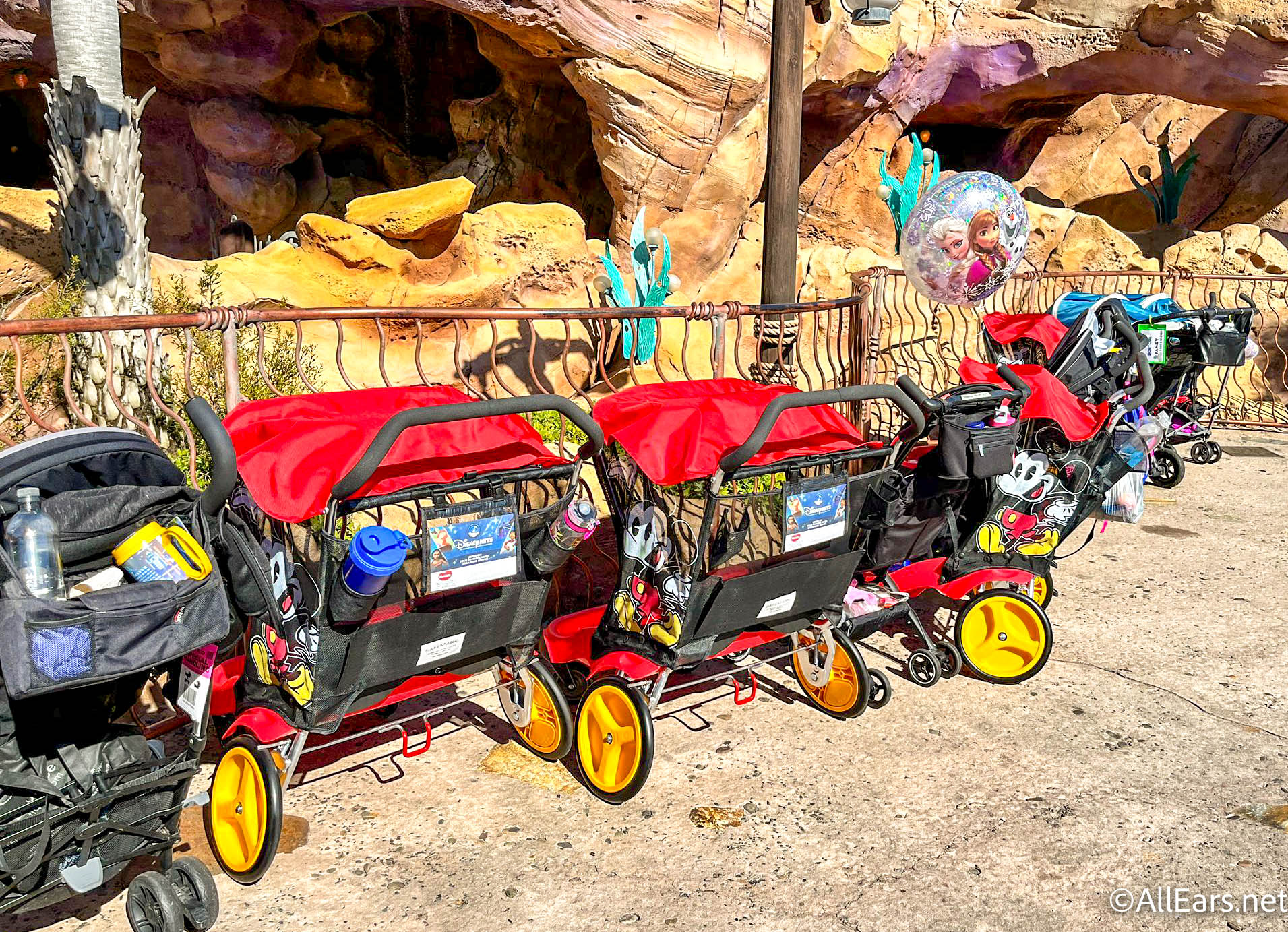
Disney World, Universal Studios, and other major theme parks demand wagons that handle full-day use while carrying everything your family needs. Prioritize models with at least 15 pounds of additional storage capacity beyond child weight limits. Integrated cup holders, phone pockets, and snack compartments keep essentials organized during long waits in lines. Extended canopies with side flaps provide crucial sun protection during summer visits. Some premium wagons include attachable parent trays that transform the wagon into a mobile command center for maps, water bottles, and personal items.
International City Exploration: Compact Urban Warriors
European cities with narrow streets and historic architecture require ultra-maneuverable wagons that navigate tight spaces. Three-wheel designs typically outperform four-wheel models in crowded environments, offering tighter turning radii for weaving through cafe tables and market stalls. Look for wagons with one-step braking systems that engage reliably on cobblestone surfaces. Compact folded dimensions (under 10 inches thick) fit easily in taxi trunks or train overhead compartments. For destinations with limited elevator access, prioritize wagons under 25 pounds that you can carry up stairs while managing children.
Weight Capacity Versus Portability Tradeoffs
Finding Your Family’s Ideal Balance
The best stroller wagon for travel balances child weight capacity with adult portability. Most wagons accommodate 100-150 pounds of child weight plus 10-25 pounds of cargo—sufficient for two preschoolers or one older child with gear. However, higher weight capacities often come with increased wagon weight (30+ pounds), making airport navigation challenging. Families with younger children (under 40 pounds each) can safely choose lighter models (22-28 pounds) without sacrificing needed capacity. Those with older or heavier children should prioritize wagons with 150+ pound weight limits, even if they weigh slightly more themselves.
Warning: Don’t exceed manufacturer weight limits—overloading causes premature wear on wheels and folding mechanisms, potentially stranding you mid-trip.
Safety Features That Matter Most for Travel
Reliable Braking Systems for Incline Safety
Travel often takes you across uneven terrain where secure parking becomes critical. The best travel stroller wagons feature dual-action brakes that lock both rear wheels simultaneously with a single foot motion—essential when stopping on sloped airport ramps or theme park hills. Test brake engagement before purchasing: they should require minimal force to engage but hold firmly when locked. Avoid models with wheel-specific brakes that require separate activation for each side, as this creates safety risks when managing children alone.
Secure Restraint Options for Active Travelers
Five-point harness systems provide the most secure restraint during travel adventures, distributing forces across shoulders and hips rather than concentrating them at the waist. Look for harnesses with quick-release buckles that operate easily with one hand—crucial when managing multiple children during transitions. Some premium wagons include secondary safety straps that prevent children from standing up while the wagon is moving, a valuable feature during crowded airport walks or busy street crossings.
Making Your Final Decision Without Regret
Match Features to Your Actual Travel Patterns
Identify your three most common travel scenarios before shopping. If you primarily visit theme parks, storage capacity and all-day comfort outweigh ultra-compact folding. Frequent flyers should prioritize airline-compatible dimensions over maximum weight capacity. Beach vacationers need sand-ready wheels more than city maneuverability. Creating this hierarchy prevents feature overload and helps you invest in what truly matters for your family’s adventures.
Test Before You Commit
Whenever possible, test wagons in person before purchasing. Push them through store aisles to evaluate maneuverability, test folding mechanisms for ease of use, and load them with weights equivalent to your children’s combined weight. Many retailers offer generous return policies that allow home testing—take advantage of this to ensure the wagon works with your actual travel routine. What looks perfect online may prove unwieldy when navigating your specific airport layout or city streets.
Choosing the best stroller wagon for travel ultimately depends on your family’s unique travel patterns and priorities. The ideal model eliminates the specific pain points you experience with current gear while anticipating future needs as children grow. Focus on the two or three features that will make the biggest difference in your most common travel scenarios rather than chasing every available option. With the right wagon, family travel transforms from a stressful obstacle course into an enjoyable part of your adventure—one where everyone arrives at your destination relaxed, happy, and ready to create memories. Take time to evaluate your specific needs against the features that truly matter for your travel style, and you’ll find a wagon that becomes an indispensable travel companion for years to come.