
Flying with your baby doesn’t have to mean endless crying and chaos. Each year, millions of parents successfully navigate air travel with infants by mastering specific preparation techniques. The key difference between a nightmare flight and a manageable journey often comes down to strategic planning—you’ll discover exactly how to tackle ear pressure during takeoff, breeze through security with baby essentials, and transform cramped cabin space into a restful environment. These infant air travel tips come from seasoned parents and aviation professionals who’ve cracked the code for stress-free journeys.
You’ll learn precisely when to schedule pediatric checkups, which documents could derail your trip if overlooked, and the exact feeding timing that prevents painful ear popping. Forget generic advice—this guide delivers actionable steps like packing gallon bags for soiled items and reserving bassinets 48 hours before departure. With the right approach, your next flight could become the calmest part of your vacation.
Pre-Flight Doctor Visit Essentials
Schedule Pediatric Consultation Early
Book your baby’s pre-travel checkup exactly 14 days before departure—this timing allows for medication adjustments if ear fluid is detected. Your pediatrician will examine for infections that could cause severe pain during cabin pressure changes. Critical discussion points include current ear health status, authorization letters for liquid medications exceeding 3.4 oz, and destination-specific vaccination requirements. Never skip this step: infants with untreated ear congestion often experience excruciating pain during ascent and descent.
Pack Your Medical Kit
Create a compact quart-sized medical kit with infant acetaminophen (including dosing chart), saline drops, nasal aspirator, and emergency contacts. Pro tip: Photograph prescription labels before travel—this speeds up medication refills if needed overseas. Include diaper rash cream and teething gel since airport climates can unexpectedly trigger discomfort. Keep this kit in your carry-on where you can access it immediately during ear-pressure episodes or skin irritations from recycled cabin air.
Documentation Checklist for Baby
Passport and Paperwork Timeline
Start passport applications 8 weeks before international travel—infant passports require both parents to appear in person with the baby. For domestic flights, carry a birth certificate to prove lap-infant status. Non-negotiable documents include: notarized consent from non-traveling parents, travel insurance covering pediatric emergencies, and destination-specific visa requirements. Airlines will deny boarding without proper documentation, so triple-check requirements 30 days pre-departure using official government websites.
Smart Booking Strategies
Choose Flight Times Wisely
Book flights during your baby’s natural sleep window—red-eyes often work perfectly for long-haul journeys. Money-saving hack: Tuesdays and Wednesdays offer 20-30% lower fares with fewer passengers, making security lines and boarding significantly smoother. Always prioritize non-stop flights; each connection multiplies stress and delay risks. For infants under 6 months, morning flights align better with feeding schedules and reduce overtired meltdowns.
Seat Selection Secrets
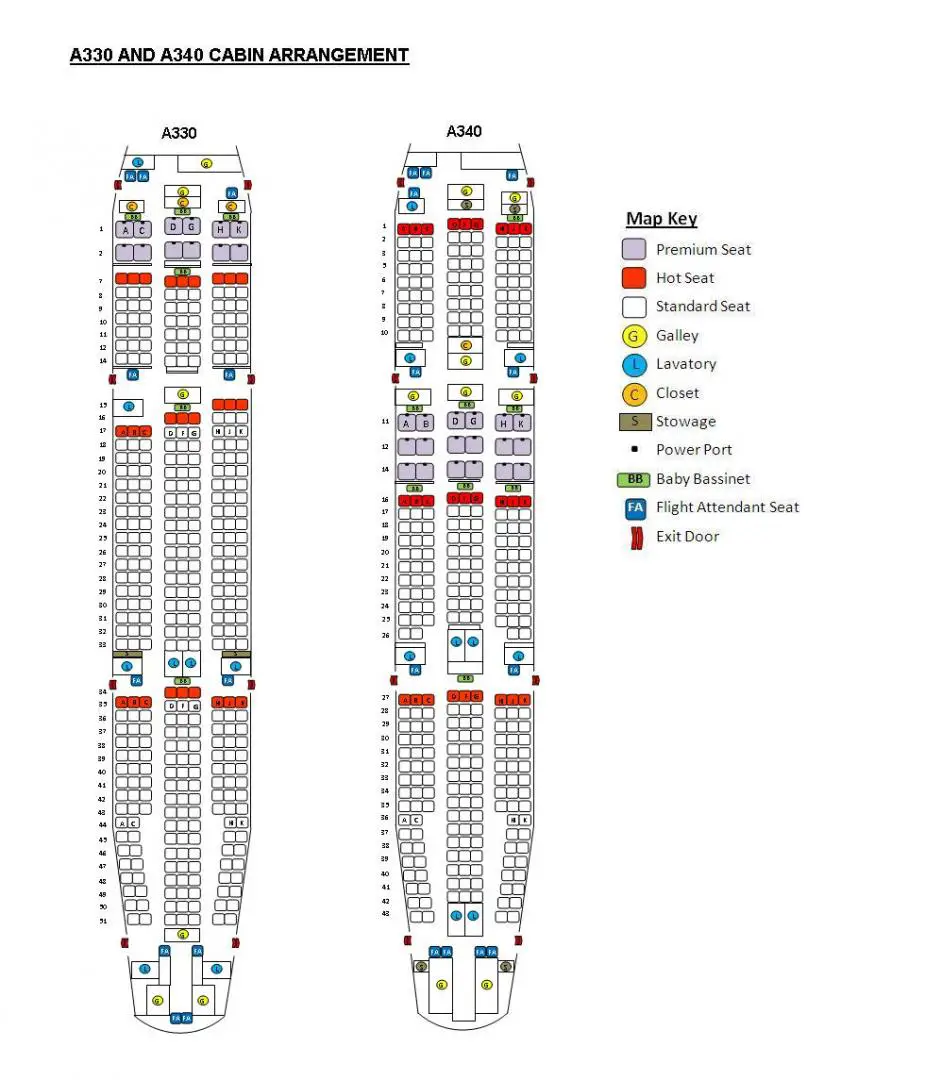
Reserve bulkhead seats with bassinet attachments immediately after booking—these fill within hours. Confirm bassinet availability by calling the airline 48 hours pre-flight since online systems show outdated inventory. Critical detail: Bassinets accommodate babies up to 25 pounds and 26 inches; bring a growth chart to verify eligibility. If budget allows, purchase a separate seat for your FAA-approved car seat—it creates a familiar sleep space and prevents you from holding a sleeping infant for hours.
Airport Security Made Simple

Navigate TSA Like a Pro
Declare “infant liquids” immediately at security—formula, breast milk, and baby food bypass the 3-1-1 rule entirely. Screening must-dos:
– Keep liquids in clear quart bags for quick inspection
– Fold strollers before reaching X-ray machines
– Remove baby from carriers during screening
– Request visual inspection for sensitive items like expressed milk
Most major airports offer family lanes; ask agents for the shortest wait time. Keep diaper bags organized with essentials in outer pockets—you’ll repack faster after screening.
Master Gate Check Process
Tag strollers and car seats at the gate, not check-in counters. This free service prevents baggage-handling damage and ensures immediate access post-landing. Attach bright luggage tags with your destination address and phone number—lost gear gets returned 70% faster with visible contact info. Pro tip: Gate agents prioritize returning baby gear before deplaning begins, so keep claim tickets handy.
In-Flight Feeding Mastery
Time Feedings for Pressure Relief
Start nursing or bottle-feeding 15 minutes before takeoff and landing—the sucking motion naturally equalizes ear pressure. Pack pre-measured formula in stackable containers and request hot water from flight attendants. Essential carry-on items:
– Three clean bottles with extra nipples
– Cooler bag with ice packs for milk storage
– Teething biscuits for babies over 6 months
– Burp cloths (pack double what you think you’ll need)
Handle Ear Pressure Naturally
Beyond feeding, offer pacifiers or clean fingers during pressure changes. For solid-food eaters, use sippy cups with water or teething biscuits. Never use decongestants without pediatrician approval—they can cause dangerous side effects in infants. Watch for ear-tugging or increased fussiness; these signal pressure pain requiring immediate feeding intervention.
Sleep Optimization Strategies
Secure Bassinet Reservations
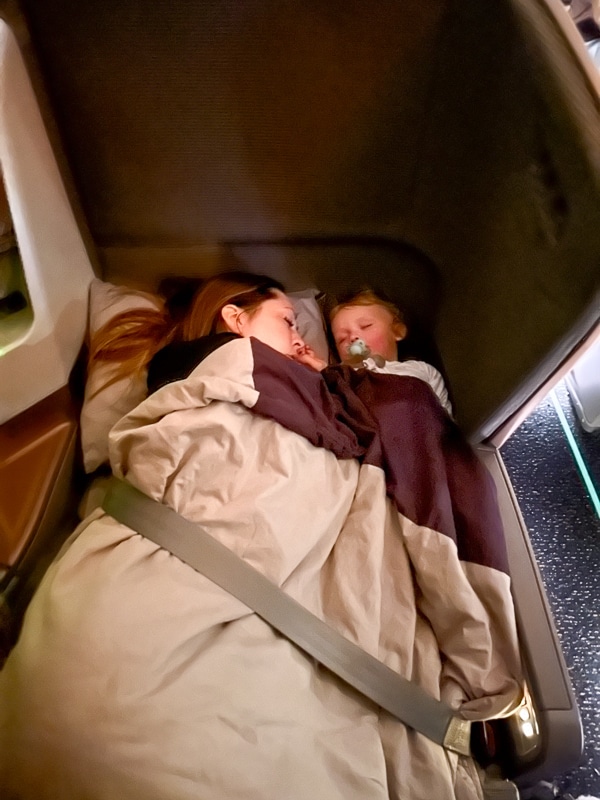
Bulkhead bassinets become available 48 hours pre-flight—set phone reminders to call the airline. Bring a familiar sleep sack and small blanket to recreate home sleep conditions. Critical note: Flight attendants install bassinets only after takeoff, so time feedings to coincide with this window for maximum sleep potential.
Create Sleep Environment
Download white noise apps before departure to mask engine sounds. Dress baby in temperature-adjustable layers (think zip-up sleepers) and use window shades to control light. For overnight flights, position baby’s head toward the window to prevent disturbances from passing carts.
Packing Lists That Work
Carry-On Diaper Strategy
Pack one diaper per flight hour plus six extras for delays. Use gallon bags to separate clean supplies from soiled items—this prevents odor spread and speeds up changes in tiny restrooms. Must-have organization:
– Wipes in front pocket for instant access
– Disposable diaper bags for odor control
– Complete outfit change for parent (spills happen!)
– Foldable changing pad for restroom surfaces
Checked Bag Optimization
Ship bulky items like diapers to your destination via Amazon Prime. Pack 1.5 outfits per day in checked luggage using color-coded packing cubes. Smart move: Always pack a 3-day supply of essentials in your carry-on—delayed luggage won’t leave you scrambling for critical items.
Destination Preparation
Climate Adaptation Essentials
Research destination weather thoroughly—infant skin reacts faster to extremes than adult skin. Pack baby-safe sunscreen for sunny locales and extra moisturizer for dry climates. Insider tip: Bring cooling teething toys for hot destinations; the cold sensation soothes both gums and overheated skin.
Time Zone Management
Shift your baby’s schedule 15 minutes daily starting four days pre-travel. Upon arrival, use natural light exposure to reset circadian rhythms—morning light advances sleep cycles, evening light delays them. Allow one recovery day per time zone crossed before scheduling activities.
Emergency Preparedness
Handle Flight Delays
Pack a 24-hour emergency supply in your carry-on: extra formula, medications, and clothing. Airlines must reimburse for essential baby items purchased during delays—keep all receipts. Critical action: Immediately report delays to gate agents to request complimentary meals and accommodations.
Medical Emergency Protocol
Research pediatric hospitals near your accommodation before departure. Save emergency contacts in your phone, including your pediatrician’s after-hours number. For international travel, prepare medical phrase cards in the local language covering “ear infection” and “allergic reaction.”
Budget-Saving Hacks
Maximize Free Perks
Most airlines check car seats and strollers free at the gate. Your first diaper bag flies free as a personal item. Hidden benefit: Sign babies for frequent flyer accounts—they earn miles for future travel even as lap infants.
Strategic Booking
Use credit cards offering free checked bags and priority boarding. Book Tuesday/Wednesday flights for 25% lower fares. Consider vacation packages including cribs—this often costs less than renting separately.
Post-Flight Recovery
First 24 Hours Priority
Focus on hydration immediately after landing—offer extra breast milk, formula, or water. Allow flexible napping for 3-5 days as baby adjusts. Pro tip: Combat dehydration with electrolyte drops added to milk if traveling to hot climates.
When to Call Doctor
Monitor for persistent ear pain (more than 24 hours), high fever, or dehydration signs like fewer than six wet diapers daily. Temporary fussiness and appetite loss are normal for 1-2 weeks. Contact your pediatrician if symptoms worsen after 72 hours or if baby develops a fever over 100.4°F.
Key Takeaway: Successful infant air travel hinges on precision planning—not perfection. Start documentation 8 weeks out, time feedings for pressure relief, and always pack a 24-hour emergency kit. Remember: flight crews handle infant travelers daily and want your journey to succeed. With these infant air travel tips, you’ll transform anxiety into confidence for every future trip.
Next Steps: Download your airline’s app for real-time gate updates, create shared packing checklists with travel partners, and join parenting groups for destination-specific advice from experienced flyers. Your stress-free journey begins before you even reach the airport.