

Nothing ruins the excitement of travel faster than waking up with a stiff neck after a long flight or road trip. A quality travel pillow transforms uncomfortable transit moments into opportunities for genuine rest, ensuring you arrive at your destination refreshed rather than exhausted. Whether you’re a business traveler logging thousands of miles annually or an occasional vacationer, selecting the best travel pillow for your specific needs means the difference between arriving with jet lag and stepping off the plane ready to explore. With so many options flooding the market—from memory foam designs to ultralight inflatables—finding your perfect match requires understanding what truly matters in a travel pillow.
The right travel pillow provides proper neck alignment, prevents that dreaded “nodding head” effect during sleep, and fits seamlessly into your luggage without adding unnecessary bulk. This guide cuts through the marketing hype to reveal exactly what makes a travel pillow exceptional, which features genuinely enhance comfort, and how to match your pillow choice to your specific travel patterns. You’ll discover why the “best” travel pillow varies dramatically based on your body type, sleep position, and travel style—plus practical tips to maximize comfort from whatever pillow you choose.
How Travel Pillow Designs Impact Your Comfort
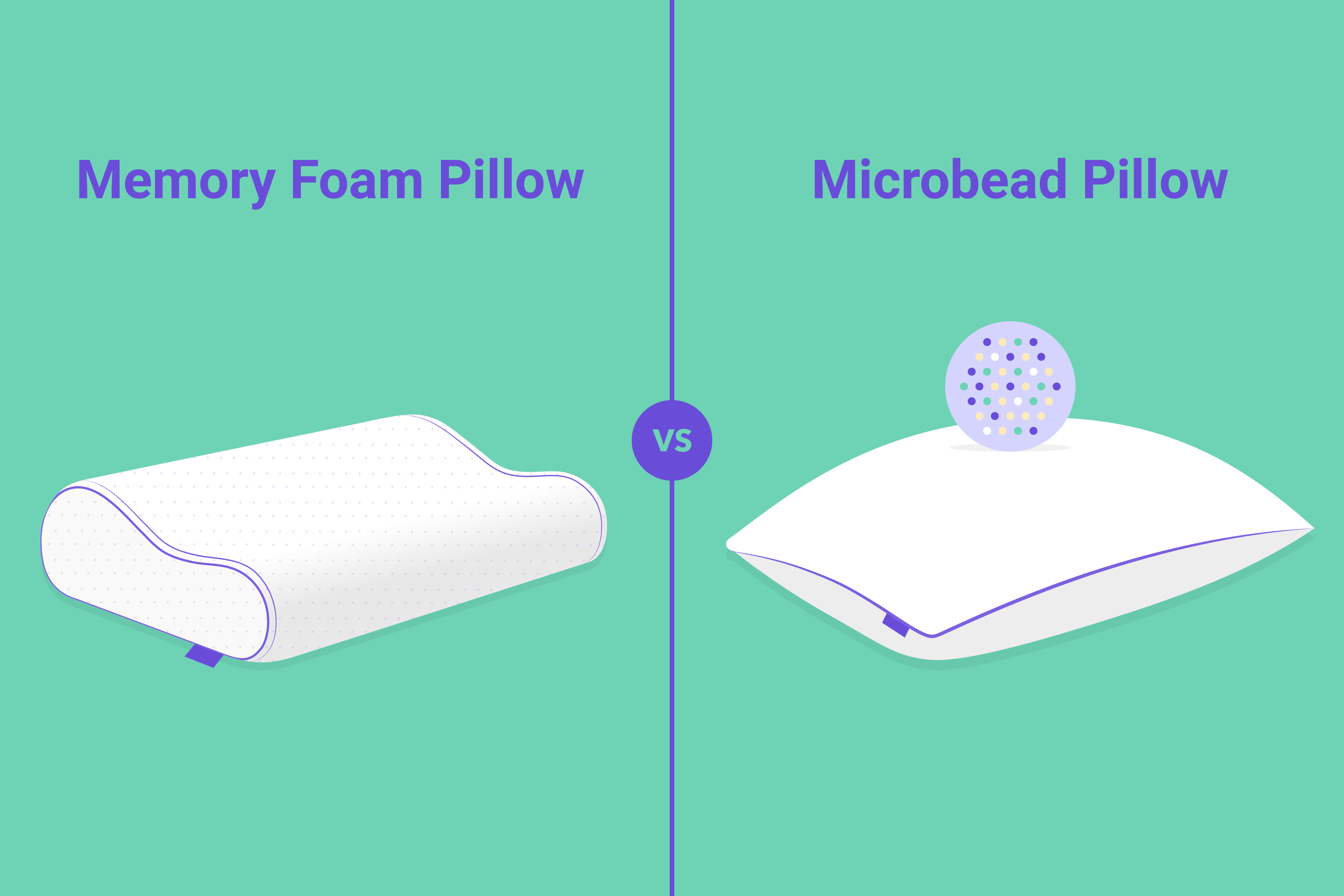
Different pillow designs solve specific comfort challenges, and understanding these distinctions helps you select the right solution for your travel needs. The design you choose directly affects your ability to sleep comfortably in confined spaces and maintain proper spinal alignment during rest.
Memory Foam Pillows: Superior Support for Frequent Flyers
Memory foam travel pillows deliver exceptional pressure distribution by molding to your unique neck contours as they warm to body temperature. The best options use high-density foam that maintains structural integrity after repeated compression, avoiding the flattened, lumpy feel of cheaper alternatives. These pillows excel at preventing forward head drop—the primary cause of post-flight neck pain—by providing consistent lateral support throughout your journey.
When selecting a memory foam pillow, look for ergonomic curves that accommodate shoulder width and allow you to lean back against seatbacks without being pushed forward. Premium models feature removable inserts that let you adjust firmness and height to match your body proportions. While bulkier than inflatable options, the superior comfort justifies the extra luggage space for travelers who prioritize rest over minimal packing, especially on overnight flights where quality sleep makes the biggest difference.
Inflatable Pillows: Space-Saving Comfort for Minimalist Travelers
Modern inflatable travel pillows have evolved far beyond the stiff, noisy vinyl tubes of the past. Today’s best options feature soft fabric covers, multi-chamber air systems, and one-way valves that maintain consistent pressure without constant reinflation. These pillows collapse to pocket-sized dimensions when deflated, making them ideal for backpackers, carry-on-only travelers, or anyone needing to maximize luggage space.
The most effective inflatable designs incorporate internal support structures that maintain shape regardless of sleep position, eliminating the common problem of air shifting toward your chin as you tilt your head. Look for models with adjustable firmness—you’ll want slightly more air for upright sleeping on planes and less for reclined positions in trains or cars. While they generally provide less cushioning than foam options, the space savings often outweigh this limitation for travelers who value packing efficiency above all else.
Microbead Pillows: The Adaptive Middle Ground
Microbead-filled travel pillows offer a unique combination of moldability and portability that bridges the gap between foam and inflatable designs. Thousands of tiny polystyrene beads shift to conform to your neck’s natural curves while providing enough resistance to prevent head drop. This responsive fill adapts to movement during sleep, redistributing support as you change positions without requiring manual adjustment.
These pillows typically compress better than solid foam options while offering more consistent support than basic inflatables. They’re particularly effective for travelers who move frequently during sleep or struggle to find comfortable positions in cramped seats. However, be aware that microbeads can produce a slight rustling sound that might disturb light sleepers, and the fill may flatten over time with heavy use. Newer alternatives using shredded foam or fiber clusters offer similar adaptability without the noise concerns.
Critical Features That Separate Good From Great Travel Pillows

Beyond basic design categories, specific features determine whether a travel pillow delivers genuine comfort or merely takes up space in your luggage. These characteristics directly impact your ability to sleep comfortably during transit and maintain proper spinal alignment.
Chin Support Systems That Prevent Neck Strain
The most effective travel pillows incorporate dedicated chin support that prevents forward head drop—the leading cause of post-travel neck stiffness. Look for designs with elevated front sections, padded chin rests, or wraparound structures that gently cradle the jawline without restricting breathing. Pillows lacking this feature often allow your head to lurch forward during micro-movements, straining neck muscles throughout your journey.
The best chin support systems work with your natural sleep posture rather than fighting against it. Some premium models feature adjustable straps that let you customize the level of forward support based on your tendency to nod during sleep. For travelers who sleep with their mouth open, ensure the chin support doesn’t create pressure points under the jaw that could cause discomfort during extended rest periods.
Temperature Regulation for Comfortable Sleep
Overheating ranks among the top complaints about travel pillows, especially during long flights where cabin temperatures fluctuate. The best options incorporate breathable materials like bamboo-derived fabrics, mesh ventilation zones, or moisture-wicking covers that prevent heat buildup against your skin. Avoid pillows with solid foam cores wrapped in non-breathable polyester covers—they trap heat and moisture, making comfortable sleep nearly impossible.
Consider your typical sleep temperature when selecting materials. If you tend to sleep warm, prioritize pillows with open-cell foam structures and natural fiber covers. Cold-weather travelers might prefer plush fleece covers that provide insulation against airplane drafts. Some innovative designs combine multiple materials—like memory foam cores with mesh side panels—to deliver both support and temperature regulation in a single pillow.
Practical Portability That Fits Your Travel Style
The most comfortable pillow becomes useless if it’s too bulky to pack conveniently. Evaluate portability based on your specific travel patterns: business travelers with checked luggage can prioritize comfort over compactness, while backpackers need pillows that compress to pocket size. Measure how much space you realistically have available in your typical carry-on before selecting a pillow.
Look for smart storage solutions beyond basic compression. Some pillows feature integrated carrying straps that attach directly to luggage handles, eliminating the need to find space inside your bag. Others include external pockets for storing earplugs or eye masks. The best travel pillows maintain their structural integrity after repeated compression cycles—cheap foam options often lose their shape after just a few trips, diminishing their effectiveness.
Choosing Your Perfect Match Based on Travel Patterns
Your ideal travel pillow depends entirely on how and where you travel. Matching your pillow selection to your specific travel habits ensures you get maximum value from your investment without compromising comfort or convenience.
Air Travelers: Combatting Upright Sleep Challenges
For frequent flyers, the ability to sleep upright without neck strain represents the ultimate test of a travel pillow. Prioritize designs with substantial lateral support that prevents head rotation during sleep—side-to-side movement causes more neck discomfort than forward head drop on planes. Wraparound pillows that secure behind the neck often outperform traditional U-shaped designs for upright sleeping.
Consider your typical seat configuration when selecting pillow height. On premium economy or business class seats that recline significantly, lower-profile pillows work better, while economy class travelers need taller support to maintain alignment in near-vertical positions. If you frequently fly overnight routes, invest in a pillow with superior temperature regulation—airplane cabins often become uncomfortably warm during sleep cycles.
Road Trippers: Comfort for Long Hours in the Car
Car travelers benefit from different pillow characteristics than airline passengers. With more space available and the ability to recline seats further, larger, more supportive pillows become practical options. Look for designs that provide complete head and neck support without requiring precise positioning—road vibrations and frequent position changes demand more forgiving support.
For passengers who sleep leaning against car windows, consider asymmetrical pillows with extended side supports that cushion against hard surfaces. Pillows with removable covers prove especially valuable for road trips where snacks, drinks, and general travel messes create more cleaning challenges than airplane travel. If you share the vehicle with others, choose a pillow that doesn’t interfere with seatbelt positioning or airbag functionality.
Train and Bus Travelers: Adapting to Variable Conditions
Public transportation travelers face unique challenges: unpredictable seat configurations, limited recline, and frequent stops that disrupt sleep. The best pillows for these environments combine moderate support with exceptional portability, allowing quick adjustments as travel conditions change. Inflatable options often shine here, letting you customize firmness based on available recline and neighboring passengers.
Consider pillows with versatile attachment points that secure to headrests or seatbacks, preventing slippage during movement. For overnight train travelers with sleeper compartments, pack a more substantial pillow for use in bed while carrying a compact backup for daytime journeys. If you frequently travel on routes with limited luggage space, prioritize pillows that double as lumbar support when not in use for neck comfort.
Maximizing Your Pillow’s Performance Through Proper Use
Even the best travel pillow fails to deliver comfort when used incorrectly. Learning proper positioning techniques and maintenance practices extends your pillow’s lifespan and dramatically improves its effectiveness during travel.
Positioning Techniques for Optimal Support
Most travelers position their pillows too low on the neck, where they provide minimal support for the head’s weight. For maximum effectiveness, position the pillow so its highest point aligns with the base of your skull, allowing your neck to rest against the curved support while your head remains centered. Adjust your seat’s headrest to complement the pillow’s height—ideally, the headrest should support the upper portion of your head while the pillow supports your neck.
Combine your travel pillow with strategic seat adjustments: recline slightly further than comfortable without the pillow, then use the pillow to maintain proper alignment in this more relaxed position. Place a small rolled towel or clothing item in the small of your back to maintain natural spinal curvature, which reduces the tendency to slump forward onto your pillow. These complementary adjustments transform adequate support into exceptional comfort.
Cleaning and Maintenance for Long-Term Performance
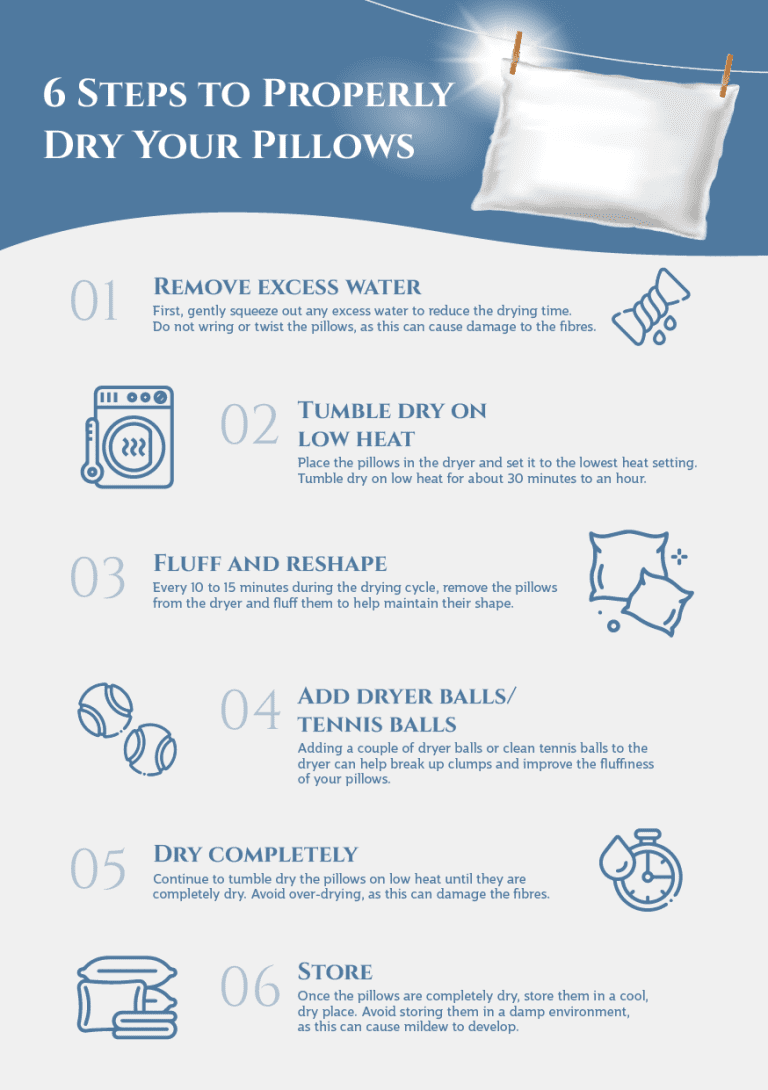
Regular cleaning preserves your pillow’s comfort and hygiene, especially important for travelers who use their pillow frequently. Machine-washable covers should be cleaned after every few trips using gentle detergent and air-dried completely before reuse. For pillows without removable covers, spot clean with a damp cloth and mild soap, avoiding excessive moisture that could damage internal components.
Store your pillow uncompressed whenever possible—memory foam especially suffers from prolonged compression, which can cause permanent deformation. If you must compress it for travel, allow the pillow to fully expand and regain its shape before your next use. For inflatable pillows, release just enough air for packing rather than fully deflating, which maintains the internal structure better. Proper care extends your pillow’s effective lifespan by years, making it a smarter investment than frequently replacing cheaper alternatives.
Choosing the best travel pillow ultimately comes down to matching its characteristics to your specific travel patterns and physical needs. By understanding how different designs address specific comfort challenges and selecting features that align with your travel style, you’ll transform uncomfortable journeys into opportunities for genuine rest. The right pillow pays dividends on every trip, helping you arrive at your destination refreshed and ready to make the most of your adventure rather than recovering from the journey itself.