
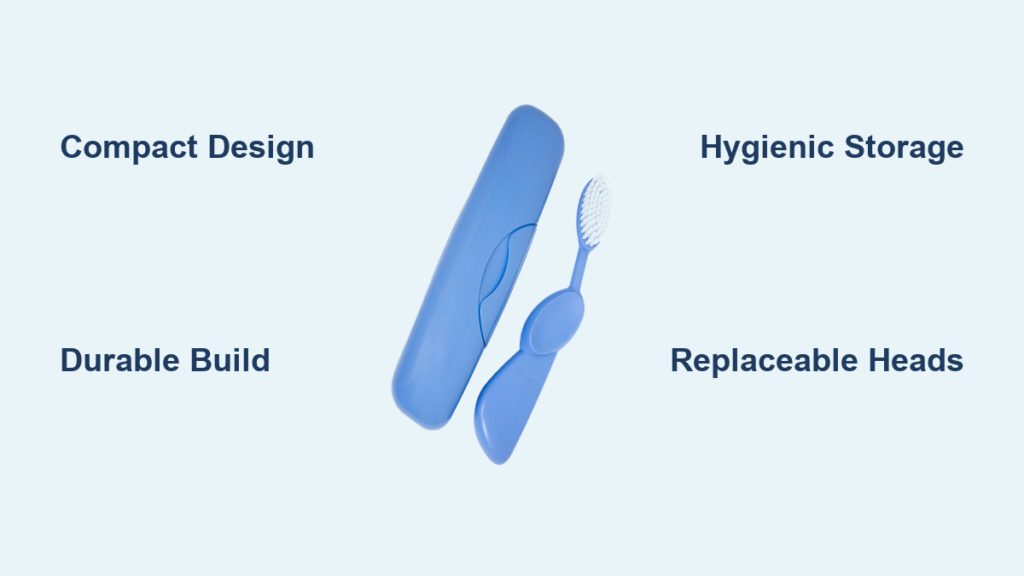
Traveling shouldn’t mean compromising your oral hygiene routine. Whether you’re embarking on a weekend getaway or a months-long adventure, your toothbrush is one of the most essential items in your toiletry kit. A poorly chosen travel toothbrush can lead to discomfort, inadequate cleaning, and even damage to your gums. With so many options flooding the market—from compact manual brushes to high-tech electric models—determining the best travel toothbrush requires careful consideration of size, durability, cleaning effectiveness, and convenience. This guide cuts through the marketing hype to help you identify the perfect travel toothbrush that fits your specific needs, budget, and travel habits.
Most travelers don’t realize how quickly a standard toothbrush becomes problematic when on the move. Bulky handles won’t fit in compact toiletry bags, traditional brush heads collect bacteria in humid hotel bathrooms, and electric models often lack the battery life needed for extended trips. The right travel toothbrush solves these problems while maintaining the cleaning power you need for healthy teeth and gums. After evaluating numerous options based on real-world testing criteria, we’ve identified the key features that separate genuinely effective travel toothbrushes from those that merely claim to be portable.
Key Features That Define the Best Travel Toothbrush
Compact Design Without Compromising Brushing Performance
The best travel toothbrushes master the delicate balance between small size and effective cleaning. Look for models with brush heads no wider than 0.7 inches and handles that collapse or unscrew to save space. Some premium options feature brush heads that rotate 90 degrees for better access to hard-to-reach areas, despite their compact size. The ideal travel toothbrush shouldn’t force you to sacrifice cleaning effectiveness for portability—your back molars deserve the same attention whether you’re at home or abroad.
Durable Construction That Withstands Travel Conditions
Your toothbrush endures significant stress during travel—from being tossed in luggage to exposure to varying temperatures and humidity levels. The best travel toothbrushes feature reinforced necks that resist bending and high-quality bristles that maintain their shape after repeated use. Avoid brushes with thin plastic components that crack easily or bristles that splay out after just a few uses. Some models incorporate antimicrobial coatings on bristles to prevent bacterial growth during extended trips where regular replacement isn’t possible.
Hassle-Free Storage and Hygiene Protection
A travel toothbrush without proper storage is a breeding ground for bacteria. The best options include snap-on caps that fully enclose bristles or integrated cases that protect against contamination. Models with ventilated cases allow moisture to escape, preventing that unpleasant “wet sock” smell that develops in sealed containers. Some innovative designs feature brush heads that flip into protective chambers within the handle itself, eliminating the need for separate caps that inevitably get lost.
Manual vs. Electric: Which Type Makes the Best Travel Toothbrush?

Manual Travel Toothbrushes: Simplicity and Reliability
Manual travel toothbrushes remain popular for good reason—they require no charging, work anywhere, and typically cost less. The best manual options feature ergonomic handles that provide a secure grip even with wet hands and tapered bristle patterns that clean between teeth effectively. Look for models with replaceable heads if you travel frequently, as this reduces waste and saves money over time. Many dentists recommend soft-bristled manual brushes for travel since they’re gentler on gums that may be stressed from changes in diet and routine.
Electric Travel Toothbrushes: Power Cleaning in a Portable Package
Modern electric travel toothbrushes have overcome traditional limitations of size and battery life. The best models weigh under 3 ounces with handles that collapse to under 5 inches in length. Some premium options offer enough battery life for 2+ weeks of regular use on a single charge and come with USB-C charging for maximum convenience. While generally more expensive, electric travel toothbrushes provide consistent cleaning motion that’s especially beneficial for travelers with braces or other dental work. Their compact charging cases often double as protective storage, eliminating the need for separate containers.
Essential Features to Look for in Your Travel Toothbrush

Replaceable Brush Heads That Save Money and Reduce Waste
The most economical travel toothbrushes feature replaceable heads, allowing you to keep the handle for multiple trips while only replacing the worn component. This approach reduces plastic waste and saves you money over time—especially important for frequent travelers. Some systems use standardized replacement heads compatible with both your home and travel models, simplifying your purchasing decisions. When evaluating options, check the availability and cost of replacement heads, as discontinued models can leave you stranded with an unusable handle.
Universal Compatibility with Your Existing Oral Care Routine
Your travel toothbrush should integrate seamlessly with your regular oral hygiene products. The best travel options accept standard toothpaste tubes and work with your preferred mouthwash without compatibility issues. Some electric models feature brush heads identical to your home unit, ensuring consistent cleaning performance regardless of location. Avoid specialty brushes requiring proprietary toothpaste or cleaning solutions that may be unavailable during your travels.
How to Choose the Best Travel Toothbrush for Your Specific Needs

Consider Your Travel Frequency and Duration
Occasional travelers might prioritize affordability and simplicity, making a quality manual brush the ideal choice. Frequent business travelers often benefit from compact electric models that maintain consistent cleaning performance despite irregular schedules. For extended trips where replacement heads aren’t accessible, look for brushes with extra-durable bristles that maintain effectiveness for 3+ months. Backpackers and adventure travelers should prioritize rugged construction and minimal weight, while luxury travelers might prefer premium materials and advanced features.
Match Your Toothbrush to Your Dental Health Requirements
If you have sensitive teeth or gums, prioritize soft-bristled options regardless of type. Travelers with braces need specialized brush heads that can clean around brackets effectively—some electric models offer orthodontic-specific attachments. Those with receding gums should look for brushes with pressure sensors that prevent over-brushing. If you’ve recently had dental work, consult your dentist about specific brushing requirements that might influence your travel toothbrush choice.
Top-Rated Travel Toothbrush Features You Didn’t Know You Needed
Built-in Timers for Proper Brushing Duration
Many travelers rush their oral care routine when pressed for time, compromising effectiveness. The best travel toothbrushes incorporate discreet timers—either through pulsing vibrations or subtle color-changing indicators—that ensure you brush for the dentist-recommended two minutes. Some electric models even segment the timer into quadrants, prompting you to move to different areas of your mouth at regular intervals for thorough cleaning.
Travel-Friendly Charging Solutions
For electric options, the best travel toothbrushes feature charging solutions designed for global use. Look for models with dual-voltage compatibility (100-240V) that work worldwide without bulky adapters. USB-rechargeable options provide maximum flexibility, allowing charging from power banks, laptops, or hotel room USB ports. Some premium models include travel cases with built-in batteries that provide multiple charges away from power sources—perfect for camping trips or international flights.
Maintaining Your Travel Toothbrush for Optimal Performance
Proper Cleaning and Drying Techniques
After each use, rinse your toothbrush thoroughly under running water, paying special attention to the bristle base where debris accumulates. Shake off excess water and store with the head facing up to promote drying. Never store a damp toothbrush in a sealed container immediately after use, as this creates the perfect environment for bacterial growth. For extended trips without replacement options, consider carrying a small amount of hydrogen peroxide to sanitize your brush periodically.
Knowing When to Replace Your Travel Toothbrush
Even the best travel toothbrush has a limited lifespan. Replace it when bristles become frayed, splayed, or lose their original color (if applicable). Most dentists recommend replacing toothbrushes every 3-4 months, but frequent travelers may need to replace theirs more often due to increased usage. If you’ve been sick, replace your toothbrush immediately to avoid reinfection—a crucial consideration when traveling where exposure to new germs is common.
Final Tip: Before your next trip, test your travel toothbrush at home for a week to ensure it meets your expectations. Nothing ruins a vacation faster than discovering your new compact brush doesn’t clean effectively or fits poorly in your hand. The best travel toothbrush seamlessly integrates into your routine, providing the same quality cleaning you expect at home while fitting perfectly in your travel kit. When you find that ideal balance of portability, performance, and convenience, you’ll wonder how you ever traveled without it.