
That sinking feeling when your flight gets canceled or you realize your passport expires next month? It’s the travel nightmare that derails even the most exciting trips. With airline delays hitting record highs and complex entry requirements catching millions off guard, smart preparation separates smooth journeys from travel disasters. These battle-tested air travel tips cut through the chaos—using only proven strategies from industry insiders—to transform you into a calm, confident traveler. You’ll learn exactly how to dodge hidden fees, breeze through security, and arrive refreshed, no matter how long the flight.
Pre-Flight Planning Secrets
Passport & Visa Timeline
Check your passport expiration six months before departure—most countries deny entry if it expires too soon. Start visa applications 30 days early; U.S. travelers need ESTA approval 72 hours before flying internationally. Pro tip: Snap photos of all documents and store them in Google Drive. If your passport vanishes in Bangkok, you’ll have instant backup for emergency replacements.
Smart Booking Windows
Book domestic flights 1-3 months out and international trips 2-8 months ahead for the best prices. Tuesdays and Wednesdays save 6-12% compared to weekends—airlines dump discounted seats midweek. Always search in incognito mode to avoid price hikes from tracking cookies. Set fare alerts on Google Flights: When prices drop for your Paris route, you’ll get notified before competitors.
Seat Selection Mastery
Avoid seats near bathrooms—they’re noisier and get constant foot traffic. Use SeatGuru to check your specific aircraft model; that “extra legroom” bulkhead seat might have fixed armrests trapping you in. Wing-area spots reduce turbulence, but window seats here block views. For international flights, aft-section seats often have empty rows for potential upgrades.
Packing Strategies That Work

Carry-On Essentials
Master the 3-1-1 rule: Liquids in 3.4oz containers inside one quart-sized bag. Pack a full change of clothes in your carry-on—lost luggage happens to 1 in 100 bags. Keep prescriptions in original bottles with labels; customs agents confiscate unlabeled meds. Always remove laptops from bags before security—they’ll scan faster without fumbling.
Checked Bag Optimization
Stay under 50 pounds to dodge $100+ overweight fees. Photograph your packed items and bag exterior before check-in—this speeds insurance claims if bags go missing. Use compression packing cubes to fit 20% more while keeping outfits organized. Skip “FRAGILE” stickers; airlines limit liability regardless, but do mark electronics with bright tape for visibility.
Airport Navigation Hacks
Security Checkpoint Speed
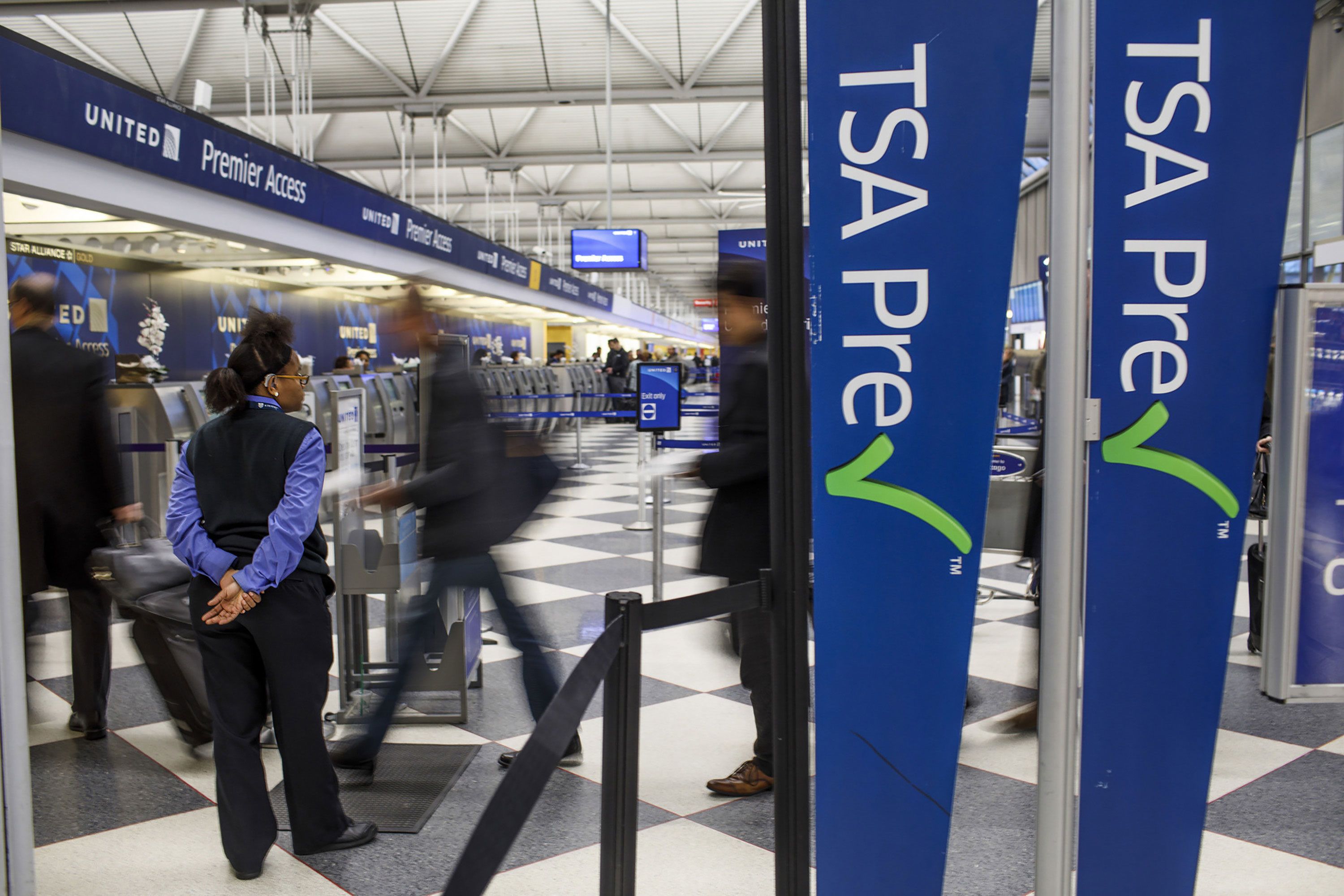
TSA PreCheck ($78 for 5 years) lets you keep shoes and laptops packed. Dress for speed: slip-on shoes, no belts, and empty pockets before the queue. Keep jewelry minimal—metal detectors trigger unnecessary pat-downs. Global Entry adds customs clearance for $100, saving 30+ minutes on international arrivals.
Connection Timing Rules
Domestic connections need 45 minutes minimum; international requires 90 minutes (120 if clearing customs). Download offline airport maps—LAX’s Terminal 4 to 7 walk takes 25 minutes. Monitor your airline app constantly; gates change without announcements. For Chicago O’Hare transfers, allow 75+ minutes between terminals.
In-Flight Comfort Hacks
Health & Wellness Protocol
Drink 8 ounces of water hourly—cabin humidity is drier than deserts. Walk every 2-3 hours on flights over four hours to prevent blood clots. Slip on compression socks before takeoff; they cut leg swelling by 50%. Adjust sleep schedules 2 days pre-trip using light therapy apps to crush jet lag.
Productivity Setup
Download Netflix shows and work files before boarding—airplane Wi-Fi fails 40% of the time. Bring a 20,000+ mAh power bank (TSA-approved) and all cables; seat outlets often malfunction. Noise-canceling headphones silence engine roar by 30-40dB, making sleep possible even in economy. A $15 laptop stand turns wobbly trays into workstations.
Connection & Arrival Tactics
Domestic Transfer Strategy
Hub-to-hub connections (like Atlanta to Dallas) need 45 minutes; regional flights require 60. Know backup airports—flying into Newark instead of JFK saves hours during NYC storms. If you miss a connection due to delays, airlines must rebook you free on the next flight. Same-day standby for earlier flights is free with elite status.
International Arrival Process
Global Entry kiosks scan your passport in 60 seconds, skipping hour-long immigration lines. Declare all food items—customs agents seize undeclared cheese or fruit instantly. Most international connections require bag recheck even on single tickets. Research transit visas: Some countries (like the UAE) demand them for 8-hour layovers.
Money & Loyalty Optimization
Credit Card Strategy
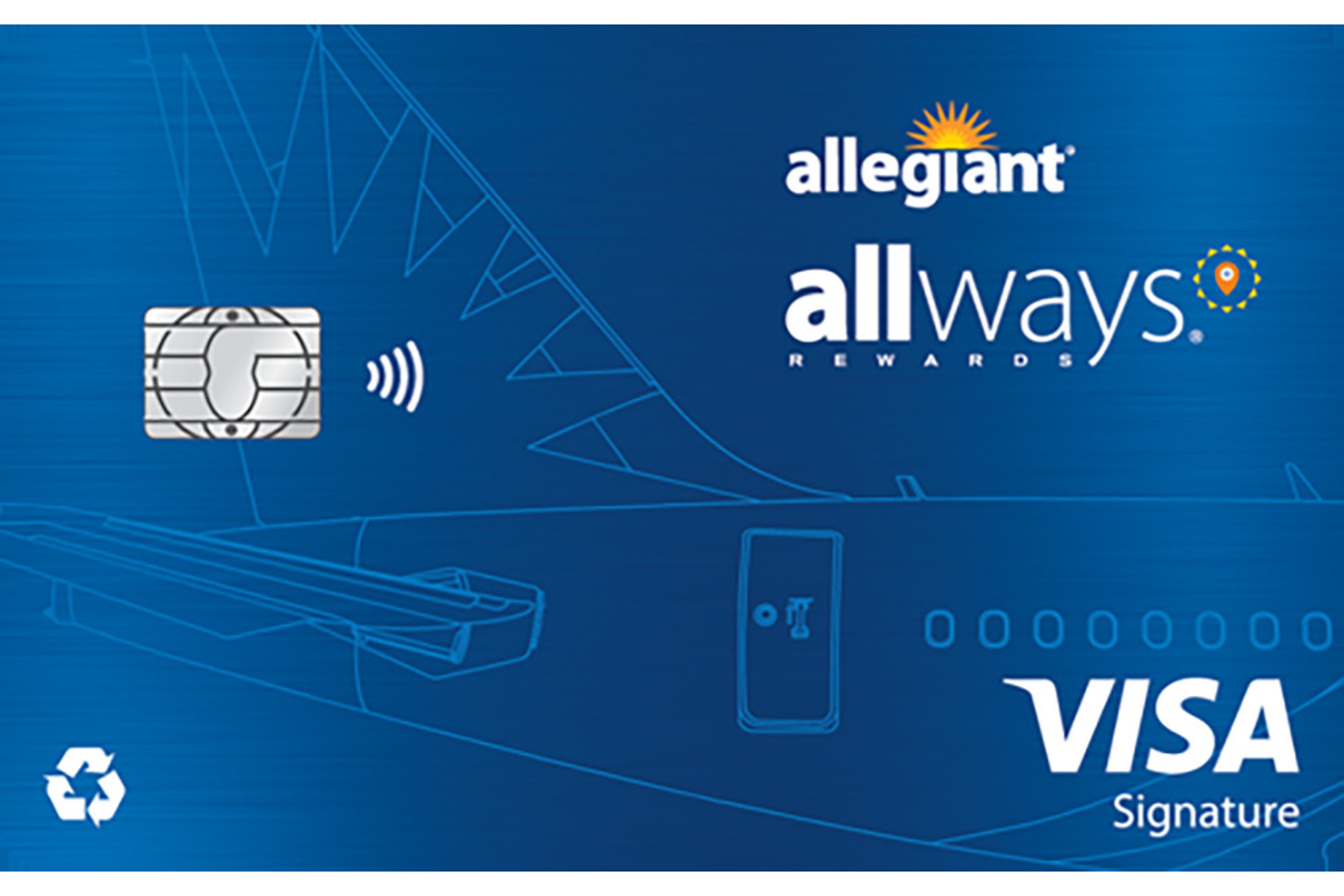
Chase Sapphire Reserve earns 3x travel points plus includes Priority Pass lounge access. Always use cards with no foreign transaction fees—you’ll save 3% on every euro spent. American Express Platinum covers rental cars, letting you decline $30/day insurance add-ons. Premium cards often waive baggage fees, saving $60 round-trip.
Loyalty Program Hacks
Leverage status match programs: Your United Gold status might grant equivalent Delta Medallion benefits. Register for quarterly bonus promotions—missing these free miles costs 5,000+ points yearly. Use credit card spending to hit status thresholds; Chase Sapphire sometimes waives requirements for 100K spend.
Weather & Delay Contingencies

Storm Season Planning
Book refundable fares during winter—weather delays won’t get you compensation. Choose early morning flights: 7 AM departures have 80% on-time rates versus 50% for afternoon flights. Keep hotel points stashed; sleeping in airports during blizzards is miserable. For summer travel, avoid afternoon flights to dodge thunderstorms.
Your Rights During Delays
After 3 hours on the tarmac (4 internationally), airlines must let you deplane. Meal vouchers appear after 3-hour delays—ask gate agents immediately. EU261 regulation forces airlines to pay €250-600 for delays over 3 hours in Europe. For overnight weather delays, demand hotel vouchers before leaving the gate.
Technology & Organization Tools
Essential Travel Apps
FlightAware sends gate change alerts 20 minutes before airlines announce them. Google Translate’s camera feature decodes foreign signage instantly—point it at Tokyo’s train map for real-time English. Citymapper navigates London’s Tube better than the TfL app. Download offline Google Maps to avoid $5/MB roaming fees.
Luggage Tracking Systems
Slip an AirTag into your suitcase lining to track bags via Apple’s network. Photograph packed items the moment you close your suitcase—this accelerates insurance claims. Most airline apps now show real-time bag locations; set alerts for “bag loaded” and “bag arrived” notifications.
Common Rookie Mistakes
Timing Disasters
Never book connections under minimums—45 minutes domestic risks missing flights 30% of the time. Double-check time zones when booking; that “7 AM arrival” might be 7 AM your departure city’s time. Always verify seats on SeatGuru: Exit rows sound spacious but require you to assist during emergencies.
Money Pitfalls
Exchanging cash at airport kiosks costs 15% in hidden fees—use local bank ATMs instead. Notify banks of travel dates to prevent cards from freezing for “fraud.” Skip hotel adapters; a universal one fits any socket and costs less than $10. Relying on airport Wi-Fi for navigation creates $200+ bills—download offline maps pre-flight.
Master these air travel tips and you’ll glide through airports while others panic. The secret isn’t luck—it’s preparation. Implement just three strategies from this guide on your next trip, and watch stress evaporate. Your calmest journey starts with the click of a booking button.