

Travelers constantly face the dilemma of packing enough without overburdening themselves with excessive luggage. Foldable travel bags have emerged as the smart solution for modern travelers who value flexibility without the weight penalty of traditional luggage. These innovative bags deliver substantial storage capacity while maintaining an almost negligible weight when empty. When your primary suitcase reaches its limit during a trip, a foldable bag provides that crucial extra space for souvenirs, purchases, or unexpected additions to your packing list. The real magic happens when you’re not using them—they collapse into remarkably small packages that tuck away neatly in your main luggage or closet. Whether you’re a frequent flyer, weekend warrior, or spontaneous adventurer, understanding how to select the right foldable bag can transform your travel experience from stressful to seamless.
Why Your Luggage Collection Needs a Foldable Travel Bag
The weight advantage of foldable travel bags creates immediate benefits for savvy travelers. Unlike rigid suitcases that add significant tare weight before you even pack a single item, quality foldable bags weigh mere ounces when empty. This seemingly small difference becomes critical when airlines enforce strict weight limits on carry-ons and checked luggage. By choosing a nearly weightless supplemental bag, you maximize your allowable packing weight for actual belongings rather than the container itself. Consider this: a standard 22-inch hard-shell suitcase might weigh 8-10 pounds empty, instantly consuming 20-25% of your typical 40-pound checked baggage allowance. A quality foldable bag weighing just 10-12 ounces gives you that extra capacity without sacrificing precious weight allowance. The compact storage capability means these bags live permanently in your main luggage or closet, ready to deploy when needed without demanding dedicated storage space.
Critical Design Elements That Define Quality Foldable Bags
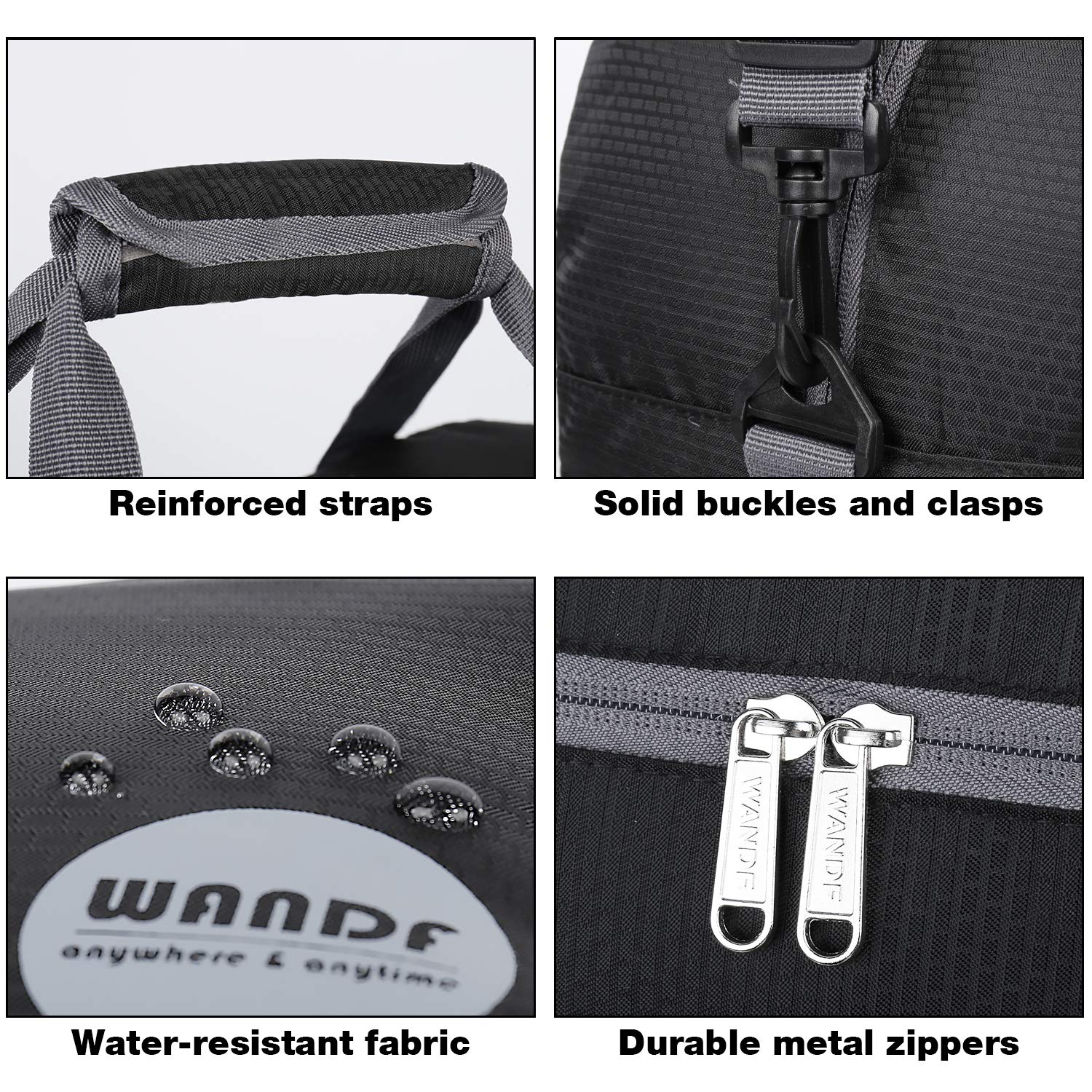
When evaluating foldable travel bags, specific construction details separate reliable companions from disappointing purchases. The best options utilize lightweight yet durable synthetic fabrics that balance minimal weight with tear resistance. Look for reinforced stress points at handles, zippers, and corners where bags typically fail under strain. High-quality zippers with substantial pull tabs function smoothly even when the bag is fully packed, while flimsy alternatives jam or break prematurely. The folding mechanism itself deserves careful examination—superior designs incorporate integrated storage pouches that the entire bag neatly packs into, often with secure straps or clips to keep it compact. Consider whether the bag features multiple carrying options: comfortable shoulder straps for hands-free transport, sturdy top handles for brief拎ing, or even luggage sleeve attachments for securing to rolling suitcases during transit.
How to Identify Problematic Construction Before Purchase
Watch for these red flags that indicate a foldable bag won’t withstand travel demands: ultra-thin, crinkly fabric that tears easily; single-stitch seams instead of reinforced double or triple stitching; tiny zipper pulls that are difficult to grasp when packed; and inadequate reinforcement at attachment points. Poorly constructed bags often have mismatched fabric tension when packed into their storage pouch, causing undue stress on seams. Before purchasing, mentally simulate packing the bag to capacity—would the handles maintain integrity? Would the base support the weight without sagging or tearing? Quality foldable bags maintain structural integrity even when filled to maximum capacity, while inferior options collapse under modest loads.
Size Selection Strategies for Different Travel Scenarios

Choosing the right capacity prevents the common mistake of bringing a bag that’s either too small to be useful or too large to pack efficiently. For business travelers extending trips unexpectedly, a compact 20-25 liter foldable duffel fits neatly inside a garment bag or under an airplane seat while providing space for an extra suit and essentials. Weekend adventurers benefit from 30-40 liter options that accommodate two days of clothing plus toiletries without becoming cumbersome. International travelers facing souvenir overload should consider 50-60 liter foldable bags that function as legitimate carry-ons when needed. The smart approach involves calculating your typical packing needs: measure the volume of items you’d add to your luggage mid-trip, then select a bag that accommodates that capacity without excessive empty space when packed.
Material Science Behind Durable Yet Lightweight Bags
The engineering behind quality foldable travel bags involves sophisticated material choices that deliver strength without weight. Premium options use high-denier ripstop nylon or polyester that resists tearing while maintaining flexibility. Many manufacturers apply water-resistant coatings that protect contents from light rain or spills without adding significant weight. The best bags feature strategic reinforcement—thicker material at the base for structure and durability, lighter fabric on the sides for minimal weight. Some advanced models incorporate ultralightweight but extremely strong materials like Cuben Fiber or Dyneema composites, though these typically command premium prices. When evaluating materials, stretch the fabric gently—quality construction maintains integrity without excessive give that would compromise shape when packed.
Why Fabric Weight Matters More Than You Think
The denier rating (a measure of fiber thickness) directly impacts both durability and packed size. Lower denier fabrics (100-200D) offer the lightest weight but sacrifice durability, making them suitable only for occasional use. Mid-range options (300-500D) provide the best balance for frequent travelers, resisting abrasion while remaining packable. Heavy-duty bags (700D+) withstand extreme conditions but pack less compactly and weigh more. The most versatile foldable bags use 420D to 500D fabrics that resist tearing from rough handling while maintaining a reasonable packed size. Water-resistant treatments further enhance functionality without adding significant weight—look for bags with durable water repellent (DWR) finishes that cause moisture to bead up and roll off rather than soak through.
Storage Solutions That Make Foldable Bags Truly Practical
The defining feature of these bags—their ability to collapse dramatically—requires thoughtful engineering to be genuinely useful. The most practical designs incorporate self-contained storage systems where the entire bag folds neatly into its own exterior or interior pocket. This eliminates the need for separate stuff sacks that inevitably get lost. Superior models feature compression straps that secure the folded package to a manageable size—typically no larger than a standard hardcover book. Some innovative designs include clip systems that attach the packed bag directly to your main luggage, ensuring it’s always accessible when needed. When evaluating storage capability, imagine packing the bag while traveling: can you do it with one hand in a crowded airport? Does it stay securely folded during transit? These practical considerations separate truly functional designs from theoretical solutions.
Real-World Applications Beyond Souvenir Storage
While many travelers initially purchase foldable bags for souvenir overflow, their versatility creates numerous unexpected applications. Business travelers use them as dedicated presentation cases that won’t trigger additional baggage fees. Families traveling with children employ smaller foldable bags as personal item carriers for each family member. Outdoor enthusiasts appreciate their ability to pack compactly while providing dry storage for wet gear after activities. Cruise passengers utilize them for shore excursions, keeping valuables secure while exploring ports. The most resourceful travelers keep a permanently packed foldable bag in their car trunk for unexpected opportunities—farmers market finds, garage sale treasures, or impromptu overnight stays. This adaptability transforms what seems like a single-purpose item into a multi-functional travel essential.
Maximizing Longevity Through Proper Care and Usage
Even the best foldable travel bags require proper maintenance to deliver years of reliable service. After each trip, empty the bag completely and allow it to air dry for 24 hours before folding and storing—trapped moisture causes mildew and fabric degradation. Clean exterior surfaces with a damp cloth and mild soap rather than machine washing, which can damage water-resistant coatings. Store your bag in its compact form but avoid compressing it under heavy objects that strain the fabric over time. Periodically inspect zippers for caught threads or debris that could cause damage during operation. Address minor issues immediately—a loose thread becomes a growing tear, a slightly sticky zipper becomes a broken one. With proper care, a quality foldable bag withstands dozens of trips while maintaining its functionality.
Strategic Integration Into Your Travel Routine
The true value of a foldable travel bag emerges when incorporated thoughtfully into your packing system. Pack it empty inside your main luggage for outbound trips, ensuring it’s available when needed on your return journey. Use it as a dedicated gym bag during extended stays, keeping workout clothes separate from clean clothing. When traveling with companions, designate one person to carry the foldable bag, distributing the minimal weight across your travel party. For international trips, research airline policies in advance—some carriers have strict size requirements for personal items that foldable bags must meet. The most experienced travelers maintain multiple foldable bags in different sizes, selecting the appropriate capacity for each trip rather than relying on a one-size-fits-all approach.
Making the Right Investment for Your Travel Patterns
Selecting the best foldable travel bag requires honest assessment of your specific travel needs rather than chasing generic “best of” lists. Frequent business travelers benefit from professional-looking designs that complement business attire and fit under airplane seats. Leisure travelers extending weekend trips need durable options that withstand rougher handling. Budget-conscious travelers might prioritize value over premium features, while luxury travelers may prefer designer collaborations. Consider how you’ll deploy the bag—will it serve as a personal item, checked luggage backup, or dedicated day bag? The right choice balances your typical travel scenarios with the bag’s capabilities, ensuring it gets regular use rather than gathering dust in storage.
When selecting your foldable travel bag, prioritize functionality over aesthetics and invest in the best quality your budget allows. The nearly weightless nature of these bags creates immediate packing advantages, while their ability to provide additional capacity without bulk solves one of travel’s most persistent frustrations. Remember that the best foldable bag for you aligns with your specific travel patterns rather than generic recommendations. With proper selection and care, a quality foldable travel bag becomes an indispensable travel companion that pays for itself through countless stress-free journeys. Before your next trip, ensure you have this simple yet transformative tool ready to handle whatever packing challenges arise along the way.