
You’re packing for a dream vacation, but your camera dilemma is ruining the excitement. That bulky DSLR is too heavy for all-day adventures, yet your smartphone just can’t capture those breathtaking landscapes properly. You need a travel camera that won’t break the bank but still delivers stunning photos. The good news is you don’t need to spend thousands to get professional-quality travel photography. Many travelers waste money on overpriced gear only to discover they’ve paid for features they’ll never use while missing essential travel-friendly capabilities. This guide cuts through the marketing hype to show you exactly what makes a camera truly affordable and practical for travel—not just the cheapest option that will disappoint you on your trip.
Finding the right balance between price, size, and performance is critical when choosing your travel companion. Most budget cameras fail travelers by compromising on the wrong features—sacrificing image stabilization for lower cost or offering tiny sensors that can’t handle low light. The best affordable travel cameras cost between $300-$600 and deliver exceptional value by prioritizing what actually matters when you’re exploring new destinations. After analyzing numerous travel photography scenarios, we’ve identified the specific features that separate genuinely useful travel cameras from those that end up collecting dust in your closet. You’ll learn exactly what to look for, which popular models deliver the best bang for your buck, and how to avoid common purchasing mistakes that turn your travel camera into expensive paperweight.
Compact Camera Features That Actually Matter for Travel

Why Sensor Size Determines Your Vacation Photo Quality
The sensor is the heart of your travel camera, and bigger isn’t always better—but too small is disastrous for travel photography. Compact cameras under $400 typically use 1-inch sensors, while premium compacts feature APS-C sensors similar to entry-level DSLRs. For travel, you need at least a 1-inch sensor to handle the variable lighting conditions you’ll encounter—from dimly lit temples to bright beach scenes. Smaller sensors (like those in budget point-and-shoots) produce noisy, grainy images in anything less than perfect lighting, ruining your travel memories. The Sony RX100 series demonstrates how a 1-inch sensor in a pocketable body captures remarkable detail even in challenging conditions, making it worth the extra $100 over cheaper alternatives with smaller sensors.
Image Stabilization: The Secret Weapon Against Blurry Travel Shots
Nothing frustrates travelers more than returning home to discover half their photos are blurry from camera shake. Optical image stabilization (OIS) is non-negotiable for travel photography, especially when shooting in low light or using zoom. Look for cameras with at least 3-axis stabilization, though 5-axis systems (like those in newer Panasonic Lumix models) provide dramatically better results when you’re shooting handheld on moving boats or while walking. Cameras with strong stabilization let you shoot at slower shutter speeds without a tripod—crucial when you’re trying to capture sunset colors without carrying extra gear. Without proper stabilization, you’ll miss countless photo opportunities because your camera simply can’t capture them clearly.
Pocketability vs. Performance: Finding Your Travel Sweet Spot
Many travelers make the mistake of choosing either ultra-compact cameras that compromise too much on image quality or near-DSLR sized “travel” cameras that defeat the purpose of traveling light. The ideal travel camera should fit in a front jacket pocket or small bag without drawing attention—critical for street photography and discreet shooting in sensitive locations. Models like the Canon G7 X series strike this balance perfectly, offering a 1-inch sensor and fast lens in a body barely larger than a smartphone. If you prioritize image quality over extreme compactness, the Fujifilm X100V delivers DSLR-like results in a slim package, though it costs closer to $1,000. For most travelers, cameras between 300-400g with fixed lenses provide the best compromise between portability and performance.
Top 3 Budget-Friendly Travel Cameras That Deliver Real Value
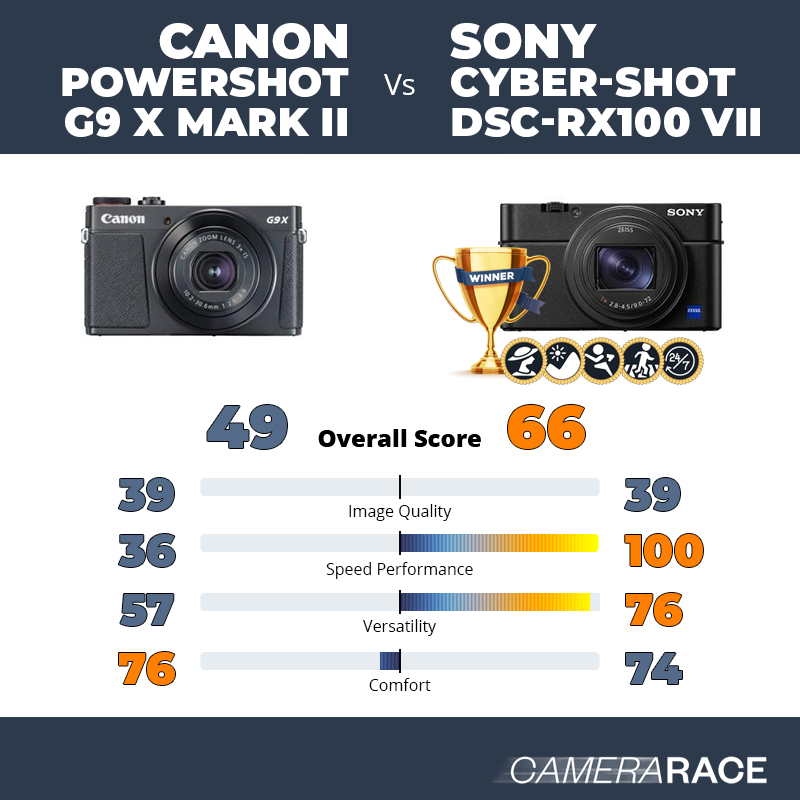
Sony RX100 VII: The Premium Compact That Justifies Its Price
Despite costing $1,200, the Sony RX100 VII delivers exceptional value for serious travel photographers who need one camera for everything. Its lightning-fast autofocus locks onto moving subjects—a lifesaver when photographing street markets or wildlife. The 24-200mm zoom range eliminates the need to carry multiple lenses, while the pop-up electronic viewfinder helps compose shots in bright sunlight. Unlike cheaper alternatives, the RX100 VII maintains excellent image quality throughout its zoom range, with minimal distortion or softness at the telephoto end. Travel photographers consistently praise its ability to switch instantly from wide landscape shots to tight portraits without changing equipment—a critical time-saver when opportunities disappear quickly.
Panasonic Lumix ZS200/TZ200: The Under-$600 Powerhouse
For travelers who need serious zoom without serious bulk, the Panasonic Lumix ZS200 delivers remarkable value at $700. Its 15x optical zoom (24-360mm equivalent) covers everything from group shots to distant landmarks, while the 1-inch sensor ensures quality doesn’t plummet at longer focal lengths. The integrated viewfinder, often missing on budget travel cameras, makes composition possible in bright conditions where LCD screens wash out. Most importantly, Panasonic’s industry-leading image stabilization lets you shoot at 1/15 second handheld at full zoom—something no smartphone can match. Travel bloggers consistently report that the ZS200 replaces both their phone camera and separate telephoto lens, making it one of the few true all-in-one travel solutions under $800.
Canon PowerShot G9 X Mark II: The Discreet Street Photography Essential
At just $450, the Canon PowerShot G9 X Mark II offers the perfect blend of pocketability and image quality for urban travelers and street photographers. Measuring barely larger than a credit card, it slips into any pocket while delivering sharp images from its 1-inch sensor and bright f/2.0-4.9 lens. The touchscreen interface works intuitively for quick shots, and the 3-inch screen flips for discreet waist-level shooting—ideal for capturing authentic street scenes without drawing attention. Unlike many budget compacts, the G9 X Mark II features RAW shooting capability, giving serious travelers post-processing flexibility normally found in more expensive models. The only significant compromise is the limited 3x zoom range, but street photography veterans argue this limitation actually improves composition discipline.
Avoid These 5 Costly Travel Camera Mistakes
Ignoring Battery Life Until You’re Stranded Without Power
Most compact cameras get 250-300 shots per charge, but travel conditions drain batteries faster than manufacturers advertise. Cold weather, constant zooming, and LCD screen usage can cut your shooting time in half. The Fujifilm X100V’s 350-shot rating drops to 150 shots when using the viewfinder extensively. Always carry at least one spare battery—better yet, choose cameras with USB charging like the Sony RX100 series so you can top up from power banks during long travel days. Nothing kills photo opportunities faster than watching your camera die at the top of a mountain with no way to recharge.
Falling for Megapixel Myths That Waste Your Travel Budget
Manufacturers love advertising “20+ megapixels!” but for travel photography, sensor size and quality matter far more than pixel count. A 12-megapixel 1-inch sensor (like in the Sony RX100) delivers cleaner, more detailed images than a 20-megapixel 1/2.3″ sensor (common in budget cameras). High megapixel counts on small sensors create larger files with more digital noise—especially problematic when cropping travel photos to reframe shots. Focus instead on low-light performance and dynamic range, which determine how well your camera handles the challenging lighting conditions you’ll face while traveling.
Essential Travel Camera Accessories That Won’t Weigh You Down
The $20 Filter That Saves Your Beach and Mountain Shots
A circular polarizing filter is the single most valuable accessory for travel photography, eliminating glare from water and windows while deepening blue skies. Unlike smartphones, dedicated cameras let you physically attach this game-changing tool that reveals details invisible to phone cameras. For compact travel cameras, a 40.5mm or 49mm filter fits most models while adding minimal bulk. The difference is dramatic—compare any beach photo with and without polarization to see reflections disappear and underwater details emerge. At $15-25, it’s the most cost-effective upgrade for travel photographers.
Final Note: The best affordable travel camera balances image quality, portability, and essential features without unnecessary expense. Focus on sensor size, image stabilization, and pocketability rather than megapixel counts or excessive zoom ranges. The Sony RX100 VII, Panasonic ZS200, and Canon G9 X Mark II deliver exceptional value for different travel styles—all under $1,200 with the right accessories. Most importantly, choose a camera you’ll actually carry everywhere—no photo opportunity is worth lugging equipment that ends up staying in your hotel room. Before your next trip, test your camera’s low-light performance and battery life to avoid missing those once-in-a-lifetime moments that define your travel experience.