
Imagine diving into turquoise waters on a tropical vacation only to realize your expensive DSLR is safely tucked away in your hotel room. Or hiking through a sudden downpour on a mountain trail, frantically shoving your smartphone deep into your backpack to protect it from the elements. These frustrating scenarios disappear when you have the right waterproof travel camera in your gear. For travelers who refuse to let weather or water conditions dictate their photographic opportunities, a dedicated waterproof camera transforms adventures by ensuring you’re always ready to capture spontaneous moments—whether you’re snorkeling among coral reefs, kayaking through rapids, or simply caught in an unexpected rainstorm. This guide cuts through the marketing hype to help you identify the features that truly matter for your specific travel photography needs.
Why Waterproof Cameras Outperform Smartphones for Adventure Travel
Immediate Readiness Without Compromises
Smartphones require cumbersome waterproof cases that degrade touchscreen functionality and add bulk to your pocket. Even with protection, most phone cases limit underwater depth to shallow swimming and require careful maintenance of seals. Dedicated waterproof cameras eliminate this preparation step entirely—you simply take them from your pocket and start shooting, whether you’re waist-deep in ocean surf or caught in a sudden tropical downpour. The instant accessibility means you capture genuine moments rather than fumbling with protective gear while the perfect shot disappears.
Superior Underwater Color Reproduction
Water acts as a filter that progressively removes color wavelengths as you descend, with reds disappearing first followed by oranges and yellows. Most smartphone cameras lack the specialized white balance settings needed to compensate for this underwater color loss, resulting in flat, blue-tinted images even in relatively shallow depths. Waterproof travel cameras include dedicated underwater shooting modes that automatically adjust color balance to restore natural tones, allowing you to capture vibrant coral reefs and colorful fish without post-processing. This specialized processing happens in real-time, so you can see accurate colors through the viewfinder or LCD screen while shooting.
Unmatched Durability for Real-World Travel
The occasional drop is inevitable during travel, but smartphones with glass screens and aluminum frames sustain damage from impacts that waterproof cameras withstand regularly. Purpose-built travel cameras feature reinforced corners, shock-absorbing exteriors, and internal component mounting that survives drops from 6-7 feet onto hard surfaces. This rugged construction means you can confidently toss your camera into a daypack without protective padding or use it while kayaking without constant worry about accidental impacts against the boat’s sides. For travelers who prioritize experiences over equipment anxiety, this peace of mind transforms how you engage with your surroundings.
Critical Features That Separate Good From Great Waterproof Cameras

Depth Ratings That Match Your Adventure Level
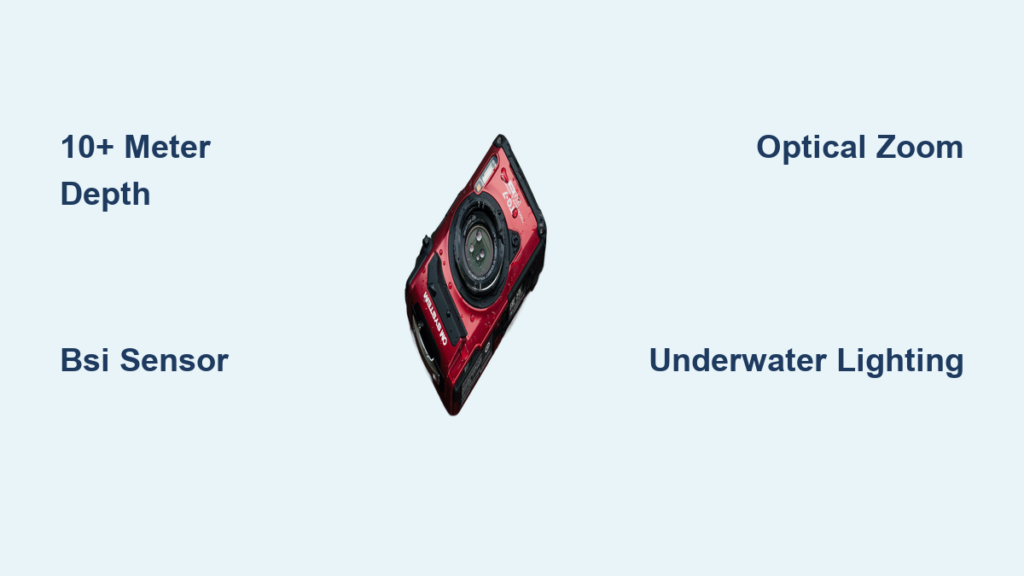
Not all waterproof cameras offer equal protection. Basic models typically provide IPX8 certification for 10 meters of depth for 60 minutes—sufficient for poolside splashes and brief submersion, but inadequate for serious snorkeling. Intermediate models reach 15-20 meters, allowing comfortable shooting while swimming at snorkeling depths where most underwater photography occurs. Advanced models exceed 30 meters, supporting serious freediving photography with minimal color correction needed. Crucially, depth ratings assume proper maintenance of seals; neglecting to rinse after saltwater exposure or forcing closed compartments with debris can compromise even the highest-rated waterproofing. Always match the camera’s certified depth to your deepest intended shooting scenario with a comfortable safety margin.
Sensor Technology That Performs in Challenging Light
Water absorbs light rapidly, with significant reduction occurring within the first 10 feet of depth. Quality waterproof cameras incorporate backside-illuminated (BSI) sensors that capture more available light than traditional sensors of the same size. Combined with wide maximum apertures (f/2.0-f/2.8), these sensors maintain image quality even in the dim conditions found just a few meters below the surface. Look for models with ISO sensitivity reaching 12,800 or higher while maintaining acceptable noise levels—this capability proves invaluable for capturing twilight beach scenes or indoor shots in dimly lit cultural sites without flash. The best models also feature advanced noise reduction algorithms that preserve detail while minimizing digital grain in low-light situations.
Zoom Capabilities That Expand Your Creative Options
Fixed wide-angle lenses dominate action cameras but severely limit composition options for traditional photography. The most versatile waterproof travel cameras include optical zoom ranges of 3x-5x, allowing you to frame subjects tightly without losing quality. Optical zoom maintains resolution throughout its range, unlike digital zoom which simply crops the image sensor. For wildlife encounters or distant landscapes, this capability means capturing usable images from a respectful distance without disturbing animals or missing opportunities. Some premium models now offer 10x optical zoom in waterproof bodies, though these typically sacrifice some depth rating or add bulk to accommodate the larger lens assembly.
Smart Accessory Choices That Maximize Your Camera’s Potential

Underwater Lighting That Restores Natural Colors
Even the best waterproof cameras struggle with color accuracy beyond 10 feet of depth due to water’s light-filtering properties. Compact external LED lights attach via accessory ports or housing mounts to illuminate subjects with full-spectrum light, revealing vibrant colors that would otherwise be lost. These lights prove particularly valuable for macro photography of small reef creatures where proximity allows the light to effectively reach the subject. For casual travelers, built-in LED fill lights provide basic assistance, but serious underwater photographers should consider investing in at least one external light source that can be positioned to avoid backscatter from water particles.
Protective Housing That Extends Depth Capability
While most waterproof cameras have impressive depth ratings, specialized housings exist that extend capabilities for serious underwater enthusiasts. These housings, typically rated for 40-60 meters, transform standard snorkeling cameras into capable scuba photography tools. Quality housings maintain full camera functionality with ergonomic controls and optical-grade glass ports that don’t degrade image quality. Before purchasing, verify housing compatibility with your specific camera model—many housings are designed for exact model variants due to minor dimensional differences between camera iterations. The investment proves worthwhile for travelers planning multiple diving trips, effectively doubling your camera’s useful lifespan across different aquatic environments.
Storage Solutions That Prevent Data Loss
Water and electronics create unique data risks that demand specialized storage considerations. Standard SD cards can suffer corrosion if exposed to moisture after removal from the camera, potentially destroying irreplaceable travel memories. Waterproof memory cards with sealed connectors protect against this risk during transfer to your computer or backup device. Additionally, consider carrying multiple smaller capacity cards rather than one large card—this practice limits potential data loss if one card becomes corrupted. For extended trips without computer access, portable SSD drives provide reliable backup options that withstand travel conditions better than traditional hard drives.
Maintenance Practices That Extend Your Camera’s Lifespan
Post-Use Cleaning Protocol That Preserves Seals
After saltwater exposure, immediate and thorough rinsing prevents salt crystal formation that can compromise waterproof seals. Submerge the camera in fresh water for several minutes, gently pressing all buttons to flush salt from internal mechanisms. Pay special attention to lens rings and zoom mechanisms where salt accumulates. After rinsing, wipe dry with a microfiber cloth and leave the battery/memory card doors open in a dry location for 24 hours before storage. Never force compartments closed if they feel sticky—this indicates residual salt that requires additional rinsing.
Seal Inspection and Care That Maintains Waterproof Integrity
Rubber seals degrade over time due to UV exposure, temperature fluctuations, and salt residue. Before each significant water use, inspect all seals for cracks, deformities, or embedded debris. Clean with a soft cloth dampened with fresh water—never use petroleum-based lubricants which deteriorate rubber compounds. Apply a thin layer of silicone-based seal lubricant annually to maintain flexibility. Most manufacturers recommend replacing seals every 18-24 months for frequently used cameras, a simple maintenance task that prevents costly water damage.
Battery Management That Ensures Reliability
Cold water temperatures significantly reduce battery performance, sometimes cutting capacity by 30-40% during extended underwater sessions. Carry at least one spare battery stored in an insulated container close to your body to maintain operating temperature. Before diving, fully charge batteries and avoid exposing them to extreme temperature changes that stress cells. For long trips without reliable power sources, consider models with standard AA batteries that can be replaced anywhere in the world, though these often sacrifice some waterproofing depth compared to proprietary battery designs.
Final Note: Choosing the best waterproof travel camera means matching capabilities to your specific adventure style rather than chasing maximum specifications. For casual beach vacations and poolside use, a compact model with 10-meter depth rating provides ample capability. Snorkelers and beginner divers should prioritize 15-20 meter depth ratings with good low-light performance. Serious underwater photographers might consider stepping up to specialized housings for mirrorless cameras, though these sacrifice the point-and-shoot convenience that makes dedicated waterproof cameras so valuable for spontaneous travel moments. Regular maintenance and proper accessory selection extend your camera’s usefulness across countless adventures, transforming it from a simple tool into a reliable companion that ensures you never miss capturing life’s wettest, most spontaneous moments.