
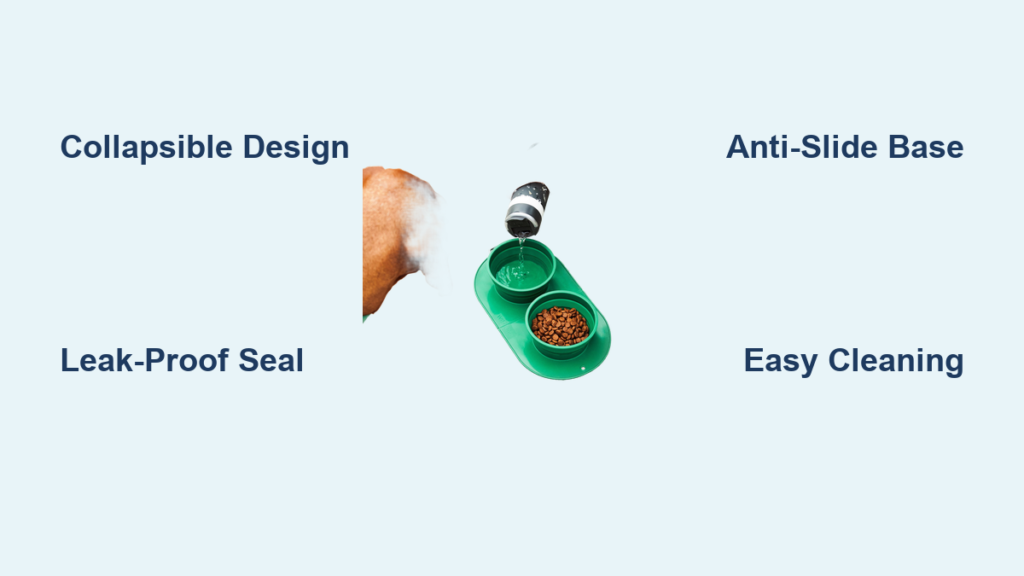
Nothing ruins a road trip faster than a dehydrated dog panting in the back seat. When your furry co-pilot can’t access water easily during travel, their discomfort quickly becomes your emergency. The best dog travel bowls solve this problem with smart designs that keep water accessible, minimize spills, and fit seamlessly into your vehicle or pack. Whether you’re embarking on cross-country adventures or just running errands with your pup, having the right portable bowl ensures your dog stays hydrated without creating messes that damage your car interior or gear.
Most pet owners discover too late that regular bowls don’t work for travel—spills everywhere, awkward storage, and constant refills. After testing dozens of options across different travel scenarios, I’ve identified exactly what separates reliable travel bowls from frustrating gimmicks. This guide cuts through marketing hype to show you which features actually matter for real-world use, how to match bowls to specific activities, and what mistakes most travelers make when selecting their first portable bowl.
How the Right Travel Bowl Prevents Dangerous Dehydration
Dogs can’t tell you when they’re thirsty—they rely on you to recognize signs of dehydration like dry gums, excessive panting, and lethargy. During travel, these symptoms escalate quickly as motion and excitement increase water needs. A dedicated travel bowl gives you immediate response capability when your dog shows early warning signs.
Why makeshift solutions fail during critical moments
– Cups and water bottles force unnatural drinking positions that discourage adequate hydration
– Overturned containers create messes that distract drivers and damage vehicle electronics
– Unstable bowls slide away as dogs try to drink, causing frustration and reduced water intake
Emergency hydration protocols every traveler should know
– If your dog shows severe dehydration signs, stop immediately and offer small amounts of water frequently
– Never force a dehydrated dog to drink large quantities at once (risk of vomiting)
– Add electrolyte supplements to water only when recommended by your veterinarian
Collapsible vs. Rigid: Which Dog Travel Bowl Type Suits Your Adventures?
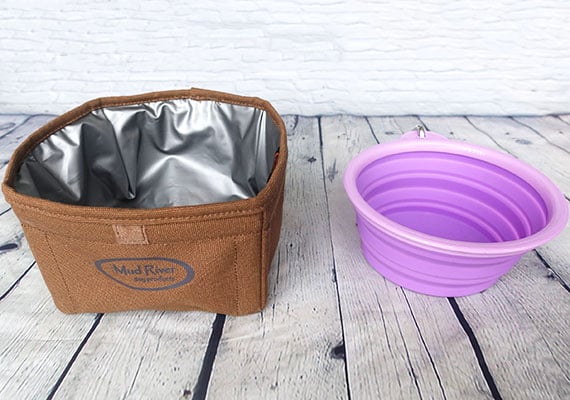
Your travel style determines the optimal bowl design. Each type solves specific problems while introducing unique limitations you must consider before purchasing.
Why Collapsible Silicone Bowls Dominate Road Trips
90% of frequent travelers prefer collapsible silicone designs for good reason—they disappear when empty but expand to full capacity when needed. Look for these critical features:
– Sealed roll-top closures that prevent leaks during sudden stops
– Integrated carabiner clips for secure attachment to seatbacks or crates
– Wide 4-6 inch openings that accommodate full muzzle access without neck strain
Pro Tip: Test potential purchases by filling with water, sealing completely, then shaking vigorously in your car for 5 minutes—any leakage means it fails real-world conditions.
When Rigid Plastic Bowls Outperform Collapsible Options
Despite their bulk, rigid bowls excel in specific scenarios:
– Crate travel: Maintain shape when pressed against crate walls
– Multi-day camping: Won’t degrade from repeated setup/teardown
– Multiple dog households: Prevent resource guarding with individual bowls
Warning: Avoid thin plastic bowls that develop micro-scratches—these harbor bacteria that cause “kennel cough” from contaminated water.
Must-Have Features That Actually Prevent Spills
Marketing claims about “spill-proof” designs often mislead travelers. True spill prevention requires specific engineering details most shoppers overlook.
The Leak Test Every Traveler Should Perform
Before trusting a bowl on your trip:
1. Fill to manufacturer’s stated capacity
2. Seal completely using all closure mechanisms
3. Shake vigorously for 1 minute while inverted
4. Place in bag overnight under normal travel conditions
Bowls that pass maintain integrity during emergency stops and bumpy roads—critical for protecting your vehicle’s electronics from water damage.
Anti-Slide Technology That Keeps Bowls in Place
Dogs push bowls while drinking, creating dangerous distractions. Effective stability features include:
– Rubberized bases with textured grip patterns
– Weighted bottoms that resist movement
– Magnetic attachments for metal surfaces
– Strap systems that anchor to seat tracks
Expert Note: Wide, shallow bowls with 1-2 inch depth provide optimal stability for most dogs—they’re harder to tip while allowing full access to water.
Matching Bowl Size to Your Dog’s Actual Drinking Needs
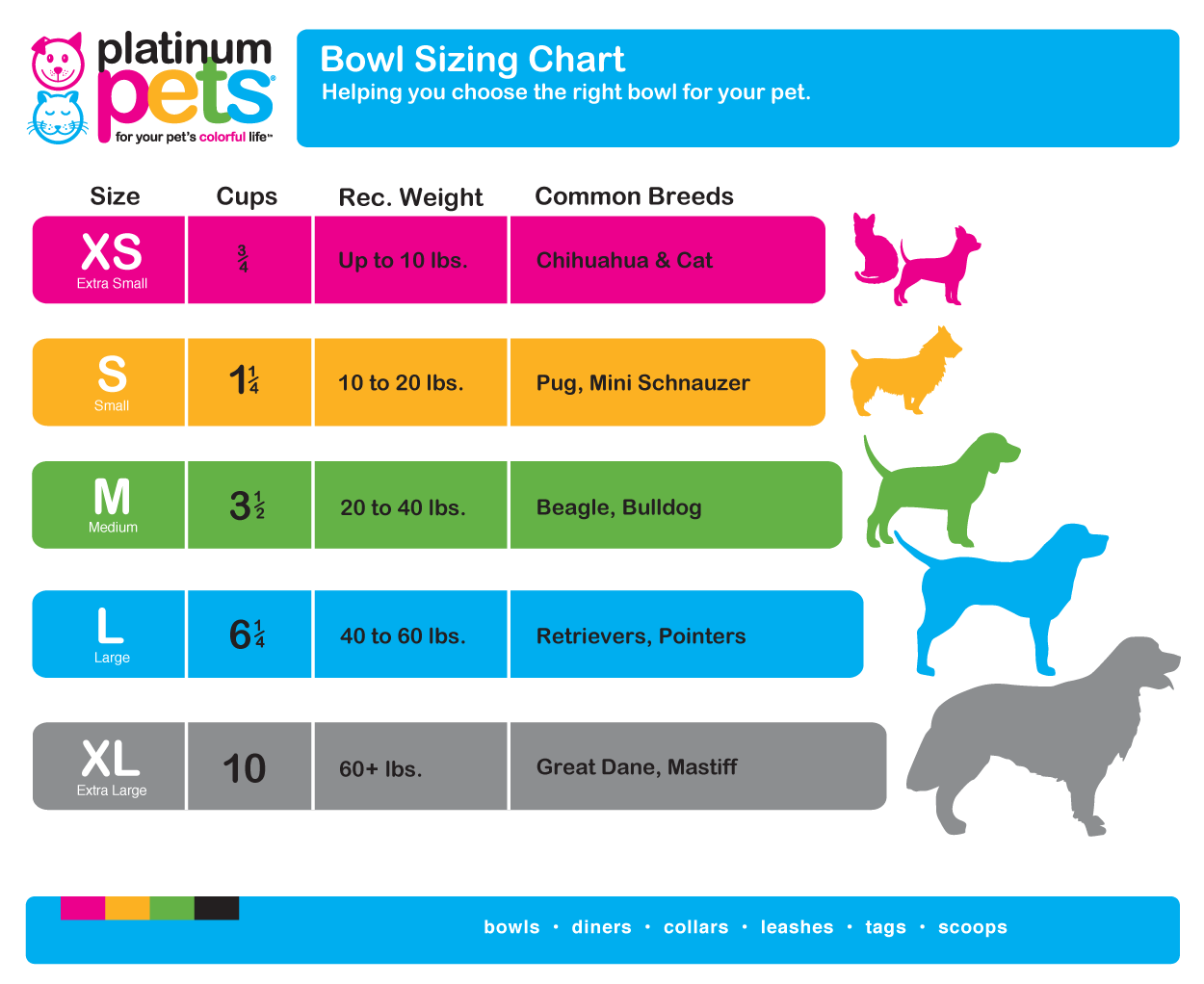
Manufacturer capacity claims often mislead—your dog can’t access water trapped in narrow necks or under rims. Choose based on your dog’s physical drinking requirements.
Small Dog Travel Solutions (Under 20 lbs)
Tiny breeds need specialized designs:
– Maximum 12 oz capacity to prevent water stagnation
– Shallow 0.5-1 inch depth for comfortable lapping
– Bright colors that contrast with terrain for easy location
Common Mistake: Using standard collapsible bowls designed for larger dogs—the steep sides force small breeds to awkwardly reach, reducing water intake.
Large Breed Hydration Systems (Over 50 lbs)
Big dogs require strategic solutions:
– Minimum 48 oz capacity to avoid constant refilling
– Wide 8+ inch bases that resist displacement
– Reinforced seams that withstand enthusiastic drinking
Pro Tip: Double-stack collapsible bowls for large breeds—fill the outer layer first, allowing inner bowl to gradually expand as water level drops.
Material Safety Secrets Most Shoppers Miss
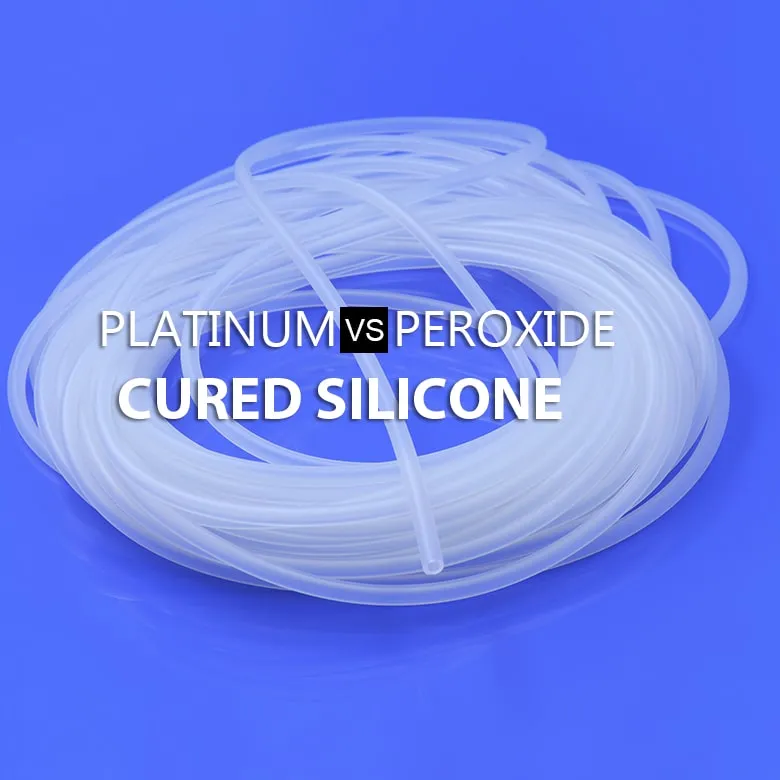
Not all “food-grade” materials perform equally during travel conditions. Critical considerations include:
Silicone Quality Indicators That Matter
- Platinum-cured vs. peroxide-cured: Platinum produces fewer chemical byproducts
- Odor retention: High-quality silicone won’t retain food smells after washing
- Temperature resistance: Should remain flexible from -40°F to 400°F
Warning: Avoid bowls with “soft touch” coatings—they peel during cleaning, creating bacterial traps.
Plastic Safety Red Flags
Even BPA-free plastics can pose risks:
– Scratch resistance: Deep grooves harbor bacteria
– UV stability: Some plastics degrade in sunlight, releasing chemicals
– Dishwasher safety: Confirm top-rack only vs. full dishwasher compatibility
Cleaning Protocols for Travel Bowl Longevity
Most travelers neglect proper cleaning, shortening bowl lifespan and risking bacterial contamination.
On-the-Road Cleaning Method That Works
When full washing isn’t possible:
1. Rinse thoroughly with clean water
2. Wipe interior with microfiber cloth
3. Air dry completely before storage
4. Store fully expanded (not collapsed)
Critical Step: Never store damp silicone bowls collapsed—this creates perfect conditions for mold growth in folded seams.
Deep Cleaning Schedule Based on Usage
| Travel Frequency | Deep Cleaning Required | Recommended Method |
|---|---|---|
| Daily use | Every 3 days | Dishwasher on top rack |
| Weekly trips | Weekly | Vinegar soak + brush |
| Occasional use | Monthly | Baking soda scrub |
Budget vs. Premium: Where to Invest Your Money
Smart shoppers know where to splurge and where to save when purchasing travel bowls.
$10-$15 Budget Bowls Worth Buying
Look for these features in affordable options:
– Platinum-cured silicone construction
– Roll-top closure system
– Carabiner attachment point
– Minimum 1-year warranty
Value Tip: Purchase two identical budget bowls—one for water, one for food—to avoid cross-contamination.
$30+ Premium Features That Deliver Real Value
Worth the investment if you:
– Travel weekly or more frequently
– Need airline-compliant designs
– Require dual food/water functionality
– Want integrated filtration systems
Warning: Avoid gimmicks like “self-cleaning” technology—these add cost without meaningful benefits for most travelers.
Final Decision Checklist Before Purchase
Answer these questions to select your perfect travel bowl:
- Will it survive my worst road trip? (Tested with vigorous shaking when full)
- Does it fit my storage constraints? (Measures against glove compartment/backpack space)
- Can my dog actually drink from it? (Observe during trial period)
- Will it stay put during enthusiastic drinking? (Tested on car floor surface)
- Is cleaning practical during travel? (Evaluate based on your typical trip duration)
The best dog travel bowls disappear into your routine until needed, then perform flawlessly when hydration becomes critical. Choose based on your actual travel patterns rather than marketing claims, and you’ll transform stressful dehydration emergencies into smooth, enjoyable adventures with your four-legged companion. Remember—your dog’s health on the road depends on equipment that works when you need it most, not just when it looks good in product photos.