
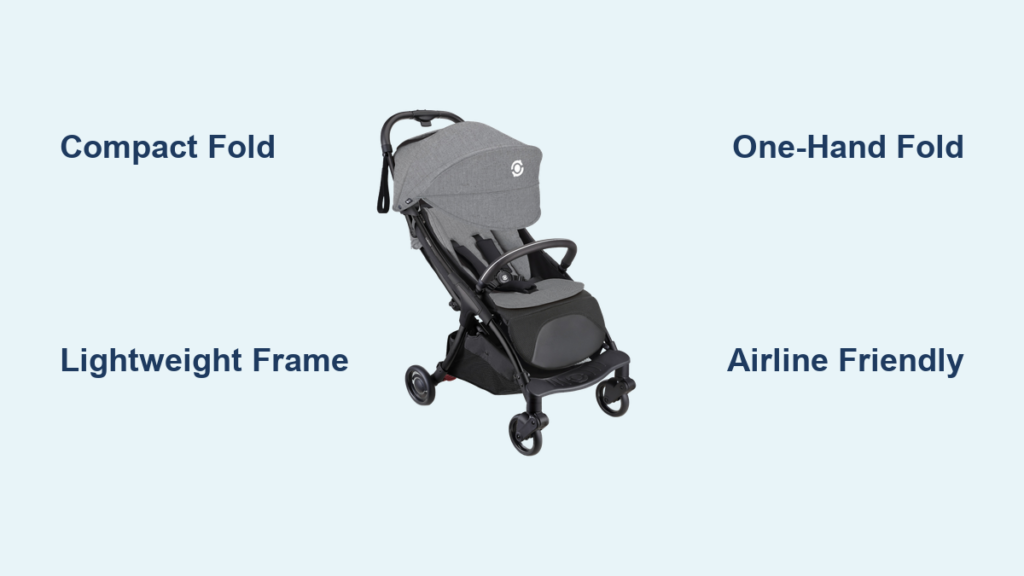
Traveling with children shouldn’t mean sacrificing convenience for comfort. When your stroller takes up half your hotel room or barely fits in overhead storage, you quickly realize not all portable strollers deliver on their promises. Parents worldwide struggle with bulky designs that defeat the purpose of “travel-friendly” claims, leaving them wrestling with complicated folding mechanisms at airport gates or navigating narrow European streets. Discovering the right compact stroller transforms your family adventures from stressful logistics to seamless experiences. In this guide, we’ll help you identify the critical features that separate genuinely travel-ready strollers from those that merely claim to be, so you can focus on creating memories rather than managing equipment.
Why Standard Strollers Fail Travelers
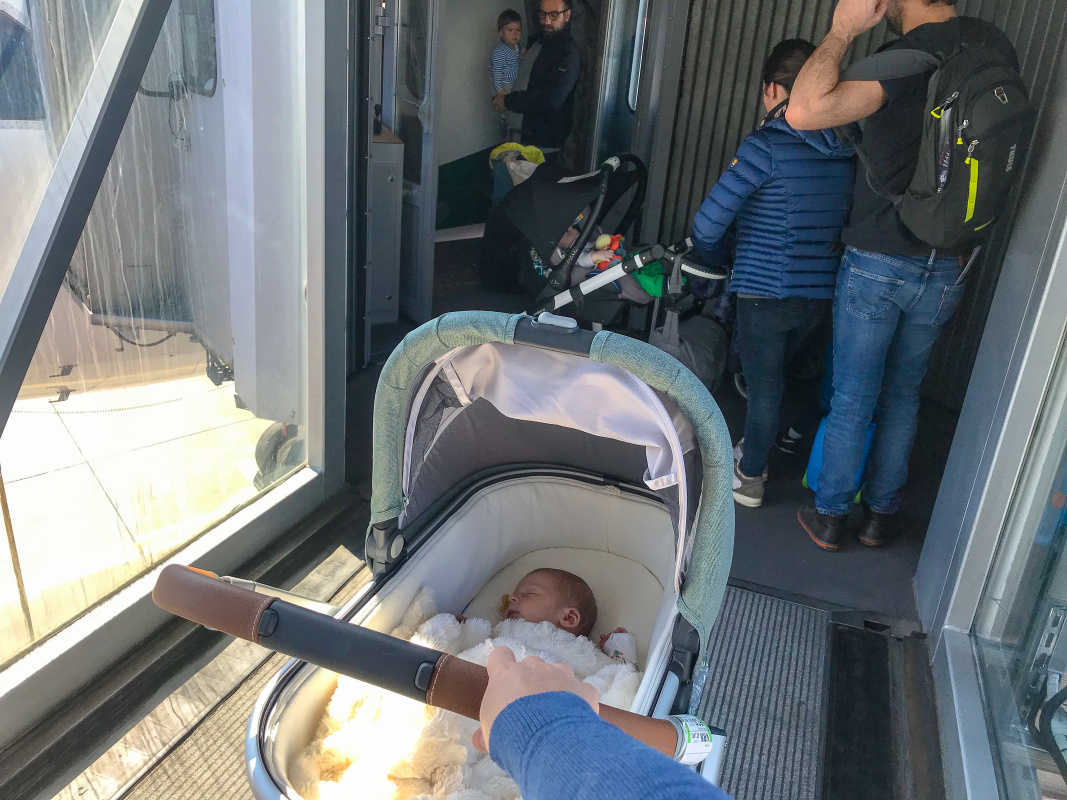
Most parents quickly learn that conventional strollers become liabilities during travel. Their extended wheelbases catch on narrow airplane aisles, and their complex folding mechanisms require both hands and significant space—luxuries rarely available in crowded terminals. When folded dimensions exceed 20×15×10 inches, you’ll face gate-checking hassles and potential damage during transit. The weight factor proves equally problematic; strollers tipping scales above 15 pounds transform from convenience to burden when navigating multiple flights or public transportation. Understanding these pain points helps identify what truly matters in a travel stroller.
How Airline Requirements Dictate Stroller Selection
What dimensions actually fit in airplane overhead bins?
Most major airlines permit carry-on items measuring up to 22×14×9 inches, but stroller dimensions require careful interpretation. The critical measurement is your stroller’s folded profile when carried—not just the listed folded size. Many models technically meet size requirements but become unwieldy when attached to your carry-on bag. Look for strollers specifically designed with a narrow profile that won’t catch on aisle seats during boarding.
When gate checking becomes unavoidable
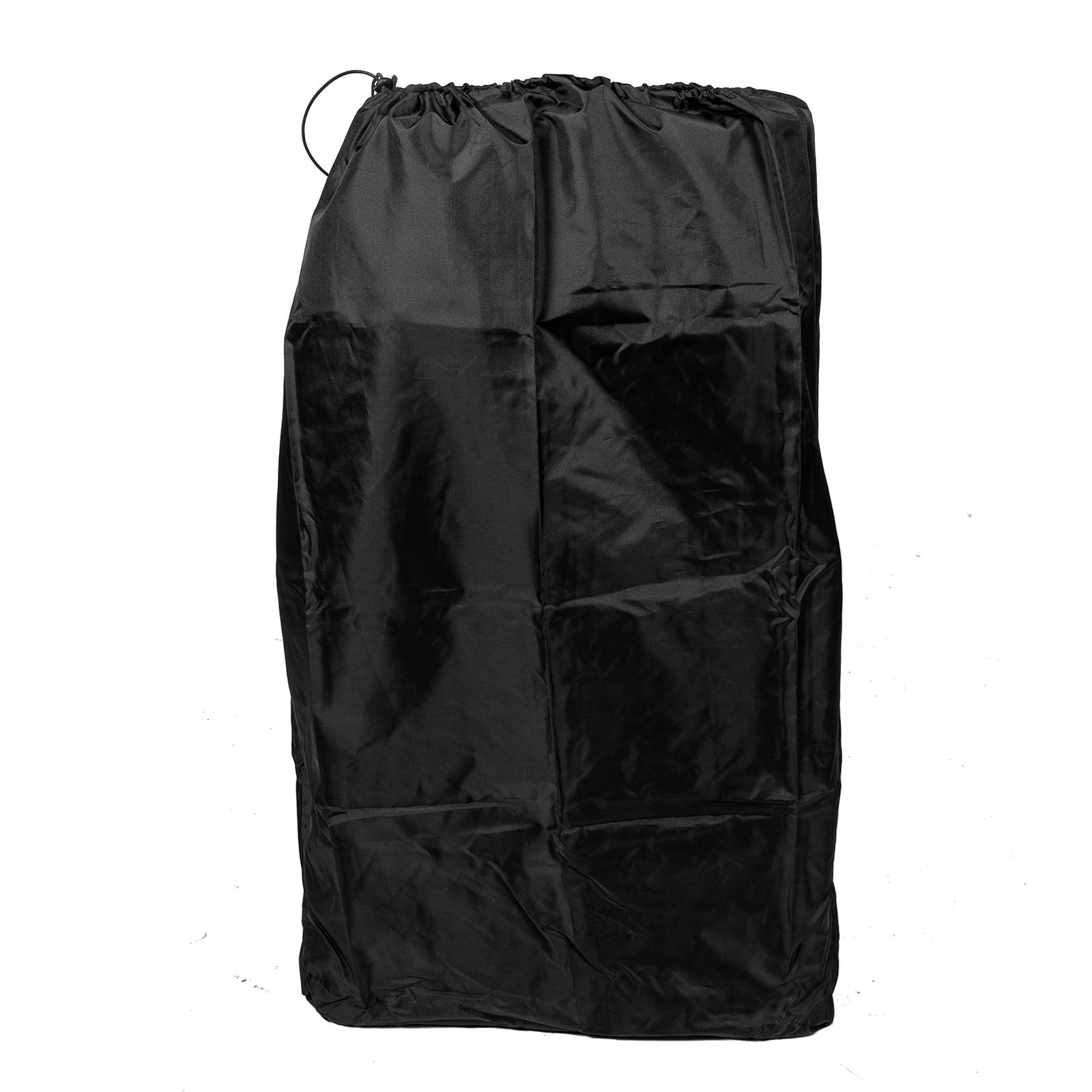
Even with compact designs, some travel scenarios necessitate gate checking. The difference between models becomes apparent here: strollers with integrated protective bags prevent damage during handling, while those without leave your investment vulnerable to broken wheels or snapped mechanisms. Airlines won’t compensate for damaged strollers, making protective features non-negotiable for frequent travelers.
Essential Features of a True Travel Stroller

The market overflows with “compact” and “travel-friendly” claims, but only certain features genuinely serve traveling families. Understanding what separates marketing hype from practical functionality saves both money and frustration.
Weight vs. Durability Balance
Finding the sweet spot between light and sturdy
The ideal travel stroller balances featherlight construction with sufficient durability for regular use. Models under 12 pounds often sacrifice structural integrity, leading to wobbly frames on uneven surfaces. Conversely, strollers exceeding 15 pounds defeat the purpose of portability. The optimal range falls between 12-14 pounds—light enough for single-handed carrying yet robust enough for daily use.
Material matters more than you think
Aluminum frames typically offer the best strength-to-weight ratio, but manufacturing quality varies significantly between brands. Look for aircraft-grade aluminum with reinforced stress points at folding mechanisms. Avoid plastic components in critical structural areas, as they’re prone to cracking during temperature changes common in airplane cargo holds.
Folding Mechanism Reliability
One-hand fold: essential or overrated?
While one-hand folding seems like a luxury feature, it becomes essential when managing luggage, tickets, and children simultaneously. However, not all one-hand mechanisms work equally well. Test folding actions for smoothness and consistency—some require precise pressure points that prove frustrating when rushed. The best designs allow folding while the stroller remains upright, preventing accidental tipping during the process.
How compact is compact enough?
Don’t trust manufacturer claims about folded size—real-world measurements often differ. The most travel-friendly strollers achieve dimensions under 18×14×8 inches when folded, allowing them to fit in compact car trunks, under restaurant tables, and in small hotel rooms. Pay particular attention to the folded height; taller profiles become difficult to store in overhead bins.
Top Performance Considerations Beyond Portability
Travel strollers must perform well beyond just folding small—they need to handle diverse environments while keeping children comfortable.
Maneuverability Across Surfaces
Navigating cobblestone streets and airport terminals
Swivel front wheels prove invaluable for tight turns in crowded spaces, but they should lock for stability on uneven terrain. The best travel strollers feature wheels large enough to handle cobblestones yet small enough to maintain a compact profile. Look for pneumatic tires on higher-end models, which provide shock absorption without adding significant weight.
One-handed steering capability
When your other hand manages luggage or a ticket, smooth one-handed steering becomes crucial. Test how easily the stroller turns with minimal effort—some lightweight models develop a “darting” tendency that requires constant correction. The ideal travel stroller tracks straight with light pressure and responds predictably to directional changes.
Comfort Features That Make or Break Trips
Adequate recline for travel naps
Extended upright positions cause discomfort during long journeys. The best travel strollers offer near-flat recline options without compromising folded size. Avoid models where recline mechanisms significantly increase folded dimensions—some clever designs maintain compactness while providing comfortable resting positions.
Canopy effectiveness in varied climates
A UPF 50+ canopy with extended coverage protects against sun exposure during outdoor exploration, but breathability matters equally in warm climates. Look for canopies with peek-a-boo windows that allow ventilation without sacrificing sun protection. Removable liners provide adaptability for different weather conditions.
Smart Buying Strategies for Travel Parents
Purchasing a travel stroller requires balancing immediate needs with long-term versatility.
When to invest in premium models
Evaluating total cost of ownership
While budget options tempt with lower prices, frequent travelers often find themselves replacing cheaper models within a year due to broken mechanisms or worn materials. Premium strollers typically offer longer warranties, replaceable parts, and better resale value. Calculate your expected usage frequency—if you travel more than 4-5 times annually, the investment usually pays off through durability and reduced replacement costs.
Identifying genuinely useful accessories
Some accessories prove essential for travel: detachable storage baskets handle souvenirs and purchases, while travel bags with shoulder straps transform folded strollers into true carry-ons. Avoid gimmicky add-ons that add weight without solving specific travel problems. The most valuable accessories integrate seamlessly with your existing travel system.
Testing Before You Buy
What to check beyond folded size
Many parents focus solely on folded dimensions but neglect to test unfolded stability. Shake the stroller gently to check for frame rigidity—excessive wobble indicates potential durability issues. Practice folding and unfolding multiple times to assess mechanism reliability. Pay attention to where your fingers naturally position during folding to avoid pinching hazards.
Weight distribution testing
Carry the folded stroller for several minutes to evaluate comfort. Some lightweight models concentrate weight poorly, causing shoulder strain despite low overall weight. The best designs distribute weight evenly with comfortable carrying positions that don’t dig into your shoulder during extended walks.
Maintaining Your Travel Stroller for Longevity
Proper care extends your stroller’s lifespan significantly, especially important for frequent travelers facing varied environmental conditions.
Cleaning After International Adventures
Removing sand and debris from folding mechanisms
Coastal destinations and beach vacations leave behind fine sand that infiltrates folding joints. After beach trips, tap folded strollers firmly to dislodge particles before unfolding. Use compressed air for stubborn debris in hinge areas—never force folding mechanisms that feel gritty.
Protecting against humidity damage
Tropical destinations expose strollers to high humidity that accelerates metal corrosion. Wipe down aluminum frames with a dry cloth after exposure to salt air or heavy moisture. Apply a light coating of silicone lubricant to moving parts after thorough drying to prevent rust formation.
Final Considerations Before Your Purchase
Choosing the right travel stroller requires matching features to your specific travel patterns rather than chasing the absolute lightest or smallest model.
Matching Stroller to Your Travel Style
Urban explorers versus resort travelers
If your trips focus on city exploration with extensive walking, prioritize maneuverability and compact folded size. Resort travelers might value comfort features more heavily, as they’ll use the stroller primarily for pool-to-room transportation. Air travelers need the most compact folded dimensions, while road trippers can consider slightly larger models with enhanced comfort.
Considering your child’s age and size
A stroller perfect for toddlers might struggle with larger preschoolers. Check both weight and height limits—some compact models accommodate only younger children. The best travel strollers support children up to 50 pounds, providing years of use rather than becoming obsolete as your child grows.
Final Note: The perfect travel stroller balances compact folded dimensions with reliable performance across varied environments. Focus on verified folded measurements rather than marketing claims, prioritize smooth folding mechanisms you can operate one-handed, and never sacrifice essential safety features for the sake of portability. When properly selected, your travel stroller becomes an invisible asset—present when needed but never a burden to manage. Before your next family adventure, invest time testing potential models with your specific travel scenarios in mind. The right choice transforms transportation logistics from a stress point into seamless support for creating lasting family memories.