
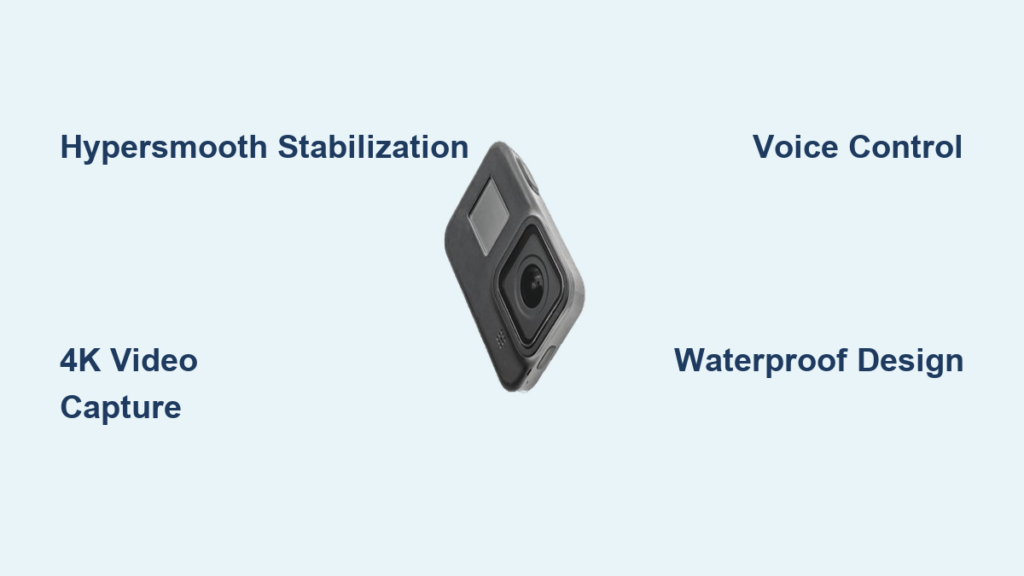
When you’re exploring ancient ruins, hiking mountain trails, or snorkeling tropical reefs, the best GoPro camera for travel becomes your silent companion that captures every moment without weighing down your pack. Forget bulky DSLRs or fragile smartphones—GoPro’s compact action cameras deliver the perfect blend of portability, durability, and automatic processing that lets you focus on experiencing your journey rather than fiddling with camera settings. This guide cuts through the marketing hype to reveal exactly which GoPro model matches your travel style, budget, and documentation needs.
The right travel camera shouldn’t feel like a burden but an extension of your adventures. With GoPro models ranging from $190 to nearly $300, understanding which features actually matter for your specific travel scenarios prevents costly mistakes. Whether you’re documenting family vacations or creating content for social media, this analysis draws from technical specifications, user feedback, and real-world travel applications to help you select the ideal GoPro that disappears into your gear yet captures memories worth keeping.
Why GoPro Cameras Dominate Travel Photography
GoPro’s 1.75 × 2.44 × 1.26-inch frame and 4.2-ounce weight make it the ultimate stealth photographer that fits anywhere—even your pocket during city exploration. Unlike smartphones that attract attention in crowded markets or DSLRs requiring protective cases, the GoPro’s rugged build withstands sand, rain, accidental drops, and temperature extremes without special preparation. This “grab-and-go” reliability means you’ll actually use it consistently, capturing spontaneous moments you’d otherwise miss with bulkier equipment.
The 33-foot waterproof rating transforms aquatic adventures from stressful documentation challenges into effortless experiences. Snorkeling coral reefs? Just dive in. Caught in a tropical downpour? Keep filming. This eliminates the anxiety of water damage that plagues smartphone travelers and avoids the cumbersome housing requirements of traditional cameras. Many travelers report capturing their most authentic underwater moments simply because the GoPro was always ready—no setup time, no hesitation.
Voice control functionality like “GoPro, start recording” becomes indispensable during active travel. When hiking narrow mountain paths, biking through cobblestone streets, or kayaking river rapids, taking your hands off your activity to operate camera buttons creates safety risks. The GoPro’s reliable voice recognition (working in multiple languages) lets you document hands-free while maintaining full engagement with your surroundings—a game-changer for adventure travelers who prioritize experience over equipment management.
Hero Models Compared: Which Fits Your Travel Style?
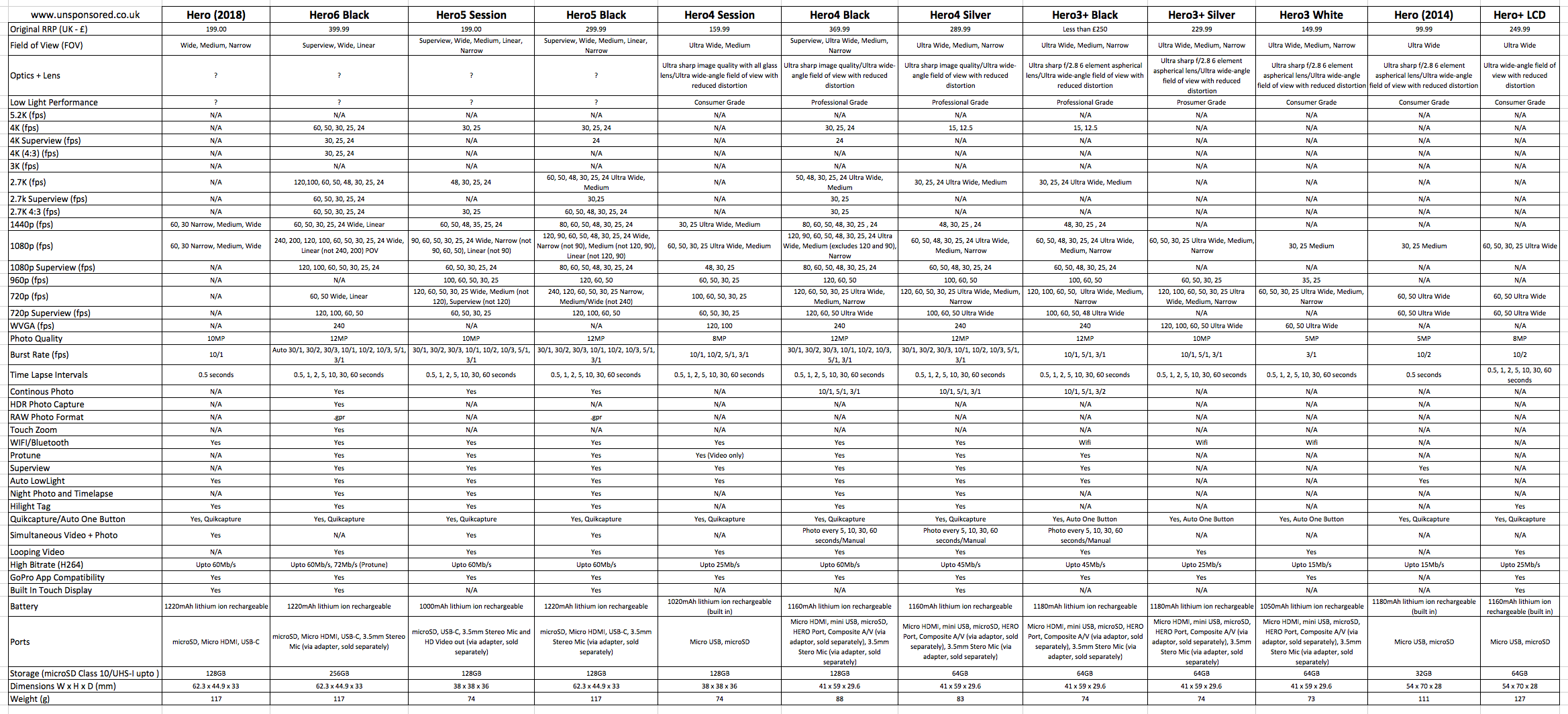
The entry-level Hero (CHDHB-501) delivers solid performance at $189.95 with 10-megapixel photos, 1440p60 video, and essential features like waterproofing and voice control. Its 4.4-star rating from over 1,200 reviews proves it satisfies travelers who want reliable documentation without technical complexity. However, the lack of advanced stabilization means handheld walking footage will show noticeable shake—fine for mounted helmet shots but problematic for casual handheld use during urban exploration.
Mid-Range Hero: The Sweet Spot for Most Travelers
At $202.41, the mid-tier model adds game-changing features: 12-megapixel photos with SuperPhoto processing for better low-light performance, 4K30 video, and HyperSmooth electronic stabilization that transforms shaky handheld footage into smooth cinematic sequences. The GPS performance stickers overlay location, speed, and altitude data onto your videos—perfect for documenting hiking trails or cycling routes. Live streaming capability also lets you share experiences in real-time with followers back home, ideal for travelers building social media presence.
This model’s value shines when capturing active adventures where stabilization matters most. Travelers consistently report that HyperSmooth makes the difference between watchable footage and motion-sickness-inducing videos, especially during bumpy bus rides through mountainous terrain or walking through crowded markets. The modest $12.46 price jump over the entry model delivers disproportionate improvements for travelers who value high-quality documentation.
Premium Hero: For Serious Travel Content Creators
The $289.99 flagship model delivers professional-grade capabilities with 4K60 video capture, advanced HyperSmooth stabilization, and TimeWarp 3.0 for cinematic stabilized time-lapses. While the higher price tag demands justification, travelers creating YouTube content, social media channels, or professional documentation find the premium model pays for itself through superior footage quality. The 4K60 capability provides genuine slow-motion options impossible with lower models, perfect for capturing water splashes at waterfalls or action moments during adventure sports.
Critical Travel Features You Can’t Ignore
QuikStories: Your Automatic Travel Editor
This often-overlooked feature automatically transforms raw footage into polished videos with music and transitions when connected to your smartphone. Travelers who want to share daily highlights without spending hours editing find QuikStories invaluable—it processes footage during meals or transit, delivering share-ready content by evening. Simply enable auto-offload in the GoPro app, and your day’s adventures become social media posts with minimal effort.
Battery Management Strategies That Prevent Missed Moments
The 1220mAh battery lasts approximately 1.5 hours of continuous 4K recording but stretches to a full day with moderate 1080p use. Smart travelers implement these power-saving tactics:
– Carry two spare batteries ($25 each) rather than heavy power banks
– Disable Wi-Fi/Bluetooth when not transferring footage
– Record primarily in 1080p60 instead of 4K for double battery life
– Keep batteries warm in cold climates (extreme cold drains power rapidly)
Storage Requirements Based on Your Travel Duration
Video files consume space quickly—1 hour of 4K footage requires about 17GB. For a two-week trip with moderate filming:
– 64GB card: Suitable for entry-level users shooting mostly 1080p
– 128GB card: Essential for 4K users or extensive video capture
– Multiple cards: Smarter than one large card (prevents total data loss if one fails)
Choosing Your Perfect Travel Companion
Adventure travelers hiking, biking, or snorkeling need the mid-range Hero’s HyperSmooth stabilization and 4K capability. The waterproof design without additional housing lets you jump into rivers or ocean coves spontaneously—something smartphone users can’t do safely. Mount it on your helmet for immersive POV footage of mountain biking trails or strap it to your surfboard for wave-riding perspectives.
Urban explorers documenting cities should prioritize the mid-range model’s 12-megapixel photos for superior architectural details and street scenes. The discreet size attracts less attention than professional cameras in sensitive areas, while GPS stickers automatically add location data to your photos—perfect for remembering which ancient temple you visited in Southeast Asia.
Budget-conscious travelers testing action cameras for the first time can start with the entry-level Hero at $189.95. It captures adequate 10-megapixel photos and smooth 1080p video for social media sharing. Just understand its limitations: handheld footage will shake during walking, and low-light performance lags behind higher models. Many travelers upgrade after their first trip once they experience what advanced stabilization enables.
Maximizing Value: When to Splurge vs. Save
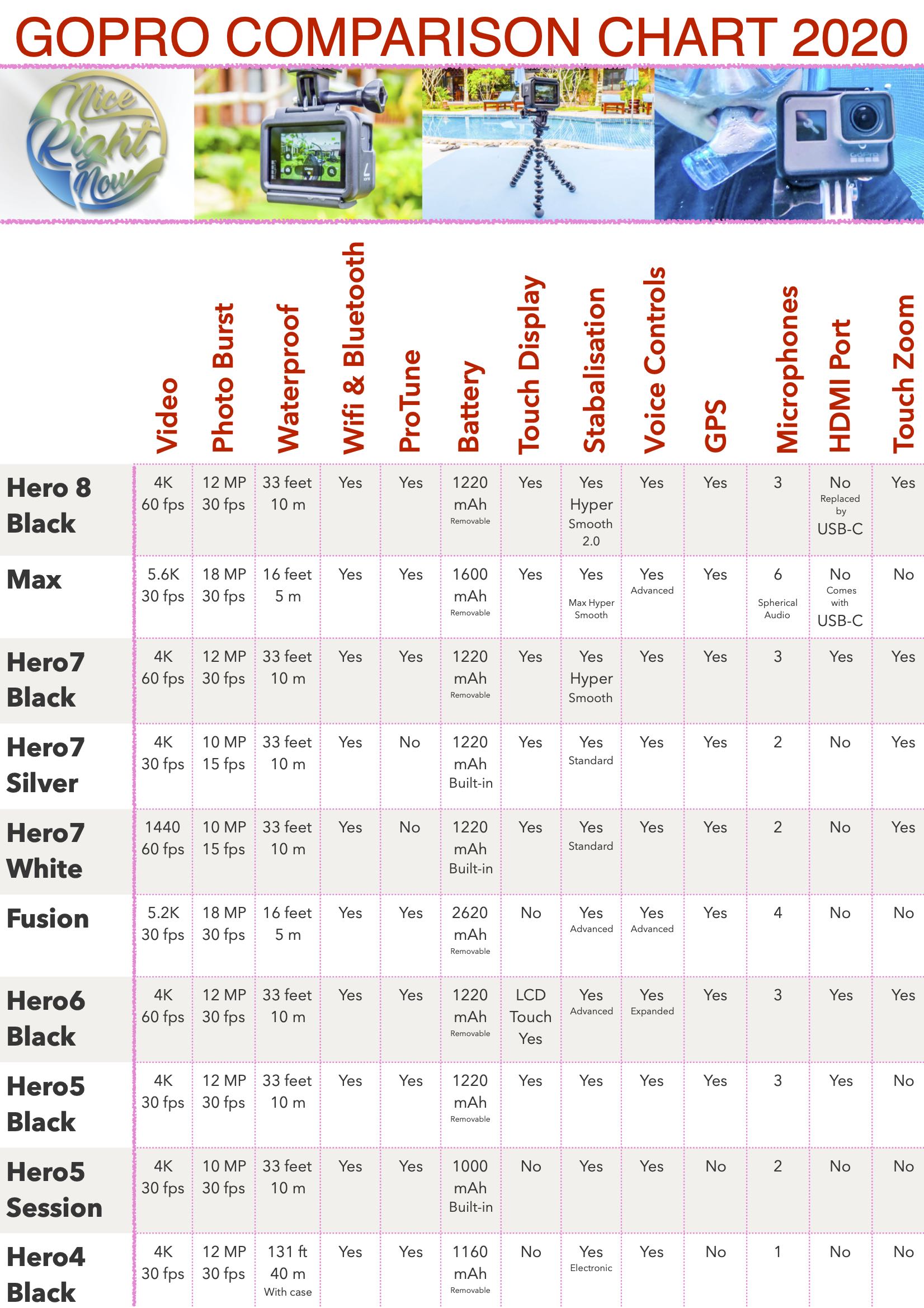
The mid-range Hero delivers the best value for most travelers at just $202.41. You gain HyperSmooth stabilization (worth the price alone), 4K video, GPS data overlays, and live streaming for only $12.46 more than the basic model. For travelers capturing active adventures, this small investment transforms footage quality dramatically.
Consider the premium model only if:
– You create professional travel content (YouTube, blogs, social media)
– Slow-motion footage is essential to your storytelling
– You want maximum future-proofing for evolving display standards
Travelers heading to extreme environments should budget for these essential accessories:
– Floating wrist strap ($20) for water activities
– Extra batteries ($25 each) for extended shooting
– Protective lens filter ($15) for dusty environments
Your Final Decision Checklist
Before purchasing, ask yourself these critical questions:
– Will I primarily shoot photos or video? (Higher megapixels matter more for photos)
– Do I need slow-motion capabilities? (Requires 4K60 premium model)
– Will I use it for active adventures requiring stabilization? (Needs HyperSmooth)
– How important is real-time sharing? (Requires live streaming capability)
For most travelers, the mid-range GoPro Hero strikes the perfect balance between capability and cost. It delivers professional-looking footage through HyperSmooth stabilization, sufficient resolution for social media and moderate prints, and essential travel features without the premium price tag. The $202.41 investment pays dividends through reliably captured memories that smartphones and basic cameras simply can’t match in challenging travel environments.
Remember: the best GoPro camera for travel is the one you’ll actually use consistently. With its pocket-friendly size, rugged durability, and automatic features, any GoPro model beats leaving your camera in the hotel room. Choose the model matching your documentation ambitions, then focus on the experiences—the GoPro will handle the rest.