
Traveling with medications or temperature-sensitive items requires reliable cooling solutions that comply with airline security regulations. Many travelers face frustrating delays when their ice packs get flagged at security checkpoints, potentially jeopardizing medications that require consistent cold storage. Whether you’re managing insulin, biologics, vaccines, or post-surgical recovery needs, choosing the right ice pack makes the difference between smooth travel and medication spoilage. This guide details exactly which ice packs consistently clear TSA screening while maintaining optimal cooling performance throughout your journey.
TSA-Approved Ice Pack Types That Won’t Delay Your Security Screening

Not all cold packs face the same scrutiny at airport security checkpoints. Understanding which types consistently pass inspection prevents medication exposure to unsafe temperatures during travel.
Hard Gel Packs With Solidified Contents Stay TSA-Compliant
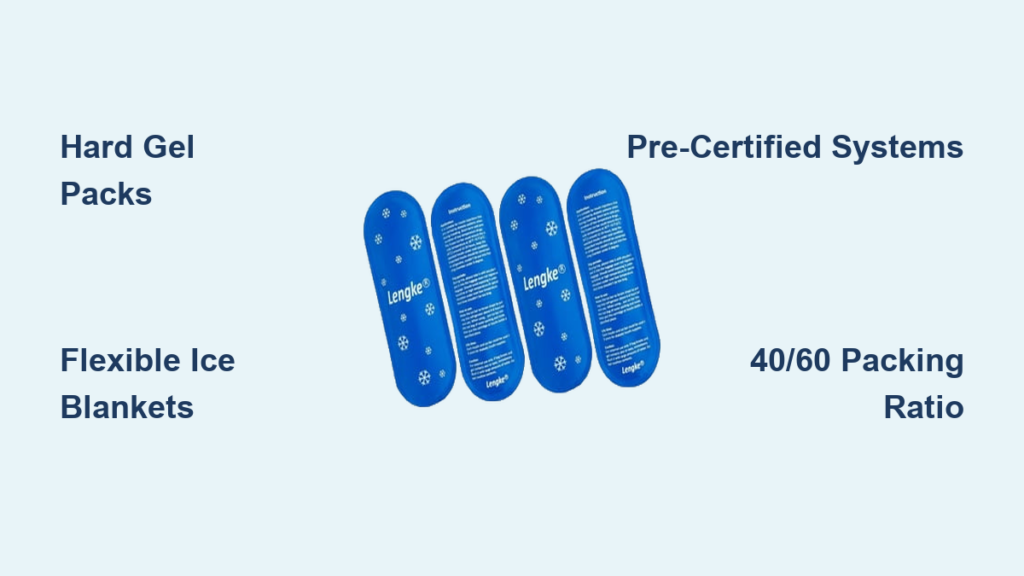
Packs that arrive at security completely frozen often raise concerns as “liquid-like” substances. The solution? Partially frozen hard gel packs that have transitioned to a semi-solid state. These maintain cooling capacity while appearing as solid objects on X-ray machines. Look for packs specifically designed to reach this optimal state approximately 12-18 hours after freezing – perfect timing for most travel schedules. When packed with medications in a cooler, these provide 24+ hours of temperature control without triggering additional screening.
Flexible Ice Blankets Avoid Liquid Restrictions Completely
Unlike traditional ice packs containing liquid components, medical-grade ice blankets made from non-liquid phase-change materials bypass TSA liquid restrictions entirely. These thin, flexible sheets conform to medication containers while maintaining temperatures below 46°F (8°C) for up to 48 hours. Their flat profile also maximizes cooler space efficiency – critical when traveling with multiple medication vials. Security agents typically wave these through without inspection since they contain no freezable liquids.
Pre-Certified Medical Cooling Systems Skip Secondary Screening
For frequent medical travelers, TSA PreCheck-approved cooling systems eliminate security uncertainty. These specialized containers integrate cooling elements specifically designed to meet aviation safety standards. Brands like TempAid MedCool and MedAngel LINK have undergone third-party verification for air travel compliance. While more expensive initially, these systems prevent medication spoilage and save significant time at security checkpoints on every flight.
Critical Packing Techniques That Prevent Medication Temperature Excursions
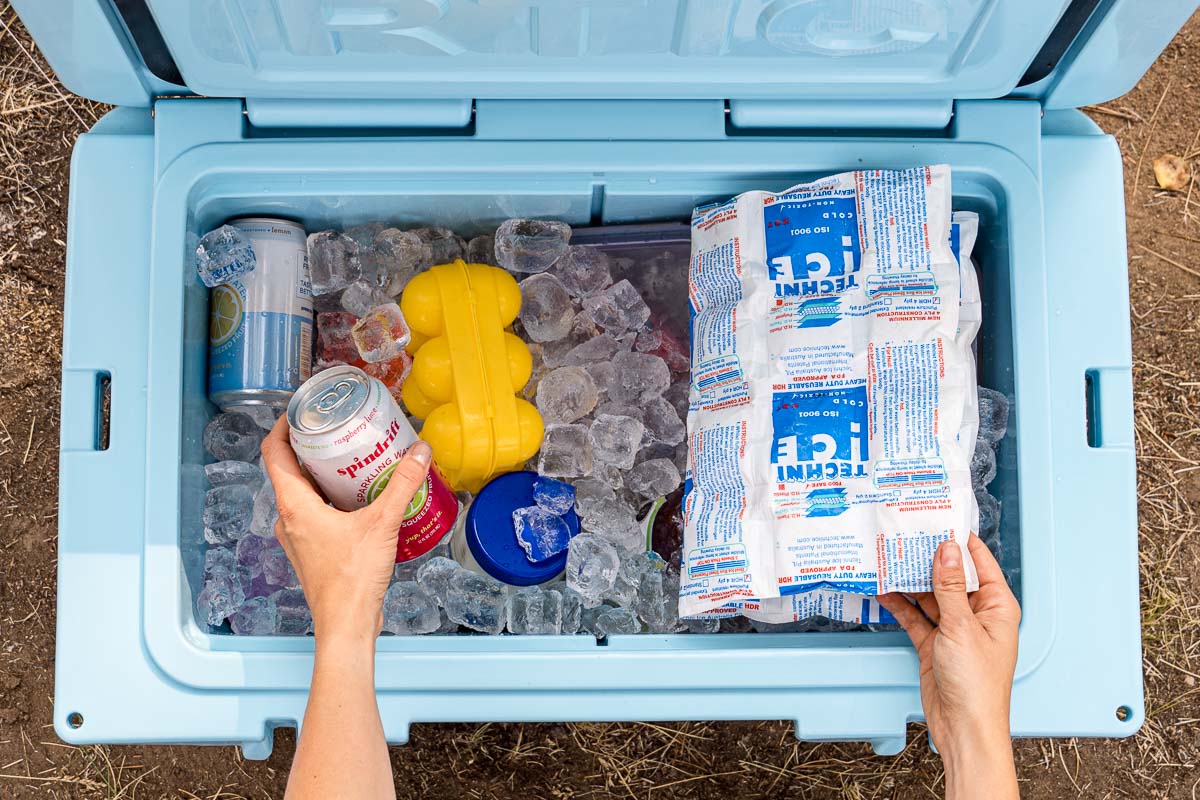
How you pack your ice packs matters as much as which ones you choose. Improper arrangement creates temperature pockets that compromise medication integrity during transit.
Sandwich Medication Between Ice Packs For Even Cooling
Never place medications directly against a single ice source. Instead, create a cooling sandwich with ice packs above and below your medication containers. This prevents freezing while maintaining consistent temperatures throughout your cooler. For insulin vials, position one ice pack at the bottom of the cooler, then your medication, then another ice pack on top – never letting the medication touch the ice directly.
Use Reflective Insulation To Extend Cooling Duration
Standard cooler bags lose cooling capacity rapidly during long travel days. Add reflective emergency blankets between your cooler walls and ice packs to reflect heat away from temperature-sensitive contents. This simple $5 addition extends cooling duration by 30-50%, particularly during summer travel or extended layovers. Wrap the entire cooler interior before adding ice packs for maximum effectiveness.
Monitor Temperatures With Digital Trackers During Transit
Even perfectly packed coolers can experience temperature spikes during unexpected delays. Place a digital temperature logger among your medications to verify conditions throughout your journey. These small devices record minimum/maximum temperatures and provide peace of mind that your medications remained within safe ranges. Review the data upon arrival to adjust packing techniques for future trips.
Common Ice Pack Mistakes That Trigger TSA Secondary Screening
Many travelers unknowingly create security concerns through preventable packing errors. Avoid these critical mistakes that lead to medication exposure and travel delays.
❌ Using Household Freezer Packs Without Modifications
Standard grocery store ice packs containing liquid gel frequently trigger additional screening. TSA agents often require these to be individually inspected, potentially exposing medications to unsafe temperatures. The liquid content appears suspicious on X-ray even when completely frozen solid.
✅ Solution: Modify Standard Packs For TSA Compliance
Puncture standard ice packs with a pin before freezing to allow air pockets to form. This creates visible texture on X-ray scans, helping security distinguish them from prohibited substances. Alternatively, freeze packs in sandwich baggies to contain potential leaks during inspection.
❌ Overpacking Coolers Beyond Practical Cooling Capacity
Travelers often cram excessive ice packs into small coolers, creating false security about temperature maintenance. This actually reduces effectiveness as packs freeze adjacent items rather than maintaining consistent ambient cooling.
✅ Solution: Follow The 40/60 Packing Ratio Rule
Fill 40% of your cooler volume with ice packs and 60% with medications and air space. This ratio maintains optimal cooling circulation without freezing temperature-sensitive contents. For a standard 8-quart cooler, this means approximately 3-4 strategically placed ice packs.
Airline-Specific Ice Pack Requirements You Must Verify Before Travel
While TSA sets baseline security standards, individual airlines maintain additional restrictions that vary significantly across carriers.
International Flights Require Different Documentation Than Domestic
European carriers often require medical documentation in both English and the destination country’s language for any cooling elements. For transatlantic flights, prepare a physician’s letter explaining medical necessity for temperature-controlled medications. Without this, even TSA-compliant ice packs may be confiscated during international connections.
Budget Carriers Enforce Stricter Size Limitations
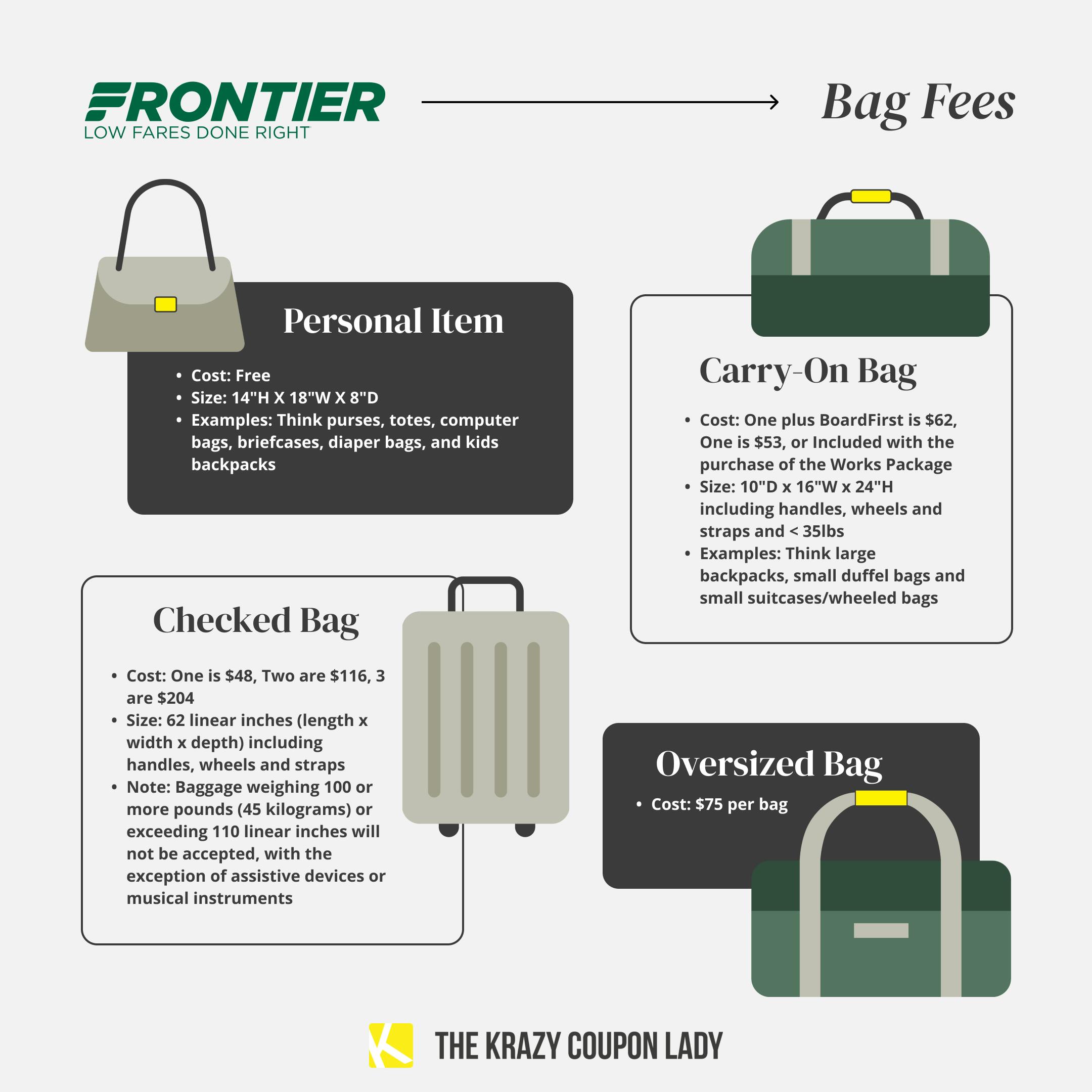
Ultra-low-cost airlines like Spirit and Frontier implement more restrictive carry-on policies that affect cooler bag dimensions. Measure your packed cooler against specific airline requirements – some limit total dimensions (length + width + height) to 45 inches for carry-ons, which many standard medical coolers exceed when packed.
Temperature-Controlled Cargo Options For Extended Trips
For journeys exceeding 72 hours where ice pack effectiveness diminishes, inquire about aircraft cargo hold temperature controls. Many major carriers maintain sections of their cargo holds between 36-46°F (2-8°C), potentially safer than carry-on coolers for extended international travel. This requires advance coordination with both your airline and medication manufacturer.
Maintenance Practices That Extend Ice Pack Effectiveness For Multiple Trips
Proper care between uses preserves cooling capacity and prevents premature degradation that compromises travel safety.
Rotate Ice Packs Systematically To Prevent Material Fatigue
Using the same ice packs repeatedly creates weak spots where cooling capacity diminishes. Implement a rotation system with at least three sets of ice packs: one freezing, one in use, and one in reserve. This extends each pack’s effective lifespan while ensuring you always have properly conditioned packs ready for unexpected travel.
Sanitize Medical-Grade Packs After Each Use
Medical travelers often overlook cleaning protocol between uses, risking contamination of medications. Use a soft cloth with isopropyl alcohol (70% concentration) to wipe down all exterior surfaces after each trip. Never submerge medical-grade ice packs in water, as this compromises their protective coatings and creates potential leakage points.
Test Freezing Performance Monthly
Ice packs gradually lose effectiveness as their phase-change materials degrade. Conduct monthly performance tests by timing how long packs maintain cooling capacity in a standard cooler. If cooling duration drops below 80% of original performance, replace the packs before relying on them for critical medical travel.
Final Considerations For Stress-Free Medical Travel With Ice Packs
Successful air travel with temperature-sensitive medications requires strategic planning beyond simply choosing the right ice packs. Always confirm your specific medication’s temperature requirements with your healthcare provider, as some biologics require narrower ranges than standard insulin. For international travel, research destination country regulations which may differ from TSA guidelines. Most importantly, build in cooling redundancy – never rely on a single ice pack solution. Carry at least two different cooling methods (like hard gel packs plus an ice blanket) to ensure medication safety if one system fails during unexpected travel delays. By implementing these TSA-compliant strategies, you’ll maintain medication integrity while moving efficiently through security checkpoints on every journey.