
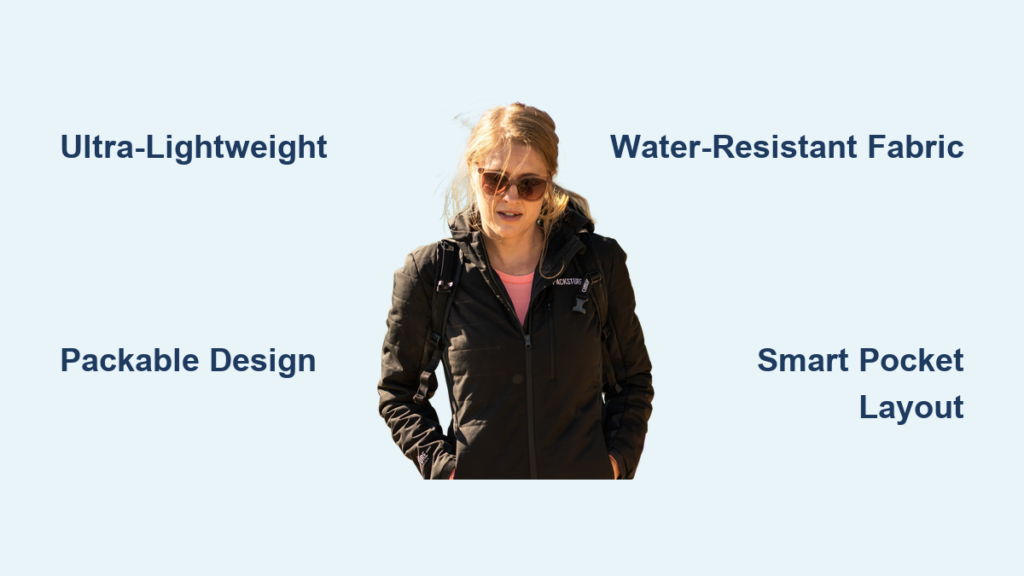
Finding the perfect lightweight travel jacket can transform your journeys from cumbersome to comfortable. Whether you’re a frequent flyer navigating airport terminals, a backpacker exploring mountain trails, or an urban explorer wandering cobblestone streets, the right jacket adapts to your environment without weighing you down. The best lightweight travel jackets combine technical performance with everyday style, packing into carry-on spaces while protecting you from unexpected weather changes. This comprehensive guide walks you through everything you need to know to select a jacket that serves as your reliable travel companion trip after trip.
Why Your Travel Jacket Weight Matters More Than You Think
Travel presents unique challenges for outerwear selection that everyday clothing doesn’t face. Every ounce matters when you’re carrying everything on your back, and bulky jackets consume precious luggage space that could hold other essentials. A quality lightweight travel jacket solves this fundamental problem by delivering warmth and protection without the bulk, allowing you to move freely through crowded airports, hike to your accommodation, or navigate unfamiliar cities without feeling weighed down.
Beyond physical comfort, lightweight jackets offer practical versatility that justifies their place in your travel kit. Many designs incorporate multiple pockets for secure passport and phone storage, convertible features that adapt to changing temperatures, and water-resistant materials that handle unexpected rain showers. The best options transition seamlessly from outdoor adventures to casual dining, eliminating the need to pack separate jackets for different activities. This multifunctional approach maximizes your packing efficiency while ensuring you’re prepared for whatever conditions you encounter during your trip.
How Much Weight Actually Makes a Difference?
When traveling with carry-on only, saving even 8-12 ounces creates space for other essentials like an extra pair of shoes or emergency supplies. Test this yourself: pack your current travel jacket in your carry-on, then replace it with a lightweight alternative. That extra space adds up significantly over multiple trips. Consider that airlines charge up to $35 for checked baggage—you might offset your jacket investment in just one avoided checked bag fee.
Critical Features That Separate Good From Great Travel Jackets
Weight That Disappears in Your Pack
The defining characteristic of any lightweight travel jacket is how little it adds to your load while delivering maximum utility. True lightweight jackets typically weigh between 8-16 ounces, with premium options pushing the boundaries even further. When evaluating weight claims, understand that manufacturers measure differently—some quote men’s medium weights while others use different sizing standards. Compare similar sizes across brands, and consider how the jacket feels when worn rather than relying solely on numbers.
Packability measures how small the jacket compresses when stored, and this metric matters just as much as weight. Many designs include built-in stuff sacks or compress into their own pockets, transforming the jacket into a convenient travel-sized package that fits in your daypack’s side pocket. Look for jackets that compress to the size of a softball—any larger defeats the purpose of a lightweight design.
Material Technology That Performs When You Need It
Modern lightweight jackets leverage advanced synthetic materials that outperform traditional fabrics in nearly every metric. Ripstop nylon offers exceptional tear resistance despite minimal weight, while polyester blends provide durability and quick-drying properties essential for travel. Understanding these materials helps you match the jacket to your expected conditions.
Water resistance deserves particular attention since travel often exposes you to unpredictable weather. DWR (Durable Water Repellent) treatments cause water to bead and roll off the fabric surface, keeping you dry during light rain and mist. However, DWR eventually wears off with use and washing, requiring periodic reapplication. For travelers heading to rainy destinations, consider jackets with higher water column ratings (at least 1,500mm) that provide genuine water resistance rather than mere repellency.
Pocket Configuration That Works With Your Travel Style
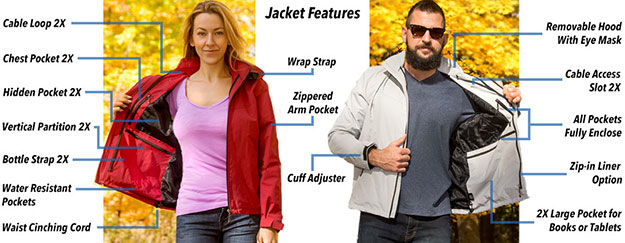
Travel-specific jackets distinguish themselves through thoughtful pocket placement and security features. Look for multiple interior and exterior pockets that accommodate travel essentials like passports, boarding passes, phones, and small electronics. Zippered closures provide security against pickpockets and accidental openings, while mesh-lined pockets prevent overheating against your skin.
- Passport pocket: Discreet interior pocket sized specifically for travel documents
- Pass-through loops: Internal loops that connect to secure valuables
- Media pockets: Specialized pockets with headphone routing
- Security pockets: Hidden pockets against your body for cash and cards
The ideal pocket configuration matches your specific travel style—if you rarely use pockets, a heavily pocketed jacket adds unnecessary weight and complexity. Business travelers might prioritize clean exterior lines with minimal visible pockets, while backpackers need multiple secure storage options.
Choosing Your Jacket Based on Travel Style
Urban Explorers: Style Meets Function
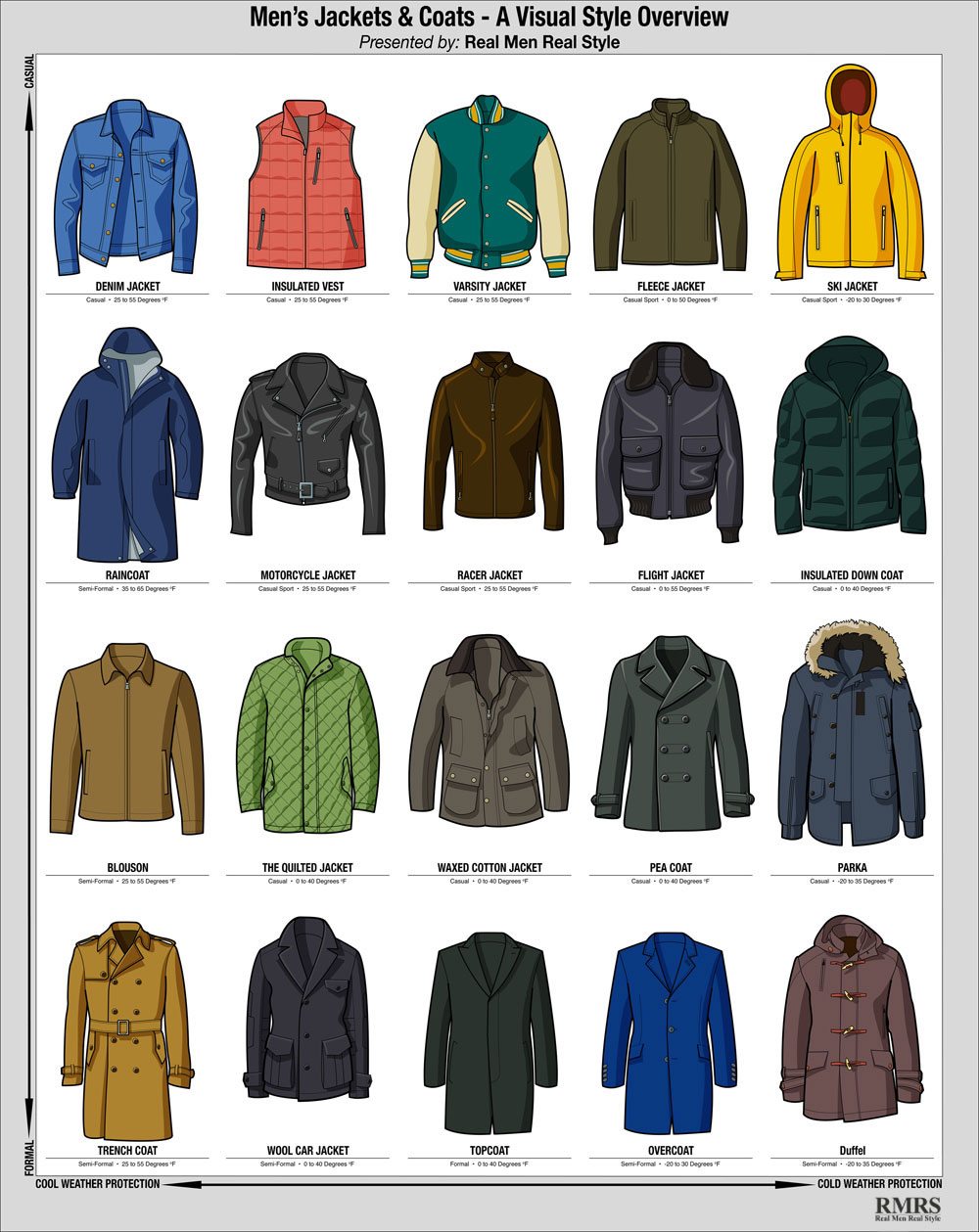
City travelers prioritize style alongside function, seeking jackets that look appropriate in restaurants and museums while handling walking tours and unexpected weather. Look for clean silhouettes that layer well over business-casual outfits, with subtle technical features that don’t scream “outdoor gear.” Dark colors and neutral tones hide stains and wear better than light options, important when laundry access is limited.
Weather protection matters even in cities—sudden rain showers can dampen more than your spirits if your jacket can’t handle moisture. Wind resistance becomes crucial in urban canyons where gusts channel between buildings. Consider jackets with adjustable hoods that cinch securely without obstructing peripheral vision, allowing you to maintain awareness of your surroundings while staying protected.
Adventure Travelers: Performance First
Backpackers and hikers need jackets that perform during physical activity while compressing to minimal size. Prioritize maximum weight savings without sacrificing durability, since trail use subjects gear to abrasion from packs and contact with rock and vegetation. Articulated sleeves and gusseted underarms ensure unrestricted movement during scrambling and climbing, while adjustable cuffs create secure seals over gloves or bare wrists.
For travelers combining hiking with urban exploration, convertible designs offer flexibility without carrying multiple garments. Jackets with removable sleeves transform from full jackets to vests, adapting to temperature changes and activity levels throughout the day. This versatility proves particularly valuable when traveling through regions with significant temperature swings between morning and afternoon.
Avoiding Costly Mistakes When Buying Your Travel Jacket
Temperature Ratings That Don’t Tell the Whole Story
Purchasing based solely on temperature ratings leads many travelers astray. A jacket rated for 40°F feels completely different when wet, windy, or when you’re active versus stationary. Temperature ratings assume ideal conditions that rarely match real-world travel scenarios, making them rough guides rather than absolute specifications.
Pro Tip: Instead of focusing on temperature ratings, look for jackets with adjustable ventilation options—pit zips, mesh-lined pockets, or breathable panels that let you regulate body temperature during activity.
Zipper Quality That Withstands Travel Abuse
Overlooking zipper quality creates frustrating experiences throughout your trip. Cheap zippers stick, separate, and fail under repeated use, turning simple tasks like accessing pockets into aggravating struggles. Inspect zippers carefully during purchase—metal zippers generally outperform plastic, and oversized zipper pulls work better than tiny ones when you’re wearing gloves or have cold fingers.
When testing zippers, pay attention to how smoothly they operate when the jacket is fully zipped and when partially open. Sticking points at specific positions indicate poor alignment that will worsen with use. Also check if the zipper has a garage (the fabric at the top that prevents zipper bites)—this small feature prevents painful pinches when adjusting your collar.
Care Requirements You’ll Actually Follow
Ignoring care requirements leads to premature degradation of technical features. Many lightweight jackets require specific washing procedures to maintain water resistance and breathability. Regular laundry detergent can clog membrane pores and strip DWR treatments, while high heat damages synthetic materials.
Before purchasing, understand the maintenance commitment:
– Can you hand-wash it in a hotel sink?
– Does it require special detergent?
– How frequently does DWR treatment need reapplication?
Choose a jacket with care requirements that match your willingness to maintain it—otherwise, those impressive technical features will degrade quickly, making your investment worthless.
Maximizing Your Jacket’s Lifespan and Performance
Treat your lightweight travel jacket with the care it deserves, and it will serve reliably for years of adventures. Store jackets uncompressed when possible, hanging them in a cool, dry location between trips. When packing is necessary, use stuff sacks designed for the jacket rather than cramming it into tight spaces that stress seams and insulation.
Regular maintenance preserves performance features that make lightweight jackets valuable. Clean jackets according to manufacturer instructions using technical cleaners, and reapply water repellent treatments as needed—typically when water no longer beads on the fabric surface. Inspect seams and zippers periodically for damage that could worsen during travel.
Final Tip: Consider purchasing from brands with solid warranties that cover manufacturing defects. Quality manufacturers stand behind their products with guarantees that protect your investment against premature failure. Keep receipts and register your purchase to streamline any warranty claims that become necessary.
A well-chosen lightweight travel jacket becomes an extension of your travel kit, barely noticed when worn but invaluable when conditions demand protection. By understanding the features that matter, avoiding common purchasing pitfalls, and maintaining your investment properly, you’ll find a jacket that accompanies you on countless journeys while barely registering in your luggage or on your shoulders.