
You’re packing for an important business trip or dream vacation, but your regular pants feel restrictive, wrinkle instantly, and take forever to dry if they get damp. Finding reliable men’s travel trousers shouldn’t require solving a puzzle—yet most travelers end up with uncomfortable, impractical options that make journeys more stressful than they need to be. The right pair should move with you through airport security, survive unexpected rain showers, and look sharp enough for dinner without needing ironing. After reviewing what makes travel trousers truly functional, you’ll discover exactly which features justify their price and which marketing claims are just hot air.
Most men make the mistake of choosing travel trousers based solely on appearance or brand reputation, only to discover uncomfortable seams, restricted movement, or disastrous wrinkling once they’re miles from home. The difference between a smooth journey and constant wardrobe adjustments comes down to specific technical features that most buyers overlook. This guide cuts through the marketing hype to show you exactly what matters in men’s travel trousers, how to identify genuinely high-performance options, and which styles suit different travel scenarios—from business conferences to backpacking adventures.
Key Performance Features of High-Quality Travel Trousers
Why Fabric Technology Determines Your Travel Comfort
The foundation of effective travel trousers lies in fabric composition, where modern blends outperform traditional materials significantly. Look for trousers incorporating mechanical stretch fibers that maintain their shape after repeated sitting and standing—unlike cheaper elastic blends that lose recovery after a few wears. Advanced moisture-wicking properties should actively pull sweat away from your skin rather than just absorbing it, keeping you comfortable during temperature fluctuations. The best options feature dual-action fabric that combines quick-drying capabilities with subtle water resistance, handling unexpected drizzles without becoming see-through or heavy.
Critical fabric indicators to check:
– 95-98% polyester with 2-5% elastane for optimal stretch-to-recovery ratio
– DWR (Durable Water Repellent) finish that beads water without chemical coatings
– Weight between 7-9 ounces for year-round versatility
– UPF 30+ protection for sunny destinations
– Four-way stretch that moves with your body in all directions
How Pocket Design Makes or Breaks Travel Security
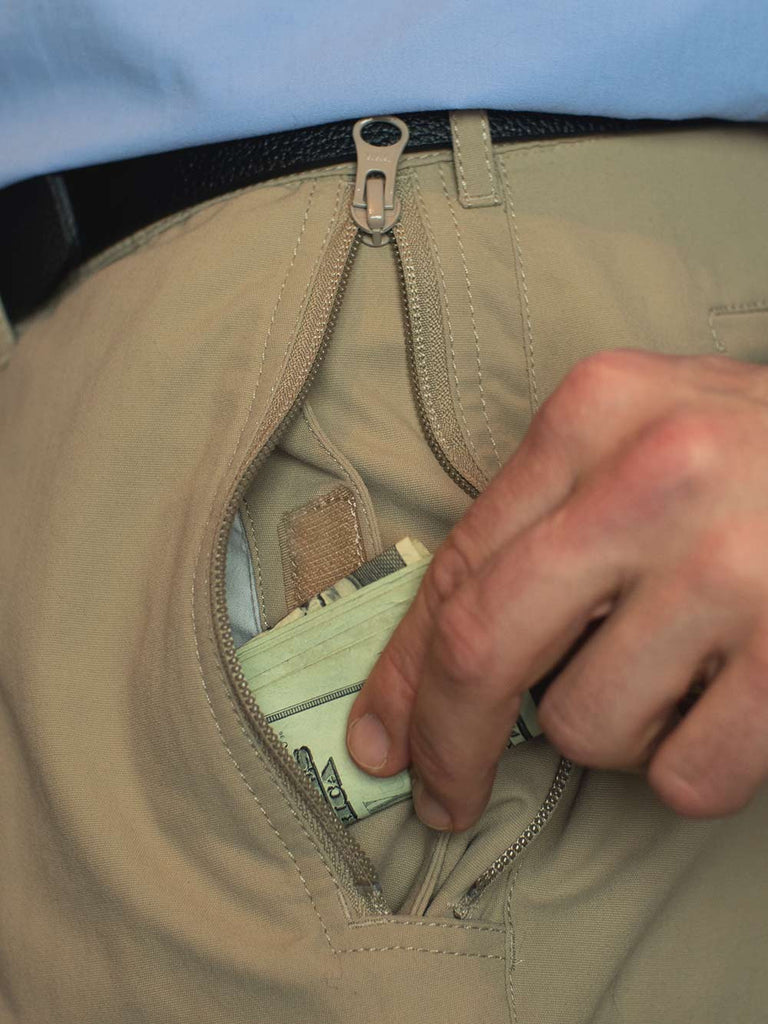
Standard pockets fail travelers when they need security most—during airport security lines or crowded transit hubs. Effective travel trousers feature strategic pocket engineering with multiple access points and security considerations. The most functional designs include hidden passport pockets sewn into waistband linings, slash-resistant side pockets for phones and wallets, and discreet zippered compartments that don’t create visible bulges. Avoid trousers with excessive external pockets that create uncomfortable pressure points when sitting for extended periods.
Pocket configuration checklist:
– Zippered rear pockets that remain secure when sitting
– Front pockets angled for easy access while wearing day packs
– Hidden interior pockets for travel documents (minimum 5″ x 7″)
– Magnetic closure options for quick-access essentials
– Water-resistant pocket linings for unexpected weather
Troubleshooting Common Travel Trouser Problems
Fixing Rapid Wrinkling Without an Iron
Wrinkled trousers undermine your professional appearance within hours of packing, but the solution lies in fabric selection rather than packing techniques. Trousers made with textured weaves like dobby or birdseye patterns naturally resist creasing better than smooth satins. When packing, roll trousers rather than folding them, placing them in the center of your suitcase surrounded by softer garments. For immediate touch-ups, hang trousers in your hotel bathroom during a hot shower—the steam works better than most portable steamers. If wrinkles persist, look for trousers with permanent crease-resistant treatments rather than temporary finishes that wash out.
Preventing Uncomfortable Waistband Pressure During Flights
Tight waistbands become torture devices during long flights when your body naturally expands at altitude. The solution isn’t just elastic inserts but engineered waistband construction. Look for trousers with articulated waistbands that maintain consistent tension through flex points, not just stretch panels that create uncomfortable pressure ridges. Hidden expandable sections should distribute tension evenly rather than concentrating force in one area. For maximum comfort during extended sitting, choose trousers with gusseted crotch construction that eliminates restrictive tension when seated.
Travel Trousers Optimized for Specific Journeys
Business Travel: Professional Appearance Without the Hassle
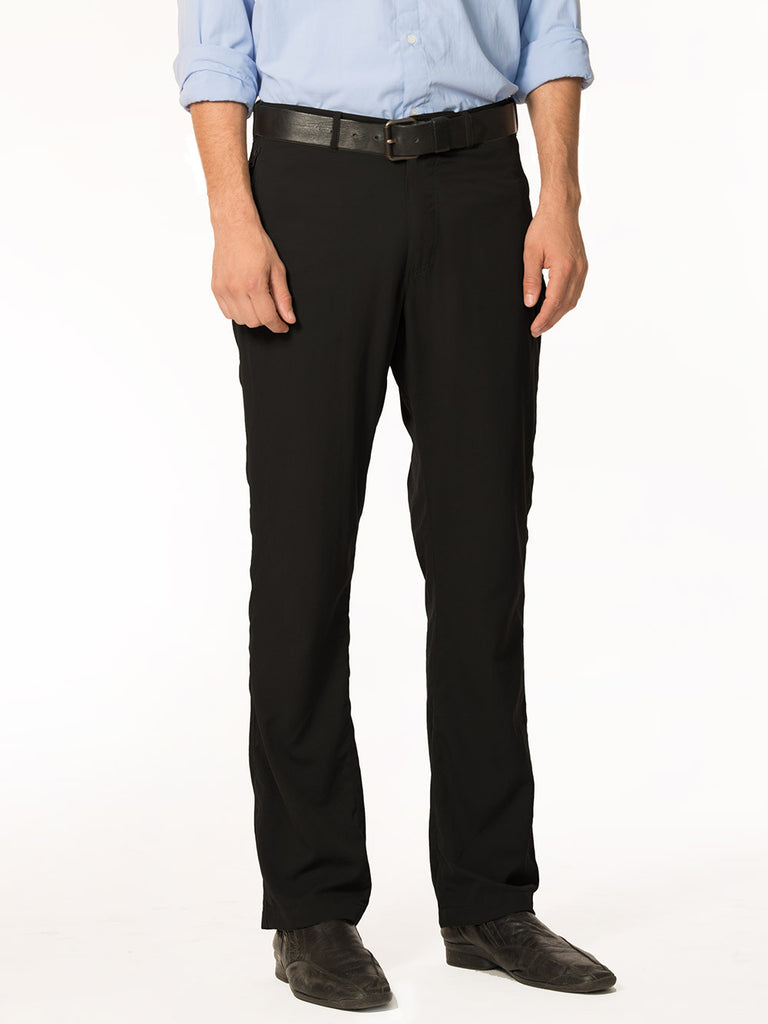
Frequent business travelers need trousers that transition seamlessly from flight to meeting without requiring changes. The ideal business travel trousers maintain a professional silhouette while incorporating hidden performance features. Look for options with subtle texture that hides minor wrinkles, flat-front designs without pleats that create bulging when sitting, and color versatility in charcoal or navy that works across cultures. The best choices feature “office-to-evening” capability with finishes that look appropriate for dinner without appearing casual. Avoid trousers with visible performance features like excessive pocketing or technical fabrics that look out of place in formal settings.
Adventure Travel: Durability Meets Comfort for Active Explorers

Backpackers and adventure travelers need trousers that withstand rugged conditions while maintaining comfort through varied activities. Technical travel trousers for active use should feature reinforced knees and seat areas with abrasion-resistant fabric panels. Consider convertible options with zip-off legs that transform into shorts for changing conditions, but verify the conversion mechanism is durable enough for repeated use. For tropical destinations, prioritize ventilation features like laser-cut perforations in strategic locations that don’t compromise modesty. When traveling through bug-prone areas, look for trousers compatible with permethrin treatment without damaging the fabric.
Smart Buying Strategies That Save Money Long-Term
Evaluating True Value Beyond the Price Tag
Travel trousers priced under $60 often sacrifice critical performance features that become apparent after just a few trips. Instead of focusing on initial cost, calculate cost-per-wear based on expected usage. A $120 pair worn weekly for two years costs less per wear than a $60 pair that fails after three months. Examine stitching quality by checking seam density (minimum 8-10 stitches per inch) and bartack reinforcement at stress points. The best investment trousers feature replaceable components like buttons and zippers that can be repaired rather than requiring full replacement.
Value assessment framework:
1. Cost divided by expected number of wears (minimum 50 for business, 30 for adventure)
2. Repairability of key components (zippers, buttons, pockets)
3. Versatility across multiple travel scenarios
4. Long-term care requirements (dry cleaning vs machine washable)
5. Warranty coverage for manufacturing defects
Seasonal Considerations for Year-Round Travel
The same trousers rarely work optimally across all seasons, but strategic selection minimizes your packing needs. For year-round functionality, choose mid-weight trousers (8-9 oz) in neutral colors that layer well with thermal unders. Winter travelers should prioritize thermal-regulating fabrics with brushed interiors, while summer travelers benefit from lightweight, breathable weaves with enhanced ventilation. In transitional seasons, look for trousers with removable thermal liners or convertible features. Avoid seasonal extremes like heavy winter wool or ultra-light summer linens unless traveling exclusively during those conditions.
Maintenance Tips That Extend Trousers’ Lifespan
Proper Washing Techniques for Performance Fabrics
Most travelers ruin their technical trousers through improper washing. Always turn trousers inside out before laundering to protect the outer finish. Use cold water on gentle cycles with technical fabric detergent—never regular detergent which clogs moisture-wicking pores. Skip fabric softeners completely as they degrade performance coatings. When drying, air dry whenever possible; if using a dryer, select low heat for no more than 15 minutes to reactivate water-repellent finishes. Never dry clean performance trousers as the chemicals strip technical treatments.
Storage Methods That Prevent Permanent Creasing
Improper storage creates wrinkles that become permanent over time. Always hang travel trousers using wide, padded hangers that support the shoulders without creating dimples. For long-term storage, fold trousers along original crease lines with acid-free tissue paper between folds. Avoid plastic garment bags which trap moisture and degrade elastic components. If traveling with dressier options, use packing cubes designed for trousers that maintain their shape without excessive compression.
Final Note: The best men’s travel trousers blend technical performance with appropriate style for your destination. Prioritize fabric technology and thoughtful design over brand names or marketing claims. Test potential purchases with simulated travel movements—sit, stand, and bend to check for restriction—before committing. For most travelers, investing in two versatile pairs (one business-appropriate, one adventure-ready) covers 90% of travel scenarios without overpacking. Remember that proper care extends your trousers’ functional life significantly, making the initial investment pay off through countless successful journeys.