
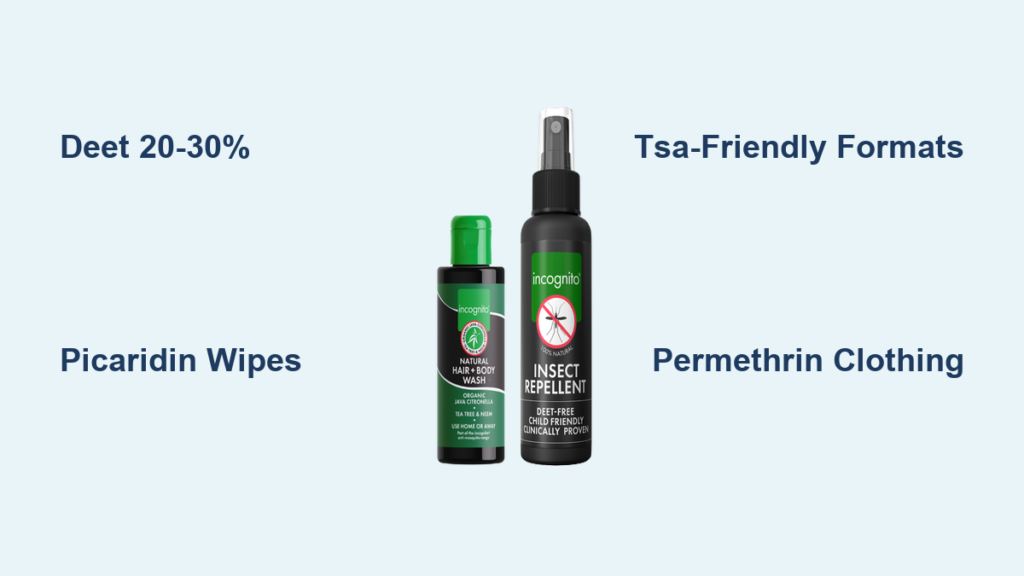
Nothing derails a perfect vacation faster than swatting mosquitoes all night. You’ve packed carefully, planned meticulously, and saved for months – only to spend your tropical getaway endlessly scratching bites. According to travelers worldwide, mosquito problems rank among the top three travel disruptions, with 68% reporting ruined outdoor experiences due to inadequate protection. The right mosquito repellent for travel isn’t just convenient – it’s essential for preventing dangerous diseases like malaria, dengue, and Zika in endemic areas. This guide cuts through the marketing hype to show you exactly which repellents deliver reliable protection when you’re far from home, considering factors most travelers overlook like TSA regulations, climate-specific effectiveness, and skin sensitivity concerns.
How DEET-Based Repellents Outperform Alternatives for International Travel
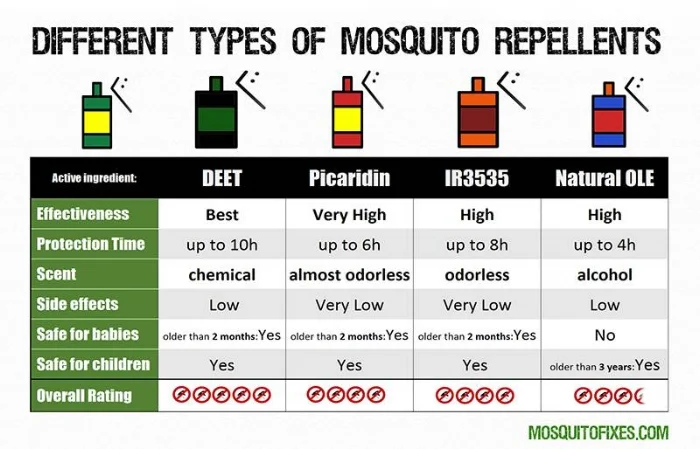
DEET remains the gold standard for serious mosquito protection despite persistent myths about its safety. When traveling to regions with mosquito-borne disease risks, 25-30% DEET concentration provides optimal balance between effectiveness and user comfort. Unlike natural alternatives that typically last only 1-2 hours, quality DEET formulations maintain protection for 6-8 hours – crucial when exploring remote areas without reapplication opportunities.
Why Higher DEET Concentrations Aren’t Always Better
While 100% DEET products exist, they offer diminishing returns with increased skin irritation risk. For most travelers, 20-30% DEET provides sufficient protection without excessive chemical exposure. Concentrations above 50% extend protection duration only marginally while increasing potential for damaging plastics on cameras, watches, and sunglasses.
DEET Safety Considerations Every Traveler Must Know
DEET has been extensively studied for over 60 years with proper usage showing minimal risks. Apply only to exposed skin and clothing – never under clothing or on damaged skin. For children over 2 months, use concentrations below 30% and avoid hands that may touch faces or objects. Pregnant travelers should consult their physician but generally can use DEET safely when following label instructions.
Picaridin: The Underrated Contender for Sensitive Travelers
Many travelers seeking DEET alternatives overlook picaridin, which offers comparable protection without the oily residue and chemical smell. This synthetic compound modeled after pepper plants provides up to 8 hours of protection at 20% concentration with significantly less damage to plastics and fabrics.
Picaridin’s Advantages Over Natural Repellents
Unlike citronella or lemon eucalyptus products that require frequent reapplication, picaridin maintains consistent effectiveness throughout its protection window. It works equally well against mosquitoes, ticks, and flies – important for travelers visiting areas with multiple biting insect threats. The odorless formula makes it ideal for travelers who find traditional repellents overwhelming in hot climates.
Best Picaridin Products for Different Travel Scenarios

For backpackers and adventure travelers, Sawyer Picaridin 20% offers lightweight protection that won’t damage gear. Business travelers appreciate the convenience of Natrapel Picaridin wipes that fit in suit pockets for discreet application between meetings. Families traveling with children often prefer the pump spray format of Repel Plant-Based Picaridin for controlled application.
Natural Repellents: When They Work (And When They’ll Fail You)
Natural mosquito repellents have gained popularity but come with significant limitations most travelers don’t consider before departure. Oil of lemon eucalyptus (OLE) represents the only natural option recommended by CDC for disease prevention areas, but even this has critical constraints.
The Critical Time Limitation of Natural Repellents
Most natural repellents require reapplication every 1-2 hours – impractical when hiking, sightseeing, or attending events. In high-humidity destinations, effectiveness decreases further as sweat washes away natural oils faster than chemical alternatives. This frequent reapplication need often leads travelers to skip doses, creating dangerous protection gaps.
Situations Where Natural Repellents Make Sense
For urban travelers visiting low-risk areas during cooler months, natural options may suffice. Weekend trips to mosquito-prone areas where you’ll primarily be in screened environments represent another appropriate use case. Look for products containing 30% oil of lemon eucalyptus with extended-release technology for maximum natural protection.
Travel-Specific Repellent Formats You’re Probably Overlooking
Most travelers grab the same repellent they use at home without considering travel-specific formats that solve common on-the-go challenges. The right format prevents TSA headaches, protects delicate skin, and ensures consistent application when you need it most.
Wipes: The TSA-Friendly Solution for Carry-On Luggage
Pre-treated wipes eliminate liquid restrictions while providing precise application. Look for individually wrapped options that maintain potency longer than container-based wipes. The compact size fits in passport holders or small purses for emergency protection when unexpected mosquito encounters happen.
Wearable Repellents: The Controversial Option That Works in Specific Cases
Electronic wearable devices like wristbands or clip-ons offer hands-free protection but with significant limitations. These work best as supplementary protection in low-mosquito environments but shouldn’t be your primary defense in disease-risk areas. Recent improvements in spatial repellent technology have increased effectiveness, but they still can’t match direct skin application.
Climate-Specific Repellent Strategies Most Travel Guides Miss
Your destination’s climate dramatically impacts which repellent works best – a critical factor most travelers ignore until they’re swatting mosquitoes at dinner. Humidity, temperature, and rainfall patterns all affect both mosquito activity and repellent performance.
Tropical Destinations: Combating Sweat and Humidity
In high-humidity environments, sweat rapidly dilutes traditional sprays. Water-resistant formulas and roll-ons that create a physical barrier on skin outperform standard sprays. Consider applying repellent after sunscreen (never mixed together) and reapplying after swimming or heavy sweating.
Dry Climates: Preventing Evaporation and Skin Irritation
In arid destinations, the dry air causes repellents to evaporate faster than expected. Look for formulations with moisturizing ingredients to prevent skin irritation from combined dry air and chemical exposure. The lower mosquito activity in dry climates often allows for lower concentration products.
Packing and Application Mistakes That Sabotage Your Protection
Even the best mosquito repellent fails when travelers make common packing and application errors. These easily avoidable mistakes leave you vulnerable despite carrying premium protection.
The Sunscreen-Repellent Application Sequence Error
90% of travelers apply these products incorrectly. Always apply sunscreen first, wait 15 minutes for absorption, then apply repellent. Applying repellent before sunscreen reduces both products’ effectiveness and may increase chemical absorption.
TSA Troubles with Improper Repellent Containers
Carry-on liquids must follow the 3-1-1 rule, but many travelers don’t realize pump sprays count toward liquid limits. Transfer larger bottles to travel-sized containers before departure, or choose solid stick formulations that bypass liquid restrictions entirely.
When to Choose Permethrin-Treated Clothing Over Skin Application
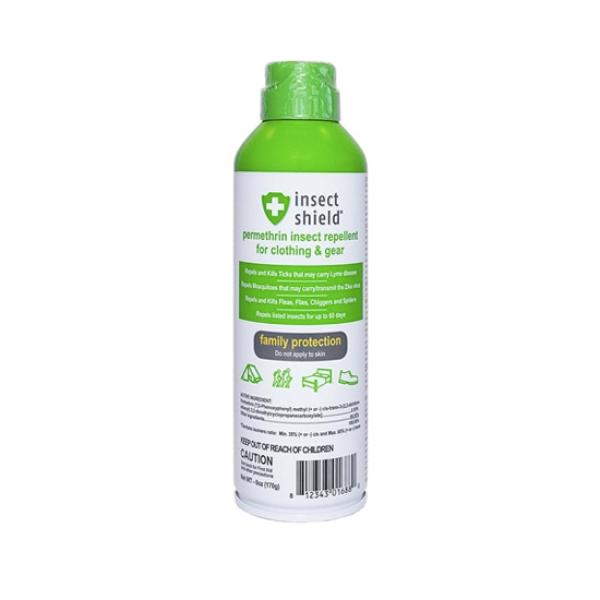
Permethrin-treated clothing provides an often-overlooked layer of protection that works synergistically with skin-applied repellents. This insecticide binds to fabric fibers, killing mosquitoes on contact rather than just repelling them.
The Pre-Treated Clothing Advantage
Globally, permethrin-treated clothing like InsectShield products maintains effectiveness through 70+ washes. For frequent travelers to high-risk areas, this represents significant long-term value compared to constantly purchasing repellents. The protection works even when clothing is wet – crucial for tropical destinations.
DIY Treatment Options for Budget-Conscious Travelers
For occasional travelers, Sawyer Permethrin spray allows you to treat multiple clothing items before departure. Apply in well-ventilated areas 24-48 hours before travel to ensure complete drying. One 12-ounce bottle typically treats 6-8 outfits, making it cost-effective for family travel.
Real-World Protection Timeline: How Long Your Repellent Actually Lasts

Most travelers trust product labels claiming 8-12 hours of protection, but actual effectiveness varies dramatically based on activity level, climate, and application technique. Understanding your real protection window prevents dangerous gaps in coverage.
Factors That Cut Protection Time in Half
Sweating, swimming, wiping skin with towels, and high humidity can reduce stated protection time by 50% or more. Physical activity increases skin temperature, accelerating repellent evaporation. Windy conditions also shorten effective duration as the active ingredients disperse faster.
The Smart Reapplication Strategy for Continuous Protection
Set phone reminders to reapply before protection wears off completely. For extended outdoor activities, carry a small backup repellent specifically for reapplication. Consider layering strategies – permethrin clothing plus skin repellent extends total protection time beyond either method alone.
Final Note: The best mosquito repellent for travel depends on your specific destination, activities, and personal sensitivities. By understanding the science behind different options and avoiding common mistakes, you can enjoy your travels without constant swatting or disease anxiety. For maximum protection in high-risk areas, combine permethrin-treated clothing with 20-30% DEET or picaridin applied correctly. Remember that consistent application matters more than the specific product – no repellent works if you don’t use it properly. Before your next trip, test potential repellents at home to check for skin reactions, and always pack more than you think you’ll need in case of unexpected delays or increased exposure.