
Nothing derails travel plans faster than a dead smartphone battery when you need navigation, translations, or emergency contact most. Whether you’re navigating foreign airports, documenting adventures on remote trails, or simply trying to stay productive during long layovers, a reliable power bank transforms how you experience travel. Modern travelers face unique charging challenges: scarce outlets in transit hubs, incompatible plug adapters abroad, and devices that drain faster when using GPS and data roaming. The right portable power solution keeps your smartphone alive for 12+ hours of navigation, your camera ready for spontaneous moments, and your translation apps functioning when ordering dinner in an unfamiliar language. This guide cuts through marketing hype to help you identify the best power bank for travel based on real-world specs, verified user experiences, and your specific journey requirements.
Why Capacity Determines Your Travel Experience
Your power bank’s capacity—measured in milliampere-hours (mAh)—directly impacts how many device charges you’ll get before needing to recharge the bank itself. For most travelers carrying just smartphones and earbuds, a 10,000mAh unit delivers 1-3 full smartphone charges (depending on your device’s battery size) while remaining pocket-friendly. This sweet spot balances power availability with portability, fitting comfortably in jacket pockets without creating noticeable bulges. If your travel involves tablets, multiple devices, or extended periods without power access, stepping up to 20,000mAh becomes essential.
Consider the Anker 737 Power Bank with 24,000mAh capacity—it provides enough juice to charge a 16-inch MacBook Pro to 50% in just 40 minutes while delivering 140W charging speeds. Such capability comes with increased size and weight, so honestly assess whether you need laptop-level power or if smartphone-focused capacity suffices. For extreme scenarios like wilderness expeditions or multi-day transit with no power access, ultra-high-capacity units like the OHOVIV 50,000mAh offer extraordinary reserves but sacrifice portability for power. Most travelers find mid-range capacities (10,000-20,000mAh) deliver optimal balance for their needs.
Airline Regulations Every Traveler Must Understand

Airline restrictions on lithium batteries directly impact which power banks you can bring onboard, and misunderstanding these rules creates stressful security checkpoint encounters. Most carriers permit power banks in carry-on luggage while prohibiting them in checked baggage due to fire risk concerns. Capacity limits typically restrict carry-on power banks to units under 100 watt-hours (Wh), though specific regulations vary by airline and route—always verify with your carrier before travel.
How to Calculate Your Power Bank’s Watt-Hours
Convert mAh to watt-hours using this simple formula:
Watt-hours = (mAh × voltage) ÷ 1,000
Most power banks operate at 3.7 volts, so:
– 10,000mAh = approximately 37Wh (well under airline limits)
– 25,000mAh = approximately 92.5Wh (still under most limits)
– 50,000mAh = over 180Wh (facing stricter regulations)
Critical Traveler Checklist for Airline Compliance
- ✅ Choose units with clear capacity labeling and airline approval documentation
- ✅ Carry power banks in accessible carry-on luggage (never checked baggage)
- ✅ Select mid-range capacities (10,000-25,000mAh) for optimal travel compliance
- ✅ Verify specific airline requirements before international flights
The INIU Portable Charger specifically markets its 10,000mAh capacity as flight-safe, while the Anker Laptop Power Bank (25,000mAh) explicitly notes flight approval in product descriptions—both demonstrating manufacturer awareness of these critical travel requirements.
Top Rated Power Banks for Every Budget

Best Value Options Under $25
The INIU Portable Charger dominates this category with 73,000+ ratings averaging 4.5 stars. Its 10,000mAh capacity delivers 45W fast charging through an attached USB-C cable, flight-safe certification, and broad compatibility with iPhone, Samsung, and Pixel devices. At $20.99, it outperforms many premium units while staying pocket-friendly. The Charmast Portable Charger offers strong competition with 10,000mAh capacity, six outputs, three inputs, and 3A fast charging for multiple device types—all at the same $20.99 price point with 19,000+ ratings averaging 4.6 stars.
Premium Picks for Power Users
The Anker Laptop Power Bank (25,000mAh) with triple 100W USB-C ports represents the pinnacle for professionals needing simultaneous multi-device charging. Its 7,300+ ratings maintain a 4.6-star average at $91.68, justifying the investment for business travelers who depend on laptop productivity during long flights. For Apple users prioritizing convenience, the Anker MagGo Power Bank series delivers Qi2-certified magnetic charging with smart displays showing real-time status and foldable stands for hands-free use—though its $87.49 price targets users who’ll fully utilize these premium features.
Apple Users: Magnetic Charging Solutions
iPhone travelers benefit significantly from magnetic wireless charging that eliminates cable management hassles. The Anker Nano Power Bank (5,000mAh) provides 15W MagSafe-compatible charging in an ultra-slim design perfect for iPhone and AirPods users. Its 1,800+ ratings average 4.4 stars at $54.99—ideal for travelers prioritizing portability over capacity. Budget-conscious Apple users should consider the podoru for Magsafe Battery Pack at $17.98 with 8,500+ ratings, delivering 5,000mAh capacity and 20W PD fast charging at a fraction of premium pricing. For Apple Watch users specifically, the RORRY Portable Charger ($25.99) offers 5,000mAh capacity in a keychain form factor that doubles as emergency phone power.
Fast Charging Technology Explained
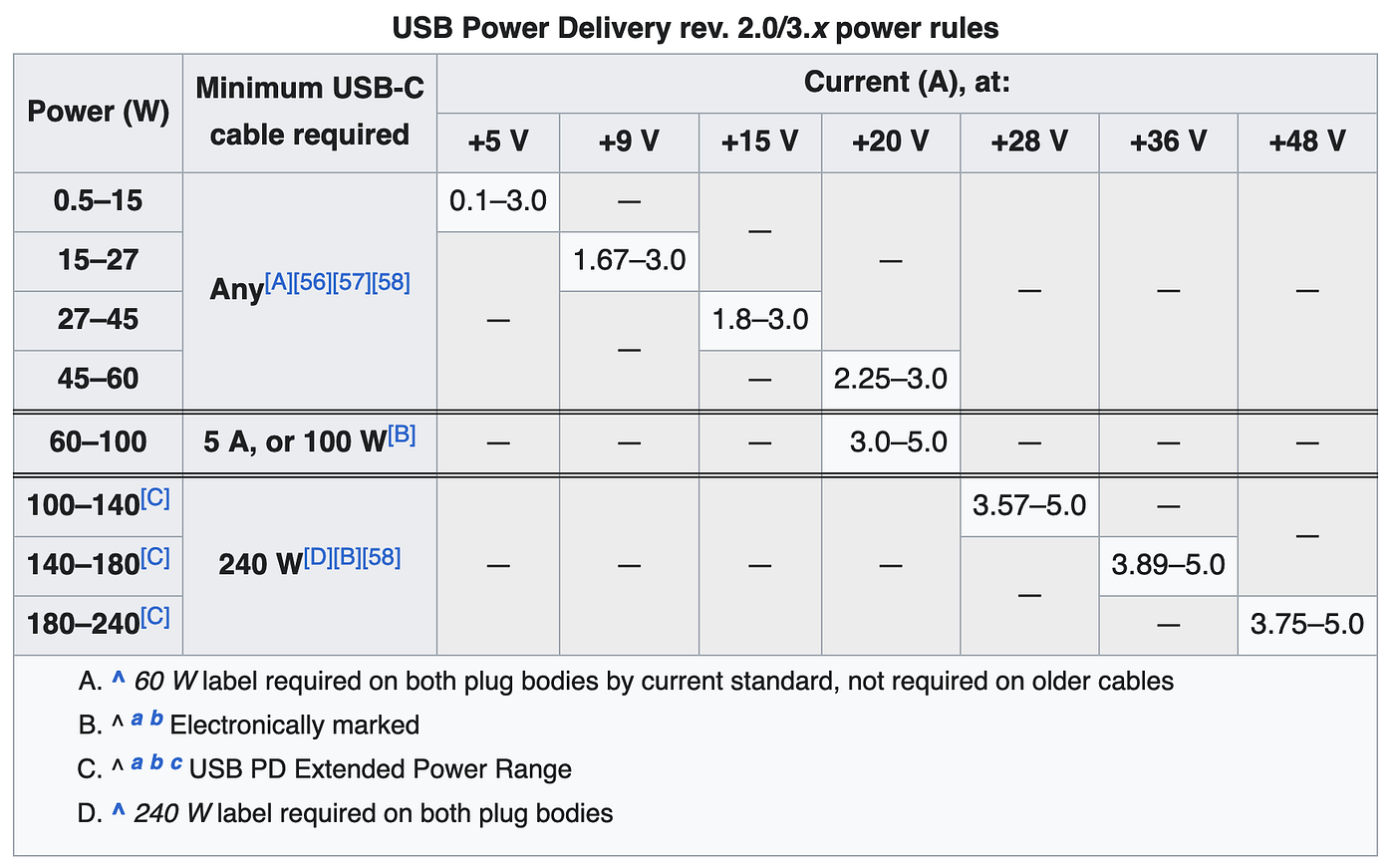
Understanding charging standards prevents disappointment when your power bank doesn’t deliver promised speeds. Power Delivery (PD) technology enables higher wattage charging, but your device determines maximum speed—not just the power bank. Using a 140W power bank with a smartphone limited to 18W won’t charge faster than an 18W charger, as your device’s internal circuitry caps intake. Android users should verify compatibility with protocols like USB Power Delivery and Programmable Power Supply (PPS) to achieve manufacturer-advertised charging speeds.
Key Charging Technologies Compared
| Technology | Max Speed | Best For | Device Compatibility |
|---|---|---|---|
| USB Power Delivery | 140W | Laptops, tablets | Universal |
| MagSafe/Qi2 | 15W | Wireless convenience | iPhone 12+ |
| Samsung Super Fast | 45W | Samsung devices | Galaxy series |
| Bi-directional | Varies | Rapid recharging | Premium models |
Bi-directional charging proves particularly valuable during travel—recharging your power bank while it charges your phone maximizes utility during limited charging windows at airports or cafes.
Maintenance Tips for Maximum Longevity
Proper care extends your power bank’s functional lifespan significantly. Always fully charge new units before first use to calibrate the battery management system for accurate capacity reporting. Lithium-ion batteries thrive with regular usage—travelers who use power banks infrequently should charge and discharge them every 2-3 months to maintain battery health. Store units at approximately 50% charge during extended storage periods, as fully charged or depleted states accelerate degradation.
Critical Environmental Factors
- ❌ Avoid leaving power banks in vehicles during hot summer months
- ❌ Never expose to direct sunlight on beaches or during outdoor adventures
- ❌ Don’t use below freezing temperatures (32°F/0°C)
- ✅ Maintain storage between 50-77°F (10-25°C) for optimal longevity
Verify device compatibility before connecting—while modern power banks incorporate smart charging logic, mismatched protocols can cause slow charging or potential damage to expensive electronics.
Choosing the Best Power Bank for Your Journey
Your ideal travel power bank depends entirely on your specific needs rather than chasing maximum specs. Business travelers needing laptop productivity during international flights benefit from high-capacity units like the Anker Laptop Power Bank, while leisure travelers focused on smartphone photography find 10,000mAh units like the INIU Portable Charger provide perfect balance.
International travelers should prioritize models with built-in AC plugs (like the VEGER Portable Charger) that eliminate adapter needs when recharging the power bank itself. Adventure travelers heading off-grid should consider ultra-high-capacity options like the OHOVIV 50,000mAh despite the weight penalty. Market data consistently shows established brands like Anker, INIU, and Charmast deliver reliable performance with 4.3-4.8 star ratings across tens of thousands of reviews.
Ultimately, the best power bank for travel matches your specific journey—providing sufficient capacity for your devices, fitting your carrying preferences, meeting airline requirements, and delivering reliable performance trip after trip. Invest in proven brands with solid warranty coverage rather than unknown manufacturers, especially when your travel safety depends on having working charging equipment in unfamiliar environments.