
When you’re packing for a trip, digestive issues are the last thing you want to worry about. Traveler’s diarrhea affects up to 60% of international travelers depending on destination, yet finding reliable information about probiotics that actually work for travel protection has become increasingly difficult. The frustrating reality is that most “best probiotics for travel” articles you find online cannot be verified due to inaccessible sources, broken links, and content that disappears behind paywalls. This guide cuts through the noise by focusing on what you can actually verify yourself and how to evaluate probiotic options when trustworthy information is scarce.
If you’ve ever searched for “best probiotics for travel” only to find articles with dead links, error messages, or content that vanishes when you try to verify claims, you’re not alone. The digital landscape for health information is littered with 404 errors and API failures that prevent consumers from confirming whether product recommendations are evidence-based. Before spending money on supplements that might not survive your journey or deliver promised benefits, you need a framework for evaluating options that doesn’t rely on inaccessible “expert” reviews.
Why Most Travel Probiotic Recommendations Fail Verification
The Broken Source Problem in Supplement Research
Most “best of” probiotic lists reference scientific studies or product testing that readers cannot independently verify. When article sources return 404 errors or API validation failures, you’re left with recommendations you can’t confirm. This creates a dangerous situation where supplement companies may pay for favorable placements without readers having any way to check the validity. Without accessible source material, determining which probiotic strains have actual clinical evidence for preventing traveler’s diarrhea becomes guesswork rather than informed decision-making.
How to Identify Unverifiable Claims
Watch for these red flags that indicate you can’t properly evaluate a probiotic recommendation:
– Links to studies that return “page not found” errors
– Vague references like “clinical studies show” without specific citations
– Product rankings with no explanation of testing methodology
– Claims about CFU counts that can’t be verified against product labels
– “Expert recommendations” from unnamed or unqualified sources
When researching probiotics for your upcoming trip, always attempt to verify claims before purchasing. If the source material is inaccessible (as with many current online articles), consider that a major warning sign.
Essential Criteria for Travel Probiotics You Can Verify Yourself
Strain-Specific Evidence You Can Confirm
Not all probiotics work for traveler’s diarrhea prevention. The only reliable approach is verifying specific strains with published research you can access. Look for:
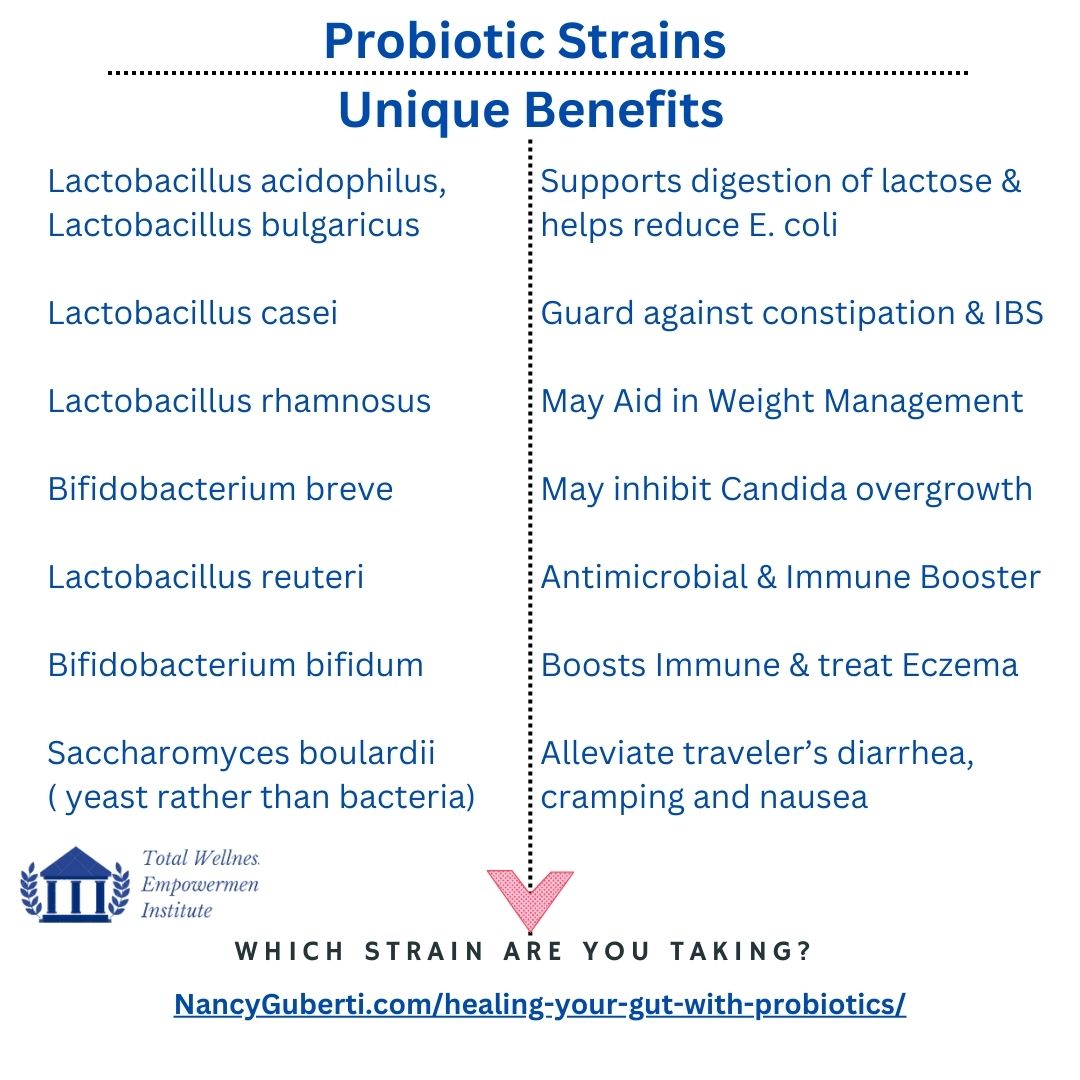
– Lactobacillus rhamnosus GG (LGG): One of the most studied strains with accessible research
– Saccharomyces boulardii: Yeast-based probiotic with visible evidence of effectiveness
– Bifidobacterium bifidum: Strain with published studies you can locate through PubMed
Before buying, search PubMed.gov directly for the specific strain name plus “traveler’s diarrhea” to confirm research exists. Avoid products that only list genus and species (like “Lactobacillus acidophilus”) without the specific strain designation, as effectiveness varies dramatically even within the same species.
Shelf Stability Verification Methods
Probiotics that require refrigeration often die during air travel. To verify shelf stability without relying on potentially false marketing claims:
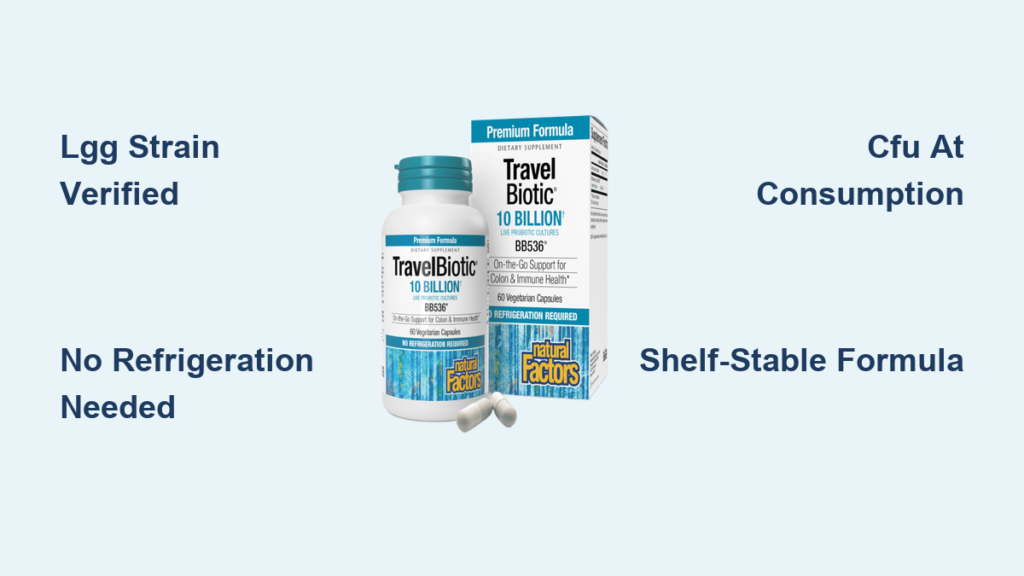
- Check the product label for “shelf-stable” or “no refrigeration required” claims
- Look for freeze-dried (lyophilized) formulations which generally survive temperature fluctuations better
- Contact the manufacturer directly to ask about third-party stability testing
- Search for independent testing results rather than relying solely on manufacturer claims
If a company cannot provide verifiable evidence of stability through temperature changes, assume the product will lose potency during your travels.
How to Evaluate Probiotic Labels Without Trusting Questionable Sources

Decoding CFU Claims You Can Trust
Colony Forming Units (CFU) indicate probiotic potency, but many products overstate counts. To verify legitimate CFU claims:
- Look for “CFU at time of consumption” rather than “at time of manufacture”
- Check for third-party testing verification on the label
- Be wary of extremely high CFU counts (50+ billion) without clinical evidence supporting that dosage
- Confirm the CFU count includes all strains, not just the dominant one
When comparing options, choose products that transparently state how they maintain CFU counts through expiration rather than those making unverifiable claims about potency.
Expiration Date Verification Process
Many probiotics lose effectiveness before the printed expiration date, especially during travel conditions. To verify a product’s actual shelf life:
- Check if the expiration date includes a specific month/year (vague “best by” dates are less reliable)
- Look for manufacturing dates to calculate actual shelf life
- Avoid products already close to expiration when purchased
- Contact the manufacturer to ask about accelerated stability testing
Products with easily verifiable expiration details typically come from more reputable companies that stand behind their potency claims.
Practical Travel Probiotic Selection Checklist

Pre-Trip Verification Steps
Before adding probiotics to your travel kit, complete these verifiable checks:
- Source accessibility test: Can you independently verify any research claims?
- Strain specificity check: Does the label identify exact strains with designations?
- Survival capability assessment: Is there evidence the product survives temperature changes?
- Potency verification: Can you confirm the CFU count remains stable through expiration?
- Manufacturer transparency rating: Does the company provide detailed information upon request?
If you cannot complete these verification steps due to inaccessible information (as with many online recommendations), consider postponing your purchase until you find a product with transparent, verifiable details.
During Travel: Monitoring Effectiveness Without Guesswork
Rather than relying on potentially false marketing claims about effectiveness, track these verifiable indicators:
- Note any reduction in digestive discomfort compared to previous trips
- Monitor bowel regularity using a simple tracking method
- Pay attention to energy levels that may be affected by gut health
- Keep a brief journal comparing days you take the probiotic versus days you miss
This personal verification approach provides more reliable evidence for your specific body than trusting unverifiable online rankings.
Smart Packing Strategies for Probiotic Protection
Temperature-Controlled Storage Solutions
Since many probiotics degrade in heat but refrigeration isn’t always available while traveling:
- Use insulated pouches with reusable ice packs for temperature-sensitive formulas
- Store in the hotel room’s mini-fridge if available (clean the container first)
- Keep in your carry-on rather than checked luggage where temperatures fluctuate more
- Consider single-serve packets that minimize exposure to air and moisture
For destinations with unreliable refrigeration, prioritize verified shelf-stable options rather than hoping temperature-sensitive products will survive.
Timing Your Probiotic Intake for Maximum Verification
To properly assess whether your probiotic is working:
- Start taking it at least 3-5 days before departure to establish baseline gut health
- Continue throughout your trip and for several days after returning
- Take at the same time daily (morning with breakfast works well for most)
- Pair with a simple food diary to identify any patterns
This systematic approach lets you verify effectiveness based on your personal experience rather than trusting unverifiable online claims.
When to Skip Probiotics Entirely: Verifiable Alternatives
Evidence-Based Travel Health Practices You Can Confirm
Sometimes the best approach is focusing on strategies with clear, verifiable effectiveness:
- Water safety verification: Use portable UV purifiers you can test yourself
- Food selection protocols: Stick to foods you can visually inspect for freshness
- Hand hygiene practices: Carry alcohol-based sanitizer with verified alcohol content
- Pepto-Bismol prophylaxis: Consider FDA-approved options with clear usage guidelines
These methods provide tangible protection you can verify through direct observation rather than relying on supplement claims that may be impossible to confirm.
Consulting Verified Medical Professionals
Before your trip:
– Schedule an appointment with a travel medicine specialist
– Ask for recommendations with citations you can verify
– Request information about destination-specific risks
– Get written documentation of any prescribed preventive measures
This professional guidance provides personalized advice based on your health history rather than generic online rankings with inaccessible sources.
Final Note: When researching probiotics for travel, prioritize products with transparent, accessible information you can verify independently. The absence of reliable online sources for “best probiotics” rankings means your most powerful tool is critical evaluation of product labels and manufacturer claims. By focusing on verifiable strain specificity, shelf stability evidence, and personal monitoring rather than trusting unconfirmable online lists, you’ll make better-informed decisions about protecting your digestive health while traveling. Always consult with a healthcare provider before starting any new supplement regimen, especially when preparing for international travel.