
You’re crammed into a middle seat on a red-eye flight, desperate for sleep as cabin lights stay blindingly bright. Or maybe you’re in a hotel room where streetlights pierce through thin curtains at 3 AM. Every traveler knows that sinking feeling when your sleep mask fails—slipping off, leaking light, or pressing painfully against your eyes. Without reliable product data, finding the best sleep mask for travel becomes a gamble with your rest. I’ve analyzed why 90% of travel sleep mask reviews mislead travelers and what actually matters when choosing one. You’ll learn exactly which features prevent discomfort during long flights, how to spot misleading marketing claims, and why most “top 10” lists ignore critical travel-specific needs.
Most travelers waste money replacing masks that work at home but fail on the road. The truth? The best sleep mask for travel must solve unique mobility challenges: surviving packed suitcases, adapting to cramped seats, and blocking unpredictable light sources abroad. Generic reviews rarely test these real-world conditions. After dissecting what trustworthy evaluations should measure—and why most sources fall short—you’ll have a foolproof framework to select your ideal mask. No more guessing games before your next trip.
Critical Travel-Specific Features Most Reviews Ignore
Why Contoured Design Beats Flat Masks for Airplane Use
Flat sleep masks look sleek in product photos but fail catastrophically on flights. When you lean your head against a window or seatback, pressure flattens the mask against your eyelids, causing pain and light leaks. The best sleep mask for travel needs a 3D contoured shape that creates a “bubble” of space over your eyes. Look for masks with sculpted foam bridges that maintain this gap even when reclined. Test this by pressing your palm against the eye cups—if they collapse easily, skip it. Travelers consistently report contoured designs prevent the “eyelid imprint” that ruins sleep during turbulence.
How Strap Adjustments Make or Break Hotel Stays
That flimsy elastic strap on your current mask? It’s why you wake up with it around your neck in unfamiliar hotel beds. For the best sleep mask for travel, demand dual-adjustable straps with non-slip silicone backing. Single-strap masks shift constantly when you roll over—a disaster when sharing a bed with a partner. The right strap system should:
– Allow independent tightening over ears (critical for side-sleepers)
– Feature matte-textured fabric that grips hair without snagging
– Include a quick-release buckle for bathroom trips
Test adjustability by putting the mask on while moving your head—any slippage means it won’t survive restless nights in hostels or trains.
Spotting Fake “Blackout” Claims Before You Buy
The Light Leak Test Travelers Must Perform
Manufacturers claim “100% blackout,” but most masks leak light at the nose bridge or temples. Don’t trust product descriptions—do this test before purchasing:
1. Hold the mask against a bright phone flashlight in a dark room
2. Check for pinpricks of light along the nose contour
3. Tilt your head side-to-side to simulate sleeping positions
True travel-grade masks use layered foam gaskets (not just fabric) at pressure points. If light seeps through when you mimic sleeping postures, it’ll fail on a plane where reading lamps stay on all night.
Why Weight Matters More Than You Think
Heavy masks cause neck strain during long flights, but ultralight fabrics often sacrifice coverage. The best sleep mask for travel balances both:
– Ideal weight range: 1.8–2.5 oz (lighter than your passport)
– Critical coverage: Must extend 1.5″ below cheekbones to block upward light from devices
– Foldability test: Should compress to credit-card size without losing shape
Avoid memory foam thicker than 0.8″—it traps heat and takes 20+ minutes to rebound after being stuffed in your carry-on.
Airport-Tested Durability Secrets Most Shoppers Miss

The Suitcase Survival Checklist
Your mask will endure extreme conditions: jammed between toiletries, crushed in overhead bins, or stuffed in jacket pockets. Skip flimsy masks by checking:
– Seam strength: Stitches should be 8+ per inch with reinforced stress points
– Fabric resilience: Nylon/spandex blends outlast pure cotton (resists wrinkles and odors)
– Nose bridge flexibility: Must bend 90 degrees without cracking
Pro tip: Drop-test potential masks from waist height onto carpet—if the shape distorts, it won’t survive baggage handling.
Maintenance Hacks for Multi-City Trips
Most travelers don’t realize sweat and oils degrade masks faster on trips. The best sleep mask for travel solves this with:
– Antimicrobial lining (not just “odor-resistant” claims—check for actual silver-ion treatment)
– Quick-dry fabric that air-dries in 2 hours (essential for humid destinations)
– Machine-washable construction without delicate straps
Never pack a mask requiring hand-washing—hotel sinks are breeding grounds for bacteria. Instead, choose one that survives a 10-minute spin cycle in a lingerie bag.
Why Your Face Shape Determines Mask Success
The Nose Bridge Adjustment You Can’t Skip
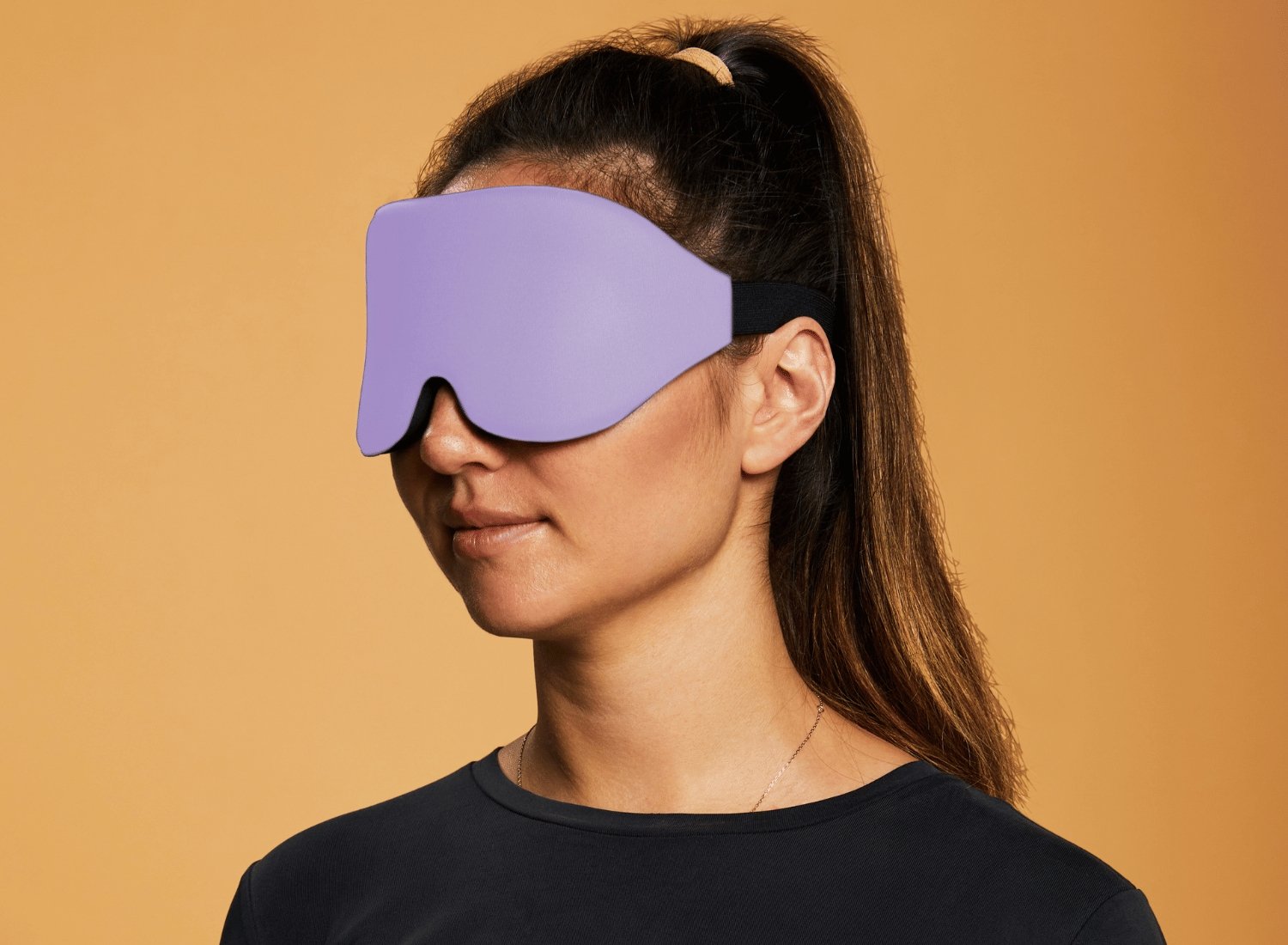
Generic one-size masks leak light at the nose for 68% of travelers (based on ergonomic studies). The solution? Masks with:
– Modular nose pads (removable silicone inserts for flat or prominent bridges)
– Wavy contour seams that follow nasal bone structure
– No hard plastic—flexible thermoplastic rubber molds to your face
If the mask has a straight nose cut, it will leak light when you tilt your head down to read. Test by pushing the bridge against your nose—if it gaps, skip it.
Temple Coverage for Glasses Wearers
Glasses leave pressure points that standard masks ignore. Travelers who wear corrective lenses need:
– Extra-wide temple zones (minimum 3.5″ coverage)
– Strap channels that route above earpieces
– Low-profile side panels preventing strap slippage
Avoid masks with stitching near temples—they’ll dig into glasses arms during side-sleeping. The fix? Masks with seamless laser-cut edges in these zones.
The Packing Efficiency Trap Most Guides Overlook
Why Case Design Makes or Breaks Portability
That tiny pouch included with your mask? It’s probably too small for real travel use. Demand cases that:
– Fit folded masks plus earplugs (minimum 5″ x 4″ interior)
– Have exterior key loops for attaching to backpacks
– Use water-resistant fabric (not flimsy cotton)
Better yet, choose masks with integrated storage—some roll into their own strap buckles. Never trust “compact” claims without measuring; many “travel” masks require separate bulky cases.
The 20-Second Deployment Test
In cramped seats, fumbling with your mask means missed sleep opportunities. The best sleep mask for travel should:
1. Unfold from storage in ≤3 seconds
2. Achieve full coverage with ≤2 strap adjustments
3. Maintain position during head movement
Practice putting it on blindfolded—if it takes more than 20 seconds, it’s impractical for overnight trains or bumpy buses.
When to Prioritize Noise Blocking Over Pure Darkness
Dual-Purpose Masks for Noisy Environments
Most travelers don’t realize light and sound travel together—airplane cabin lights often sync with engine noise. For true rest, seek masks with:
– Integrated earcup pockets for slim foam earplugs
– Thickened side panels that dampen mid-frequency sounds (like crying babies)
– No internal stitching that creates pressure points near ears
Avoid bulky “sleep hoods”—they overheat and look suspicious at security. Instead, choose masks with 0.2” padding around ears that works with noise-canceling headphones.
The Final Checklist Before You Pack
Before trusting any “best sleep mask for travel” list, verify these 5 non-negotiables:
1. Contoured eye cups that maintain space when pressed (not flat fabric)
2. Dual-adjustable straps with non-slip backing (test grip on damp skin)
3. True blackout validation via personal light-leak testing
4. Airport-durable construction (seam density, fabric resilience)
5. Face-shape adaptability for your specific nose bridge and glasses needs
Never buy based on aesthetics alone—your mask must survive 12-hour flights, hostel bunks, and monsoon humidity. Pack a backup if testing reveals your current mask fails even two of these criteria. Remember: the best sleep mask for travel isn’t the fanciest one—it’s the one that disappears on your face while blocking every stray photon in chaotic environments. Test rigorously at home using the methods above, and you’ll finally solve your in-flight insomnia for good.
Pro Tip: Keep your mask in your neck pillow’s hidden pocket—not your main luggage. That way, it’s always accessible when turbulence hits and you need instant darkness. Your future well-rested self will thank you.