
Nothing ruins a vacation faster than an uncomfortable vehicle that eats up your budget in gas stops or breaks down in the middle of nowhere. The best SUV for travel solves these problems with the perfect blend of space, comfort, efficiency, and reliability. Whether you’re planning a cross-country road trip with the kids or a weekend getaway with camping gear, choosing the right SUV transforms travel from a chore into part of the adventure. This guide cuts through the marketing hype to show you which models genuinely deliver on the promise of stress-free travel, based on real-world performance and owner experiences.
Today’s SUV market offers overwhelming choices, but not all handle extended journeys equally well. The difference between a merely adequate SUV and the best SUV for travel comes down to thoughtful details: how the seats feel after six hours on the highway, whether your luggage fits without creative Tetris skills, and if the fuel gauge still shows plenty of range when you’re 100 miles from the next gas station. We’ve evaluated dozens of models to highlight the standouts that earn consistent praise from travelers who’ve put them through the wringer on actual road trips.
What Makes an SUV Actually Good for Travel?
Cargo Space That Handles Real Luggage
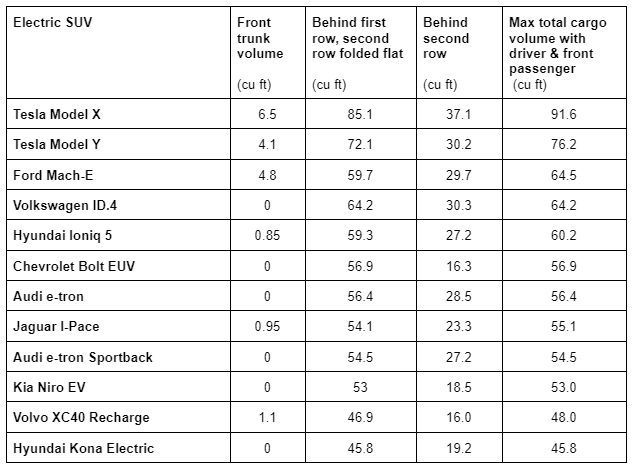
The best SUV for travel provides cargo capacity that works in practice, not just on paper. Full-size models like the Toyota Sequoia deliver over 100 cubic feet of space with all seats folded—enough room for multiple large suitcases, camping gear, and even mountain bikes with the rear hatch closed. But volume numbers alone don’t tell the whole story. Look for SUVs with low load floors that don’t require lifting heavy bags overhead, like the Chevrolet Tahoe’s thoughtful design.
Practical cargo features make a huge difference: the Hyundai Palisade’s underfloor storage compartment keeps muddy hiking boots out of sight, while the Kia Telluride’s hands-free power liftgate opens with a simple foot motion when your arms are full. For families with pets, the Honda Passport’s easy-to-clean cargo area with rubberized flooring handles muddy paws without permanent stains. These thoughtful touches separate true travel companions from vehicles that look good on the showroom floor but disappoint on actual trips.
Seats That Stay Comfortable Beyond the First Hour
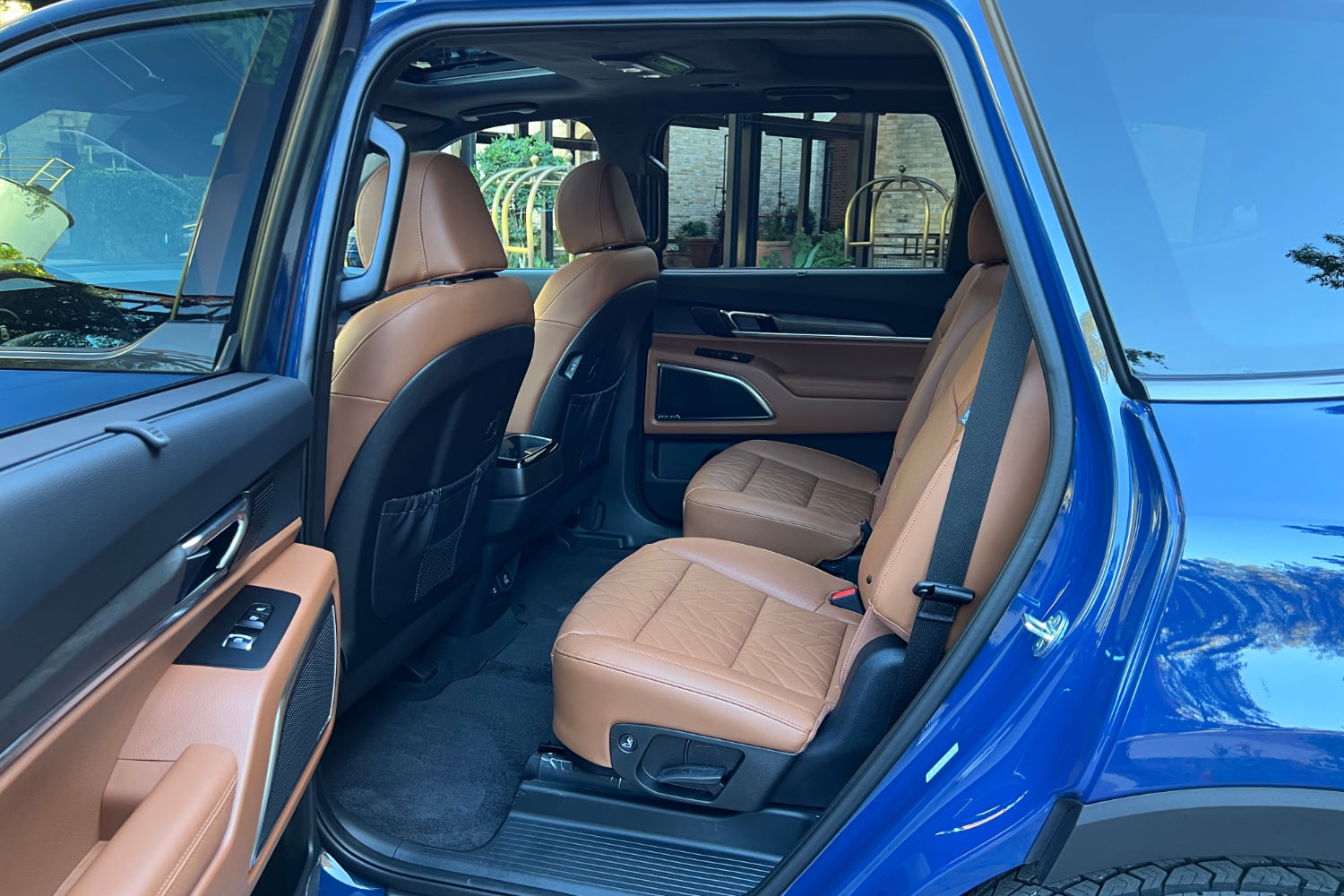
Long drives expose poor seat design quickly. The best SUV for travel features seats with proper lumbar support that prevents back pain during extended highway cruising. Front seats should offer multiple adjustments including thigh extensions—critical for taller drivers who often struggle with knee strain in many SUVs. The BMW X5 stands out with its available massaging front seats that make eight-hour drives feel significantly shorter.
Rear passenger comfort separates family-friendly SUVs from those that only work for short commutes. Models like the Kia Telluride and Hyundai Palisade deliver exceptional third-row space where adults can sit comfortably for hours—unlike competitors where the rearmost seats only fit children. Look for SUVs with rear climate controls and USB ports that keep backseat passengers content, plus seat recline functions that let tired travelers find more comfortable positions. The Toyota RAV4 Hybrid’s quiet cabin also reduces fatigue by minimizing road noise that becomes irritating over long distances.
Fuel Economy That Doesn’t Break Your Trip Budget
Nothing kills road trip momentum like frequent gas stops, especially in remote areas where stations are scarce. The best SUV for travel balances capability with reasonable fuel efficiency. Hybrid models like the Toyota RAV4 Hybrid reset expectations with 40+ MPG highway—meaning you’ll spend less time refueling and more time exploring. For larger families needing three rows, the Hyundai Palisade achieves a respectable 26 MPG highway, significantly better than many competitors in its class.
Plug-in hybrids like the BMW X5 xDrive45e offer the best of both worlds: electric-only range for daily commuting (saving thousands in fuel costs) while retaining gasoline range for long trips. Diesel options like the Jeep Grand Cherokee EcoDiesel deliver exceptional highway mileage and torque for towing, though higher fuel costs offset some savings. When calculating travel costs, remember that an SUV getting 20 MPG versus 25 MPG on a 3,000-mile trip saves you approximately $150 in gas at current prices—a meaningful difference for most travelers.
Top SUVs for Different Travel Styles
Best Full-Size SUV for Family Road Trips: Chevrolet Tahoe
The Chevrolet Tahoe has quietly transformed into one of the best SUVs for travel with its independent rear suspension that delivers car-like ride quality without sacrificing capability. Its cavernous interior accommodates eight passengers comfortably, with sliding second-row seats that create generous legroom for third-row occupants—a rarity in this class. The Tahoe’s massive cargo area (over 120 cubic feet with all seats folded) swallows luggage for large families without requiring roof racks.
Under the hood, the Tahoe’s smooth 5.3-liter V8 provides effortless highway passing power while achieving up to 24 MPG on the highway—impressive for its size. Recent models feature advanced safety technology including automatic emergency braking and lane-keeping assist that reduce driver fatigue on long trips. The real game-changer is the available rear-seat entertainment system with dual screens that keeps kids occupied for hours, turning what would be a test of patience into peaceful journeys.
Best Midsize SUV for Adventure Travel: Honda Passport
Travelers who venture beyond paved roads need capability that most crossovers can’t match. The Honda Passport delivers genuine off-road readiness while maintaining car-like on-road manners that make long highway stretches comfortable. Its unibody construction provides superior ride quality compared to truck-based SUVs, while the available AWD system includes terrain-specific modes for snow, sand, and mud.
With 3,500 pounds of towing capacity and standard underbody protection, the Passport handles small trailers or boat hauling better than most midsize SUVs. The rear cargo area features clever storage solutions including underfloor compartments and available roof rails for expanded carrying capacity. Most importantly, the Passport’s comfortable seats and quiet cabin make it equally suited for 500-mile highway days as for forest service road adventures—unlike more specialized off-roaders that punish drivers on paved surfaces.
Best Value SUV for Budget Travelers: Kia Telluride

The Kia Telluride delivers premium travel comfort at mainstream pricing, making it the best SUV for travel on a budget. Its spacious interior comfortably seats seven with genuine third-row space for adults, while standard features like heated front seats, tri-zone climate control, and wireless smartphone integration typically cost extra on competitors. The Telluride’s 291-horsepower V6 provides ample power for highway cruising while achieving up to 26 MPG on the highway.
Kia’s industry-leading 10-year/100,000-mile warranty provides peace of mind for travelers concerned about breakdowns far from home. Owners consistently praise the Telluride’s comfortable seats that stay supportive for hours, plus its quiet cabin that minimizes road noise during extended drives. For families prioritizing safety, the Telluride comes standard with forward collision avoidance, lane-keeping assist, and adaptive cruise control—features that prevent accidents and reduce driver fatigue on long trips.
Maximizing Your Travel SUV Experience
Essential Accessories for Road Trips
Even the best SUV for travel benefits from thoughtful accessories that enhance comfort and capability. All-weather floor mats protect your investment from mud, sand, and spilled drinks—especially important with children or pets. The WeatherTech brand’s custom-fit mats create a complete barrier that contains messes without sliding around.
For travelers exceeding cargo capacity, factory roof racks provide secure mounting points for cargo boxes that maintain aerodynamics and reduce wind noise compared to open racks. The Thule Motion XT offers 16 cubic feet of enclosed space for extra luggage while maintaining highway efficiency. Don’t overlook window tinting, which reduces cabin heat buildup by up to 60%—a lifesaver for pets left briefly unattended during rest stops.
Maintenance Tips for Trouble-Free Travel
Consistent maintenance prevents roadside breakdowns that ruin vacations. Follow the manufacturer’s recommended service schedule precisely, especially for hybrid models like the RAV4 where specialized knowledge is required. Check tire pressure monthly and before long trips—underinflated tires increase fuel consumption by up to 3% and accelerate wear.
Replace cabin air filters every 15,000 miles to maintain HVAC efficiency and air quality—critical for travelers with allergies. For vehicles with panoramic sunroofs (common on luxury models), periodically clean the drainage channels to prevent leaks during rainstorms. Most importantly, address warning lights immediately rather than hoping the problem resolves itself; many major breakdowns start with minor symptoms that could have been caught early.
Choosing the best SUV for travel comes down to matching your specific adventures with a vehicle that handles your unique needs. Families with multiple children will appreciate the Kia Telluride’s comfortable third row and comprehensive safety features, while outdoor enthusiasts need the Honda Passport’s genuine off-road capability. Budget-conscious travelers find exceptional value in models that combine low operating costs with high reliability, making every mile more enjoyable and less expensive.
The true test of any travel SUV happens on actual road trips, not in showrooms. Before committing, load the vehicle with your typical travel gear and take a multi-hour test drive—not just around the block. Pay attention to seat comfort, cargo accessibility, and how the vehicle handles highway speeds. The right SUV becomes an essential partner in your adventures, transforming travel time into quality time and opening possibilities that smaller vehicles simply can’t match. Choose wisely, and your journeys will be limited only by your imagination, not your transportation.