
Your perfect best travel hiking backpack should feel like a natural extension of your body, not a burden strapped to your shoulders. Picture this: you’re halfway through a demanding trail, sweat dripping down your back, shoulders aching under the weight of a poorly fitted pack while your hips scream for relief. This common backpacking nightmare stems from choosing the wrong travel hiking backpack – a mistake that can ruin an otherwise spectacular adventure. The right pack transforms your experience, distributing weight efficiently so you can focus on the trail ahead rather than your discomfort. With the market flooded with options ranging from ultralight Dyneema wonders to expedition-grade haulers, this guide cuts through the confusion to help you find your ideal best travel hiking backpack match.
Finding the best travel hiking backpack isn’t about chasing the lightest or most expensive option—it’s about matching your specific needs with the right features. Whether you’re a weekend warrior tackling local trails or planning a multi-week trek through remote wilderness, your pack becomes your most essential piece of equipment. This comprehensive guide distills complex specifications into practical advice, highlighting top performers across key categories so you can make an informed decision that will serve your adventures for years to come.
Osprey Atmos AG LT 65: Top-Rated Overall Travel Hiking Backpack
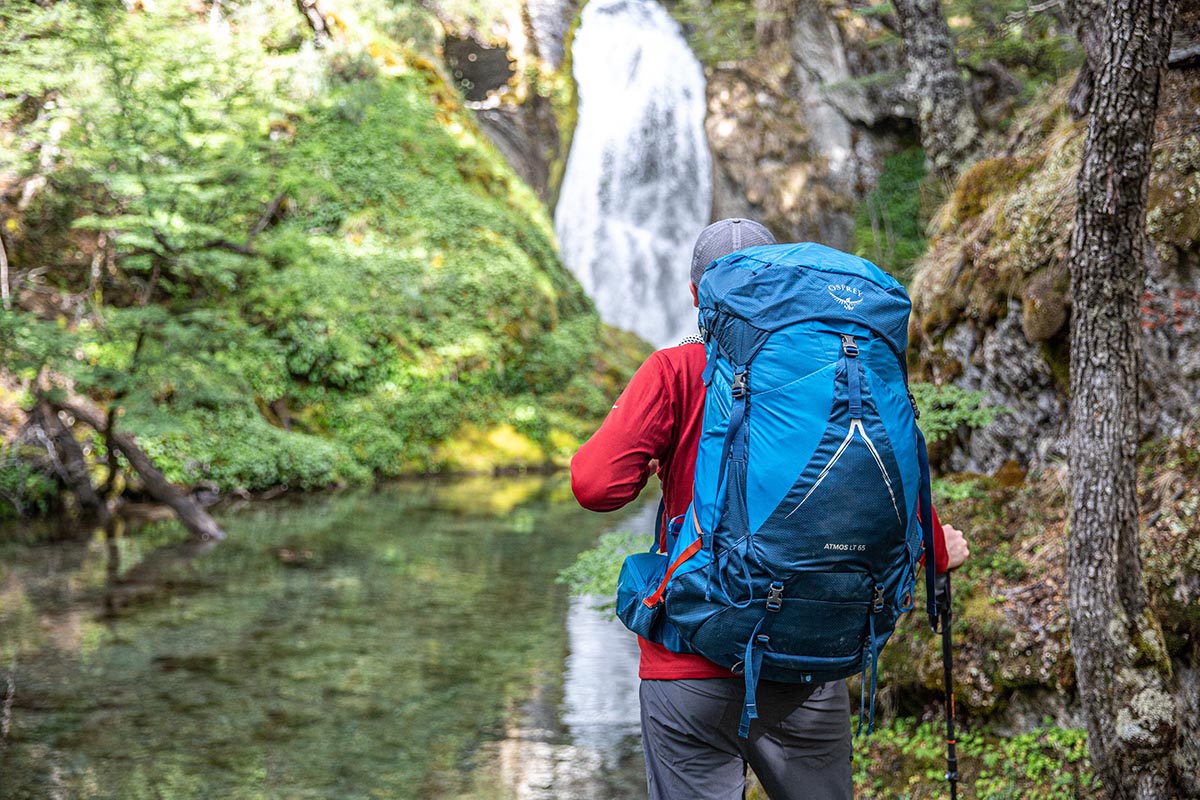
When searching for the best travel hiking backpack that balances comfort and functionality, the Osprey Atmos AG LT 65 earns its place as the top recommendation for most travelers. Priced at $320, this 65-liter pack delivers exceptional comfort through Osprey’s innovative suspended mesh backpanel—a trampoline-style design that creates an unrestricted airflow channel between your back and the pack body. This isn’t just marketing hype; the suspended mesh system genuinely reduces heat buildup during strenuous climbs when other packs would have you drenched in sweat.
The Atmos AG LT 65 weighs 4 pounds and 1.1 ounces with a 40-pound load limit, making it substantial enough for week-long trips while remaining manageable for most hikers. Its construction uses a strategic combination of 210D and 500D nylon—placing heavier material in high-wear areas while saving weight where possible. What truly sets this pack apart is how it distributes weight: 70-80% transfers to your hips rather than your shoulders, preventing the fatigue that plagues many backpackers.
Why This Pack Excels for Most Travelers
The Osprey Atmos AG LT 65 hits the sweet spot between weight, features, and comfort that appeals to recreational backpackers:
- Unmatched ventilation that keeps you cooler on hot days compared to solid-panel competitors
- Thoughtful organization with generous hipbelt pockets, lid compartments, and side mesh pockets
- Durable construction that withstands trail abuse without excessive weight penalty
- Proven suspension system that maintains comfort even when fully loaded
While the 4.1-pound weight challenges its “LT” (lightweight) designation, this pack justifies every ounce through superior comfort during extended wear. The main drawback for some users is the simplified torso adjustment system compared to the regular Atmos AG model, potentially limiting fine-tuning options for precise fit customization.
Best Budget Travel Hiking Backpack: REI Co-op Trailmade 60
For beginners or budget-conscious hikers seeking the best travel hiking backpack under $200, the REI Co-op Trailmade 60 delivers impressive value at $179. This 60-liter pack specifically targets entry-level backpackers with features that reduce the learning curve associated with proper pack fitting and loading—a common pain point for newcomers to the sport.
Weighing 3 pounds and 6 ounces with a 35-pound load limit, the Trailmade 60 handles weekend trips with reasonable comfort despite its modest price tag. The standout feature for beginners is the printed instructions directly on the pack itself, explaining proper loading techniques and adjustment procedures—a thoughtful touch that eliminates guesswork for new backpackers. Large hipbelt pockets accommodate smartphones and small essentials, while the height-adjustable shoulder straps simplify fitting without overwhelming complexity.
What Beginners Should Know Before Buying
When considering this budget-friendly option, keep these practical considerations in mind:
- Durability limitations: Basic nylon construction lacks the reinforced base of premium packs, making it less suitable for rough handling
- Comfort trade-offs: Squishy foam padding provides adequate comfort for short trips but may cause discomfort on longer journeys
- Weather protection: Minimal water resistance requires a separate rain cover for reliable protection in wet conditions
- Sustainability bonus: Earns a 4.8/5 sustainability rating through REI’s environmentally responsible manufacturing practices
The Trailmade 60’s dated aesthetic may disappoint those seeking modern design, but its educational approach and beginner-friendly features make it an excellent starting point for developing backpackers.
Ultralight Champion: Hyperlite Mountain Gear Southwest 55
For weight-obsessed travelers who prioritize every ounce saved, the Hyperlite Mountain Gear Southwest 55 represents the pinnacle of ultralight travel hiking backpacks. At just 1 pound and 14.8 ounces, this Dyneema Woven Composite pack delivers remarkable performance that enables covering greater distances with less fatigue—perfect for thru-hikers and minimalist adventurers.
The Southwest 55’s revolutionary material provides extraordinary strength-to-weight ratio, essentially making it tear-proof under normal backpacking conditions while remaining completely waterproof. The 55-liter capacity suits minimalist overnights to week-long pushes between resupplies, with the roll-top closure adapting to varying load sizes while maintaining weather protection. Despite its minimal weight, it handles an impressive 40-pound load limit—surpassing expectations for ultralight designs.
Critical Considerations for Ultralight Travelers
Before committing to this premium $420 option, weigh these important factors:
- Comfort compromises: Thin padding becomes uncomfortable under heavy loads or extended wear
- Heat management challenges: Complete lack of ventilation causes significant sweat buildup during warm weather hiking
- Limited adjustability: No torso or hipbelt adjustability (though five torso length options accommodate different body sizes)
- Price premium: Commands a substantial cost for advanced materials and specialized construction
The Southwest 55 excels for experienced backpackers who’ve optimized their gear for minimal weight and prioritize waterproofing and durability over plush comfort. If you’re new to ultralight backpacking, consider starting with a more forgiving option before making this significant investment.
Smart Sizing Strategies for Your Best Travel Hiking Backpack
Choosing the right size ensures your best travel hiking backpack performs optimally without carrying unnecessary weight. Proper fit isn’t just about comfort—it directly impacts your ability to carry loads efficiently and safely over long distances.
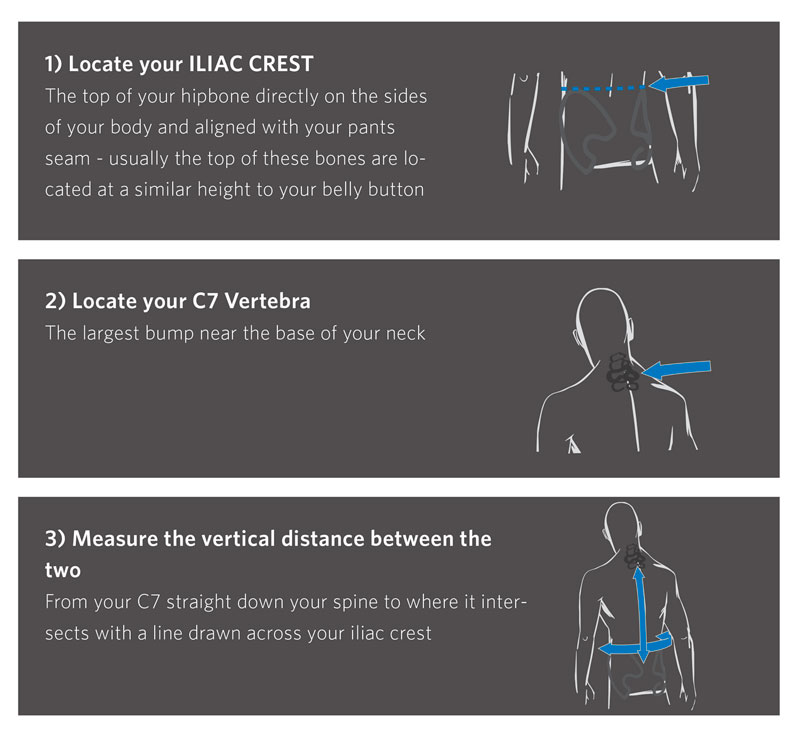
Torso Length Measurement Process
To determine your correct torso length:
1. Bow your head forward and locate the prominent bump at the base of your neck (C7 vertebra)
2. Measure from this point down to the top of your hip bones
3. Compare this measurement to manufacturer sizing charts
Most quality backpacks offer multiple torso length options (typically 15-23 inches), with some providing continuous adjustability through sliding systems. When trying on packs, ensure shoulder straps sit comfortably without riding up toward your neck or digging into your shoulders.
Hipbelt Sizing Essentials
Hipbelt fit requires attention to your hip bone structure rather than just waist size:
– Proper fit positions padding around your hip bones without riding up over ribs
– The hipbelt should transfer 70-80% of the load to your hips where your stronger leg muscles can handle it
– When tightened, padded sections shouldn’t overlap in the front
Whenever possible, test packs with 20-30 pounds of weight to assess real-world fit. Move through simulated trail movements—bending, reaching, climbing—to evaluate stability during dynamic activities. Many outdoor retailers allow test walks in their stores or outdoor areas; take advantage of this service to prevent costly mistakes.
Capacity Selection Made Simple
Selecting the appropriate capacity prevents the common mistake of carrying unnecessary weight from excess pack volume. Follow these practical guidelines:
- Overnight trips: 30-50 liters typically sufficient
- Weekend trips (2-3 nights): 50-70 liters ideal
- Extended trips (4+ nights): 70+ liters usually required
Consider seasonal variations—winter trips require substantially larger capacities to accommodate bulkier insulation and sleeping systems. Ultralight travelers who’ve minimized possessions can often use smaller packs than traditional hikers carrying comparable trip durations. Assess your current gear volume before purchasing to determine your actual capacity needs.
Smart Buying Strategies for Long-Term Value
When selecting your best travel hiking backpack, consider these value-focused strategies:
- Evaluate cost per use rather than initial price—a $300 pack that lasts 10 years outperforms an $80 pack failing after one season
- Prioritize warranty coverage—Osprey’s All Mighty Guarantee covers packs for any reason against defect or damage
- Test multiple options with representative weight to assess comfort and fit
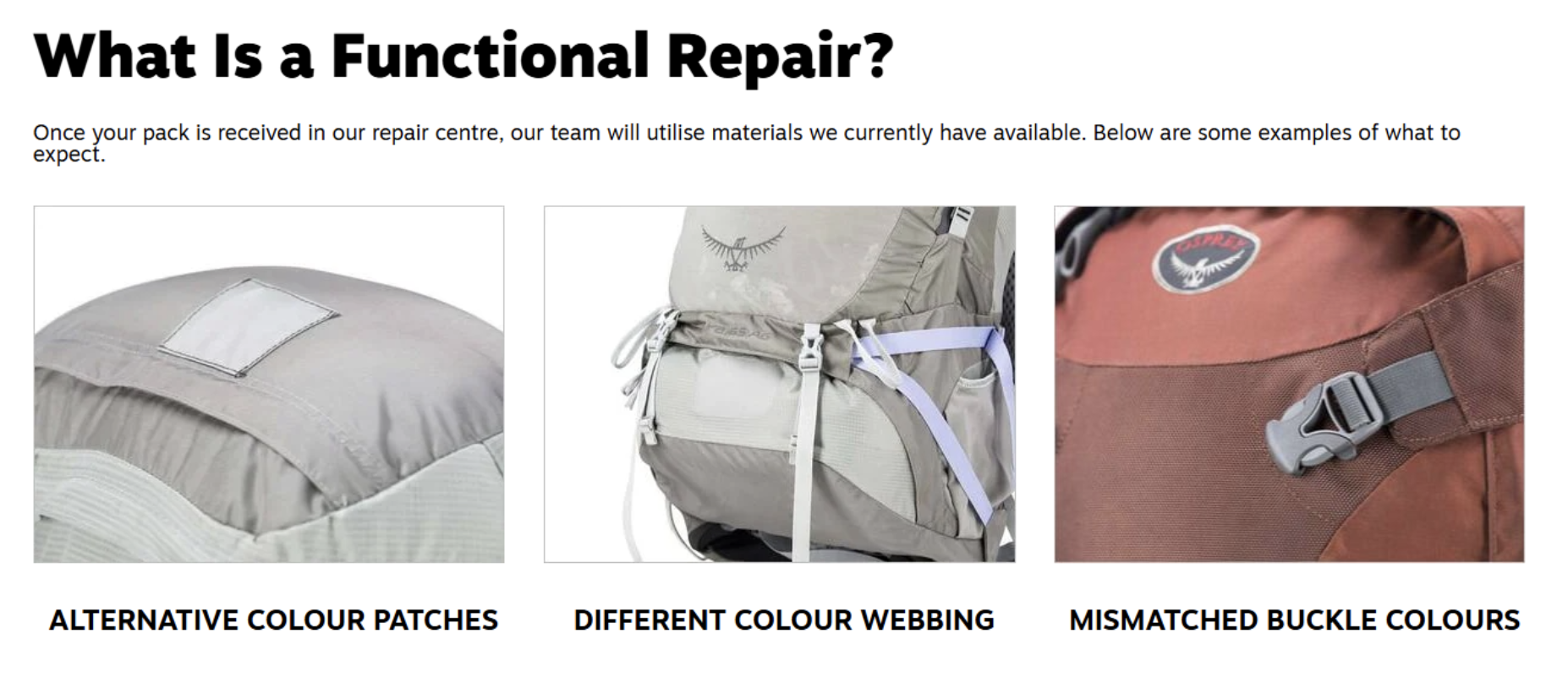
- Consider manufacturer repair programs for addressing damage outside warranty coverage
Be honest about your actual usage patterns rather than aspirational ones. The ultralight pack that excites you in the showroom provides little benefit if your typical trips require more capacity and comfort than it offers.
Final Recommendation: Finding Your Perfect Match
The best travel hiking backpack ultimately depends on your specific priorities, physical capabilities, and intended use. For most recreational backpackers, the Osprey Atmos AG LT 65 delivers the ideal balance of comfort, features, and value. Budget-conscious beginners will find excellent value in the REI Co-op Trailmade 60, while experienced ultralight travelers should consider the Hyperlite Mountain Gear Southwest 55 for its remarkable weight savings and waterproofing.
Before making your final decision, test multiple packs with representative weight to assess comfort and fit—this simple step prevents costly mistakes and ensures your best travel hiking backpack becomes a reliable companion rather than a source of frustration. With proper care and appropriate use, a quality travel hiking backpack will serve your adventures for years, making the thoughtful selection process well worth your time and consideration.