
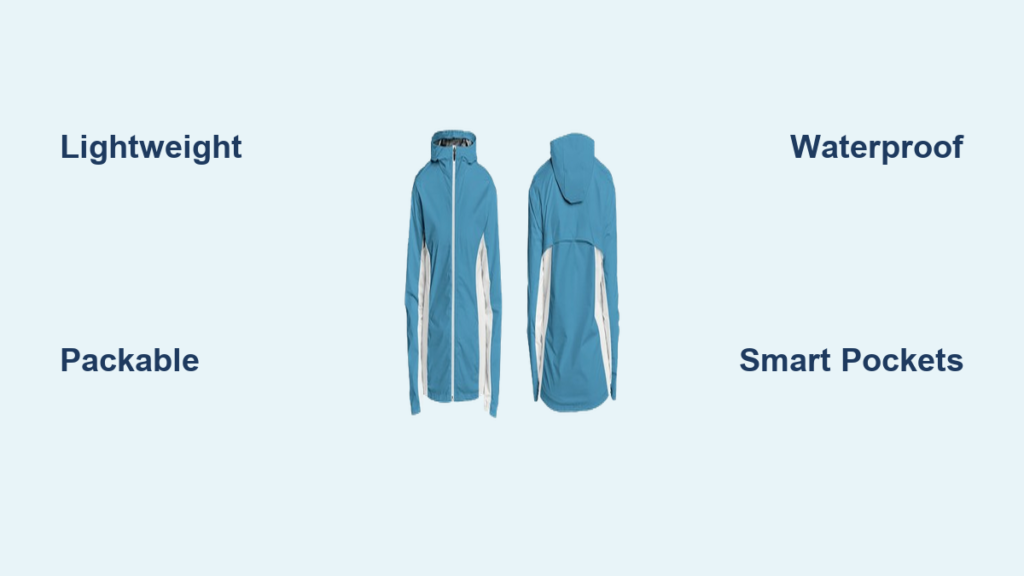
Finding the perfect travel jacket can transform your journeys from stressful to seamless. Whether you’re navigating airport security with multiple connections, exploring diverse climates in a single trip, or simply trying to maximize your carry-on space, the right outerwear makes all the difference. This guide cuts through the marketing hype to deliver practical advice for selecting the best travel jacket that genuinely serves your specific travel needs without weighing down your luggage.
The modern traveler faces unique challenges that demand equally innovative solutions. Today’s top-performing travel jackets combine weather protection, packability, and smart storage features into streamlined designs that work as hard as you do. With options ranging from ultralight shells to temperature-regulating insulated layers, knowing what truly matters helps you avoid wasting money on features you’ll never use. We’ll examine the critical factors that separate exceptional travel jackets from disappointing purchases, so you can invest wisely in gear that enhances every journey.
Weight and Packability: Your Jacket’s Travel Credentials
:max_bytes(150000):strip_icc()/tal-compression-packing-cubes-test-well-traveled-lars-peterson-9-469e7ed3563848b5bfd8c7b551d5a477.jpeg)
The defining characteristic of any legitimate travel jacket is how efficiently it disappears into your luggage. The best travel jackets weigh between 5-10 ounces yet provide meaningful protection against wind and rain. Look for jackets that compress into their own pocket or a small stuff sack—this feature alone can save valuable space in your carry-on.
High-denier ripstop fabrics deliver the ideal balance of tear resistance and minimal weight. When evaluating packability, test how small the jacket becomes when compressed—some premium options shrink to the size of a grapefruit while maintaining performance. Remember that heavier insulated jackets sacrifice some packability for warmth, so match this characteristic to your typical destinations. If you travel primarily to warm climates, prioritize ultralight shells; for colder regions, consider how much warmth you need versus how much space you can spare.
How to Test Packability Before Buying
Before purchasing, simulate travel conditions by stuffing the jacket into its pocket or a small bag. Quality travel jackets maintain their compressed size without springing back immediately. Check that the fabric doesn’t crease permanently when packed, and that zippers operate smoothly after multiple compression cycles. Many travelers make the mistake of buying jackets that look great in stores but become bulky, unwieldy additions to their luggage—don’t be one of them.
Weather Resistance That Actually Works on the Road
Effective weather protection separates functional travel gear from fashion statements. The best travel jackets feature durable water repellent (DWR) treatments that cause moisture to bead and roll off rather than soaking through. For travelers facing significant rain, look for jackets with waterproof breathable membranes like Gore-Tex, though these typically cost more and may sacrifice some breathability.
Wind resistance matters equally for travelers navigating exposed airport walkways, mountain passes, or coastal areas. Tight-weave fabrics with windproof membranes block chilling breezes while maintaining enough breathability to prevent overheating during active exploration. Test jackets by holding them up to a light source—if you see many pinpricks of light, the fabric likely won’t provide adequate wind protection.
Common Weatherproofing Mistakes to Avoid
Many travelers mistakenly believe all “water-resistant” jackets perform equally. In reality, performance varies dramatically based on fabric quality, seam construction, and zipper protection. Avoid jackets with exposed zippers that allow water ingress, and check that critical seams are taped or welded rather than merely stitched. Remember that even the best DWR treatment wears off over time—choose jackets from brands that offer reproofing services or easy DIY maintenance.
Pocket Configuration That Solves Real Travel Problems

Thoughtful pocket placement transforms a simple jacket into a functional travel system. The best travel jackets feature multiple secure storage options designed specifically for travel scenarios. Look for interior zippered pockets sized for passports and boarding passes, positioned high enough to stay accessible when wearing a backpack.
RFID-blocking pockets have become essential for security-conscious travelers, protecting contactless credit cards and passports from electronic theft. Media ports for headphone cables and touch-screen compatible fabric on thumb areas add convenience without compromising weather protection. Avoid jackets with excessive external pockets that create bulk and potential snag points during security screenings.
Must-Have Pocket Features
Prioritize jackets with at least one hidden security pocket that’s difficult for pickpockets to access. The ideal location sits against your body, under your arm, with a zipper that runs horizontally rather than vertically. Test pocket accessibility while wearing the jacket—can you reach them easily while wearing a backpack? Do they stay secure when you move quickly through crowded spaces? These practical considerations matter more than pocket count alone.
Matching Your Jacket to Climate and Travel Style

The best travel jacket for business trips differs significantly from one designed for backpacking adventures. Business travelers need sleek, professional-looking shells in dark, versatile colors that transition from airplane to boardroom. These should feature wrinkle-resistant fabrics that maintain a polished appearance after hours in luggage.
Adventure travelers require rugged construction that withstands active use across diverse conditions. Prioritize durability, water resistance, and breathability over slim profiles. Longer cuts provide additional weather protection during hiking, while multiple pockets accommodate small gear items. Backpackers maximizing luggage efficiency should seek the lightest, most compressible options that disappear into small daypacks.
Climate-Specific Recommendations
For tropical destinations, choose ultralight shells with exceptional breathability that handle sudden downpours without trapping moisture. Temperate climates benefit from versatile soft shell jackets providing light insulation and weather protection. Cold destinations demand serious insulation—but modern ultra-light down and synthetic fills deliver surprising warmth without bulk. Remember that layering systems often outperform single-jacket solutions for variable conditions.
Avoiding Costly Travel Jacket Mistakes
Many travelers repeat the same purchasing errors that lead to disappointing gear. Choosing fashion over function results in jackets that look great but fail when needed most. That stylish bomber jacket might turn heads, but will it keep you dry during an unexpected mountain storm?
Neglecting climate research leads to inappropriate purchases—lightweight shells for winter destinations or insulated jackets for tropical trips. Ignoring layering requirements leaves travelers uncomfortable when conditions shift unexpectedly. Always test zipper quality thoroughly before buying; nothing ruins a trip faster than a broken zipper on your only weather protection.
Value Assessment: When to Splurge vs. Save
Entry-level jackets under $50 work for occasional travelers needing basic weather protection. Mid-range options ($100-$200) from reputable outdoor brands deliver the best value for regular travelers, combining proven technologies with durable construction. Premium jackets exceeding $250 justify their cost through superior performance, longevity, and innovative features for frequent travelers who depend on their gear daily. Consider your travel frequency when evaluating price—serious travelers often save money long-term by investing in quality that lasts.
Maximizing Your Travel Jacket’s Performance
Own the best travel jacket but aren’t using it effectively? Pack it in its compressed form whenever possible, using the built-in stuff sack. For carry-on travel, wear your jacket through security to save space and gain immediate access upon arrival. Distribute essential items across multiple pockets to avoid total loss if one compartment fails.
Proper maintenance significantly extends your jacket’s lifespan. Wash with technical garment detergent rather than standard soap, which leaves residues that compromise performance. Avoid fabric softeners entirely—they coat fibers and reduce water repellency. Reapply DWR treatments periodically to maintain water beading as factory treatments wear off. Store your jacket uncompressed in a cool, dry place when not traveling to preserve its performance characteristics.
Final Selection Checklist Before Purchase
Before committing to a travel jacket, verify these critical elements: Can you comfortably wear it over your typical travel layers? Do all zippers operate smoothly with one hand? Does it maintain weather protection when compressed? Will the color work across multiple destinations and outfits? How does it feel during simulated travel movements—reaching overhead, bending, walking quickly?
The best travel jacket becomes an invisible extension of your travel system—protecting you from elements without adding stress or bulk. It should solve specific problems you regularly encounter rather than offering features you’ll never use. When properly selected and maintained, your travel jacket transforms from simple outerwear into a trusted companion that enhances comfort and convenience across countless journeys.
Invest time in finding your ideal match, and your travel jacket will reward you with years of reliable service—freeing you to focus on experiences rather than discomfort. Whether you prioritize ultralight packability, serious insulation, or versatile functionality, an excellent option exists specifically for your travel needs.