

You’re packing for an upcoming trip and realize your current jacket won’t cut it for the varied climates you’ll encounter. Whether you’re navigating European cities with unpredictable weather or heading to Southeast Asia where sudden downpours are common, having the right travel jacket makes all the difference between a comfortable journey and constant temperature struggles. The best travel jacket for women isn’t just about style—it needs to be versatile, packable, weather-resistant, and adaptable to multiple environments. In this guide, we’ll help you cut through the marketing hype to identify exactly what features matter most based on your specific travel needs, so you can invest in a jacket that will serve you well for years of adventures.
Key Features That Define the Best Travel Jackets
Weather Protection Without Bulk
The most critical consideration for any travel jacket is its ability to handle changing weather conditions without adding unnecessary weight to your luggage. Look for jackets with DWR (Durable Water Repellent) coatings that cause water to bead up and roll off rather than soaking through. For true rain protection, ensure the jacket has fully taped seams—a feature often missing in fashion-oriented “water-resistant” jackets that only handle light drizzle. Breathability matters just as much as waterproofing; otherwise, you’ll end up sweaty and uncomfortable even in moderate temperatures. Jackets with underarm ventilation zippers provide crucial airflow when you’re walking between destinations.
Space-Saving Design for Limited Luggage
When every cubic inch of luggage counts, your jacket must pack down to a minimal size. The best travel jackets for women compress into their own pocket or a small stuff sack that clips to your backpack. Consider jackets that fold into dimensions no larger than a small water bottle—ideally under 8×4 inches when compressed. Many travelers overlook how much space a bulky jacket consumes; a well-designed travel jacket should take up less than 10% of your carry-on space. Test potential purchases by stuffing them into your actual travel bag to ensure they fit comfortably alongside your other essentials.
Versatile Layering Capabilities
Your travel jacket should function as the outermost layer while accommodating multiple base and mid-layers underneath. Look for jackets with articulated sleeves that allow full range of motion even when wearing multiple layers, and consider a slightly looser fit than you’d choose for everyday wear. Jackets with adjustable cuffs, hem cinches, and hood toggles let you customize the fit for different layering combinations. For maximum versatility, choose a jacket with a removable thermal lining—this single feature transforms your jacket from a spring/fall option to a three-season solution.
Top Travel Jacket Types Compared

Lightweight Packable Rain Jackets
What Makes Them Ideal for Travel
These ultra-compact shells weigh mere ounces while providing reliable rain protection for warm-weather destinations. The best options feature roll-up hoods that stow neatly when not needed, and pockets that double as storage sacks. When shopping, prioritize jackets with a minimum 5,000mm waterproof rating for genuine rain protection rather than just water resistance. Bright colors improve visibility in poor weather, but if you prefer subtlety, dark colors with reflective details offer safety without sacrificing style.
Common Design Flaws to Avoid
Many budget-friendly packable jackets skimp on critical details: hoods that flop around uselessly in wind, zippers that snag easily, or pockets too small for modern smartphone sizes. The best travel jackets for women include interior security pockets for passports and cards, and exterior pockets positioned for easy access while wearing a backpack. Check that the hood has sufficient volume to fit over your hair without compressing it—a surprisingly common issue with women’s-specific designs.
Convertible 3-in-1 Systems
Strategic Advantages for Variable Climates
For travelers visiting multiple climate zones on a single trip, 3-in-1 systems (a waterproof shell plus removable insulated layer) offer unmatched flexibility. The shell works alone in mild rain, the insulated layer serves as a standalone mid-layer, and combined they handle cold, wet conditions. Look for systems where both components hang properly when worn alone—many cheaper versions create awkward bulges when the inner layer is removed. The best designs use snap buttons rather than full zippers to attach the layers, eliminating the bulk of a double zipper system.
Hidden Drawbacks Most Reviews Miss
Most 3-in-1 systems add significant bulk when packed because you’re essentially carrying two jackets. The shell often lacks proper ventilation, causing overheating when worn alone in moderate temperatures. Additionally, the attachment system creates potential failure points where water can seep through. If you choose this style, prioritize models with pit zips for ventilation and ensure the shell has its own lining rather than relying solely on the inner layer for comfort against your skin.
Strategic Shopping Tips Most Travelers Overlook
The True Meaning Behind Technical Specifications
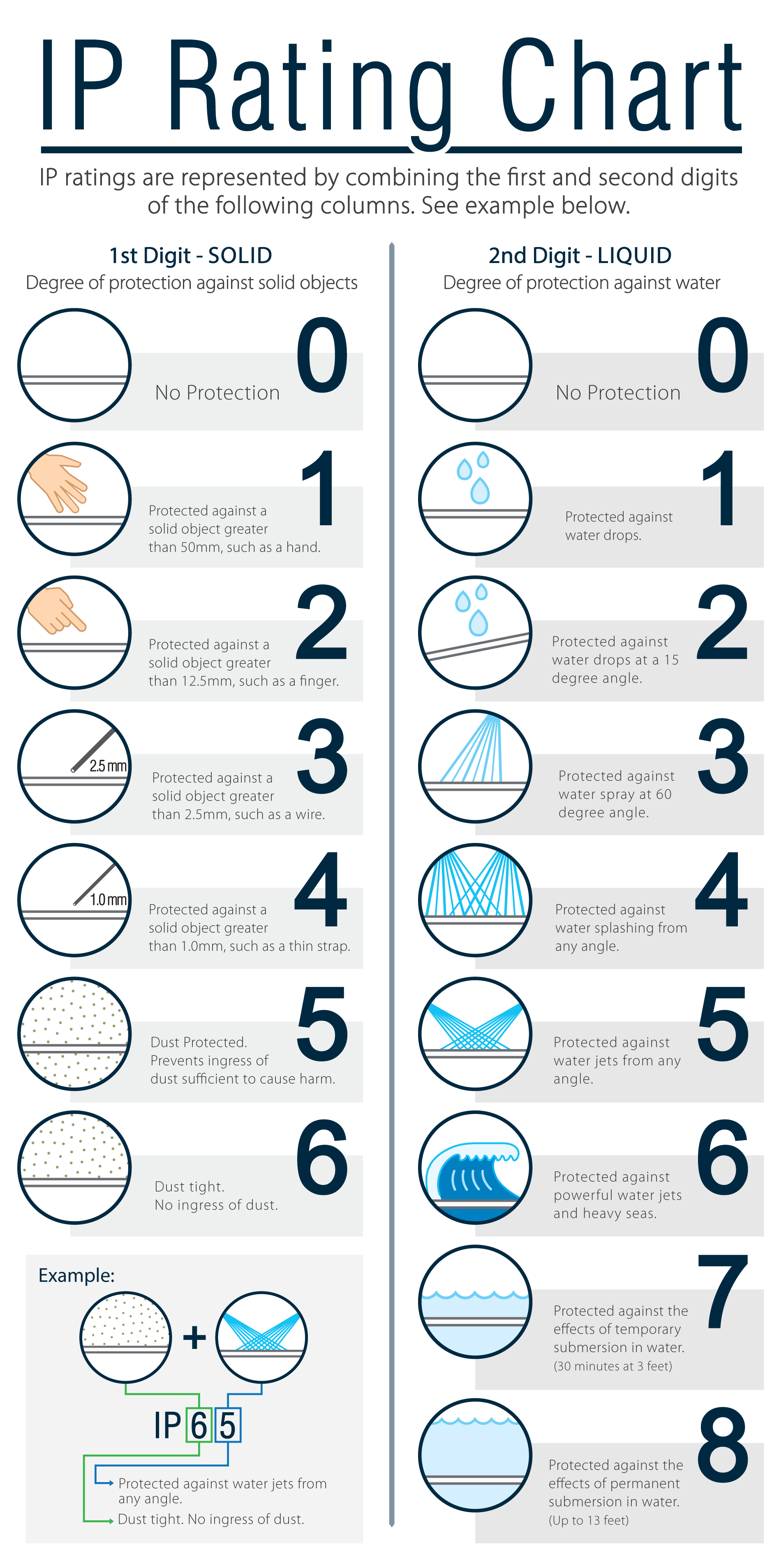
Waterproof ratings confuse many shoppers. A 5,000mm rating means the fabric can withstand 5,000mm of rain before leaking—adequate for light showers but insufficient for tropical downpours. For serious rain protection, aim for 10,000mm or higher. Similarly, breathability ratings (measured in g/m²/24hrs) indicate how much moisture vapor can escape; 10,000 is good, but 15,000+ is ideal for active travelers. Don’t be fooled by “water-resistant” claims—this typically means the jacket will repel light mist for a short time but isn’t truly waterproof.
Real-World Testing Methods Before You Buy
Before purchasing, simulate travel conditions: stuff the jacket into its pocket repeatedly to ensure the mechanism works smoothly after compression. Test the hood adjustment system with one hand—crucial when you’re caught in sudden rain. Check pocket placement by wearing the jacket with a backpack to ensure access isn’t blocked. For women-specific designs, verify that the cut accommodates different body shapes; many brands offer regular and petite sizing for better fit. Most importantly, wear the jacket while moving—reach overhead, bend down, and swing your arms to ensure freedom of movement.
Maintenance Secrets for Long-Lasting Performance
Proper Cleaning Techniques That Preserve Waterproofing
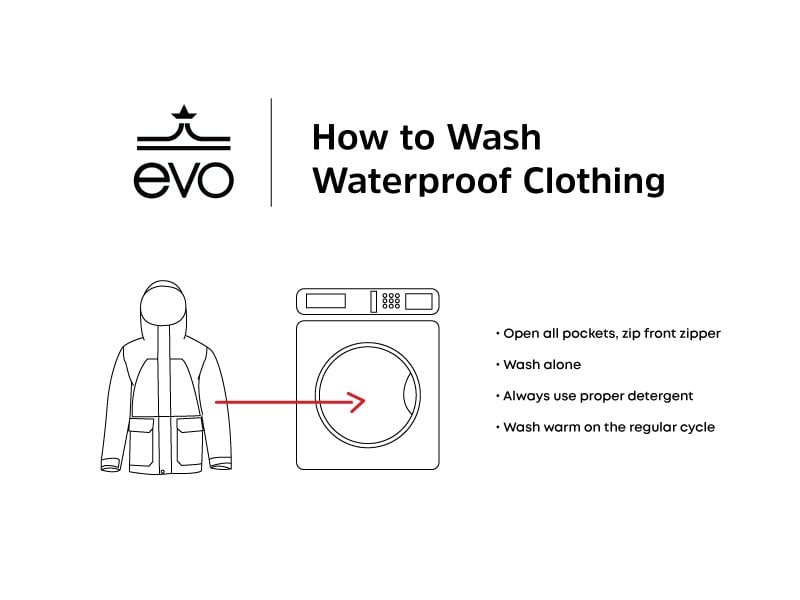
Washing travel jackets incorrectly destroys their waterproof coatings. Always use technical garment detergent (never regular detergent or fabric softener), and avoid high heat drying. For DWR coatings that have worn off, reapply a spray treatment after washing. Never dry clean technical jackets—this removes all waterproofing. When packing for travel, store your jacket loosely rather than tightly compressed for extended periods, which can damage the waterproof membrane.
Storage Practices That Prevent Irreversible Damage
Never store your travel jacket compressed in its stuff sack for months between trips. This stresses the waterproof membrane and causes permanent creases that become weak points. Instead, hang it in a cool, dry place away from direct sunlight. For long-term storage, include silica gel packets to absorb moisture but avoid cedar blocks or mothballs that can degrade technical fabrics. Before your next trip, check all zippers and adjusters to ensure they function smoothly after storage.
Smart Packing Strategies for Maximum Versatility
The Layering Formula That Covers 60+ Degree Temperature Swings
Master this simple layering system: moisture-wicking base layer (always merino wool or synthetic), insulating mid-layer (fleece or lightweight down), and your travel jacket as the weatherproof outer shell. With this system, you can handle temperatures from 30°F to 90°F by adding or removing layers. The best travel jackets for women include interior pockets specifically designed to store mid-layers when not needed, keeping your pack organized. Always pack your mid-layer in a separate stuff sack so you can access it without unpacking everything.
Space-Saving Folding Techniques Professionals Use
Fold your jacket with the hood stuffed inside the collar, then roll from bottom to top rather than folding flat. This creates a compact cylinder that fits efficiently into odd spaces in your luggage. Place the rolled jacket vertically along the side of your suitcase rather than laying it flat—this utilizes space that would otherwise go unused. When packing multiple garments, nest smaller items inside the jacket’s pockets to maximize every cubic inch.
Final Note: Choosing the best travel jacket for women requires balancing protection, packability, and versatility based on your specific destinations and activities. Prioritize features that match your actual travel patterns rather than trying to find a mythical “perfect for everything” jacket. The right investment pays dividends through countless trips—keeping you comfortable, dry, and focused on your adventures rather than constantly adjusting your clothing. Before your next purchase, create a checklist of your non-negotiable features based on where and how you travel most often. Remember that the best jacket is the one you’ll actually wear and enjoy using trip after trip.