
Long flights, extended road trips, and lengthy train journeys can transform what should be an exciting adventure into an exercise in discomfort. If you’ve ever arrived at your destination with a stiff neck, aching lower back, or that familiar burning sensation between your shoulder blades, you know exactly how travel fatigue compounds the stress of being away from home. The right travel pillow can mean the difference between stepping off a plane feeling refreshed and spending your first day of vacation nursing persistent pain that ruins your entire trip.
Back pain during travel stems from several interconnected factors. Poor posture while sleeping in a seated position, inadequate lumbar support, prolonged stillness, and the vibration of aircraft or vehicles all contribute to muscle strain and spinal misalignment. A travel pillow designed specifically for back pain addresses these issues by maintaining proper spinal curvature, reducing pressure points, and preventing the head from falling into positions that strain neck and shoulder muscles. This guide examines the key features that distinguish genuinely supportive travel pillows from those that merely offer token comfort.
Why Standard Travel Pillows Fail for Back Pain
Most travel pillows prioritize portability and price over genuine ergonomic support, which explains why so many travelers report dissatisfaction with their purchases. Traditional U-shaped neck pillows wrap around the cervical spine but do nothing to support the lower back, leaving a critical gap in your spinal alignment. When your lower back lacks support, your pelvis tilts forward, creating an exaggerated curve that strains lumbar muscles and compresses spinal discs. This misalignment cascades upward, causing neck strain as your head compensates by tilting forward.
The materials used in budget travel pillows compound these problems. Pillows filled with standard polyester fiber or simple memory foam tend to flatten quickly under the weight of your head, losing their supportive properties within the first hour of use. Cheap foams may also contain higher concentrations of volatile organic compounds that off-gas during flight, creating an unpleasant chemical odor. Additionally, many travel pillows have smooth, outer covers that allow your head to slide out of position throughout the night.
Key Features That Actually Support Your Back
Lumbar Support Integration
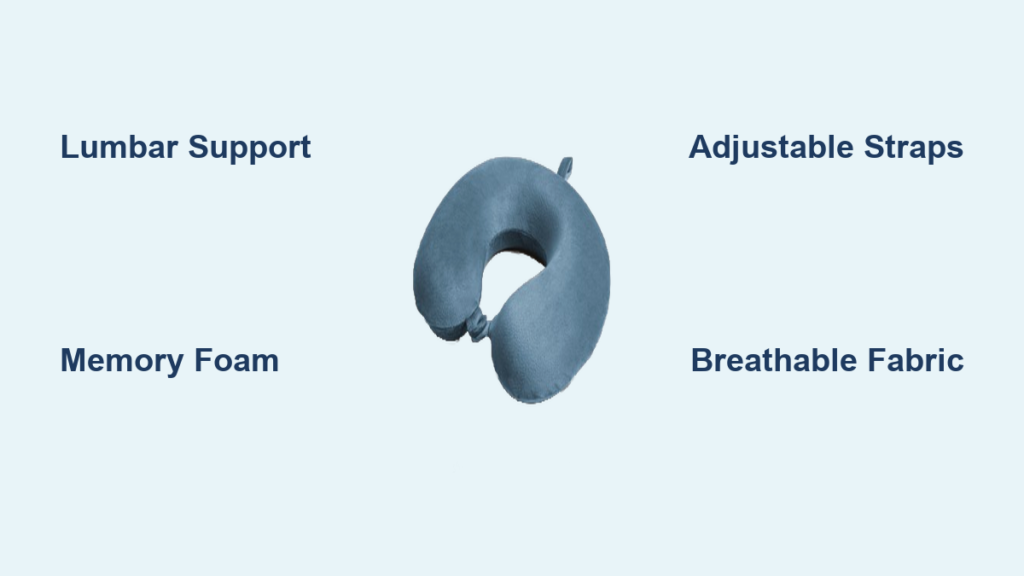
The most critical feature for travelers dealing with back pain is integrated lumbar support. Some travel pillows include adjustable straps or built-in cushions positioned specifically at the lower back, filling the gap between your seat and the natural curve of your spine. When evaluating pillows with this feature, look for padding that extends at least four inches below the seat of the pillow and can be adjusted to accommodate different body types.
Memory Foam Density and Construction
Not all memory foams are created equal. High-density memory foam (typically 5 pounds per cubic foot or higher) maintains its shape and supportive properties far better than standard variants. Look for pillows that use contoured memory foam with distinct zones for your head, neck, and lower back rather than uniform foam throughout. Zoned construction provides firmer support where you need it while allowing softer cushioning where your head actually rests.
Adjustability and Customization
Travel pillows that offer multiple adjustment options accommodate more body types and provide more personalized support. Seek out pillows with adjustable straps that let you control the firmness of neck support, removable lumbar cushions, and straps that can be repositioned for different sleeping positions. Some pillows use a strap system that wraps around the seat back rather than simply resting behind your neck, creating a more stable support structure.
Material Quality and Breathability
Long-haul travel means hours of direct contact between your pillow and your skin, making material quality essential for comfort. Look for covers made from bamboo-derived fabrics, moisture-wicking polyester blends, or natural cotton that allow heat and moisture to escape. Poorly ventilated pillows trap body heat, causing uncomfortable sweating that disrupts sleep. Many high-quality travel pillows feature removable, machine-washable covers for regular cleaning.
Best Travel Pillows for Back Pain by Category

Full-Body Support Options
For travelers who experience significant back pain or those taking overnight flights where sleep quality matters most, full-body pillows that support from shoulders to hips provide the most comprehensive solution. These pillows wrap around your entire upper body, supporting not just your neck and head but also your lower back and shoulders.
The Travelrest Nest offers exceptional full-body support with its innovative design that wraps around your torso and secures with a strap across your chest. The pillow features high-density memory foam throughout with particular emphasis on lumbar support, and the adjustable strap lets you customize the level of compression around your midsection. Users consistently praise its ability to maintain spinal alignment whether sleeping upright or curled slightly to one side.
Compact Support Solutions
Frequent travelers who prioritize minimal packing often sacrifice support for portability, but several pillows manage to deliver genuine ergonomic benefits in compact packages. These pillows compress significantly for storage while maintaining enough structure to provide meaningful back support during use.
The Samsonite GoSack represents an excellent balance between portability and support. This pillow compresses to roughly the size of a grapefruit using a unique folding mechanism but expands into a surprisingly substantial cushion when unfolded. The contoured design supports both the neck and the lower back simultaneously, and its strap system secures to airline seats or tray tables to prevent shifting during sleep.
Memory Foam Champions
Travelers who prefer the conforming feel of quality memory foam have several excellent options that bring home-comfort levels of support into the travel environment. These pillows may be slightly heavier than synthetic alternatives, but their superior conforming properties and durability often justify the additional ounces.
The Therm-a-Rest Compressible Travel Pillow uses innovative foam that compresses significantly yet recovers its full loft when unpacked. Unlike inflatable pillows that can feel firm or uneven, this pillow provides consistent cushioning throughout its surface. The rectangular shape supports both the head and neck while allowing positioning against seat backs for lower back support.
How to Choose the Right Pillow for Your Specific Pain Points

Understanding where your back pain originates helps narrow the overwhelming selection of travel pillows to options that specifically address your needs. Pain concentrated primarily in the lower back suggests prioritizing pillows with robust lumbar support extensions, potentially even full-body options that stabilize the entire spine. Pain centered in the neck and shoulders may respond better to contoured neck pillows with firm side supports that prevent head tilting.
Your typical travel position matters significantly when selecting a pillow. Travelers who can recline significantly on business or first class seats benefit from different pillow designs than those stuck in economy seats that barely recline. Consider your usual airline and seat selection when making this assessment.
Body type influences pillow selection more than most travelers realize. Taller individuals with longer necks typically need pillows with higher side supports to prevent their heads from falling too far to either side. Broader-shouldered travelers may find that U-shaped pillows don’t wrap comfortably around their frames and prefer wraparound designs that secure in front.
Maximizing Your Travel Pillow’s Effectiveness
Even the best travel pillow requires proper use to deliver its full benefits. Positioning matters enormously—place the pillow so that it actually contacts your lower back, not simply rests against your seat back. Many travelers position their pillows perfectly at takeoff but slide down during the flight, losing contact with the lumbar support entirely. Using the pillow’s straps to secure it to your seat prevents this drift and maintains proper alignment throughout your journey.
Combining your travel pillow with complementary accessories amplifies the benefits. A compact lumbar roll placed behind your lower back can supplement pillows with limited built-in support. Eye masks and quality earplugs create a more complete sleep environment that reduces the muscle tension associated with trying to sleep in stimulating environments.
Common Mistakes That Undermine Travel Pillow Effectiveness
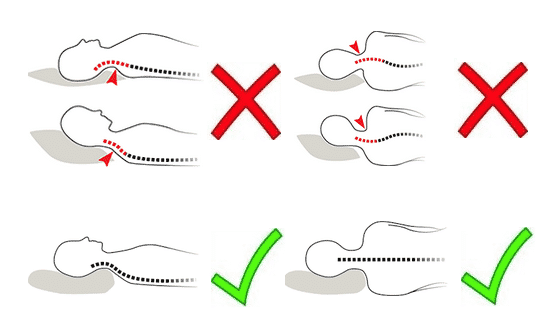
Purchasing the wrong pillow size represents the most frequent error travelers make. Many buyers assume that any travel pillow will provide similar benefits, selecting based primarily on price or aesthetic appeal rather than ergonomic design. Taking time to read reviews from users with similar body types and pain concerns dramatically increases the likelihood of finding a pillow that actually helps.
Neglecting to test your pillow before travel creates unpleasant surprises mid-journey. Unpack and use your pillow at home before your trip, adjusting straps and finding your optimal positioning in a controlled environment. This practice session reveals any issues with the pillow’s fit or your technique for securing it.
Failing to clean your travel pillow regularly reduces its effectiveness over time. Body oils, skincare products, and environmental contaminants accumulate in pillow covers and fills, creating unpleasant odors and potentially irritating skin during extended contact. Most quality travel pillows have removable, machine-washable covers—use this feature monthly during frequent travel periods.
Final Recommendations for Pain-Free Travel
Finding the best travel pillow for back pain ultimately depends on your specific body, your typical travel conditions, and the nature of your discomfort. For comprehensive support that addresses both neck and lower back pain, full-body options like the Travelrest Nest deliver the most complete solution despite their larger packed size. Travelers prioritizing minimal luggage should consider the Samsonite GoSack or Trtl Pillow, which compress significantly while maintaining meaningful ergonomic benefits.
Regardless of which pillow you select, remember that it represents one component of a comprehensive travel comfort strategy. Proper seating posture, regular movement during long journeys, and maintaining overall physical conditioning all contribute to arrival-day comfort. The best travel pillow amplifies these efforts rather than replacing them, providing the targeted support that makes it possible to arrive at your destination ready to enjoy your trip rather than nursing aches that diminish your entire experience.