
Are you tired of restless nights on the trail? A poor-quality sleeping bag can turn your dream camping trip into a sleepless nightmare. The right travel sleeping bag keeps you warm, comfortable, and ready to tackle each new day of adventure. With countless options flooding the market, selecting the best travel sleeping bag requires understanding temperature ratings, fill types, weight considerations, and packability factors that match your specific travel needs.
Most travelers make critical mistakes when choosing sleeping bags—they prioritize price over performance or select inappropriate temperature ratings for their destinations. When you invest in the right sleeping bag, you’re not just buying a piece of gear; you’re purchasing reliable rest that enhances your entire travel experience. This guide cuts through the marketing hype to reveal exactly what makes a sleeping bag truly exceptional for travelers, with practical advice you can implement immediately to avoid common pitfalls.
Temperature Rating Essentials for Travel Sleeping Bags
How Temperature Ratings Actually Work
Sleeping bag temperature ratings indicate the lowest temperature at which an average sleeper remains comfortable. The European EN 13537 standard provides the most reliable measurements, featuring four key temperature points: upper limit, comfort, lower limit, and extreme. Women typically need bags rated 10-15°F warmer than men due to physiological differences in body temperature regulation.
Many travelers mistakenly choose bags based solely on the “comfort” rating without considering their personal sleeping habits. If you’re a cold sleeper, select a bag rated 10-15°F lower than your expected minimum temperature. For three-season travel, a 20-30°F bag offers the most versatility across spring, summer, and fall conditions.
Common Temperature Rating Mistakes to Avoid
Travelers frequently overlook humidity’s impact on sleeping bag performance. Down bags lose significant insulating ability in damp conditions compared to synthetic alternatives. Always consider your destination’s typical humidity levels when selecting between down and synthetic fills.
Never rely solely on manufacturer claims without checking independent reviews. Some brands use optimistic ratings that don’t match real-world performance. Look for verified buyer feedback mentioning specific temperature experiences in actual travel conditions.
Down vs. Synthetic Fill: The Traveler’s Dilemma
Down Fill Advantages and Limitations
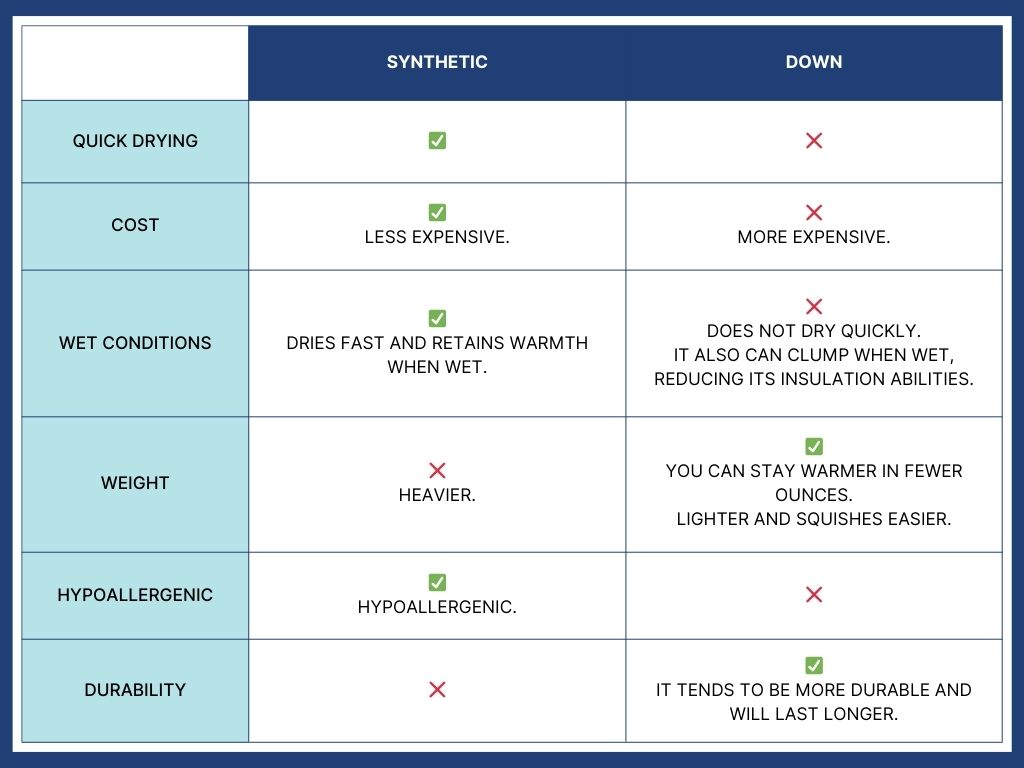
High-quality down sleeping bags offer superior warmth-to-weight ratios, with premium 800+ fill power providing exceptional compressibility. A 20°F down bag typically weighs 1-2 pounds less than its synthetic counterpart while packing into a smaller stuff sack. Down maintains its insulating properties longer with proper care, often lasting 10+ years of regular travel use.
However, down loses nearly all insulating capability when wet and requires careful maintenance. If traveling through rainy climates or humid environments, consider water-resistant down treatments that provide limited moisture protection while adding minimal weight.
Synthetic Fill Benefits for Specific Travel Situations
Modern synthetic fills like PrimaLoft and Thermolite mimic down’s loft while maintaining insulation when wet. These bags dry significantly faster than down alternatives—critical for travelers encountering unexpected rain or high humidity. Budget-conscious adventurers find quality synthetic bags at lower price points than comparable down options.
Synthetic bags excel for casual campers who store gear in damp conditions or lack proper drying facilities between trips. They recover loft more quickly after compression and generally require less meticulous care than down alternatives.
Critical Size and Fit Considerations
Proper Sleeping Bag Dimensions for Travelers
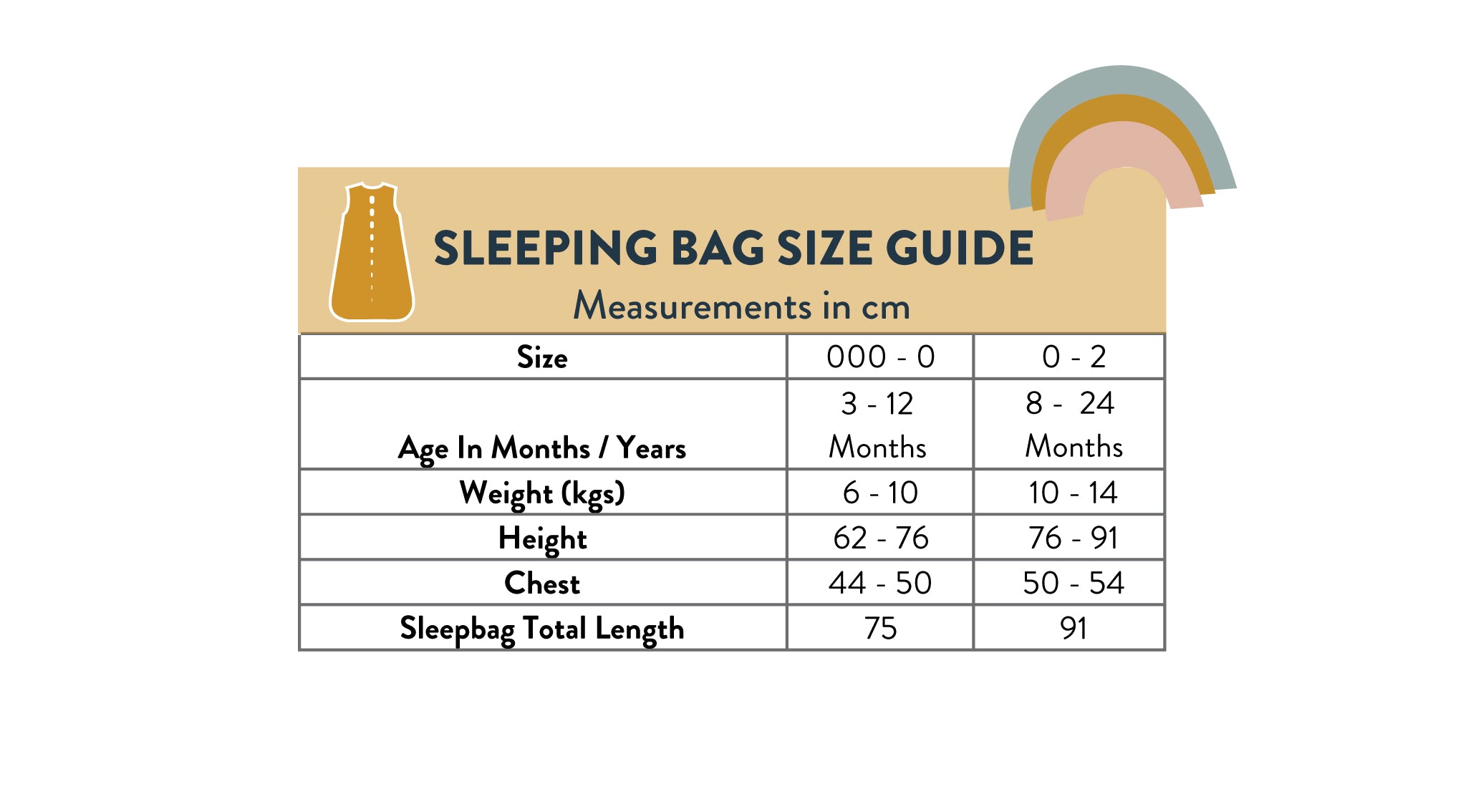
Your sleeping bag should allow enough room for comfortable movement without excessive internal space that wastes body heat. Measure your height and add 6-8 inches when selecting bag length—many travelers choose bags that are too short, causing discomfort at the footbox. Wider rectangular bags offer more movement but sacrifice heat efficiency compared to mummy-shaped alternatives.
Side sleepers particularly benefit from slightly wider shoulder girth measurements. Test different shapes if possible, as your sleeping position significantly impacts comfort. Remember that sleeping pads contribute to your overall warmth system—don’t overlook this critical component when evaluating bag fit.
Weight vs. Comfort Tradeoffs for Backpackers
Backpackers face the toughest decisions balancing weight against comfort. Ultralight bags (under 2 pounds) typically sacrifice some durability and warmth for reduced pack weight. For extended backpacking trips, every ounce matters—shaving 1-2 pounds from your sleep system dramatically reduces fatigue over multiple days.
Weekend campers or car travelers can prioritize comfort over weight, selecting roomier bags with extra padding. Consider your typical travel style: if you move camp sites frequently, prioritize lighter weight; if you stay in one location, maximize comfort features.
Essential Features for Travel Sleeping Bags
Hood Design and Draft Collars
A properly designed hood should fully enclose your head with minimal adjustment, featuring a drawcord that cinches without pressure points. High-quality bags include insulated draft tubes along zippers and around the neck opening to prevent heat loss. Look for dual-direction zippers that allow ventilation options while maintaining warmth.
Many travelers overlook the importance of a well-designed footbox. A tapered design with extra space at the feet prevents compressed insulation from losing effectiveness while keeping your toes warm throughout the night.
Zipper Quality and Placement Options
YKK zippers represent the industry standard for durability in sleeping bags. Left vs. right zipper orientation matters when camping with partners—matching zipper directions allows connecting bags. Some premium bags feature full-length anti-snag guards that prevent fabric from catching during operation.
Consider double-zippered options that convert to a quilt for warmer conditions. This versatility extends your bag’s usable temperature range, potentially eliminating the need for multiple sleeping systems.
Proper Care and Maintenance for Longevity
Cleaning and Storing Your Travel Sleeping Bag
Never store your sleeping bag compressed for extended periods—this damages insulation fibers and reduces loft. After trips, air out your bag completely before storing it loosely in a large cotton or mesh sack. Machine wash with specialized cleaner only when absolutely necessary, using gentle cycles and thorough drying.
Down bags require particular attention during drying—add clean tennis balls to the dryer to help restore loft. Always follow manufacturer care instructions precisely, as improper cleaning can void warranties and significantly shorten your bag’s lifespan.
Performance Testing Before Your Trip
Test your sleeping bag in your backyard before committing to it on a remote trip. This reveals any fit issues, zipper problems, or warmth deficiencies in a controlled environment. Gradually acclimate to cooler temperatures to determine your personal comfort range.
Pay attention to how the bag performs with your specific sleeping pad—your sleep system works as a complete unit. Many travelers discover their pad, not their bag, creates cold spots through inadequate insulation from the ground.
Smart Shopping Strategies for Travelers
When to Invest in Premium Options
For frequent travelers who spend 20+ nights annually in sleeping bags, premium down options deliver better long-term value despite higher initial costs. Look for reputable brands with proven track records in outdoor gear, as construction quality often matters more than specific fill power numbers.
Consider rental options before making significant investments. Many outdoor retailers offer sleeping bag rentals that let you test different temperature ratings and styles before committing to a purchase.
Budget-Friendly Alternatives Worth Considering
Seasonal sales around major holidays often feature significant discounts on previous-year models with minimal performance differences. Consider convertible sleeping bag liners that extend the temperature range of a basic bag rather than purchasing multiple specialized bags.
Travelers on tight budgets might prioritize a quality sleeping pad over an expensive bag—many cold-weather issues stem from inadequate ground insulation rather than insufficient bag warmth.
Final Considerations Before Purchase
Before finalizing your sleeping bag selection, consider your most common travel scenarios and prioritize features accordingly. The best travel sleeping bag perfectly balances warmth, weight, packability, and durability for your specific needs—not someone else’s ideal specifications. Remember that no single bag excels in all conditions; focus on optimizing for your most frequent travel environments.
Proper care extends any sleeping bag’s performance life significantly. Store it uncompressed, clean it only when necessary with appropriate products, and regularly check for wear points. With the right selection and maintenance, your travel sleeping bag becomes a reliable companion for countless adventures, ensuring restful nights that fuel memorable days of exploration.