
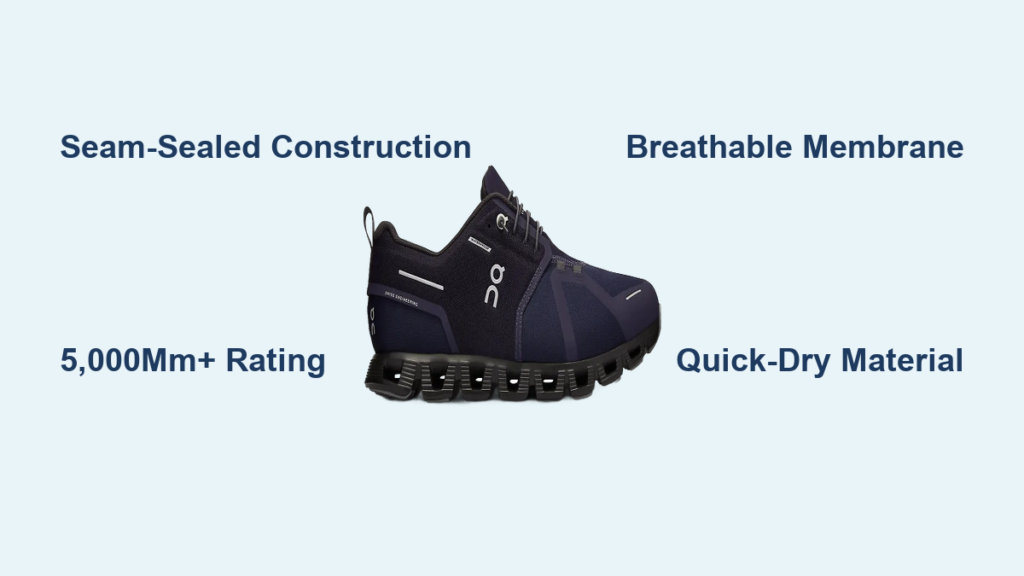
Travel adventures shouldn’t end when rain clouds roll in. Whether you’re navigating cobblestone streets in Edinburgh, trekking through Southeast Asian monsoons, or simply caught in an unexpected downpour during your commute, having reliable waterproof footwear makes all the difference. Finding the perfect balance between genuine water resistance, comfort for all-day wear, and travel-friendly style has become essential for modern explorers. In this guide, you’ll discover truly waterproof options that won’t leave you with soggy socks or fashion regrets—backed by real-world testing and traveler feedback. Learn exactly which models deliver on their promises and how to choose the right pair for your specific travel needs.
Why Standard “Water-Resistant” Shoes Fail During Travel
Most travelers don’t realize their “water-resistant” shoes aren’t actually waterproof until it’s too late. The critical difference lies in construction—water-resistant footwear merely repels light moisture temporarily, while true waterproof shoes feature sealed seams and membrane barriers that prevent water penetration completely. Standard athletic shoes often use water-resistant coatings that wash away after a few exposures, leaving travelers stranded with soaked feet when they need reliability most. During extended travel, this distinction becomes crucial as you navigate unpredictable weather, puddles, and wet terrain day after day.
How Waterproof Ratings Actually Work for Travel Footwear
Understanding waterproof ratings prevents costly mistakes when shopping. Look for these specific indicators:
- Minimum 5,000mm rating: Anything below won’t withstand sustained rain
- Seam-sealed construction: Critical for preventing water entry at stitch points
- Membrane type: Gore-Tex Performance Comfort offers breathability; eVent provides superior moisture transfer
- Water column test results: Higher numbers indicate better resistance (10,000mm+ ideal for travel)
Travel-specific waterproof shoes must balance protection with breathability—otherwise, your feet sweat inside even if external water stays out. The best travel models maintain comfort during both rainy hikes and dry city exploration.
Top Performing Waterproof Travel Shoes by Category

All-Day City Explorers: Best Walking-Friendly Waterproof Options
When navigating urban environments for hours, prioritize cushioning and style that transitions from daytime sightseeing to evening dining.
Salomon Outpath Pro 2 delivers exceptional street cred with genuine waterproof protection. Its Contagrip sole provides reliable traction on wet pavement while the sleek profile looks appropriate for casual restaurants. Travelers report comfortable wear during 8+ hour exploration days with no break-in period required. The quick-lace system proves invaluable when rushing between transportation connections.
Columbia Newton Ridge Plus offers remarkable value with Omni-Tech waterproofing that holds up to repeated exposure. The lightweight construction (just 12 ounces per pair) makes these ideal for packing efficiency. Multiple width options accommodate various foot shapes—a crucial factor often overlooked by travelers. The suede/mesh upper resists scuffs from luggage handling while maintaining breathability during warmer months.
Adventure Travelers: Hiking-Ready Waterproof Shoes
For those tackling trails between destinations, these models provide serious protection without compromising travel versatility.
Merrell Moab 3 Mid Waterproof has become a staple among adventure travelers for good reason. The bellows tongue prevents debris entry while the Vibram sole handles slippery rocks and roots. What makes it exceptional for travel is its quick-drying capability—critical when moving between environments or when caught in unexpected downpours. The supportive footbed accommodates custom orthotics for travelers with specific needs.
Keen Targhee III Waterproof stands out with its wider toe box, reducing blisters during extended wear. The dual-density EVA midsole provides cushioning that lasts through multiple travel days without breaking down. Travelers particularly appreciate the secure fit system that maintains stability when navigating uneven terrain with a backpack. The non-marking rubber sole works equally well on boat decks and city streets.
Critical Features Most Travelers Overlook
The Breathability Factor: Avoiding Sweaty Discomfort
Many waterproof travel shoes fail travelers by trapping moisture internally despite keeping rain out. Look for these breathability indicators:
- Moisture vapor transmission rate (MVTR): Higher numbers = better breathability
- Ventilation zones: Strategic mesh panels in non-exposed areas
- Lining materials: Some newer models use hydrophobic linings that move moisture away from feet
Pro Tip: Test breathability by wearing potential purchases with travel socks around the house during warmer hours—your feet shouldn’t feel clammy after 30 minutes.
Packability and Weight Considerations
Every ounce matters when traveling. The best waterproof travel shoes typically weigh between 10-14 ounces per pair and can compress slightly in luggage. Models with flexible uppers fold better than rigid hiking boots. Consider how the shoes will fit in your specific packing system—some travelers prioritize shoes that slip under airplane seats rather than in overhead bins.
How to Test Waterproof Claims Before You Buy
Many brands exaggerate waterproof capabilities. Verify protection with these methods:
- Ask for independent testing data: Reputable brands provide specific waterproof ratings
- Check return policies: Ensure you can test them in real rain before committing
- Inspect seam sealing: Run your finger along seams—waterproof models have visible tape sealing
- Perform the water cup test: Place shoe over cup of water and squeeze—no water should enter
Warning: Never rely solely on product descriptions—many “waterproof” claims refer only to the upper material, not the entire construction.
Breaking In Waterproof Shoes for Travel Readiness

Unlike regular shoes, waterproof models require specific break-in approaches to maintain their protective qualities.
Proper Break-In Sequence
- Start with short indoor sessions: 1-2 hours daily for first 3 days
- Progress to damp conditions: Walk through shallow puddles to activate waterproofing
- Gradually increase duration: Build up to full travel days over 2 weeks
- Condition leather components: Use manufacturer-recommended treatments
Common Mistake: Skipping break-in leads to blisters that compromise travel plans. Waterproof shoes often feel stiffer initially but should mold to your feet without losing protection.
Maintaining Waterproof Performance During Extended Trips
Waterproof shoes require specific care while traveling to maintain their protective qualities.
On-the-Road Maintenance Kit Essentials
- Microfiber cleaning cloth
- Small bottle of specialized waterproofing treatment
- Soft-bristle brush
- Packable shoe bag for wet conditions
Expert Tip: After exposure to saltwater or heavy mud, rinse thoroughly with fresh water before drying—residue can degrade waterproof membranes over time.
Drying Techniques That Preserve Waterproofing
Never place waterproof shoes near direct heat sources, which damages membranes. Instead:
- Remove insoles and stuff with quick-dry travel towels
- Place in well-ventilated area away from direct sunlight
- Replace towels every 2 hours until fully dry
- Reapply waterproof treatment once completely dry
Cost vs. Value Analysis for Travel-Focused Waterproof Shoes
Investing in quality waterproof travel footwear pays dividends through multiple trips.
| Shoe Type | Initial Cost | Expected Trips | Cost Per Trip |
|---|---|---|---|
| Premium Hiking | $160-$180 | 15-20+ | $8-$12 |
| Mid-Range Walking | $120-$140 | 10-15 | $9-$14 |
| Budget Options | $70-$90 | 3-5 | $18-$30 |
The math reveals that higher-quality waterproof travel shoes often provide better value despite the initial investment, especially for frequent travelers.
Final Selection Checklist Before Your Trip
Before packing your waterproof shoes, verify they meet these travel-specific criteria:
- Tested in real rain conditions (not just product claims)
- Broken in sufficiently to prevent blisters
- Packed with maintenance kit for on-the-road care
- Compatible with your travel socks (test with intended sock thickness)
- Appropriate for destination climate (breathability vs. insulation needs)
Pro Traveler Insight: Always pack a second pair of shoes even when traveling with waterproof options—different activities often require different footwear, and having alternatives prevents being stranded if your primary pair gets damaged.
Final Note: The right waterproof travel shoes transform rainy days from travel obstacles into opportunities for unique experiences. By selecting models specifically designed for both genuine water protection and travel demands, you’ll enjoy dry feet, comfortable exploration, and style that works across multiple settings. Remember that proper care and realistic expectations about breathability will maximize your footwear’s performance throughout your adventures. Whether you’re hiking coastal trails or navigating city streets, the right waterproof shoes ensure weather never dictates your travel plans again.