

Cold-weather travel demands footwear that combines warmth, comfort, and versatility without compromising your ability to explore. When your itinerary includes snow-covered streets, icy sidewalks, and unexpected weather changes, the best winter boots for travel become your most critical packing decision. Many travelers make the mistake of bringing heavy, cumbersome boots that eat up precious luggage space or restrict movement during long days of sightseeing. This guide reveals lightweight, packable options that deliver serious warmth while keeping you agile enough to navigate airports, cobblestone streets, and mountain trails—all without sacrificing style for your next cold-weather getaway.
Why Standard Winter Boots Fail Travelers
Most conventional winter boots simply weren’t designed for the unique demands of travel, creating problems that can derail your entire trip. Heavy lug soles that work well in deep snow become exhausting during all-day city exploration, while bulky insulation limits your ability to wear the same boots from sub-zero outdoor adventures to warm indoor attractions. Travelers frequently return home with sore feet, cramped luggage, and boots that failed to handle the transition between different environments.
The Airport Security Nightmare
Why do winter boots trigger extra security checks? Boots with thick soles, metal hardware, or complex lacing systems often appear suspicious on X-ray machines, forcing you to remove them during security screening. This creates unnecessary delays when you’re already burdened with carry-ons and personal items. Look for travel boots with minimal metal components and streamlined designs that pass through security smoothly—some models even feature quick-lace systems that let you slip them on and off in seconds.
The Weight and Bulk Dilemma
How much extra luggage space do traditional winter boots consume? Standard winter boots can take up nearly 25% of your suitcase capacity, leaving little room for other essentials. Travel-specific winter footwear solves this with compressible designs that fold or roll down to a fraction of their size when not in active use. Brands like Baffin and Sorel now offer models that maintain insulation properties while reducing packed volume by up to 40% compared to traditional winter boots.
Top 3 Lightweight Insulated Travel Boots
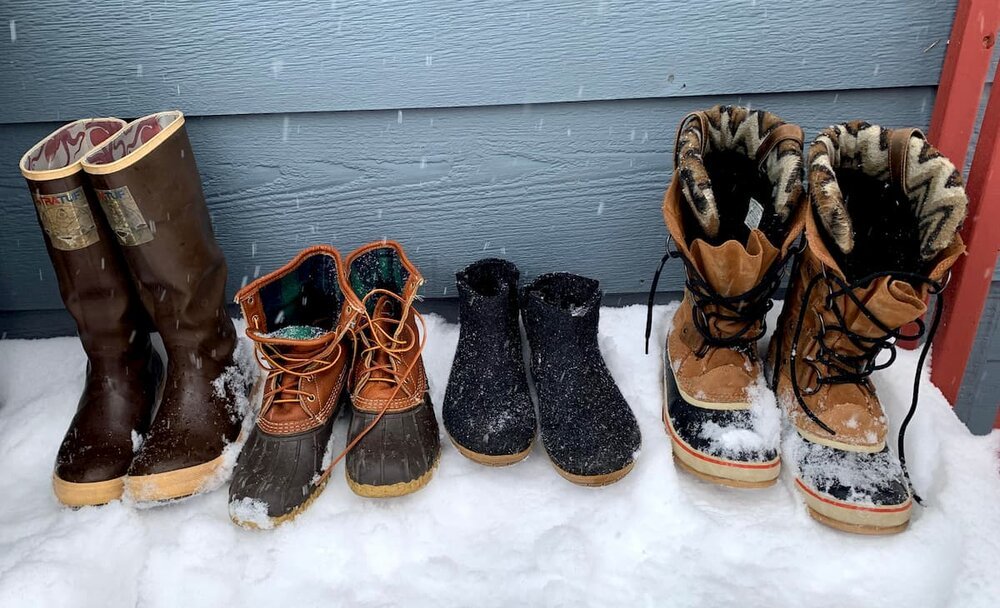
When space and weight matter most, these streamlined options deliver surprising warmth without the bulk that typically accompanies serious winter protection. Designed specifically for travelers who need to maximize luggage efficiency while maintaining performance, these boots feature innovative materials that punch above their weight class in cold conditions.
How to Choose the Right Insulation Level
What temperature rating do you really need for travel? Many travelers overpack by bringing boots rated for -30°F when their destination rarely drops below 20°F. Focus on boots with removable liners that let you adjust warmth levels based on actual conditions. Thinsulate Ultra insulation at 200-400 grams provides sufficient warmth for most urban winter travel, while expedition-level trips to Arctic destinations warrant 800-1000 gram options. The best travel boots feature dual-layer systems—you can remove the inner liner for milder days or wear both for extreme cold.
Must-Have Features for Cold-Weather Travel Boots
- Quick-dry lining that wicks moisture after snow exposure
- Non-marking soles safe for cruise ship and airplane decks
- Waterproof yet breathable membranes preventing internal condensation
- EVA midsoles providing cushioning for all-day walking
- Hidden pockets for emergency cash or transit cards
Waterproofing That Survives Real Travel Conditions
Not all waterproofing performs equally when facing the constant wet-dry cycles of travel. Standard treated leather might repel light rain but fails when repeatedly exposed to melting snow and puddles. The best winter boots for travel feature fully sealed construction with taped seams and gusseted tongues that prevent water entry from multiple angles—a critical feature when navigating slushy streets or unexpected downpours.
Testing Waterproof Claims Before You Buy
How can you verify a boot’s waterproof claims? Look for independent testing certifications rather than manufacturer claims alone. Boots meeting ASTM F2413 standards for waterproofing undergo rigorous testing that simulates real-world conditions far beyond simple water resistance. Brands like Kamik and Baffin subject their travel models to 12-hour submersion tests at varying temperatures to ensure performance across different winter environments.
Traction Systems That Handle Mixed Surfaces

Travel requires footwear that transitions seamlessly from airport terminals to icy sidewalks to cobblestone streets. The best winter boots for travel feature multi-zone outsoles with strategically placed lugs—deep cleats under the ball of the foot for ice traction, smoother patterns near the heel for stable walking on dry surfaces, and flexible zones that conform to uneven terrain.
Why Standard Ice Grips Fail Travelers
What’s wrong with removable ice grips for travel? While effective on pure ice, most clip-on traction devices create uncomfortable pressure points during extended walking and frequently get lost in luggage. Integrated solutions like Vibram Arctic Grip technology provide reliable ice traction without compromising comfort or adding separate components you might forget. These specialized rubber compounds maintain flexibility in extreme cold while gripping slick surfaces through microscopic suction rather than just mechanical cleats.
Packing Strategies for Winter Travel Boots
Smart packing techniques can dramatically reduce the space winter boots consume in your luggage. The best winter boots for travel often feature collapsible heel counters that let you partially flatten them when stored, but proper packing technique multiplies this space-saving benefit.
The Vacuum-Seal Method for Boot Storage
- Place boots upright in a vacuum storage bag with heels touching the bottom
- Insert silica gel packets inside each boot to absorb moisture
- Roll the boots down from the top before sealing the bag
- Use a standard vacuum cleaner to extract air (no special pump needed)
- Store in the most rigid part of your suitcase to maintain shape
This technique reduces packed volume by up to 60% while protecting boots from crushing damage during transit.
Maintenance Routines That Extend Boot Life
Travel exposes boots to more varied conditions than typical seasonal wear, accelerating wear and tear. The best winter boots for travel withstand this punishment when properly maintained between trips.
Post-Trip Cleaning Protocol
How should you clean boots after international travel? Avoid direct heat sources that can crack leather and melt adhesives. Instead:
– Brush off surface debris while boots are still slightly damp
– Wipe with a microfiber cloth dampened with distilled water
– Apply leather conditioner to dry areas (avoiding waterproof membranes)
– Stuff with acid-free tissue paper to maintain shape during drying
– Store in breathable cotton bags away from direct sunlight
Budget-Friendly Options That Don’t Sacrifice Performance
You don’t need to spend $300+ for capable winter travel boots. Several mid-range options deliver 80% of the performance of premium models at half the price, especially when you prioritize features that matter most for your specific itinerary.
The Sweet Spot for Travel Boot Value
When does a $150 boot outperform a $250 model for travel? Focus on boots with replaceable components—interchangeable insoles, repairable soles, and modular insulation systems let you refresh worn elements rather than replacing the entire boot. Brands like Merrell and Keen offer travel-specific lines with these features at accessible price points, providing better long-term value than disposable fashion boots.
Final Checklist Before You Buy
Before committing to any winter travel boots, verify these critical elements that make the difference between footwear that enhances your trip versus ruins it:
- Width compatibility with your foot shape (many travelers overlook this until it’s too late)
- Break-in period requirements (never travel with brand-new, untested boots)
- Repairability of key components like soles and zippers
- Weight comparison against your personal threshold for all-day wear
- Real-world testing by travelers with similar itineraries
The best winter boots for travel ultimately depend on your specific destinations and activities. Urban travelers need different features than those planning ski resort visits or Arctic expeditions. By matching boot characteristics to your actual itinerary rather than generic “winter” requirements, you’ll enjoy warmer feet, lighter luggage, and more enjoyable cold-weather adventures. Remember that the perfect travel boot isn’t necessarily the warmest or most rugged—it’s the one that seamlessly supports your entire journey from departure to return.