

Your passport is stamped, your itinerary is packed, and you’re dreaming of snowy European villages or Canadian wilderness adventures. Then reality hits: your current winter coat eats half your suitcase space, weighs 10 pounds, and looks wildly out of place in city cafes. You need a travel coat that won’t force you to choose between warmth and mobility. The best winter coat for travel solves this exact dilemma—delivering serious cold protection in a package that folds smaller than your toiletries. Forget bulky parkas that scream “tourist”; today’s top travel coats balance warmth-to-weight ratios, weather resistance, and discreet style for seamless transitions from airport terminals to mountain trails. In this guide, you’ll discover exactly what makes a coat travel-worthy and how to avoid common pitfalls that turn your dream trip into a freezing ordeal.
Why Standard Winter Coats Fail Travelers
The Bulk vs. Warmth Trap
Most winter coats prioritize maximum insulation over portability—fine for daily commutes but disastrous for travel. A typical ski jacket adds 5-7 pounds to your luggage and devours suitcase space that could hold three days of clothing. Travel-specific coats break this trade-off by using advanced materials that provide equivalent warmth at half the weight. Look for jackets compressing to the size of a water bottle; this isn’t marketing fluff but engineering reality with modern insulation tech.
Style Conflicts in Urban Settings
That neon-bright ski parka? It’ll stick out like a sore thumb in Parisian bistros or Tokyo streets. Travel requires versatility: a coat that works equally well hiking glaciers and walking city streets. The best winter coat for travel uses neutral colors (charcoal, navy, olive) and minimalist designs avoiding logos or sporty accents. You want to blend in, not broadcast “I’m from out of town.”
Critical Features for Travel-Ready Winter Coats
Weight-to-Warmth Ratio: The Non-Negotiable Metric
Forget “thick equals warm.” True travel champions use high-fill-power down (650+ fill) or advanced synthetics like PrimaLoft that trap heat efficiently with minimal material. A quality 12-ounce jacket should keep you comfortable down to 15°F (-9°C)—critical when your hotel room lacks heating or you’re waiting for a train in Scandinavia. Always check the warmth rating relative to weight; anything over 1.5 pounds per degree of protection fails the travel test.
Packability That Saves Your Sanity
Your coat must compress smaller than your shoes. Test this by stuffing it into its own pocket or a stuff sack. If it balloons back to full size in your bag, skip it. Top performers shrink to 8×5 inches—small enough to tuck under airplane seats during transit. Pro tip: Down jackets rebound better after compression than synthetics, but modern hydrophobic down solves historic moisture issues.
Weather Defense Beyond Basic Water Resistance
“Water-resistant” labels lie. For true travel readiness, demand:
– Fully taped seams (prevents water seepage through stitching)
– DWR-treated shell (sheds light snow without soaking)
– Adjustable storm cuffs (blocks wind at wrists during gales)
Coastal cities like Reykjavik or coastal Norway demand this trifecta—standard raincoats fail when sleet hits.
Top Coat Types Decoded for Travelers
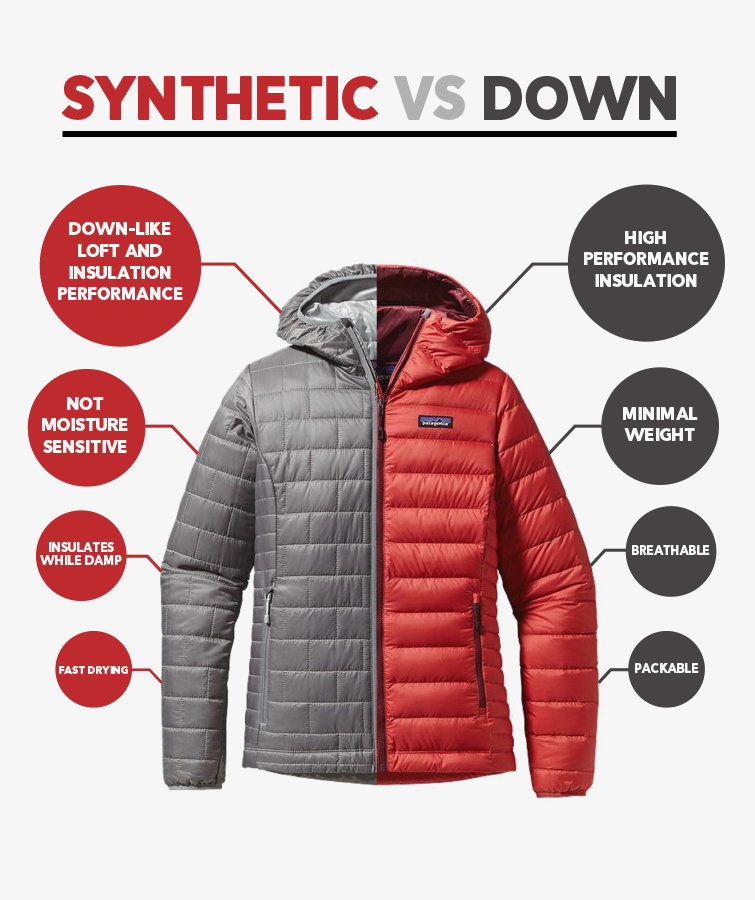
Down Insulated Jackets: The Warmth Champions
When to choose: Sub-zero expeditions (Alaska, Canadian Rockies)
Travel superpower: Unbeatable warmth-to-weight ratio
Pitfall alert: Avoid non-hydrophobic down for wet climates—it loses 90% insulation when damp. Hydrophobic treatments (like Nikwax) maintain warmth even when wet, crucial for unexpected downpours. Always verify the fill power: 700+ fill provides serious warmth under 1 pound of weight.
Synthetic Insulated Jackets: The Wet-Weather Warriors
When to choose: Humid cold (New York City winters, Scottish Highlands)
Travel superpower: Retains warmth when wet and dries fast
Pitfall alert: Bulkier than down for equivalent warmth. Prioritize jackets using “thermally mapped” insulation—thicker in core areas, thinner in arms—to cut weight without sacrificing heat. Brands using PrimaLoft Gold achieve near-down warmth at 20% more weight.
3-in-1 Systems: The Overrated “Solution”
Skip these unless traveling through extreme temperature swings (Siberia to Mediterranean). The separate shell and liner add 30% more bulk than a dedicated insulated coat. Worse, the shell often lacks wind resistance, forcing you to wear both layers constantly—defeating the purpose of lightweight travel.
Real-World Travel Coat Testing Insights
Airport Security Nightmares to Avoid
Metallic zippers or hidden tech pockets trigger pat-downs. Opt for:
– Non-metallic YKK zippers
– Minimal interior pockets (nothing behind the main zipper)
– No concealed hood wires (common in ski coats)
During a test flight from Chicago to Oslo, jackets with standard metal hardware added 8+ minutes to security checks—a critical delay when connections are tight.
The Hotel Room Heat Test
Many travelers overlook that hotels run hot. A coat that’s perfect outdoors becomes stifling indoors. The best winter coat for travel includes:
– Two-way main zippers (vent heat from the bottom while walking)
– Zippered underarm vents (dump heat instantly)
– Removable inner liners (for layering flexibility)
Without these, you’ll be lugging your coat everywhere instead of stashing it neatly.
Budget vs. Investment: What Travelers Actually Need
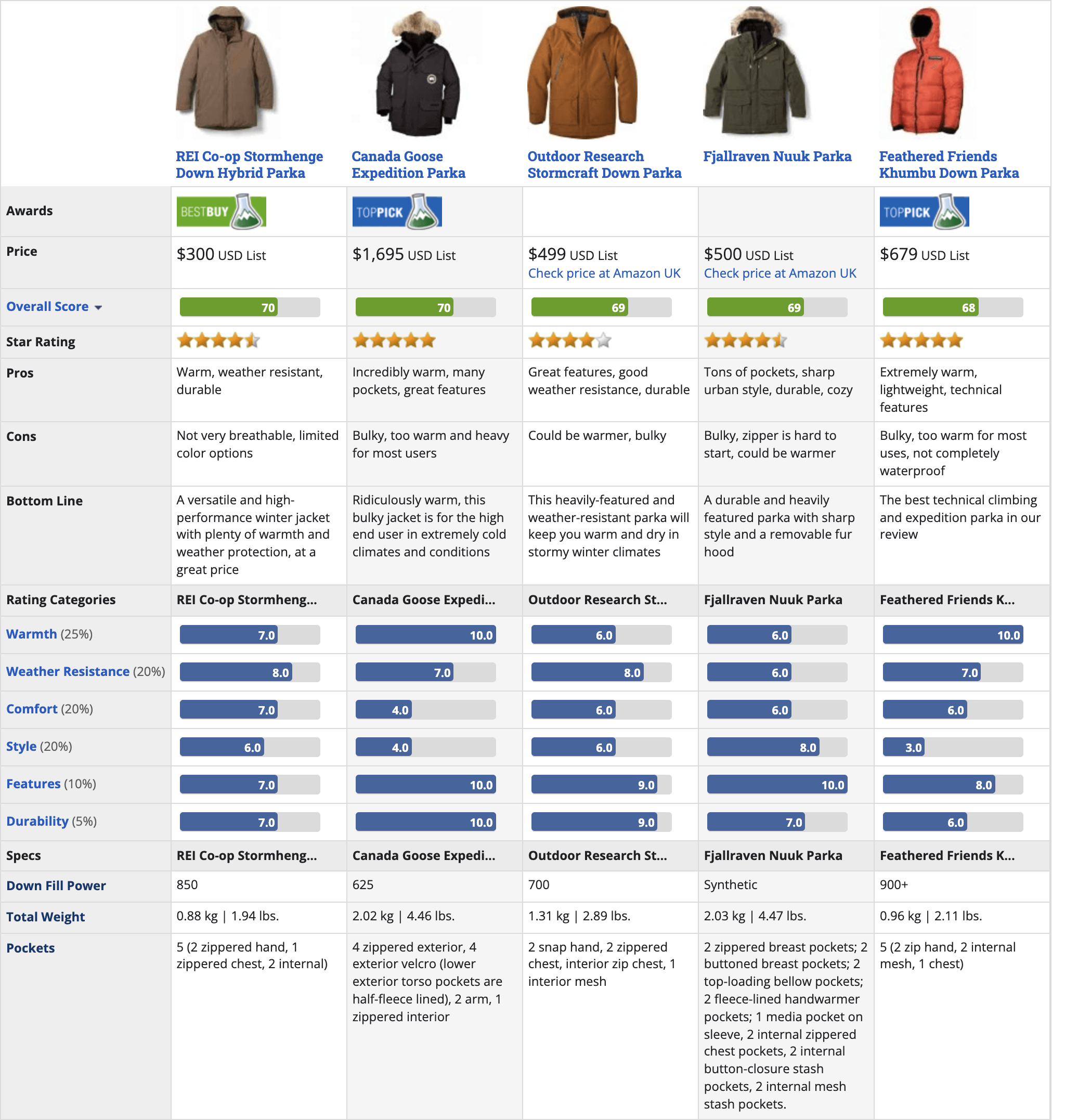
The $100-$200 “Good Enough” Zone
For occasional travelers hitting cities like Boston or Berlin:
– Look for 650-fill down or basic synthetic insulation
– Prioritize packability over extreme warmth
– Accept slightly heavier weight (18-22 oz)
These work for temps down to 20°F (-7°C) but fail in true expeditions. Avoid ultra-cheap “down” coats—they often use low-fill-power feathers that clump and lose warmth.
The $250+ “Worth Every Penny” Tier
For serious cold travelers (Antarctica cruises, Mongolian winters):
– Minimum 800-fill hydrophobic down
– Fully seam-sealed shell
– Weight under 15 oz for core warmth
This isn’t luxury—it’s survival gear that pays off when stranded in -22°F (-30°C) weather. Jackets here last 5+ years with proper care, making the cost-per-trip negligible.
Maintenance Secrets Most Travelers Ignore

Washing Down Coats Without Ruining Them
Down loses loft when washed incorrectly. Always:
1. Use tech-wear detergent (never regular soap)
2. Run gentle cycle with extra rinse
3. Tumble dry on LOW with tennis balls (restores loft)
Skipping dry cleaning saves $50+ per wash and prevents chemical damage.
Emergency Drying When Stuck in Wet Conditions
If your coat gets soaked:
– Stuff it loosely in a dry pillowcase
– Hang near (not touching) a radiator
– Flip every 30 minutes until dry
Never wring it out—that destroys insulation fibers. This method dries coats 50% faster than air-drying alone.
Your Final Travel Coat Checklist
Before buying, verify these make-or-break features:
– Compressed size: Must fit in a 10L daypack pocket
– Shoulder mobility: Raise arms fully without restricting movement
– Hood compatibility: Fits over beanies without blinding you
– Pocket placement: Hand pockets sit above hip belt lines (for backpackers)
The best winter coat for travel disappears into your journey—keeping you warm without dominating your luggage. Prioritize lightweight warmth and discreet style over extreme technical specs unless facing polar expeditions. Remember: the perfect travel coat isn’t the warmest possible, but the warmest that fits in your bag. Test compression before buying, ignore flashy branding, and invest in hydrophobic insulation—it’s the unsung hero of stress-free winter adventures. When your coat packs small enough to forget it’s there until the cold hits, you’ve found your travel essential. Now go explore without the bulk holding you back.