
Imagine sipping authentic Vietnamese coffee in Hanoi’s Old Quarter for $1, watching the morning chaos unfold while knowing your entire yesterday cost less than $25—hostel bed, three incredible meals, and temple entry included. This isn’t a fantasy reserved for trust fund travelers. It’s the daily reality for budget-savvy explorers who’ve mastered strategic cost-cutting without sacrificing authentic experiences. While others postpone trips “waiting for more money,” smart travelers deploy proven tactics that slash expenses by 50-70%. Forget deprivation; this is about maximizing adventure value through clever resource allocation across transportation, accommodation, food, and activities.
The secret lies in systematic planning, not salary size. By optimizing every spending category with battle-tested techniques—like timing flights perfectly or leveraging hostel kitchens—you transform “someday” into next month. These aren’t theoretical hacks but field-tested methods refined over years of global exploration. Within this guide, you’ll discover exactly how to stretch your budget while deepening cultural immersion. Whether you’re planning a two-week getaway or a year-long odyssey, these actionable strategies put dream destinations firmly within reach.
Master Flight Booking Secrets
Perfect Timing Windows
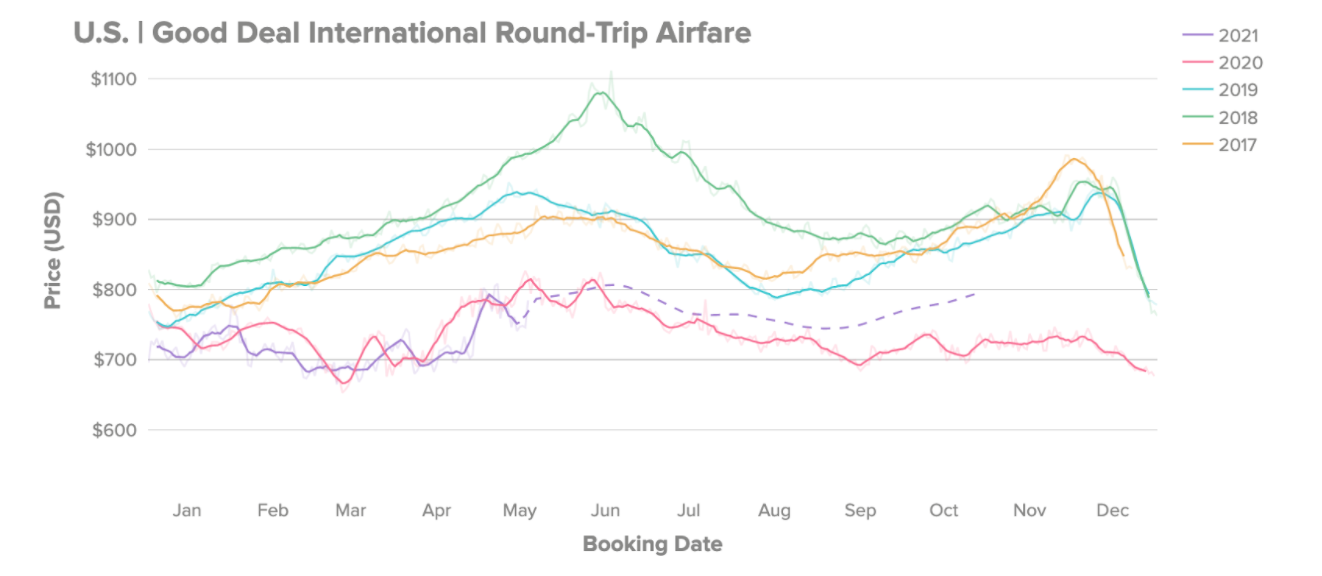
Book domestic flights precisely 6-8 weeks out and international tickets 8-12 weeks ahead for optimal pricing. Tuesdays and Wednesdays consistently deliver the cheapest fares globally as airlines release deals Monday nights. Crucially, always search in incognito mode—airlines track your visits and inflate prices for returning users. Set fare alerts on four platforms simultaneously: Google Flights, Skyscanner, Kayak, and Momondo. Each misses deals the others catch, especially with “flexible date” searches showing ±3-day price variations. When prices dip below your target, book immediately—airfares rarely drop further once they start rising.
Alternative Airport Goldmines
Skip premium hubs for secondary airports within 50-100 miles. London Stansted saves £50-100 versus Heathrow, Oakland undercuts San Francisco by $75+, and Paris Beauvais offers €100 savings over Charles de Gaulle. Always factor in ground transport: European airports like Stansted connect via €10-20 trains versus €70+ taxis, while Oakland links to San Francisco via BART for $10. Use Rome2rio to compare total door-to-door costs—secondary airports often deliver net savings of $50-200 per ticket even with transit fees.
Miles Hacking for Beginners
Sign up for every airline’s frequent flyer program immediately—concentrate spending on one alliance (Star Alliance, Oneworld, or SkyTeam). Leverage credit card signup bonuses offering 40,000-100,000 miles (enough for a round-trip Europe ticket). Redeem strategically: international business class delivers maximum value (60,000 miles for Europe), while domestic flights require just 25,000. Track award chart sweet spots—like Japan Airlines’ 55,000-mile transpacific deals—and monitor airline newsletters for flash sales.
Accommodation That Won’t Break You

Hostel Selection Mastery
Filter hostels for overall ratings above 8.0 and location scores over 80% on Hostelworld. Prioritize properties offering free breakfast, 24-hour reception, and kitchen access—these slash daily food costs. Female travelers should consider 10-15% pricier female-only dorms for enhanced security. Pro tip: Book directly by calling hostels to bypass booking platform commissions, typically saving 10-15% while securing the same bed. Always read recent reviews focusing on noise levels and lock reliability—avoid places mentioning “thief” or “unlocked doors.”
Free Accommodation Strategies
TrustedHousesitters’ $129 annual membership nets 60-90 free nights yearly through pet/home sitting. Workaway ($42/year) exchanges 5 hours of daily work for room and board—ideal for extending stays in expensive cities like Barcelona or Reykjavik. When using Couchsurfing, verify hosts thoroughly: avoid profiles with under 20 references, message to confirm expectations, and always have backup lodging booked. Critical: Never share exact arrival times publicly—scammers monitor these requests.
Location-Based Savings
Stay just outside tourist zones: London’s Stratford (Zone 2) saves £30-50 nightly versus Zone 1, Tokyo’s Asakusa costs 30-50% less than Shibuya, and Paris’ Belleville offers authentic bistros at half Marais prices. Use Google Maps’ “nearby” filter to find hostels within 10-15 minutes of metro stations—this 5-minute walk saves hundreds over your trip while immersing you in local life.
Eat Like Royalty on $10 Daily

Market Shopping Systems
Hit European Lidl/Aldi for 40-60% grocery savings versus tourist shops. Arrive at local markets 30-60 minutes before closing for 50-75% off fresh produce. Equip yourself with a collapsible container, spork, and mini spice kit to transform hostel kitchens into your personal restaurant. Game-changer: Organize group meals with fellow travelers—split costs on bulk ingredients like rice and vegetables, turning $3 into a feast for four.
Street Food Mastery
Thailand’s street pad Thai costs 40-60 THB ($1.20-1.80) versus 150+ THB in restaurants. Mexico’s tacos deliver authentic flavor for 10-20 MXN ($0.50-1.00), while India’s chaat snacks run 20-50 INR ($0.25-0.60). Leverage lunch specials: European prix fixe menus offer 2-3 courses for €10-15 versus €25-35 dinners, and Tokyo’s teishoku sets provide massive portions at local prices. Always eat where locals queue—no English menu means authentic, affordable food.
Transportation Without Taxi Bankruptcy
Rail Pass Optimization
The Eurail Global Pass covers 33 countries from €185 for 4 travel days within a month—ideal for multi-country trips. Book night trains 60-90 days ahead for couchettes from €20 (replacing hotel costs). Youth discounts (under 27) deliver 25% savings, while regional passes like BritRail offer better value for single-country exploration. Critical: Reserve high-speed trains early—TGV/ICE supplements jump from €4 to €35+ last-minute.
Bus Network Mastery
Megabus and FlixBus serve Europe with fares from £1/€1 when booked weeks ahead. In the US, Greyhound’s 14-day advance purchases cut costs by 30%. For authentic local interaction, use BlaBlaCar—Europe’s ride-sharing network averages €20-40 between cities, half the train price. Always compare total journey time: buses may take 20% longer but save 50%+ versus flights when including airport transit.
Activity Maximization Strategies
Free Museum Hacks
Most museums offer free admission days: first Sundays in Italy, last hours in Netherlands, and specific weekdays like Madrid’s free Sundays. City tourist cards (London Pass, Paris Museum Pass) pay off if you visit 3+ paid attractions daily—calculate break-even points before buying. Essential: Download GPSmyCity for self-guided walking tours, and join free tip-based tours (€5-15 expected) for local insights without fixed costs.
Nature’s Free Entertainment
US National Parks cost $20-35 entry versus $100-300 hotels—annual passes ($80) pay for themselves after 3 visits. Free beaches abound across Europe (most are public), while state parks offer hiking and camping for $10-20 nightly. Prioritize free natural wonders: Thailand’s limestone caves, Vietnam’s rice terraces, and Romania’s Carpathian trails deliver world-class experiences without admission fees.
Financial Management Systems
Daily Budget Framework
Allocate funds strategically: 30-40% for accommodation, 25-35% for food, 10-20% for transport, and 15-25% for activities. Keep a 5-10% buffer for emergencies. Track daily: Use Trail Wallet app for instant expense logging—review every evening to adjust spending. If you overspend on Day 1, cut food costs on Day 2 with market meals. This real-time control prevents mid-trip budget disasters.
Banking Without Fees
Charles Schwab reimburses unlimited ATM fees worldwide—withdraw €300+ per transaction to minimize fees. Wise provides real exchange rates (8x cheaper than banks), while Revolut eliminates foreign transaction fees up to $1,000 monthly. Always carry $100-200 emergency cash in USD/EUR divided across three locations: main bag, daypack, and hidden money belt.
Regional Budget Breakdowns
Southeast Asia Mastery
Thailand operates on $30-50 daily: $8-15 hostels, $1-3 street meals, and $5-15 temple visits. Vietnam delivers even better value at $20-40 daily—$8-12 dorms and $1-2 local food. Prioritize local transport: Bangkok’s river boats ($0.50) beat taxis, and Hanoi’s cyclos cost 50% less than Grab. Skip tour packages—book temples directly for 30% savings.
Eastern Europe Value
Poland offers $25-45 daily budgets with $10-15 hostels and $3-8 restaurant meals. Romania and Bulgaria provide similar value—$20-40 daily covers comfortable backpacking. Money hack: Use local SIM cards ($5-10) for unlimited data, then navigate via Google Maps offline to avoid taxi scams. Hit markets like Warsaw’s Hala Mirowska for 50% cheaper meals versus tourist restaurants.
Emergency Preparedness
Crisis Management Protocol
Maintain a separate 3-5 day emergency fund—never touch this cash for daily expenses. Share your itinerary with two trusted contacts and check in every 48 hours via WhatsApp. Register with your embassy’s STEP program for critical support during crises. Critical step: Photograph all documents (passport, insurance) and store copies in cloud storage before departure.
Health Insurance Essentials
Secure minimum $100,000 medical coverage with $1 million evacuation insurance—verify activity inclusions (many exclude motorbike riding). Document everything: keep medical receipts, police reports for theft, and photos of damaged items. Contact your insurer within 24 hours of any incident—delayed claims get denied.
Long-Term Sustainability
Income While Traveling
Teach English online via VIPKid ($14-22/hour) with just a laptop and headset. Freelance through Upwork for digital services like writing or design. Countries like Estonia, Croatia, and Mexico now offer digital nomad visas for 6-12 month legal stays—pair with house-sitting for free accommodation. Pro move: Stay one month minimum to access local pricing—landlords often slash rates for extended stays.
Monthly Budget Goals
Southeast Asia: $800-1,200 monthly covers all expenses comfortably. Eastern Europe: $1,000-1,500 monthly. Latin America: $1,000-1,400. India/Nepal: $600-1,000. Key strategy: Cook 70%+ of meals using market ingredients while eating out strategically for cultural experiences—this balance keeps costs low without sacrificing flavor.
Your dream destinations aren’t getting cheaper—but your approach can transform “someday” into next month. Start with one destination and implement three strategies immediately: book flights in incognito mode, stay in Zone 2 areas, and master street food. Watch your budget stretch 50% further while deepening authentic connections. The world belongs to those who show up prepared—armed with these budget travel tips, you’re already halfway there.