

Forgetting your passport derails trips, but skipping CDC travel vaccines risks far worse consequences. Nearly 60% of travel-related hospitalizations involve preventable diseases like hepatitis A or typhoid—conditions that could have been stopped with proper pre-travel vaccination. The CDC’s destination-specific vaccine requirements aren’t just bureaucratic hurdles; they’re your frontline defense against illnesses that thrive where sanitation systems differ from home.
Missing critical vaccines like yellow fever could mean denied boarding or quarantine upon arrival, while overlooking recommended protections like Japanese encephalitis leaves you vulnerable in rural Asia. This guide cuts through the confusion with actionable steps to secure exactly the CDC travel vaccines you need based on where you’re going, what you’ll do, and how long you’ll stay.
Required vs Recommended CDC Vaccines
Your vaccination strategy starts with understanding the critical difference between required and recommended shots. Required vaccines like yellow fever are non-negotiable entry conditions enforced by border officials, while recommended vaccines like hepatitis A protect against region-specific health threats where outbreaks are common. Confusing these categories risks denied entry or serious illness—like getting denied entry to Ghana without proof of yellow fever vaccination, or contracting typhoid from street food in Mexico despite it being “just recommended.”
Must-Have Routine Vaccines First
Before adding destination-specific shots, verify these routine vaccines are current—many adults overlook them:
– MMR (measles, mumps, rubella)
– Tdap (tetanus, diphtheria, pertussis)
– Influenza (seasonal)
– Varicella (chickenpox)
– Polio (if never completed series)
Pro Tip: Over 70% of adults haven’t had a Tdap booster in 10+ years. Schedule this 4-6 weeks pre-travel to ensure immunity develops. Skipping this step leaves you vulnerable to diseases resurging in popular destinations like Europe.
Timing Your Vaccine Schedule
Most CDC travel vaccines need 2-6 weeks to become fully effective—starting too late is the #1 preventable travel mistake. Japanese encephalitis requires multiple doses spaced weeks apart, while cholera needs 10 days minimum before departure. Begin planning 6-8 weeks out to cover all bases:
– 6 weeks pre-trip: Start yellow fever and Japanese encephalitis series
– 4 weeks out: Complete hepatitis A/B, typhoid, rabies
– 2 weeks out: Finalize cholera, meningococcal, and last-minute boosters
Destination-Specific Vaccine Requirements
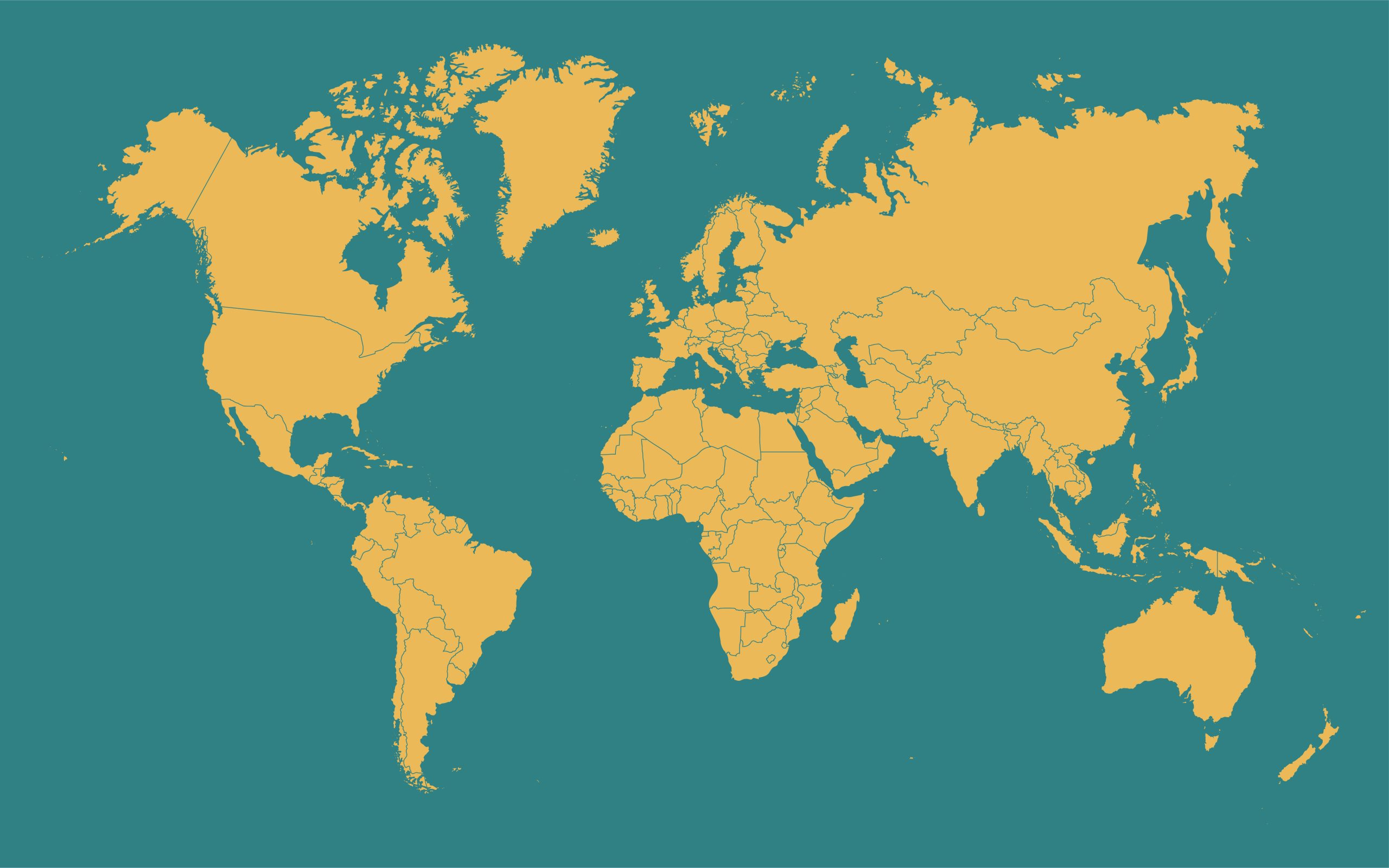
Africa: Yellow Fever & Meningitis Hotspots
Yellow fever vaccination isn’t optional for most sub-Saharan African countries—it’s a hard entry requirement enforced with passport checks. Get the single-dose vaccine at least 10 days pre-travel to allow immunity development, and safeguard your International Certificate of Vaccination (“yellow card”). This document must match your passport name exactly; discrepancies cause 15% of denials at airports like Accra’s Kotoka International.
Critical countries requiring proof:
– Ghana, Nigeria, Kenya, Democratic Republic of Congo, Uganda
– Saudi Arabia mandates meningococcal vaccination for all Hajj/Umrah pilgrims regardless of origin
Asia: Japanese Encephalitis & Tick-Borne Risks
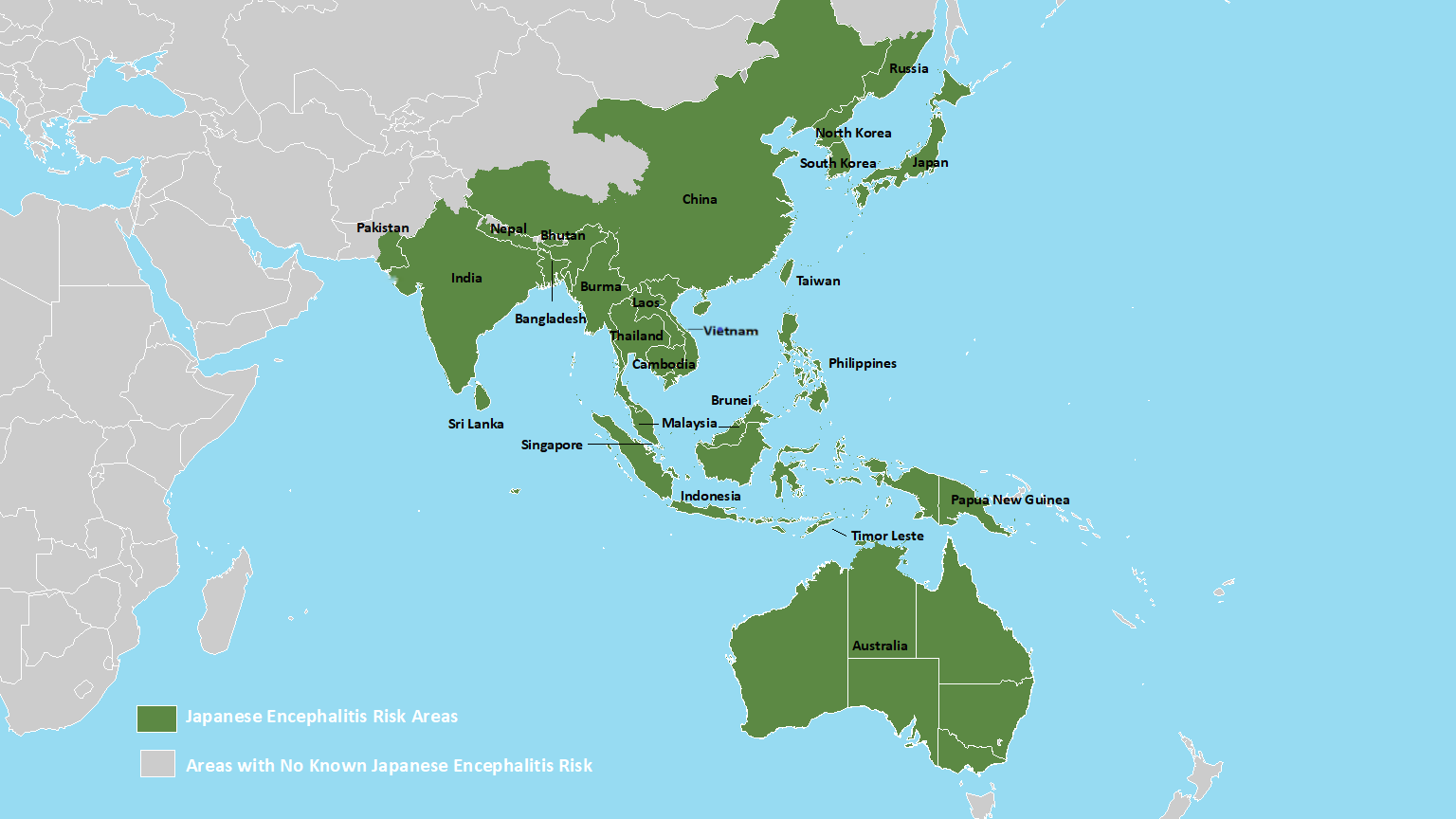
Japanese encephalitis vaccination is essential for travelers spending over 1 month in rural China, Japan, or Southeast Asia—especially during May-October transmission season. Children 2+ months and adults up to 65 years require two doses, with the second shot administered at least 1 week before arrival.
For forested regions of Central/Eastern Europe and Scandinavia (April-November), prioritize tick-borne encephalitis vaccination if hiking or camping. The three-dose series must be completed pre-travel since outbreaks spike near popular trails like Austria’s Hohe Tauern National Park.
Latin America: Cholera & Typhoid Concerns
Cholera vaccination is critical for areas with active outbreaks, particularly after hurricanes or floods in Haiti or the Dominican Republic. The single-dose oral vaccine needs 10 days minimum before travel—too late for last-minute trips.
Typhoid vaccine options:
– Injectable: Single shot, effective 2 weeks post-vaccination
– Oral: Four capsules over 7 days (take last dose 10 days pre-travel)
Choose based on your timeline: injectable suits most travelers, but oral works better for extended stays in Peru or Ecuador.
Mosquito-Borne Disease Vaccines
Yellow Fever: Entry Requirement Details
Your yellow card (International Certificate of Vaccination) is your golden ticket to Africa and South America. Post-2016, it’s valid for life—no boosters needed—but border agents routinely reject travelers who:
– Arrive with cards signed/stamped by non-authorized clinics
– Have name mismatches between passport and certificate
– Transit through required countries (e.g., a layover in Senegal en route to Morocco)
Infants under 9 months generally shouldn’t receive the vaccine, while travelers over 60 may qualify for medical exemptions with physician documentation.
Food and Water-Borne Vaccines
Hepatitis A: Universal Travel Recommendation
This two-dose series provides near-lifetime immunity, but one dose offers 94% protection within 2 weeks—making it ideal for last-minute travelers. Even if you skip the 6-month booster, that initial shot shields you from contaminated food in destinations like Mexico or Vietnam.
Critical action step: Get vaccinated regardless of “resort-only” plans. Outbreaks hit cruise ships and all-inclusive resorts—like the 2022 hepatitis A surge at a popular Bali resort.
Hepatitis B: High-Risk Destination Protection
Prioritize hepatitis B vaccination if visiting Asia, Sub-Saharan Africa, or Eastern Europe where prevalence exceeds 2%. The standard three-dose schedule (0, 1, and 6 months) works for planned trips, but urgent travelers can use the accelerated series:
– Dose 1: Day 0
– Dose 2: Day 7
– Dose 3: Day 21
– Booster: Month 12
This covers medical procedures, tattoos, or accidental exposures—common risks in countries with limited sterile equipment oversight.
Animal Exposure Vaccines
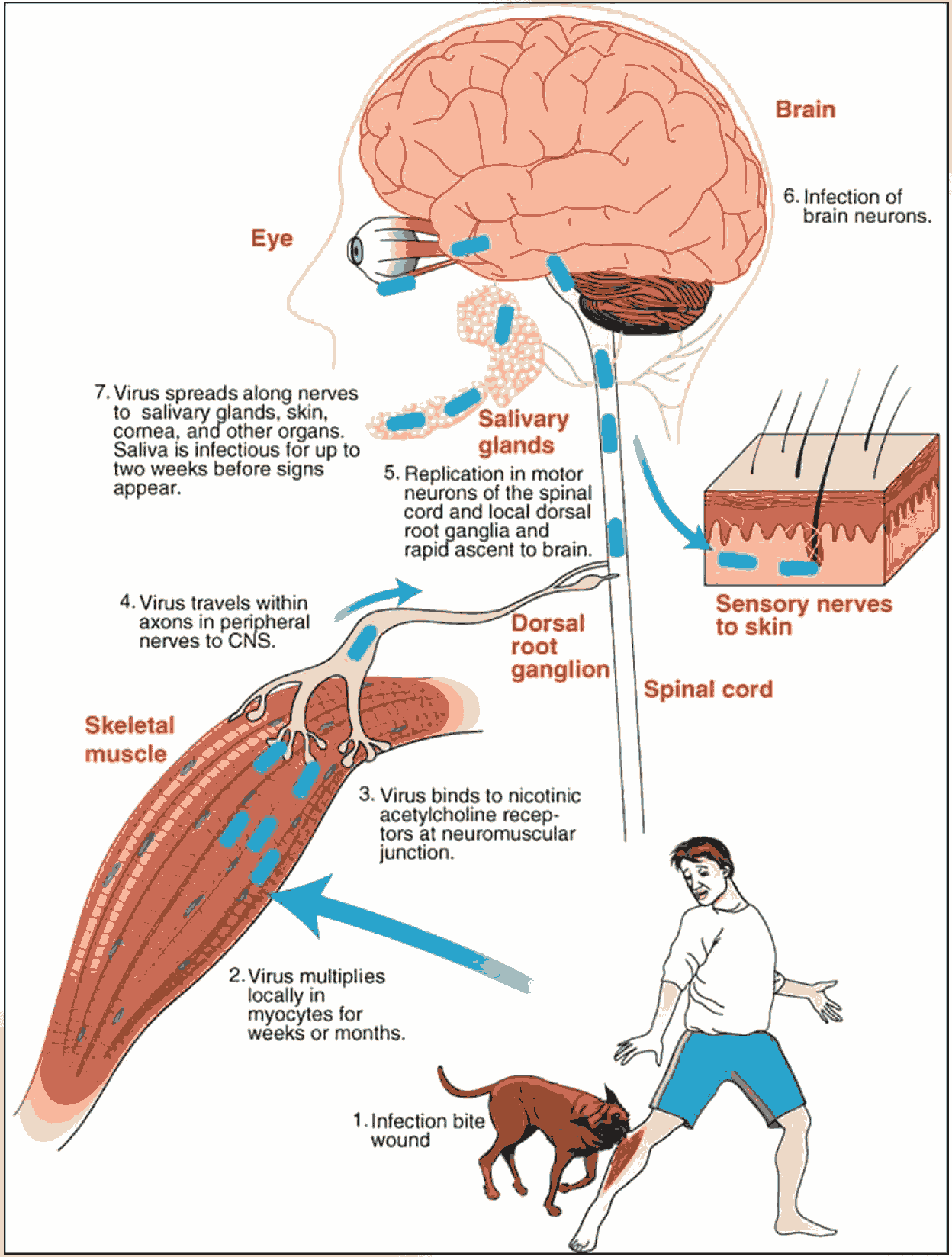
Rabies: Pre-Exposure Prophylaxis
Adventure travelers, wildlife volunteers, and families with children should prioritize the rabies three-dose series (0, 7, 21 days). While pre-exposure vaccination doesn’t eliminate post-bite care, it reduces required injections from 6 to 2 shots—critical when rural clinics lack supplies.
Don’t skip this if:
– You’re trekking in Nepal’s Annapurna region
– Volunteering at animal sanctuaries in Costa Rica
– Traveling with kids (they’re 3x more likely to approach stray animals)
Special Population Considerations
Pregnant Travelers
Avoid all live-virus vaccines (yellow fever, MMR, varicella) unless traveling to active outbreak zones. Instead:
– Use inactivated vaccines: Hepatitis A/B, typhoid
– Prioritize malaria prevention: Prescription medication over vaccines
– Skip high-risk areas: Like Zika-affected Caribbean islands
Immunocompromised Travelers
Cancer patients or those on immunosuppressants face double jeopardy—they can’t receive live vaccines (yellow fever, chikungunya), and their immune response to inactivated shots may be weaker. Essential steps:
– Schedule consultation 8+ weeks pre-travel
– Carry extra medication supplies (30+ days)
– Verify destination hospitals have IV immunoglobulin access
Healthcare Provider Consultation Process

THINK TRAVEL Framework
Your provider will use this CDC-endorsed checklist to pinpoint necessary CDC travel vaccines:
– T – Travel destination and itinerary depth (city vs. rural)
– H – Health conditions and medications
– I – Immunization history verification
– N – Nature of activities (hiking, food markets, clinics)
– K – Known outbreaks via CDC Destination Pages
Critical question to ask: “Which vaccines are required today versus recommended based on current outbreaks?” Requirements change weekly—like sudden yellow fever mandates during African epidemics.
Final Pre-Travel Checklist
6-8 weeks out:
– Book travel medicine consultation
– Verify routine vaccines (Tdap, MMR)
– Start multi-dose series (Japanese encephalitis)
2-4 weeks out:
– Complete remaining shots (hepatitis A, typhoid)
– Obtain malaria prophylaxis if needed
– Print CDC destination health notices
1 week out:
– Confirm yellow card validity
– Pack mosquito repellent (20%+ DEET)
– Download CDC’s TravWell app for outbreak alerts
Never skip this step: Recheck CDC requirements within 4 weeks of departure. A sudden cholera outbreak in Cuba or meningitis surge in Nigeria could add new vaccine mandates overnight. Proper CDC travel vaccines don’t just protect your trip—they prevent you from becoming a vector that brings diseases home to vulnerable communities. Schedule your consultation now and travel with confidence knowing you’ve covered every health requirement.