
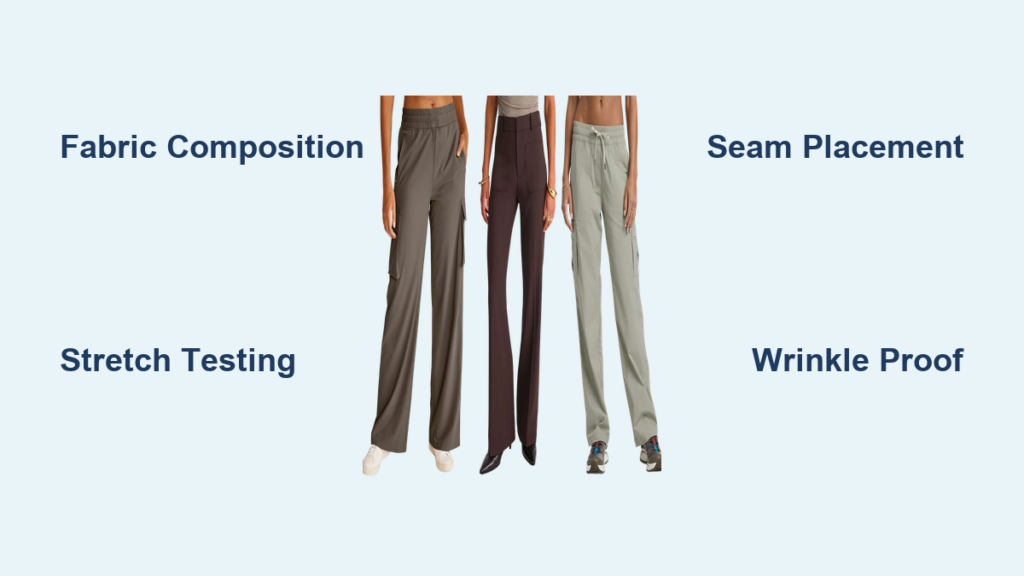
When shopping for comfortable travel trousers, you’ve likely encountered countless marketing claims promising the “ultimate comfort” for your journeys. Yet how many times have you purchased a pair only to discover they don’t deliver on those promises once you’re actually traveling? You’re not alone—many travelers struggle to distinguish genuine comfort features from clever marketing language. This guide shows you exactly how to evaluate claims about comfy travel trousers so you can make informed decisions based on verifiable information rather than hype. By the end, you’ll know precisely what questions to ask and what evidence to look for when researching your next travel pant purchase.
Why Travel Trousers Marketing Often Misleads Shoppers
The Problem with Vague Comfort Claims
Marketing language for travel trousers frequently relies on subjective terms like “cloud-like comfort” or “buttery soft” without providing measurable evidence. These phrases create appealing imagery but offer zero concrete information about actual performance. When evaluating comfy travel trousers, always question what specific features create this claimed comfort and whether those features have been tested in real travel conditions.
How Brands Use Technical Jargon Without Substance
Many brands sprinkle technical terms like “moisture-wicking” or “four-way stretch” throughout product descriptions without explaining what these mean in practical terms. True comfort comes from how these features work together during extended wear, not just their presence in a bullet point list. Look for explanations of how the fabric performs after 8+ hours of continuous wear or through multiple wash cycles.
Key Questions to Ask About Any Comfy Travel Trousers Claim
What Specific Fabric Composition Creates the Comfort?
Rather than accepting vague descriptions like “premium performance fabric,” demand exact percentages of each material. Genuine product information should specify something like “88% polyester, 12% elastane” rather than just “polyester blend.” The precise ratio significantly impacts both comfort and durability, especially when sitting for long periods during travel.
How Was the Comfort Verified Through Testing?
Reputable brands will explain their testing methodology—was comfort assessed through lab tests, real-world trials, or both? Look for details about who tested the trousers (actual travelers versus lab technicians), under what conditions (long flights, hiking, city walking), and for how long. Brands that skip these details likely haven’t conducted meaningful comfort testing.
Evaluating Fabric Technology Claims
Understanding Stretch Capabilities Beyond Marketing Hype
When brands claim “four-way stretch,” this should mean the fabric moves equally well in all directions without losing shape. To verify this claim, look for videos or photos showing the fabric being stretched from multiple angles. Genuine four-way stretch fabric will return to its original shape immediately without bagging at the knees or seat—critical for comfy travel trousers that maintain appearance after hours of wear.
What “Breathability” Actually Means for Travelers
Many brands tout “breathable fabric” but rarely explain what this means practically. True breathability should translate to staying comfortable in temperatures ranging from airplane cabins to tropical destinations. Check if the brand provides specific metrics like moisture vapor transmission rate (MVTR) rather than just using the term as a buzzword.
Assessing Real-World Comfort Features
Why Seam Placement Matters More Than You Think
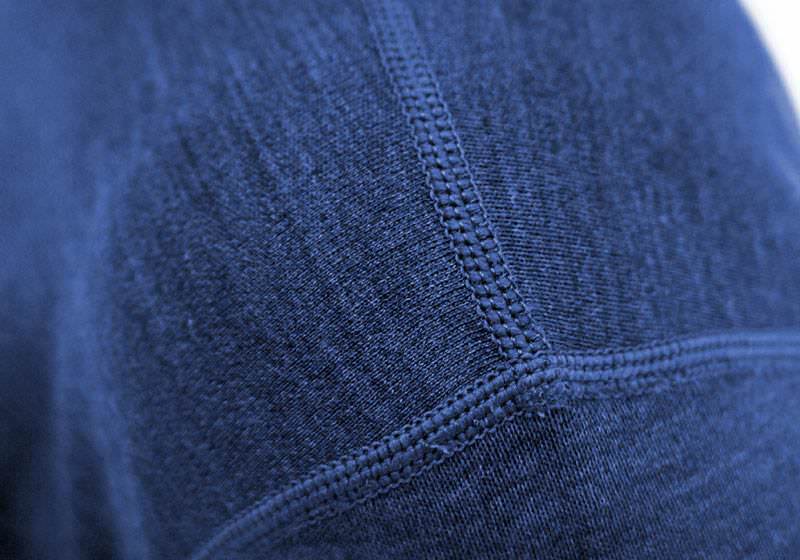
The positioning of seams dramatically affects comfort during long periods of sitting or walking. Quality comfy travel trousers will feature flatlock or taped seams in high-friction areas like inner thighs and waistbands. When researching, look for close-up photos of seam construction or descriptions mentioning “chafe-free” or “flatlock stitching” in critical areas.
The Truth About Waistband Design Claims
A comfortable waistband makes or breaks travel trousers, yet many brands don’t adequately describe this crucial feature. Look beyond “elastic waistband” to discover whether it includes additional comfort elements like interior drawcords, silicone grippers to prevent slipping, or articulated patterning that moves with your body rather than against it.
Decoding Durability and Care Information

Why Wrinkle Resistance Claims Require Proof
Most brands claim their travel trousers are “wrinkle-resistant,” but few explain how this was achieved or how long the treatment lasts. True permanent wrinkle resistance comes from the fabric construction itself, not just a chemical finish that washes out. Check if the brand specifies whether the feature is inherent to the fabric or a temporary treatment.
Understanding Real Washing and Drying Requirements
Claims about “easy care” often hide important details. Some “machine washable” travel trousers require special settings or air drying to maintain their shape and features. Look for specific care instructions rather than generic statements, and check if the brand explains how the fabric performs after multiple washes.
Verifying User Experience Evidence

How to Spot Authentic Traveler Reviews
When researching comfy travel trousers, prioritize reviews from verified purchasers who mention specific travel scenarios. Authentic reviews will describe how the trousers performed during particular activities (e.g., “wore these for a 14-hour flight to Tokyo”) rather than just saying “comfortable.” Be wary of reviews that use identical phrasing or focus only on appearance rather than performance.
What Long-Term Wear Testing Reveals
The real test of comfy travel trousers comes after months of use, not just the first wear. Look for reviews or brand information that addresses how the trousers hold up over time—do they maintain their shape? Does the fabric pill or fade? Do comfort features degrade with washing? Brands that share long-term testing results demonstrate confidence in their product’s durability.
Practical Research Methods Before Purchasing
The In-Store Evaluation Checklist
When possible, examine travel trousers in person using this verification method:
– Feel the fabric’s weight and texture against your skin
– Check the interior for rough seams or tags
– Test the stretch by gently pulling the fabric
– Assess the waistband flexibility and recovery
– Look at the pocket construction and depth
Online Research Verification Techniques
For online purchases, use these verification strategies:
– Search for independent review videos showing real wear tests
– Look for comparison articles from trusted travel sites
– Check the brand’s return policy length (longer policies suggest confidence)
– Find forums where travelers discuss long-term experiences
– Verify if the brand offers detailed size charts with measurements
Making Your Final Decision with Confidence
Before committing to a pair of comfy travel trousers, ensure you have answers to these critical questions: What specific evidence supports the comfort claims? How does this pair address your personal travel needs? And most importantly—does the available information allow you to verify these claims rather than just accepting marketing language at face value?
When you find trousers backed by transparent information and verifiable testing, you’ll discover the difference between marketing comfort and genuine travel comfort. The most reliable comfy travel trousers won’t just make claims—they’ll provide the evidence that lets you confirm their performance for yourself. This research approach transforms you from a passive consumer of marketing messages into an informed traveler who can truly identify trousers worthy of your adventures.