
You’re scrolling through vacation photos when it hits you—those stunning destinations come with a hidden cost. The travel industry generates 8-10% of global greenhouse gas emissions, meaning your dream trip might be harming the very places you love to visit. But here’s what most travel guides won’t tell you: sustainable travel isn’t about deprivation. It’s about smarter choices that often save money while creating richer, more authentic experiences.
This guide delivers practical eco friendly travel tips tested by frequent travelers who’ve slashed their carbon footprints by 40-60% without sacrificing comfort. Forget vague “be more conscious” advice—we’ll show you exactly how to choose transportation, accommodation, and activities that genuinely benefit both the planet and your wallet. By the end, you’ll know how to transform your next trip into a force for good.
Choose Trains Over Flights for Trips Under 1,000km
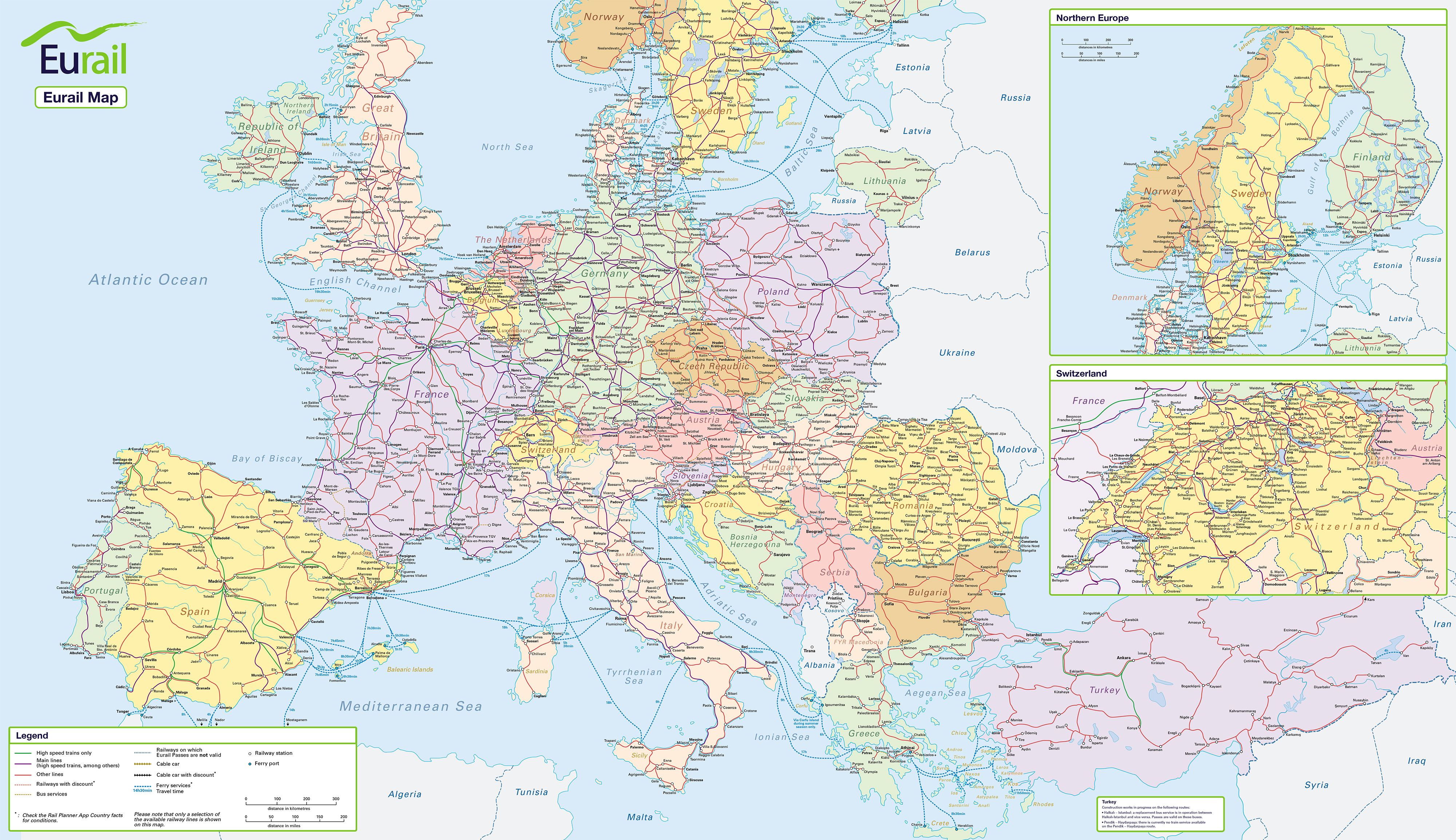
Your flight selection makes the biggest environmental impact of any travel decision. A short-haul flight produces 255g CO2 per passenger-kilometer—18 times more polluting than train travel. For journeys under 1,000km, switching to rail automatically cuts emissions by 75% while often saving you time by avoiding airport hassles.
Book direct routes with Europe’s rail network using a Eurail Global Pass covering 33 countries for $200-600 depending on duration. Japan’s bullet train system makes domestic flights unnecessary, with unlimited JR Pass access starting at $275. In North America, Amtrak routes like the Pacific Surfliner offer scenic coastal views while producing 83% less CO2 than equivalent flights.
When flying is unavoidable, maximize efficiency by selecting non-stop flights that reduce emissions 25-50% compared to connecting routes. Use Google Flights’ “CO2 emissions” filter to instantly compare the cleanest options. For unavoidable flights, invest $15-45 in Gold Standard verified carbon offsets that fund renewable energy projects—roughly the cost of airport lunch but with lasting planetary benefits.
Book GSTC-Certified Accommodations That Meet Real Standards

Your hotel choice determines whether your stay supports sustainability or contributes to resource depletion. Many “eco-friendly” claims are greenwashing, but Global Sustainable Tourism Council (GSTC) certification guarantees 41 verified sustainability criteria including 20% energy reduction and 25% water conservation.
Identify legitimate eco-lodges by looking for these certifications:
– Green Key: Requires 20% energy reduction across 65 countries
– LEED: Delivers 30-50% energy reduction and 40% water savings
– BREEAM: Focuses on comprehensive lifecycle environmental impact
Choose homestays for authentic experiences with 40-60% lower environmental impact than traditional hotels. Platforms like Homestay.com ensure 70-90% of your payment directly benefits local families versus just 10-30% with hotel chains. For zero-impact accommodation, TrustedHousesitters connects you with verified house-sitting opportunities where you care for pets and properties in exchange for free stays worldwide.
Smart Stay Selection Checklist
- ✅ Verify GSTC or regional certification
- ✅ Confirm local hiring practices (minimum 80% local staff)
- ✅ Check for plastic-free policies and water conservation systems
- ✅ Prioritize properties with on-site renewable energy
Pack a Zero-Waste Travel Kit That Eliminates 167 Plastic Bottles Per Trip

Every kilogram you carry increases aircraft fuel consumption by 0.025%. For 200 passengers each reducing luggage by 10kg, that’s 157kg of CO2 prevented on a single 3-hour flight. Beyond weight reduction, packing strategically eliminates single-use plastics and resource waste throughout your journey.
Assemble these essential zero-waste items before departure:
– Collapsible water bottle (HydroFlask 21oz folds flat) to eliminate 167 plastic bottles per trip
– Bamboo utensil set with stainless steel straw preventing 540 single-use items annually
– Solid shampoo and conditioner bars that bypass liquid restrictions
– Quick-dry microfiber towel reducing laundry needs by 50%
– Stojo collapsible coffee cup saving 500 disposable cups per year
Create a capsule wardrobe with just 5-7 versatile pieces that generate 20+ outfit combinations. Choose merino wool garments that naturally resist odors, cutting washing frequency in half. Use packing cubes to organize efficiently—this simple technique reduces luggage weight by 10-15% while making unpacking effortless.
Swap Overcrowded Destinations for Authentic Alternatives

Overtourism devastates ecosystems while diminishing your experience. Venice receives 28 million visitors annually—26 times its population—creating environmental degradation and crowded misery. Smart travelers bypass these hotspots for equally stunning alternatives with 70-95% fewer visitors.
Choose these sustainable alternatives for iconic experiences:
– Instead of Barcelona: Discover Valencia’s vibrant culture with 60% fewer tourists
– Rather than Santorini: Experience Milos, Greece’s hidden gem with comparable beauty but 80% less crowding
– Swap Machu Picchu for Choquequirao: Peru’s “other” Incan city offers identical archaeological wonder with 95% fewer trekkers
Travel during shoulder seasons (2-4 weeks before or after peak times) to enjoy:
– 30-50% cheaper accommodation
– 50-70% fewer tourists
– 25-40% lower flight prices
– Nearly identical weather conditions
This simple timing shift transforms crowded misery into authentic connection while reducing your environmental impact through less strained local resources.
Use Public Transit Passes That Cut Local Emissions 90%
Your transportation choices after arrival dramatically affect your trip’s sustainability. Cities like Tokyo, Zurich, and Copenhagen make car-free exploration not just possible but preferable, letting visitors maintain 90% lower carbon footprints than rental car users.
Grab daily transit passes costing $5-15 instead of $40-80 car rentals. Download Citymapper for real-time routing in 100+ cities—it calculates the most sustainable route options including walking, cycling, and public transit. In Tokyo, the comprehensive transit system means you’ll spend less time navigating traffic and more time experiencing culture.
Embrace micro-mobility options available in 1,000+ cities worldwide:
– Bike sharing ($10-20 daily) provides efficient exploration with zero emissions
– E-scooters produce 59% less CO2 than car trips under 3 miles
– Walking tours deliver authentic local experiences while burning zero fossil fuels
Copenhagen’s 12,000km bike path network demonstrates how cities designed for people—not cars—make sustainable travel effortless and enjoyable.
Eat at Locally-Owned Restaurants That Support Communities
Where you spend money determines whether tourism benefits communities or exploits them. Choosing locally-owned establishments ensures 70-90% of your payment reaches local families versus 10-30% with international chains.
Find authentic plant-based meals using HappyCow’s database of 80,000+ vegan and vegetarian restaurants worldwide. Even as an omnivore, incorporating plant-based meals reduces your food-related emissions by 50% while often introducing you to traditional regional cuisine. In Thailand, local vegan spots serve the most authentic Buddhist temple food—once reserved only for monks.
Join craft workshops where artisans earn income while preserving cultural heritage. From pottery in Kyoto to weaving in Oaxaca, these experiences provide deeper connections than standard tours while supporting traditions at risk of disappearing. Platforms like Visit.org connect travelers directly with community-based tourism initiatives where your spending creates tangible local impact.
Calculate and Offset Your Footprint Before You Go
Understanding your impact enables smarter choices. Use these tools before booking to make informed decisions:
Track emissions with MyClimate’s calculator covering flights, cars, trains, and accommodation. The UN Carbon Offset Platform offers official calculations, while Joro links to your credit card for automatic tracking during your trip.
Offset through verified projects that deliver real impact:
– Renewable energy: $10-20/ton CO2 (wind/solar farms)
– Forest conservation: $15-30/ton CO2 (protecting existing forests)
– Community projects: $20-40/ton CO2 (clean cookstoves, water purification)
Quality offsets fund projects that wouldn’t exist without tourism revenue—like distributing clean cookstoves in developing countries that reduce deforestation while improving women’s health.
Your First 3 Eco-Friendly Travel Actions
Start implementing these strategies immediately for your next trip:
- Today: Download Citymapper and HappyCow apps for sustainable navigation and dining
- When booking: Choose GSTC-certified accommodations and direct flights
- While packing: Assemble your zero-waste kit with reusable essentials
Remember, perfection isn’t required—progress is. Choosing just one sustainable option per trip saves 0.5-2 tons of CO2 annually. As you build these habits over 30-66 days, you’ll discover eco-friendly travel isn’t restrictive—it’s more authentic, often cheaper, and ultimately more rewarding. The destinations you love will thank you, and you’ll return home knowing your adventures contributed to their preservation rather than their degradation.