
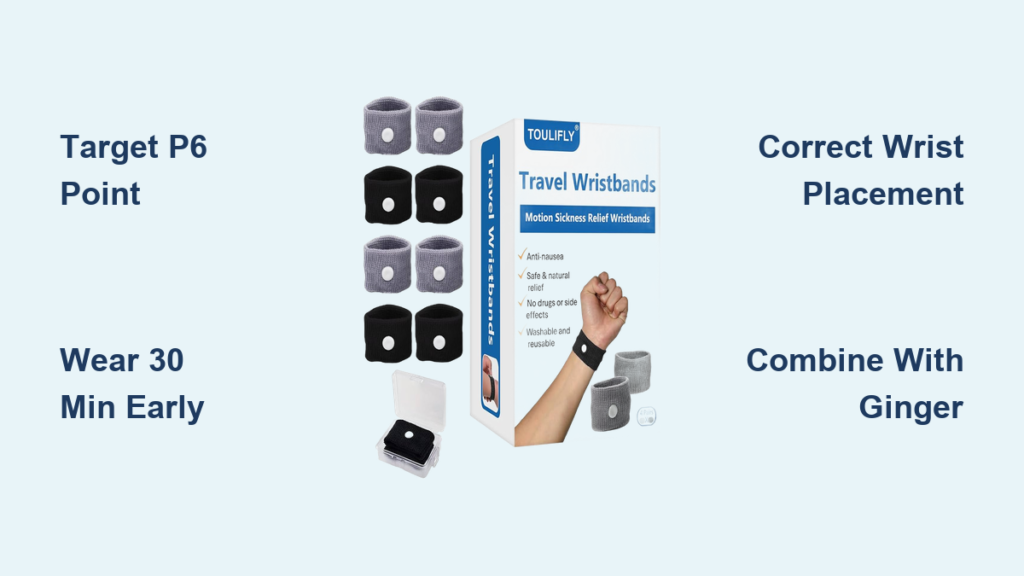
That sinking feeling hits without warning—your palms sweat, vision blurs, and the world tilts as your car rounds a mountain curve or your boat bobs on choppy water. When your eyes tell your brain you’re stationary but your inner ear screams “MOVING!”, your body triggers nausea as if poisoned. How do travel sickness bracelets work to stop this sensory rebellion? They deploy a 2,000-year-old pressure-point tactic that hijacks nausea signals before they reach your brain’s vomiting center. No pills, no drowsiness—just a targeted wrist nudge that restores neurological peace. You’ll discover exactly why these bands silence motion sickness for 60-80% of travelers and how to position them for guaranteed relief.
Why Your Wrist Button Stops Motion Sickness Signals
The P6 Pressure Point’s Nerve Hijack Explained
Your wrist holds a hidden nausea off-switch called the P6 (Pericardium 6) acupressure point. Sit precisely three finger-widths below your wrist crease, nestled between the two central tendons on your inner forearm. When a travel sickness bracelet’s plastic stud presses here, it floods your median nerve with competing signals. These new impulses literally jam the motion sickness messages racing toward your brainstem’s vomiting center—the medulla oblongata. It’s like rerouting a traffic jam: nausea signals get stuck in neurological gridlock while calming signals take the fast lane.
This isn’t placebo magic—it’s measurable physiology. The pressure triggers immediate endorphin release and rebalances your sympathetic (“fight or flight”) and parasympathetic (“rest and digest”) nervous systems. Within 5-15 minutes, your body’s natural anti-nausea chemicals neutralize that queasy cascade. Crucially, this happens without sedation, making it safe for pilots, drivers, or anyone who must stay alert.
Why Timing Determines Success or Failure
Slapping on a band after nausea hits is like locking the barn door after the horse bolts. Research shows how do travel sickness bracelets work best when applied preventively: wear them 30 minutes before boarding a boat, plane, or car. This primes your nerve pathways to block incoming motion signals. Waiting until symptoms begin drops effectiveness by up to 30%—your nervous system is already in full panic mode. For sudden motion sickness (like turbulent flights), immediate application still helps, but expect slower relief. Pro tip: Keep bands in your glove compartment or carry-on so you’re never caught unprepared.
Elastic vs Electronic: Which Motion Sickness Band Solves Your Nausea?
Basic Elastic Bands: The $10 Nausea Firewall
Don’t underestimate these stretchy fabric bands with a humble plastic button. Weighing just 10-30 grams, they deliver consistent pressure on P6 through medical-grade elastic. The one-size-fits-most design works because the stud self-adjusts as you move—no fiddling with straps mid-journey. Best for:
– Budget travelers (costs $8-$15/pair)
– First-time users testing effectiveness
– Kids over 3 years old (child sizes available)
– Water activities (waterproof variants exist)
Hand-wash after use and they’ll last years. Their genius lies in simplicity: no batteries, charging, or settings to confuse you when you’re already feeling wobbly.
Electronic Bands: Precision Nausea Control for Severe Cases
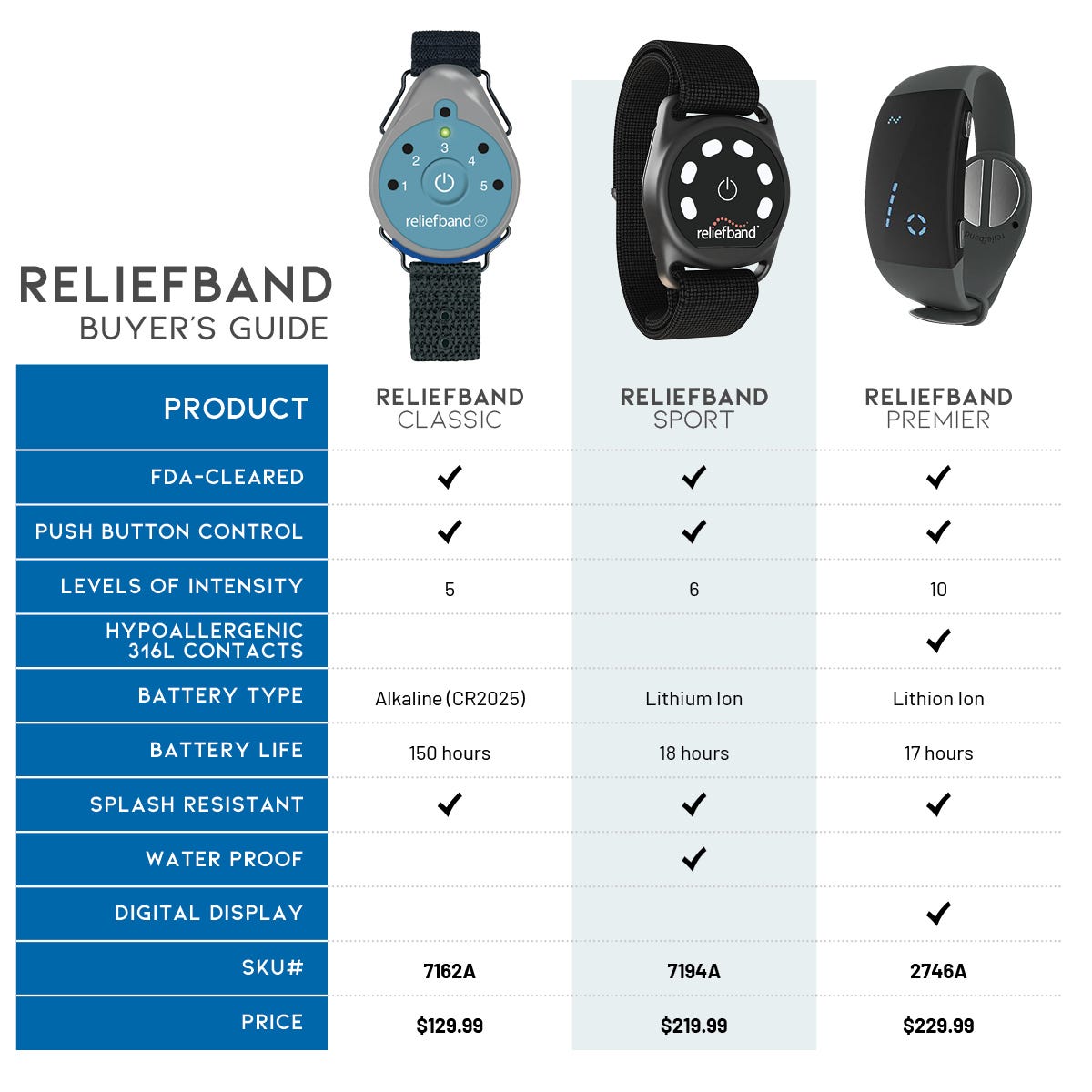
When waves hit 10 feet or turbulence rattles your plane, upgrade to electronic bands like ReliefBand. These $50-$150 devices add micro-electrical pulses to the P6 point, creating stronger signal interference. Adjustable intensity dials let you ramp up stimulation during extreme motion. Key advantages:
– Targets additional acupressure points beyond P6
– 25% higher success rate for severe motion sickness
– Customizable for individual nerve sensitivity
– Built-in timers for automatic shut-off
But they’re bulkier (40-60 grams) and require charging. Reserve these for chronic sufferers or transoceanic voyages where failure isn’t an option.
Exact Placement That Makes or Breaks Your Bracelet’s Effectiveness

Step-by-Step: Pinpoint Your P6 Sweet Spot
Most users fail because they misplace the stud. Follow these steps like a neurologist:
1. Find your wrist crease: Hold your palm up and make a fist—notice the three horizontal lines where your hand meets wrist? Use the middle crease.
2. Measure three finger-widths down: Stack your index, middle, and ring fingers vertically below the crease.
3. Locate the tendon valley: Press gently between the two rope-like tendons running up your forearm. The P6 point sits where you feel a slight “give.”
4. Position the stud inward: The plastic button must face your palm, pressing between tendons—not on bone or muscle.
5. Test pressure: Tighten until you feel firmness (like a handshake), not pain. Over-tightening blocks blood flow and reduces effectiveness.
Critical mistake: Placing the band on the outer wrist (radial side). This hits the wrong nerve and does nothing. Always use your palm-side forearm.
Troubleshooting Zero Relief in 15 Minutes
If nausea persists, your stud is likely off-target. 10-15% of users need 2-3 adjustments:
– Shift the stud 5mm toward your elbow if pressure feels “numb”
– Move it 5mm toward your hand if you feel tingling
– Wear bands on both wrists simultaneously—this doubles signal interference
– For boats/planes, increase pressure slightly during rough motion
Still no relief? You may have nerve damage in the wrist area or face severe motion beyond the band’s capacity. Switch to medication immediately.
When Travel Sickness Bands Outperform Pills (and When They Don’t)
Proven Success by Motion Type
How do travel sickness bracelets work against specific scenarios? Clinical data reveals:
– Cruise ships: 70% symptom reduction (best for slow, rolling motion)
– Mountain roads: 65% effectiveness (works if applied before winding sections)
– Turbulent flights: 60% success rate (use electronic bands for severe bumps)
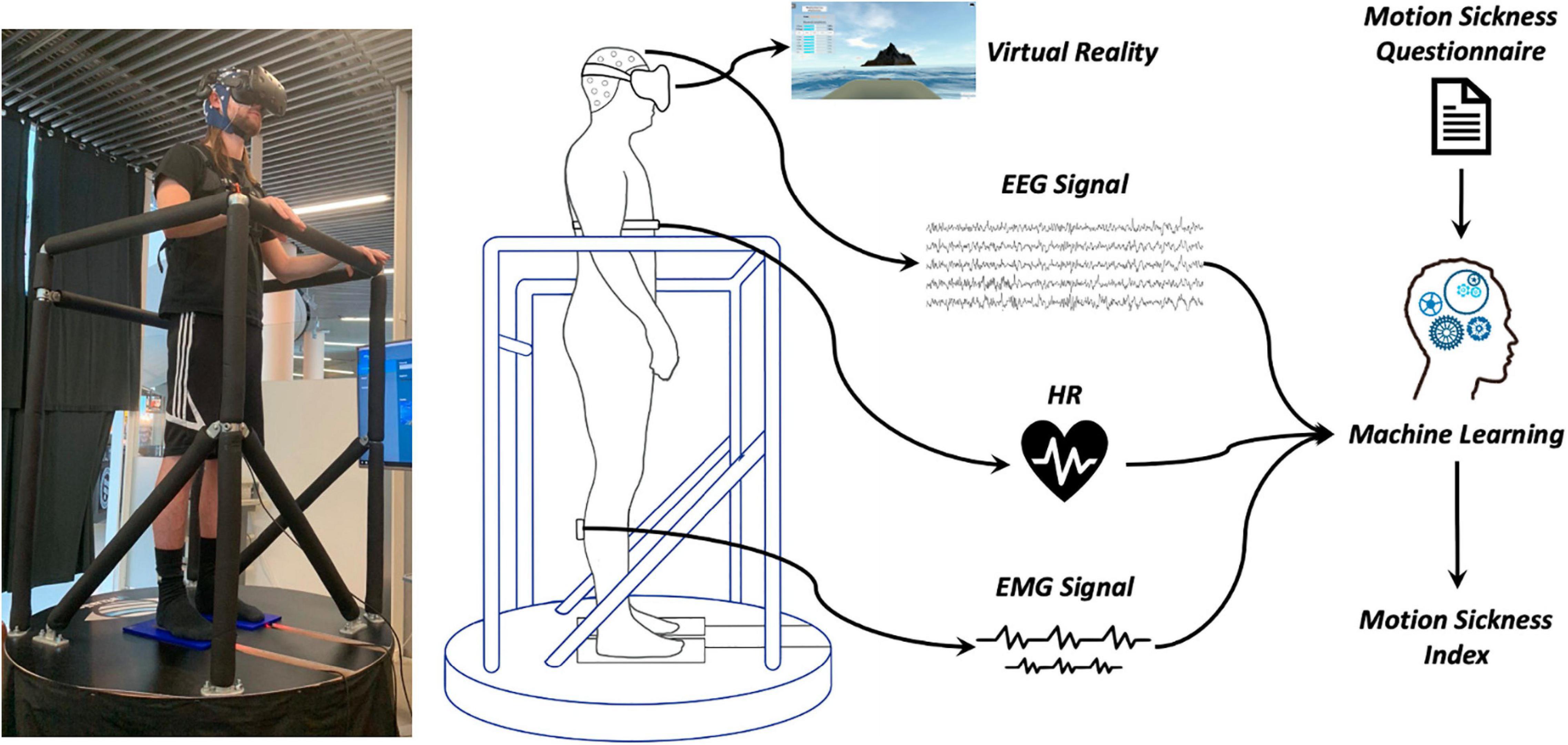
– VR headsets: 50-55% nausea reduction (combine with controlled breathing)
They shine where drugs fail: pregnant women safely use them for morning sickness, chemo patients manage treatment nausea, and truck drivers avoid drowsiness. But they struggle with:
– Sudden, violent motion (like roller coasters)
– Extreme dehydration or fatigue
– Nerve damage from diabetes or prior injury
Safety Edge Over Medication
Unlike Dramamine or scopolamine patches, these bands cause zero side effects. No drowsiness, dry mouth, or blurred vision. They’re safe for kids, seniors, and those on blood thinners. Contraindications are rare: stop use only if you have open wrist wounds, severe circulatory issues, or allergic reactions to band materials. For 98% of users, they’re the safest first-line defense.
Double Your Relief: Proven Band-Boosting Tactics
Synergistic Combos That Crush Nausea
Travel sickness bands work solo, but pairing them with these tactics boosts success to 85%:
– Ginger + Pressure: Sip ginger chews or tea—studies show this combo reduces symptoms 20% more than bands alone.
– Ankle Bands: Add Sea-Band’s Motion Sickness Ankle Bands to target St36 point, creating a “nausea blockade” from wrist to foot.
– Focused Breathing: Inhale 4 seconds, hold 4, exhale 6—this calms the vagus nerve and multiplies band effectiveness.
Avoid these mistakes:
– ❌ Looking at books/screens while moving (worsens sensory conflict)
– ❌ Tight clothing restricting diaphragm movement
– ❌ Waiting until nausea hits to apply bands
Cost-Saving Hacks for Travelers
You don’t need designer bands. Generic pharmacy brands ($5-$10/pair) work identically to Sea-Band’s $25 version. For under $20, build a complete nausea kit:
1. One elastic band pair (for prevention)
2. One electronic band (for emergencies)
3. Ginger chews (for synergistic relief)
4. Peppermint oil (for quick scent-based calming)
Store bands in your car’s center console and carry-on—they’ll last 3+ years with hand-washing.
Travel sickness bracelets work by weaponizing your body’s own wiring against nausea. When you correctly target the P6 point 30 minutes before travel, you flood nerve pathways with calming signals that drown out motion confusion. For 60-80% of sufferers, this drug-free tactic transforms travel from torture to tolerable—no drowsiness, no side effects, just science-backed relief. Remember: precise placement is non-negotiable, prevention beats reaction, and pairing bands with ginger or breathing techniques pushes success rates near 90%. Keep a band in every bag, apply it like a neurologist, and reclaim your journeys. Next time turbulence hits or waves roll, your secret weapon is already strapped to your wrist.