
Look out your airplane window during cruise and you’re likely flying between 30,000 and 42,000 feet—higher than Mount Everest’s peak. This altitude range isn’t random; it’s the sweet spot where commercial jets balance fuel efficiency, passenger comfort, and air traffic management. Understanding how high planes travel reveals why your next flight might soar at 35,000 feet while military spy planes operate near the edge of space.
Most travelers don’t realize that climbing just 2,000 feet higher can save 1-2% in fuel consumption, which explains why airlines meticulously plan each flight’s altitude. Whether you’re a frequent flyer curious about those fluffy clouds below or an aviation enthusiast tracking extreme altitude records, knowing how high planes travel transforms your perspective on modern air travel.
Why Commercial Jets Cruise Between 30,000-42,000 Feet
Commercial aircraft operate in this specific altitude band because it delivers the perfect balance of engine performance, fuel economy, and passenger comfort. Flying lower increases air resistance and fuel burn, while going higher reduces engine thrust too much for efficient operation.
Narrow-Body Aircraft Altitude Limits
Your Boeing 737 or Airbus A320 typically cruises at 35,000-41,000 feet, with the 737-800 reaching a maximum service ceiling of 41,000 feet. These popular narrow-body jets rarely fly at their absolute ceiling except in emergencies, instead optimizing for passenger comfort on domestic and short-haul international routes.
Wide-Body Aircraft Performance Range
Long-haul aircraft like the Boeing 777-300ER and Airbus A350-1000 operate at 35,000-42,000 feet, where their massive fuel loads become an advantage. The Airbus A380, despite carrying up to 850 passengers, maintains a service ceiling of 43,000 feet—nearly matching the Boeing 777’s maximum altitude.
Regional Aircraft Flying Lower
Smaller regional jets like Embraer E-jets operate between 25,000-41,000 feet depending on flight length, while turboprop aircraft serving short routes stay much lower at 15,000-25,000 feet. These lower altitudes provide better passenger comfort for shorter journeys while maintaining propeller efficiency.
How Pilots Determine Your Flight’s Exact Altitude
Every flight level assignment results from complex calculations balancing multiple factors. Pilots don’t simply choose the highest possible altitude—each flight gets precisely calculated based on real-time conditions.
Fuel Efficiency Sweet Spot
At 35,000 feet, air density drops to just 30% of sea level, dramatically reducing drag. This thinner air allows jets to burn 20-30% less fuel compared to flying at 25,000 feet. Cold temperatures at altitude further boost engine efficiency, creating a double benefit that makes high-altitude flight economically essential.
Air Traffic Control Altitude Rules
ATC follows strict protocols to prevent collisions:
– Eastbound flights operate at odd-numbered altitudes (31,000, 35,000, 39,000 feet)
– Westbound flights use even-numbered altitudes (30,000, 34,000, 38,000 feet)
– RVSM airspace (29,000-41,000 feet) requires special aircraft certification
Weather-Based Altitude Adjustments
Pilots constantly request altitude changes to optimize conditions. Catching a 150-knot jet stream tailwind can save significant time and fuel, while avoiding thunderstorms might require climbing above 40,000 feet. Volcanic ash clouds sometimes force aircraft to fly lower than optimal for safety.
Military Aircraft Altitudes That Defy Commercial Limits
While commercial jets stay below 45,000 feet, military aircraft operate in extreme altitudes where specialized equipment becomes essential for survival.
Fighter Jet Operational Heights
Modern fighters like the F-22 Raptor routinely operate at 65,000 feet—nearly 50% higher than commercial traffic. At these heights, aircraft gain tactical advantages for reconnaissance missions and beyond-visual-range combat while avoiding most surface-to-air threats.
High-Altitude Spy Planes
The U-2 spy plane operates above 70,000 feet, where pilots wear full pressure suits similar to astronauts. NASA’s ER-2 research aircraft continues this legacy, conducting atmospheric studies at similar extreme altitudes where aerodynamic control becomes marginal.
Absolute Altitude Records
The MiG-25 holds the manned altitude record at 123,520 feet—nearly three times typical commercial cruising height. At this extreme elevation, aircraft essentially operate as rocket ships, requiring reaction control systems instead of conventional flight controls.
Why You Don’t Pass Out at 35,000 Feet
Despite flying above Mount Everest, passengers remain comfortable thanks to sophisticated environmental systems that maintain safe cabin conditions.
Cabin Pressurization Explained

Your aircraft maintains cabin pressure equivalent to 6,000-8,000 feet elevation regardless of actual flight altitude. This requires constant pumping of compressed air, creating a pressure differential of 8-9 psi between cabin and outside atmosphere. Without this system, you’d lose consciousness within 15-20 seconds at cruising altitude.
Emergency Oxygen System Response
Oxygen masks deploy automatically if cabin pressure drops below 14,000 feet equivalent. Pilots immediately initiate emergency descent to 10,000 feet or below, where supplemental oxygen becomes unnecessary. This rapid descent typically takes 4-6 minutes from standard cruising altitudes.
Step-Climbing: How Long Flights Gain Altitude Gradually
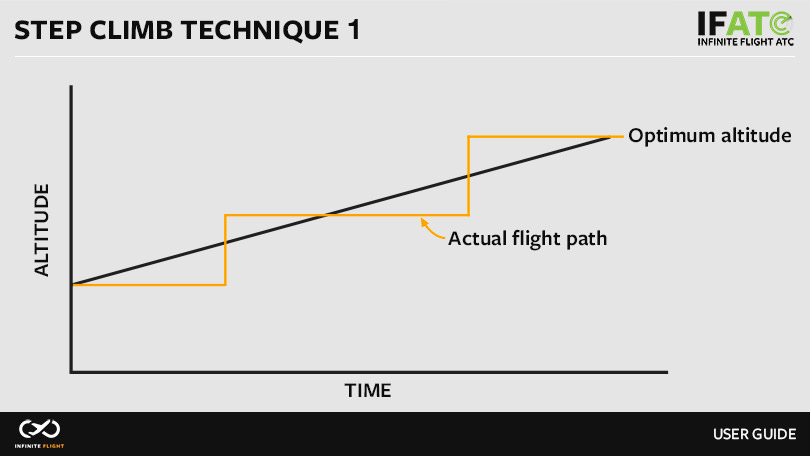
On ultra-long-haul routes, aircraft don’t stay at one altitude—they progressively climb higher as fuel burns off and weight decreases.
Progressive Altitude Increases for Efficiency
Long-haul flights like New York to Singapore use step-climbing:
– Initial cruise: 35,000 feet (heavy with full fuel load)
– First step: 37,000 feet (after 3-4 hours)
– Second step: 39,000-41,000 feet (mid-flight)
– Final step: 41,000-42,000 feet (lightest weight)
Weight-Based Altitude Management
Aircraft departing at maximum takeoff weight cannot initially reach optimal cruise altitudes. As fuel burns off—approximately 3-5% of total aircraft weight per hour—performance improves dramatically. Each 2,000-foot climb saves 1-2% in fuel consumption, making step-climbing essential for ultra-long flights.
Future of High-Altitude Aviation
Emerging technologies promise to push aviation altitudes even higher, potentially revolutionizing how high planes travel in coming decades.
Next-Generation Altitude Capabilities
- Supersonic return: New SSTs targeting 60,000-foot cruise altitudes to reduce sonic boom impact
- Advanced materials: Composite aircraft may routinely cruise at 45,000+ feet for improved efficiency
- Electric limitations: Current battery technology restricts electric aircraft to 10,000-25,000 feet
Evolving Airspace Management
Future airspace systems may allow more optimal altitude assignments through AI-driven ATC. Autonomous aircraft could potentially operate at more efficient altitudes without traditional human-centered constraints, though safety protocols will remain paramount as we push how high planes travel even further.
Understanding how high planes travel reveals the incredible engineering precision required for modern air travel. From your regional jet cruising at 30,000 feet to spy planes operating near space at 70,000 feet, aviation’s invisible highways span an impressive range of altitudes—all carefully chosen for optimal performance, safety, and passenger comfort. The next time you look out your airplane window, remember you’re flying in a precisely calculated sweet spot where efficiency meets safety.